
Acids, Bases, and the pH Scale
Year 10 Science Western Australian Curriculum 30-minute lesson

WALT - We Are Learning To
Understand the properties of acids and bases and their ion release in water Explain the pH scale and its logarithmic nature Conduct a practical test using litmus paper to identify acidic and basic substances Discuss safety precautions when handling acids and bases
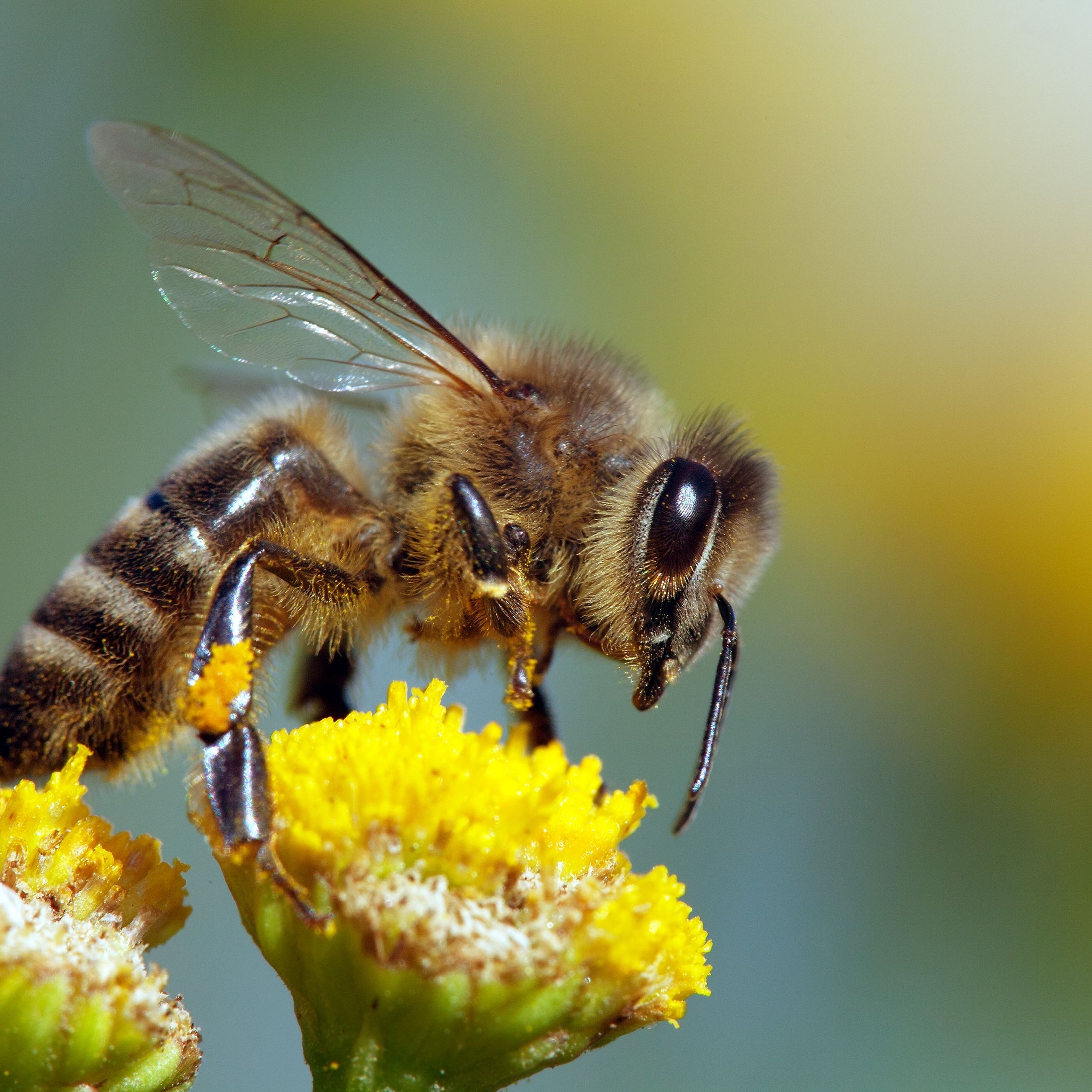
Think About This...
Why do bee stings hurt? Why does soap feel slippery on your hands? What do lemon juice and vinegar have in common?
Properties of Acids and Bases
{"left":"Release H⁺ (hydrogen) ions in water\nSour taste (like lemon juice)\nCan sting or burn skin\nTurn blue litmus paper red\nExamples: vinegar, citrus fruits","right":"Release OH⁻ (hydroxide) ions in water\nBitter taste (like baking soda)\nFeel slippery or soapy\nTurn red litmus paper blue\nExamples: soap, baking soda"}
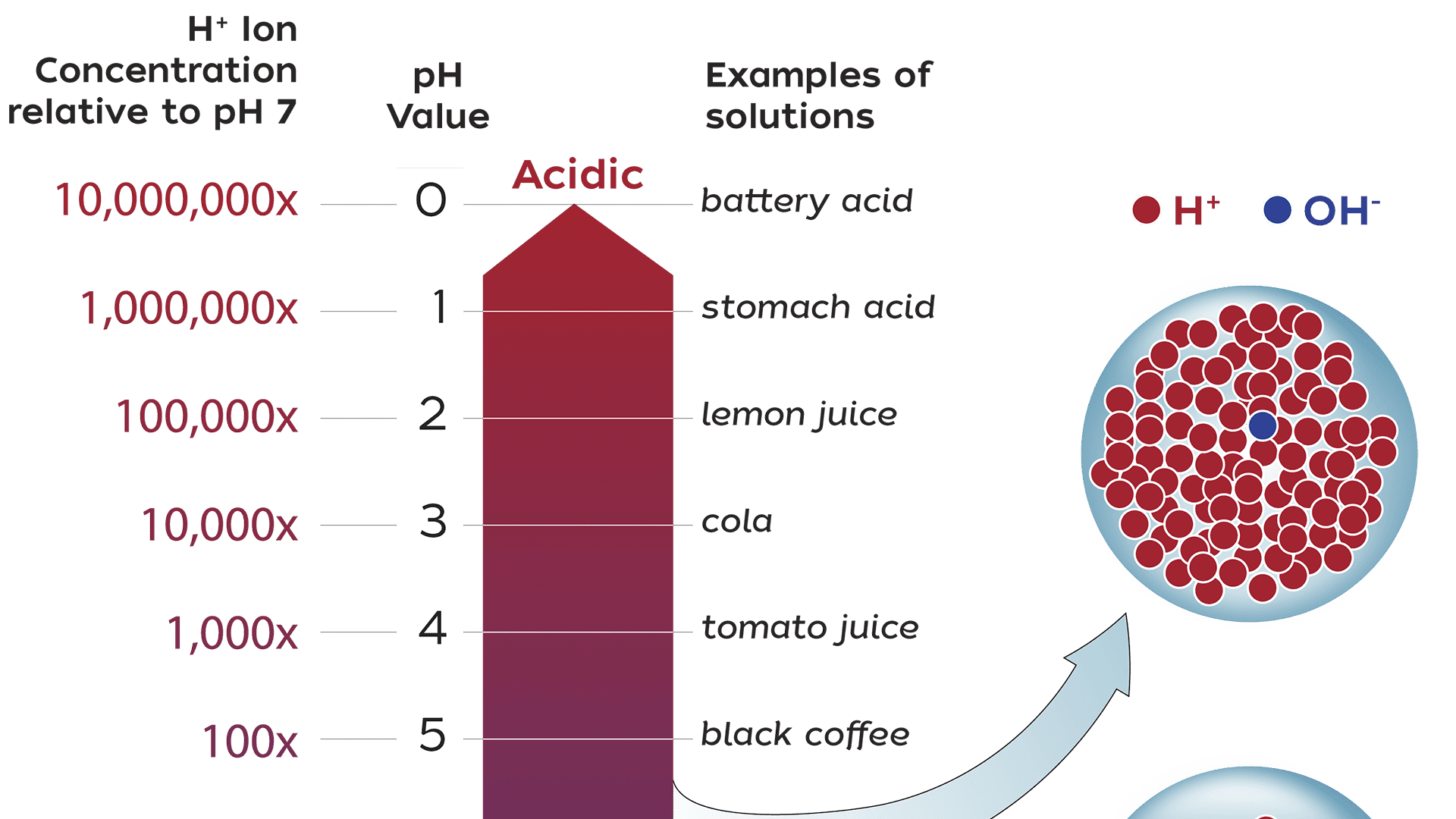
The pH Scale

Understanding the Logarithmic Scale
Each pH unit = 10 times difference in acidity pH 3 is 10 times more acidic than pH 4 pH 3 is 100 times more acidic than pH 5 pH 3 is 1000 times more acidic than pH 6 Small changes in pH = BIG changes in chemistry!
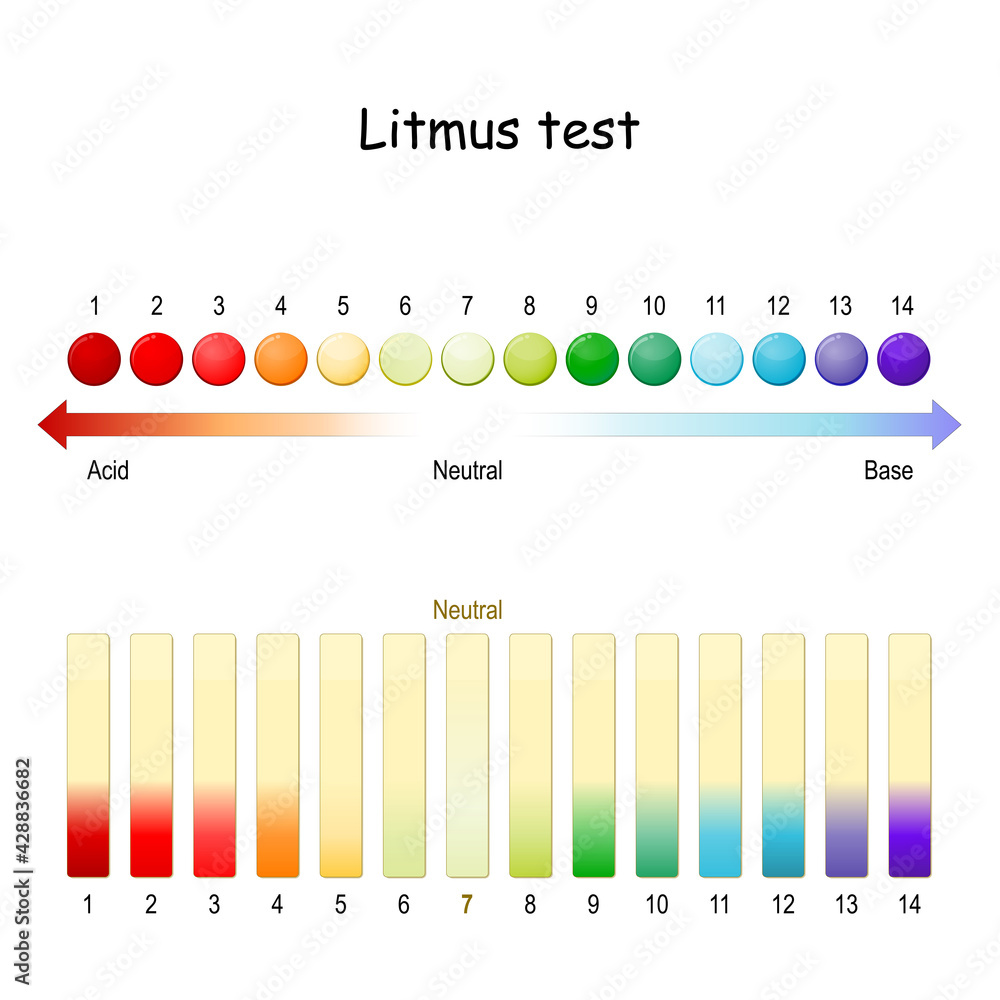
Practical Activity: Litmus Paper Testing
Safety first: wear safety glasses and gloves Test household liquids with red and blue litmus paper Record color changes and classify as acid, base, or neutral Substances to test: lemon juice, vinegar, water, baking soda solution, soap solution

Success Criteria & Next Steps
Can you describe properties of acids and bases? Can you explain the pH scale and its logarithmic nature? Can you use litmus paper to test substances? Do you understand safety protocols for handling chemicals? Next lesson: Neutralization reactions - when acids meet bases!