
Active Efforts for Indigenous Child Safety
Understanding Cultural Practice and Community Partnership Year 6 Social Sciences Australian Child Safety Principles
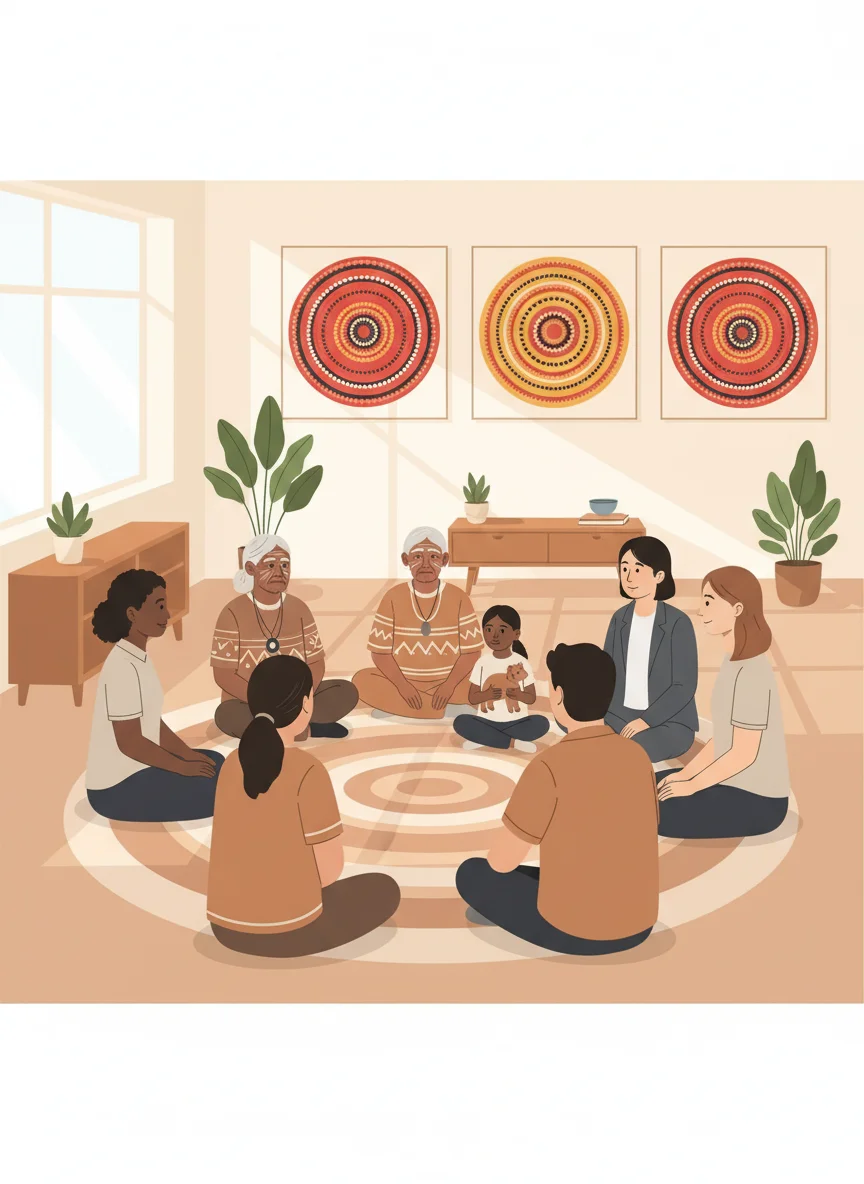
What Are Active Efforts?
Special steps taken to keep Indigenous children safe Efforts that respect Aboriginal and Torres Strait Islander culture Working with families and communities first Making sure children stay connected to their heritage
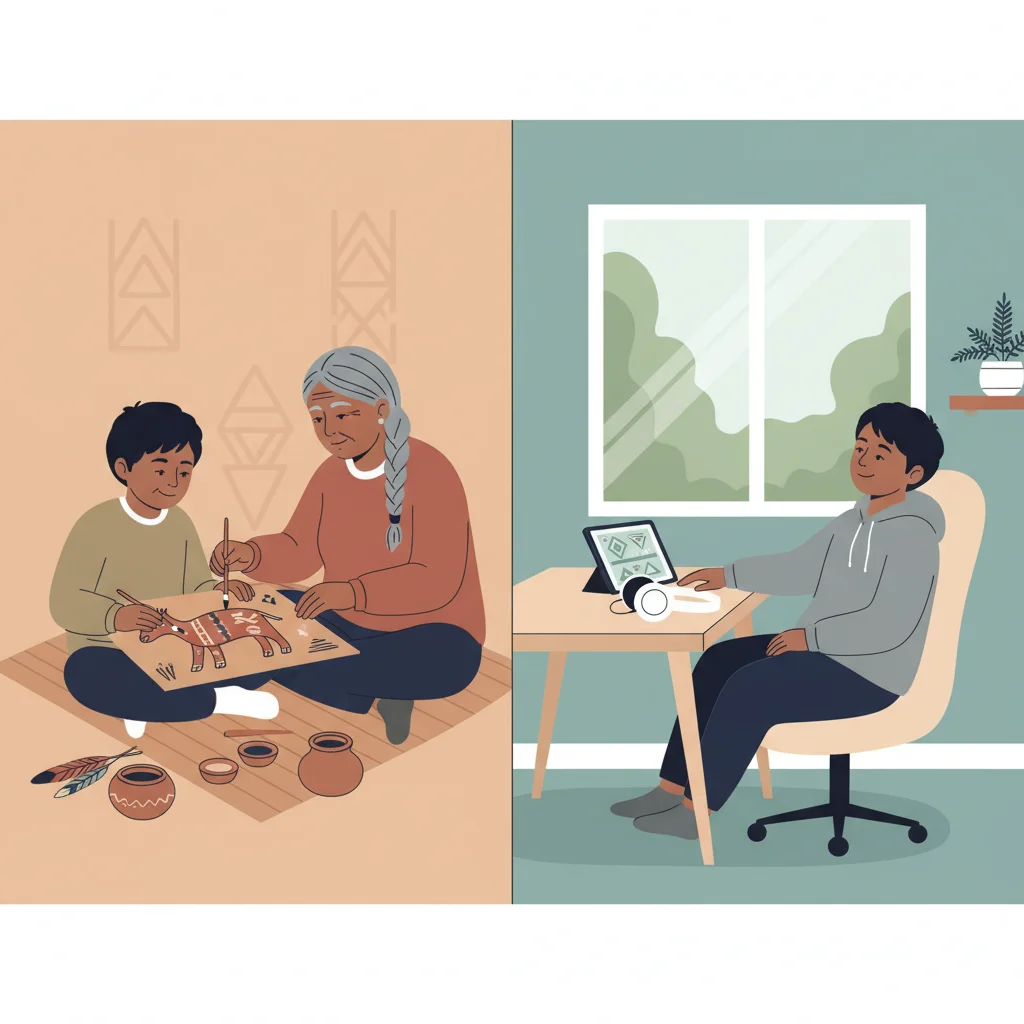
Why Active Efforts Matter
{"left":"Protect children's cultural identity\nKeep families together when possible\nRespect Indigenous knowledge and traditions","right":"Prevent children from losing connection to country\nSupport healing from past trauma\nBuild trust between communities and services"}

Who Are Cultural Practice Advisors?
Aboriginal and Torres Strait Islander professionals Experts in traditional culture and practices Bridge between communities and child safety services Provide guidance on cultural needs of children
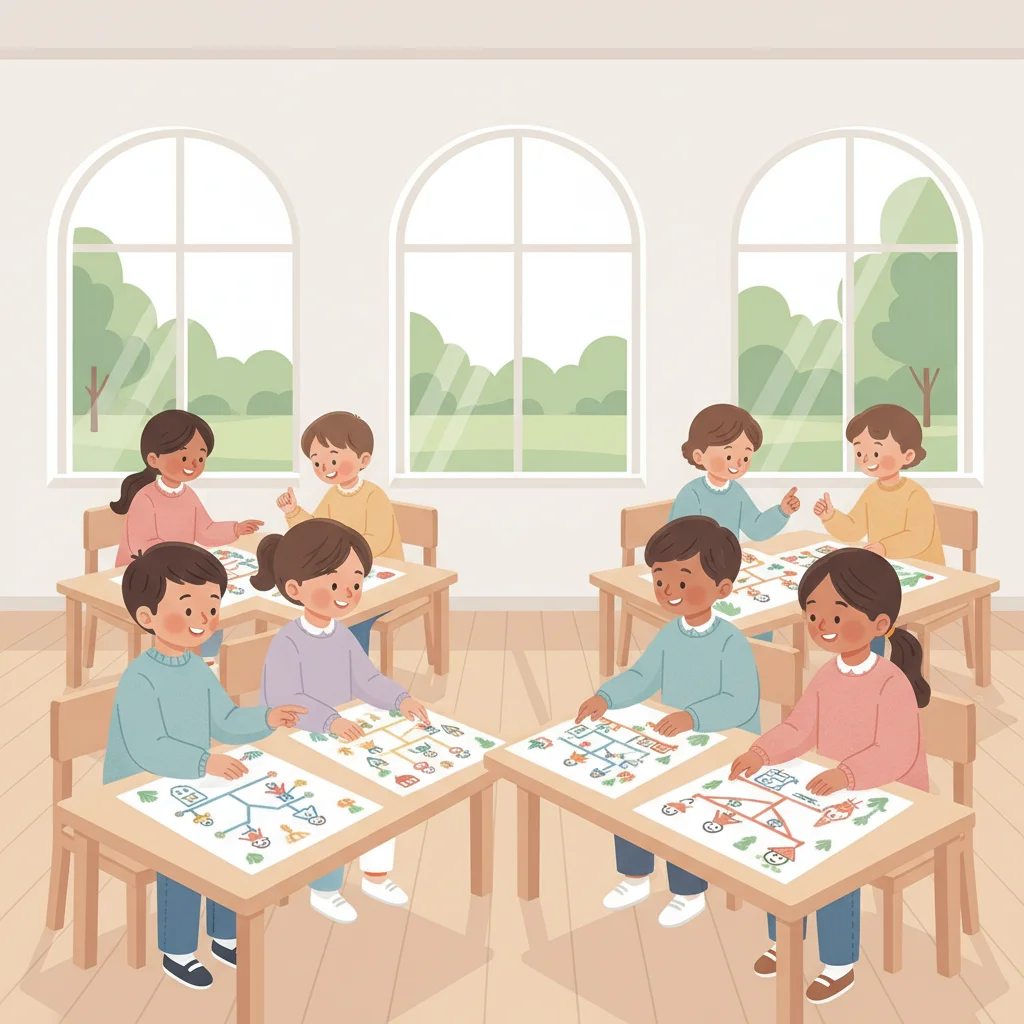
Community Connections Activity
Think about your own community connections Who are the important adults in your life? How do they help keep you safe and supported? Share one example with a partner
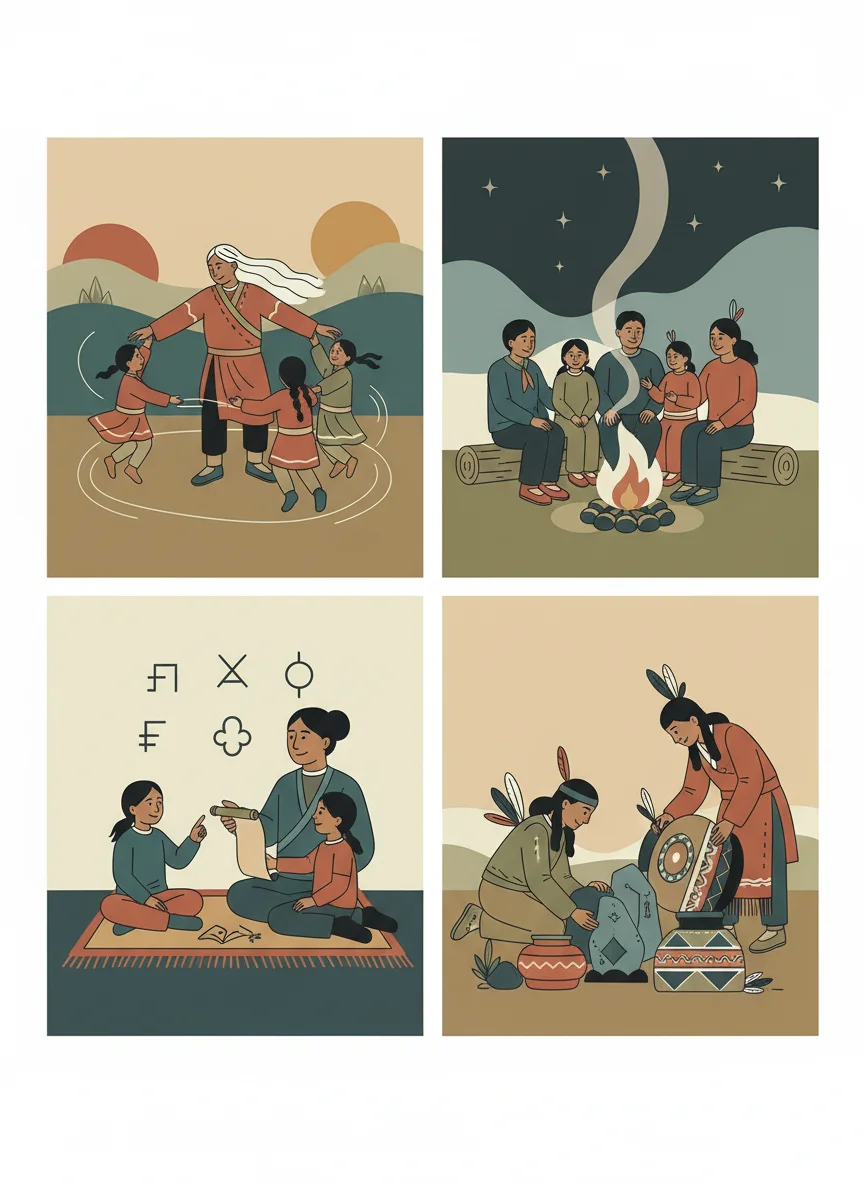
Examples of Active Efforts
Searching for family members who can care for children Connecting children with cultural mentors and elders Ensuring children learn their traditional language Providing access to cultural ceremonies and practices

Cultural Respect in Action
'Culture is not just about the past - it's about giving our children a strong foundation for their future while keeping them safe today.'

Working with Community Partners
Aboriginal and Torres Strait Islander organisations Traditional owners and land councils Cultural centers and language groups Extended family networks and kinship systems
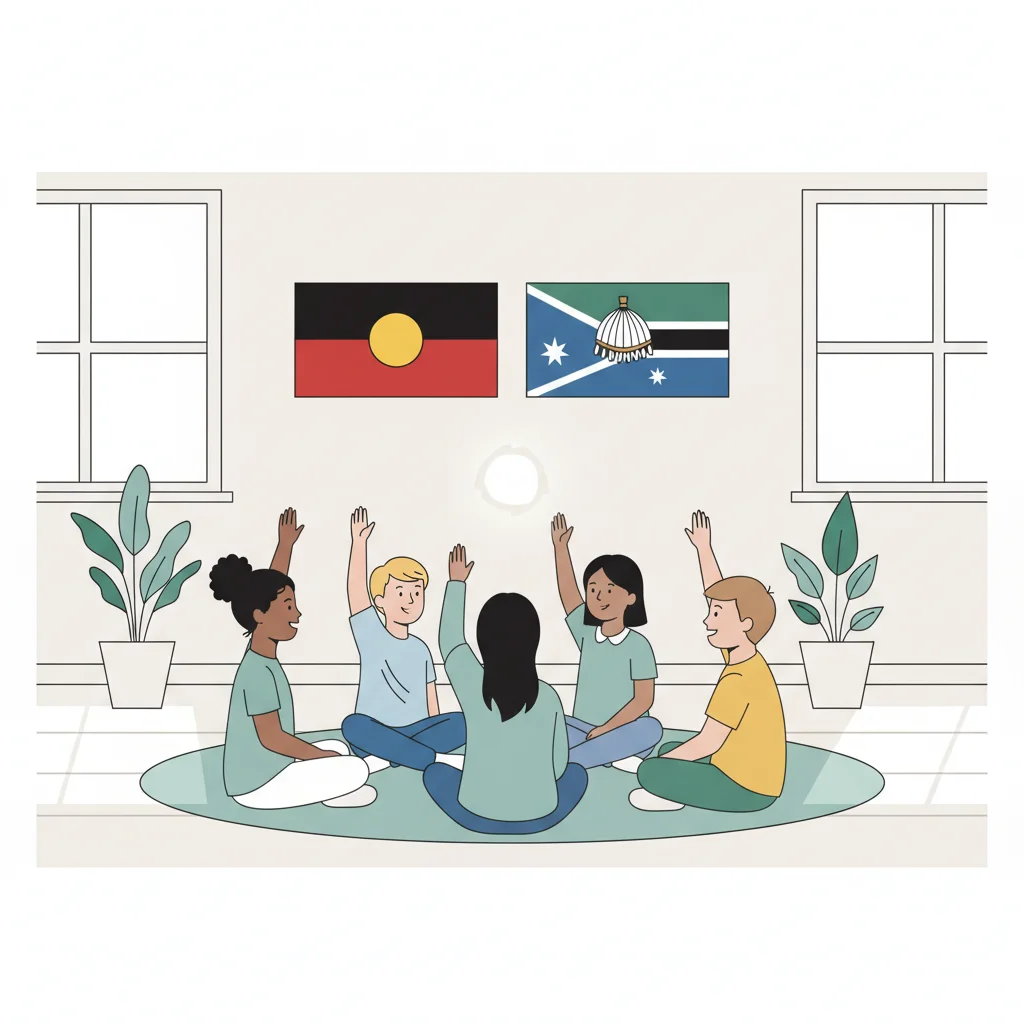
Think and Discuss
How can we show respect for Indigenous culture in our daily lives? What would it feel like to be separated from your family and culture? Why is it important to include Indigenous voices in decisions about Indigenous children?
Key Takeaways
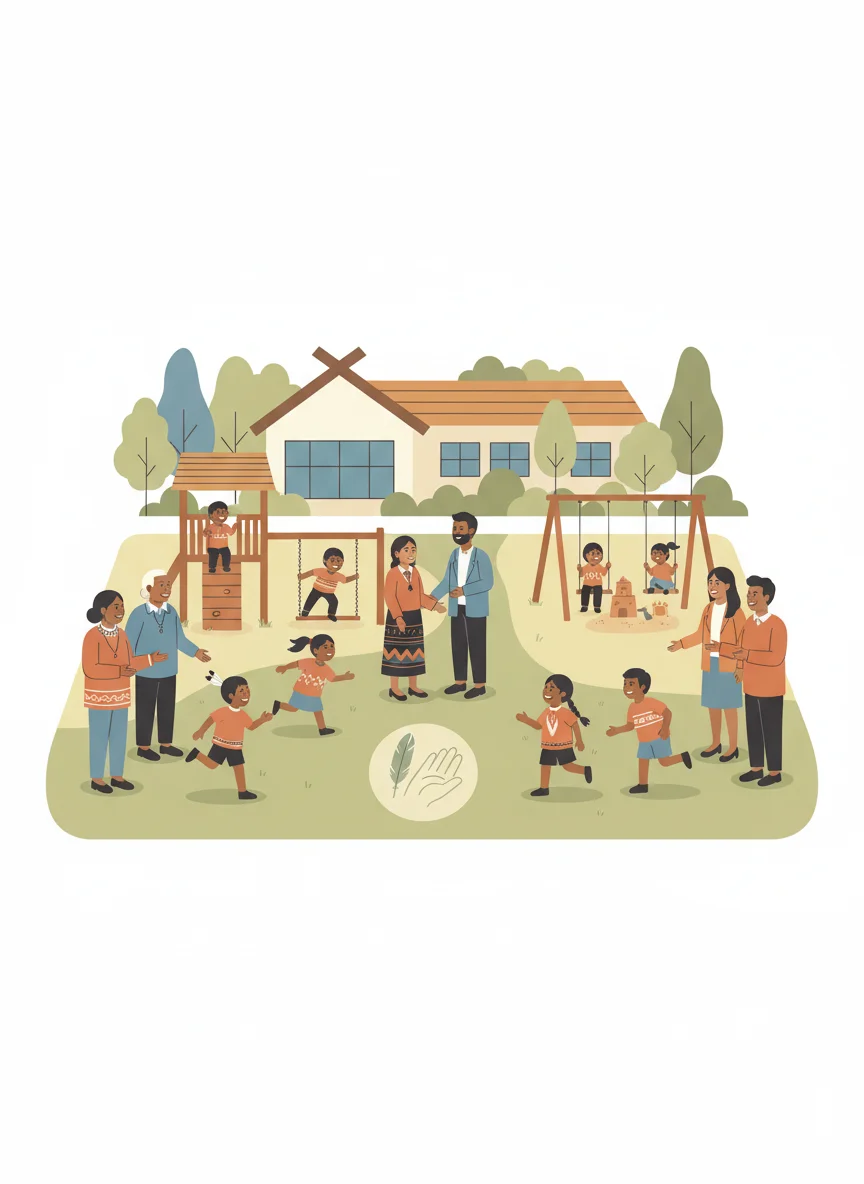
Active Efforts put Indigenous children's cultural needs first Cultural Practice Advisors provide essential expertise Community partnerships strengthen child safety outcomes Respect and understanding build trust and healing