
Ancient Egypt: Civilisation, Power and Afterlife
Year 7 Social Sciences Exploring the mysteries of one of history's greatest civilisations

The Land of the Pharaohs
Located in northeast Africa The Nile River was the lifeline of civilisation Desert provided natural protection Annual flooding created fertile farmland
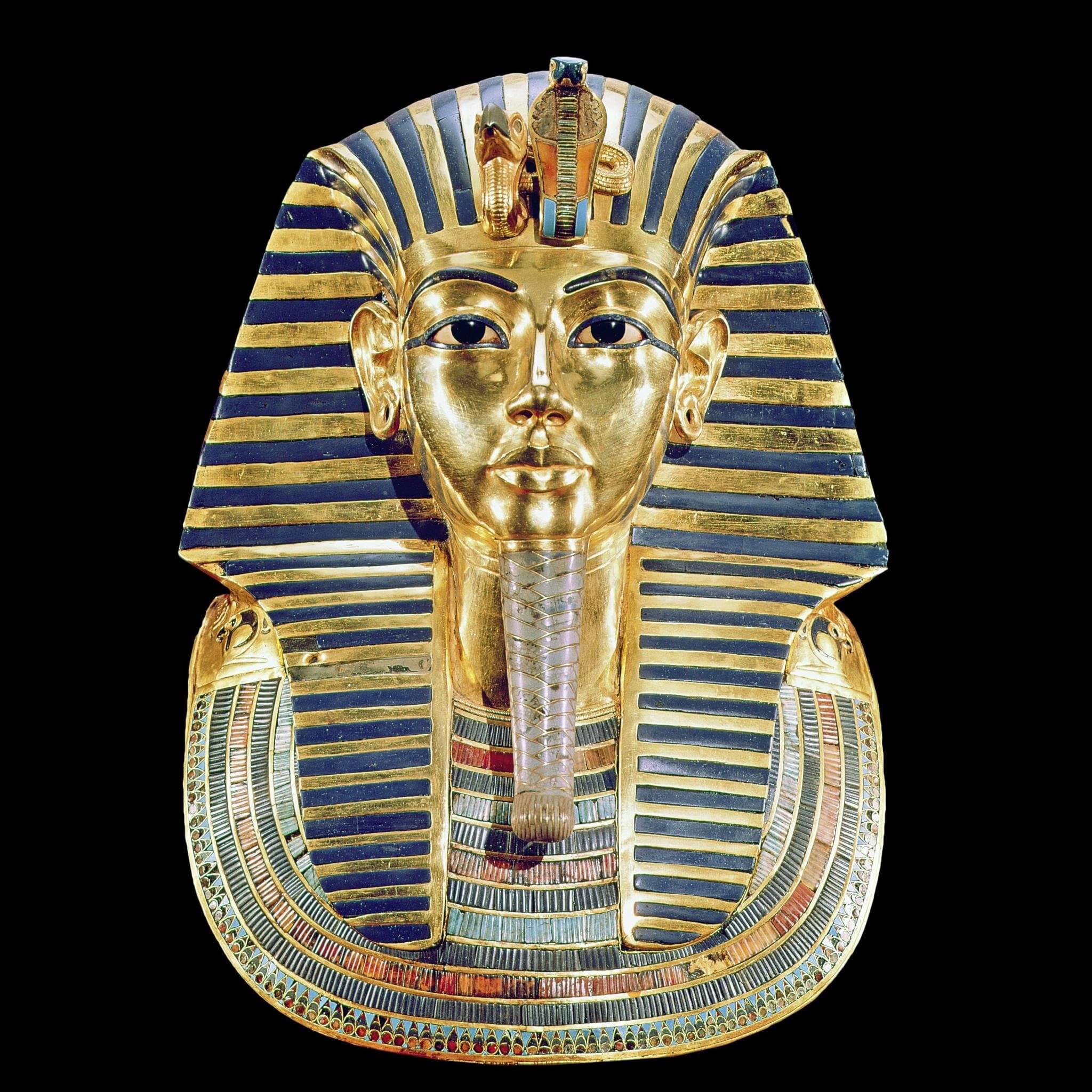
The Power of the Pharaohs
{"left":"Divine rulers chosen by the gods\nOwned all land and controlled trade\nLed armies and made all important decisions\nBuilt monuments to show their power","right":"Tutankhamun - the boy king\nRamses II - great builder and warrior\nHatshepsut - powerful female pharaoh\nCleopatra VII - last pharaoh of Egypt"}
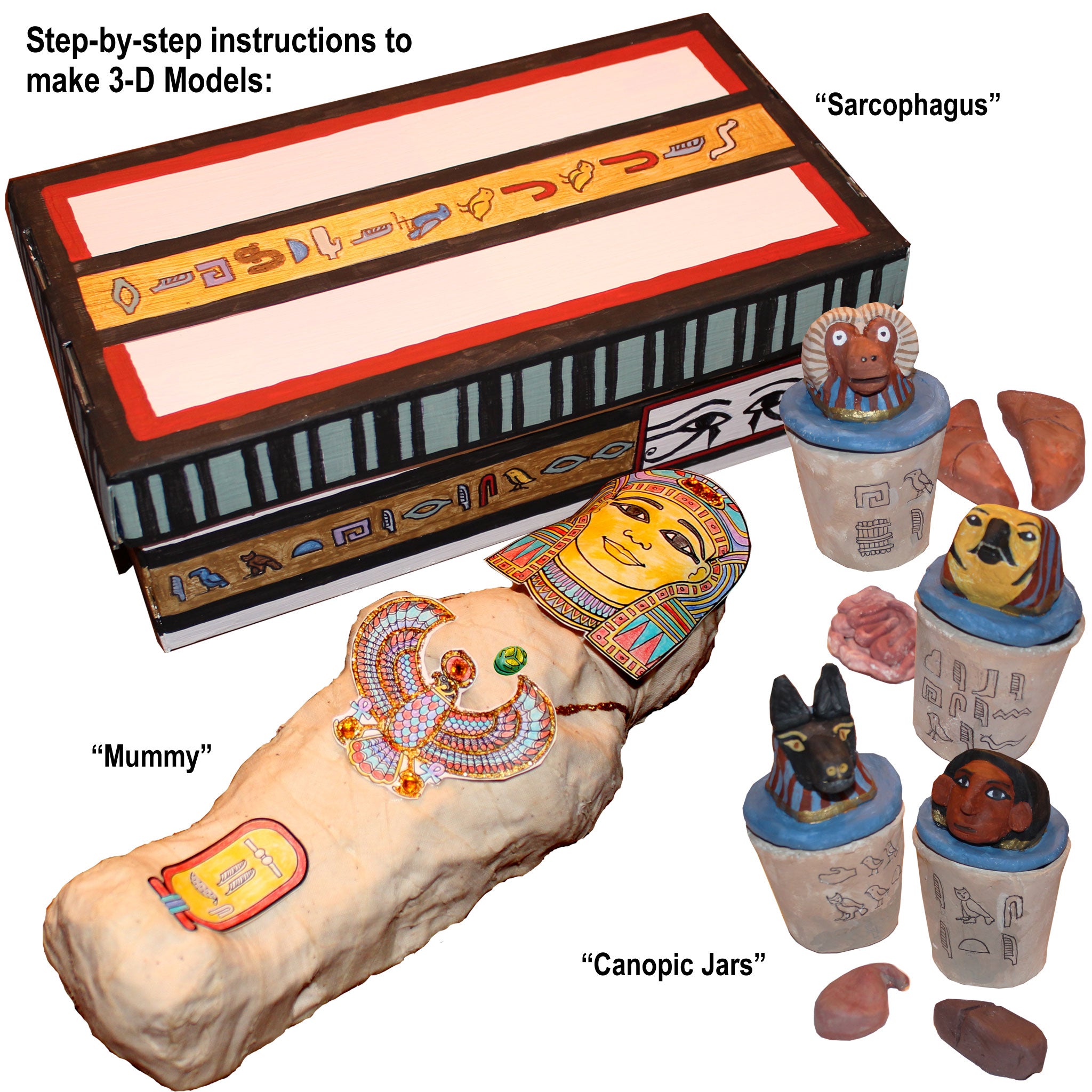
Mummification Process Activity
Step 1: Remove internal organs Step 2: Dry the body with salt Step 3: Wrap in linen bandages Step 4: Place in decorated coffin
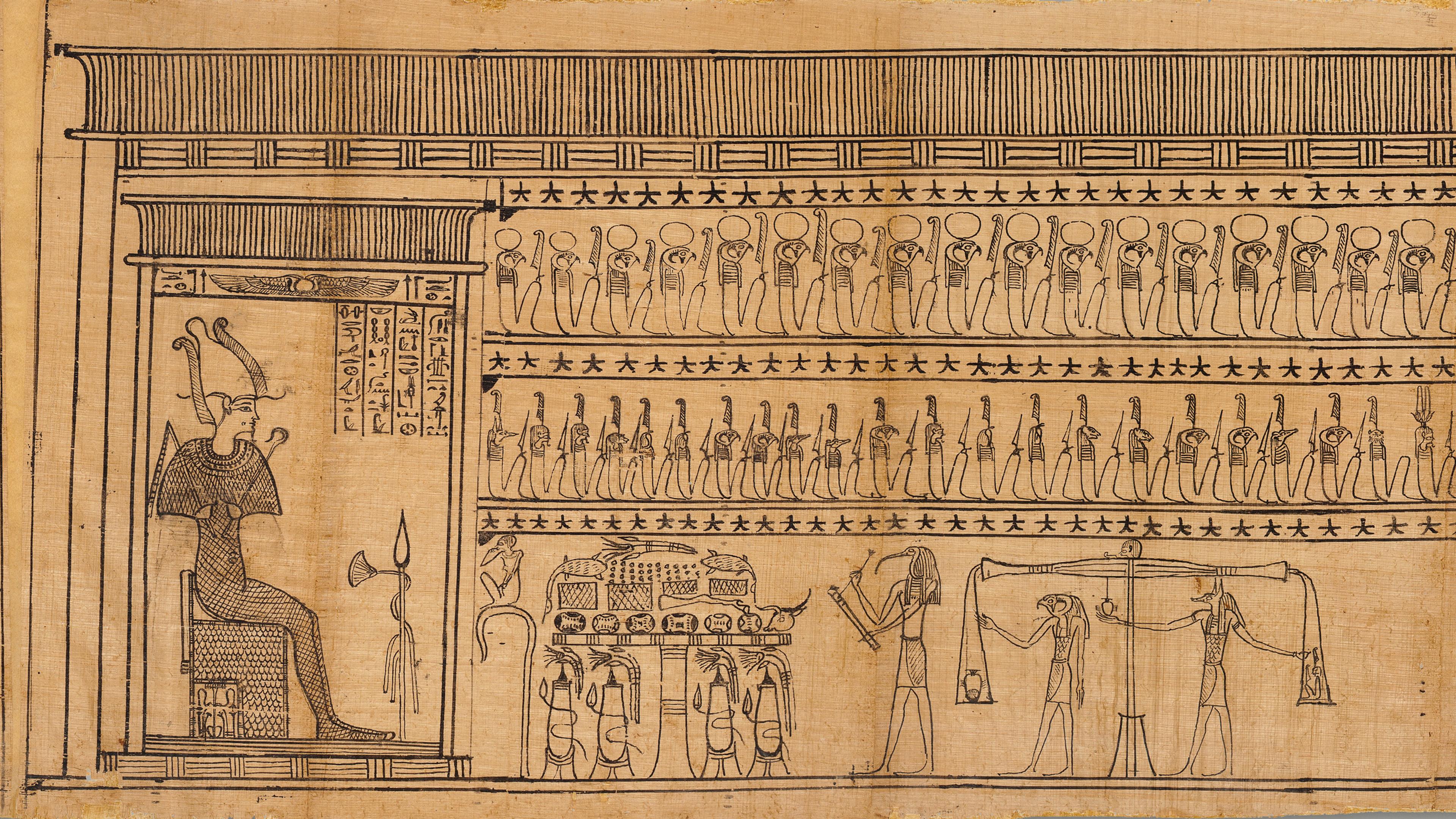
The Journey to the Afterlife
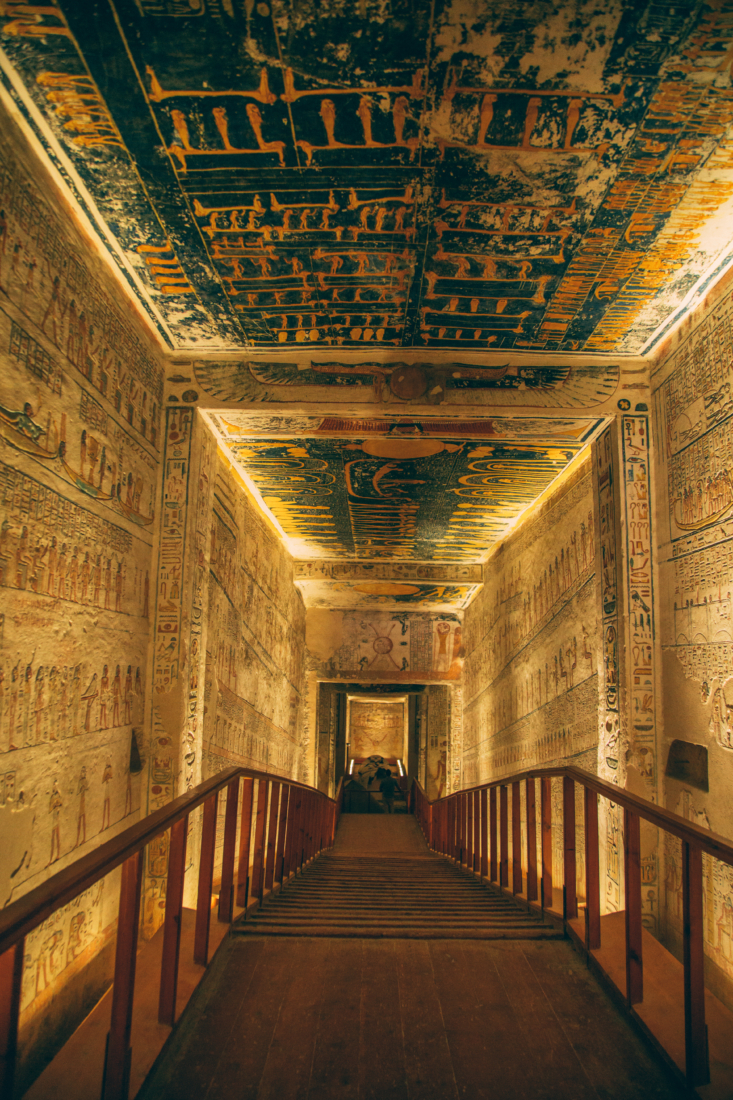
Egyptian Beliefs About Death and Afterlife
Death was a journey, not an ending The soul needed the body to survive Grave goods helped in the afterlife Only those who lived good lives could enter paradise

Think and Discuss
How did the Nile River shape Egyptian civilisation? Why were pharaohs considered so powerful? What does mummification tell us about Egyptian beliefs? How did geography protect Ancient Egypt?
Ancient Egypt's Lasting Legacy
Pyramids still stand after 4,500 years Hieroglyphic writing system Advanced medicine and surgery Influenced art and architecture worldwide Modern archaeology continues to make discoveries