Atoms: Building Blocks of Matter
Year 10 Science 60 minutes Understanding Atomic Structure

WALT (We Are Learning To)
Understand that atoms consist of protons, neutrons and electrons Learn that electrons are arranged in electron shells Identify the three main parts of an atom Draw simplified shell diagrams for different elements

Success Criteria
Identify protons, neutrons, and electrons Describe the nucleus as the centre of the atom Explain that electrons orbit around the nucleus Define electron shells as layers where electrons reside State shell capacities: 1st shell = 2 electrons, 2nd shell = 8 electrons Draw shell diagrams for hydrogen, helium and carbon
Do Now Activity
What do you already know about atoms? Draw or write anything you remember Think about what makes up matter around us
What is an Atom?
Atoms are the smallest units of matter Everything around us is made of atoms Too small to see with the naked eye Different combinations create different materials Like building blocks - combine to make everything
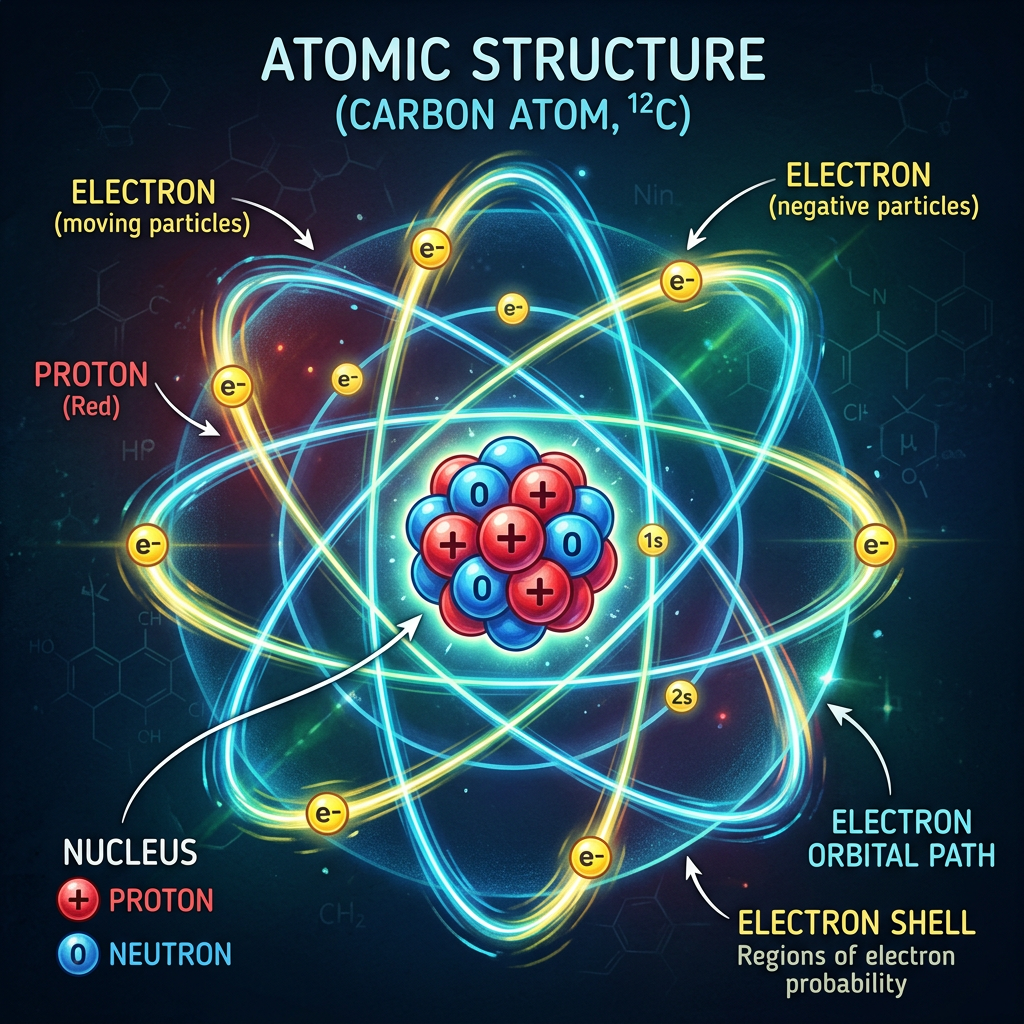
The Three Parts of an Atom
Protons - positively charged (+) Neutrons - no charge (neutral) Electrons - negatively charged (-) Each part has a specific location and role
The Nucleus - Centre of the Atom
The nucleus is at the centre of every atom Contains protons and neutrons Very small but very dense Electrons orbit around the nucleus Like planets orbiting the sun
Electron Shells - Electron Homes
Electrons live in shells around the nucleus Shells are like layers or energy levels Think of it like rows of seats in a theatre Each shell has a maximum capacity Electrons fill the closest shell first
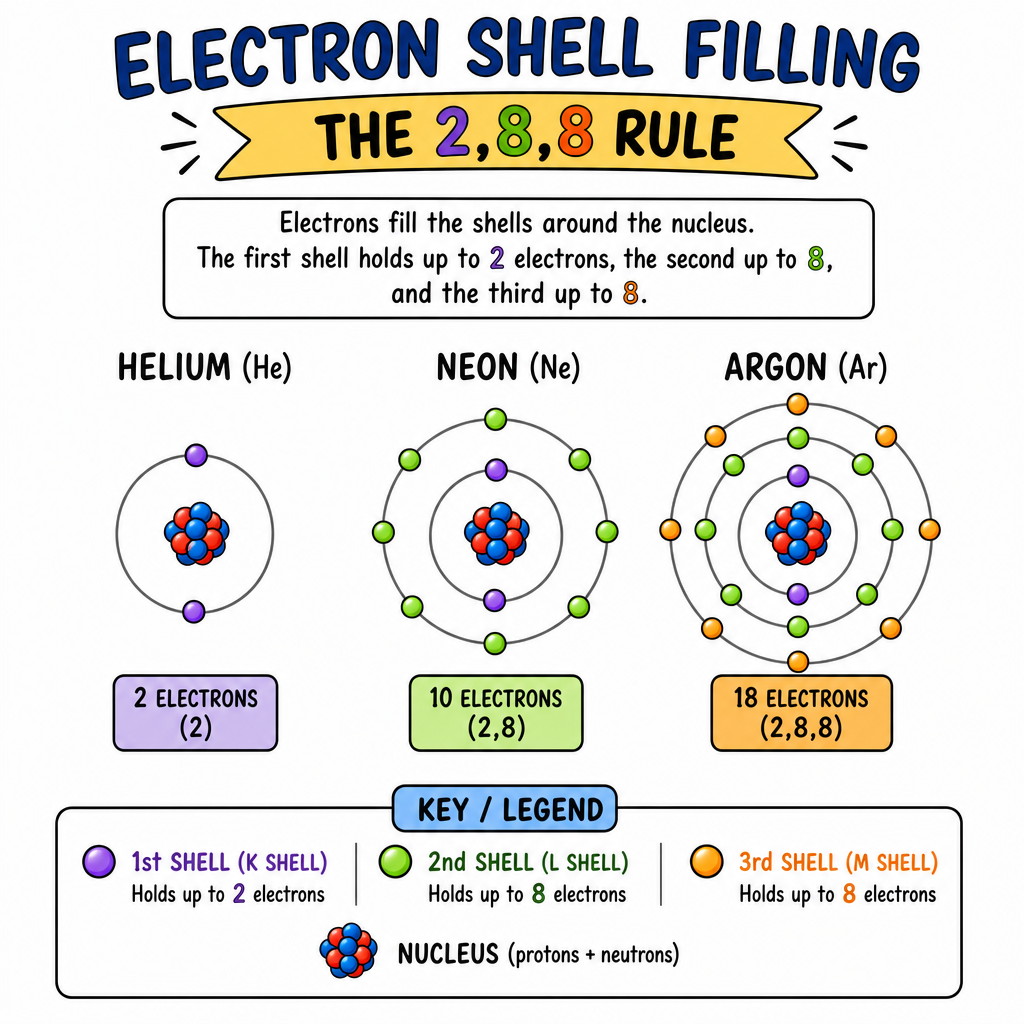
Shell Capacity Rules
First shell (closest to nucleus): 2 electrons maximum Second shell: 8 electrons maximum Electrons always fill the first shell before moving to the second These are the only two shells we need for now
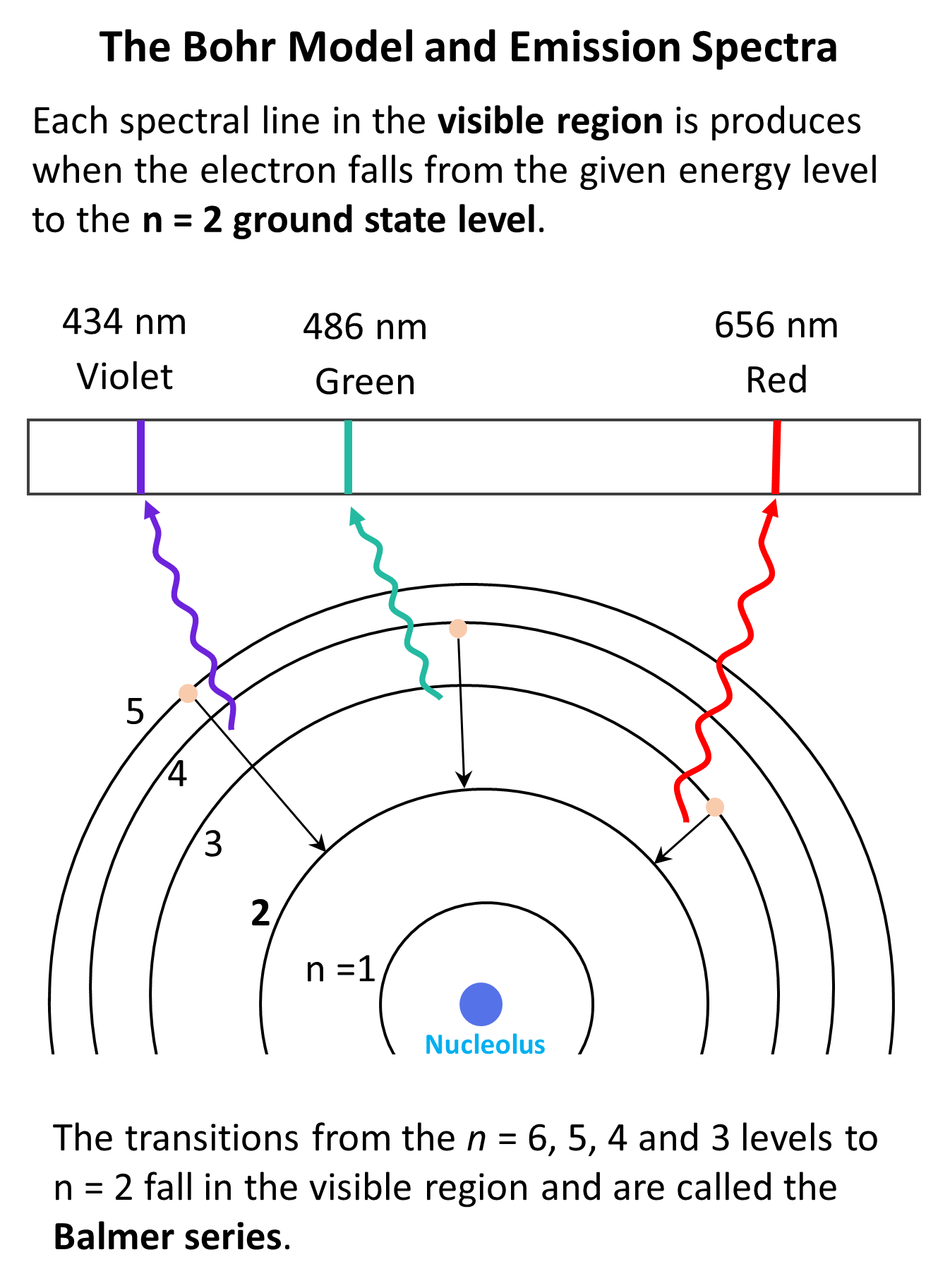
I Do: Hydrogen Shell Diagram
Hydrogen has 1 electron 1 electron goes in the first shell First shell can hold 2, so there's room for 1 more Simple but important example
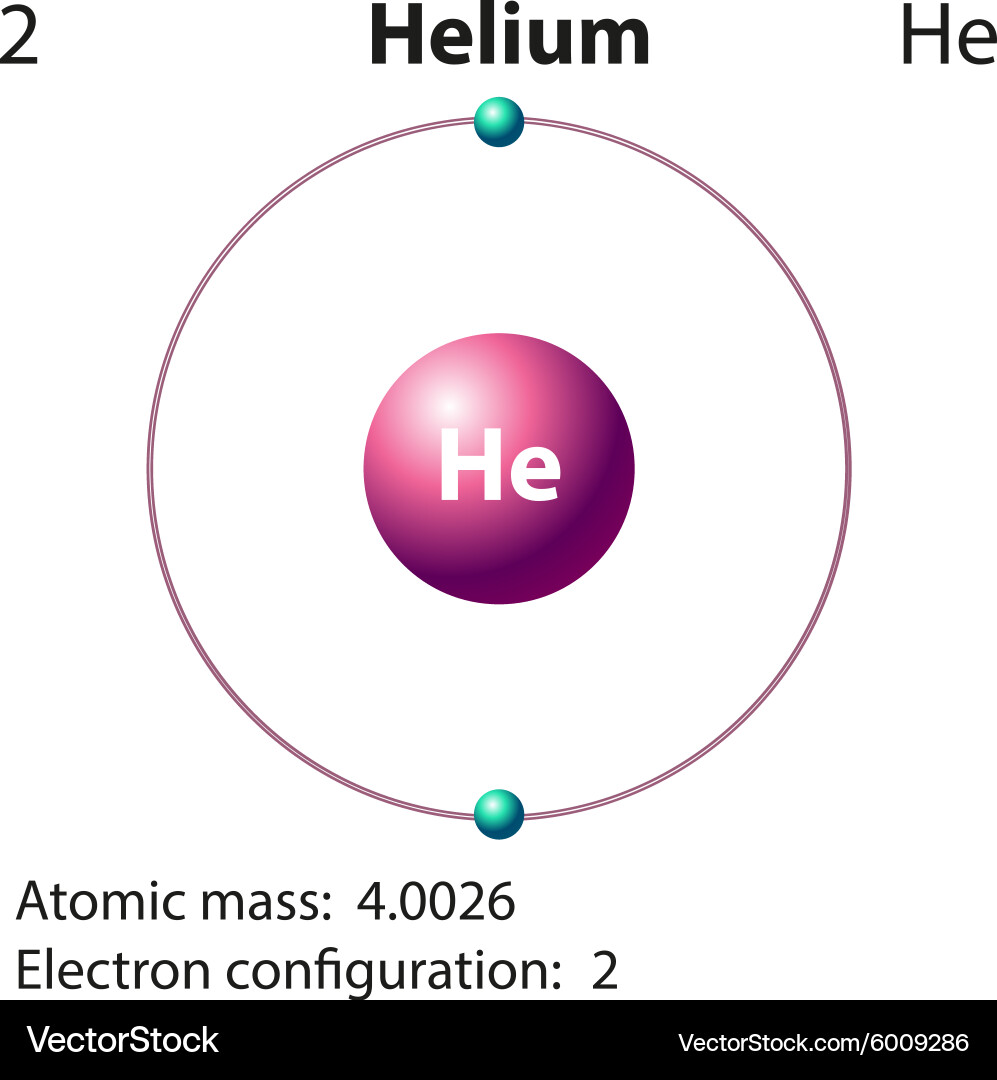
I Do: Helium Shell Diagram
Helium has 2 electrons Both electrons go in the first shell First shell is now full (2/2) This makes helium very stable

We Do: Carbon Shell Diagram
Carbon has 6 electrons total First shell gets 2 electrons (maximum) Remaining 4 electrons go in second shell Let's draw this together step by step
3 more slides available after you open the deck.
Download all 15 slides