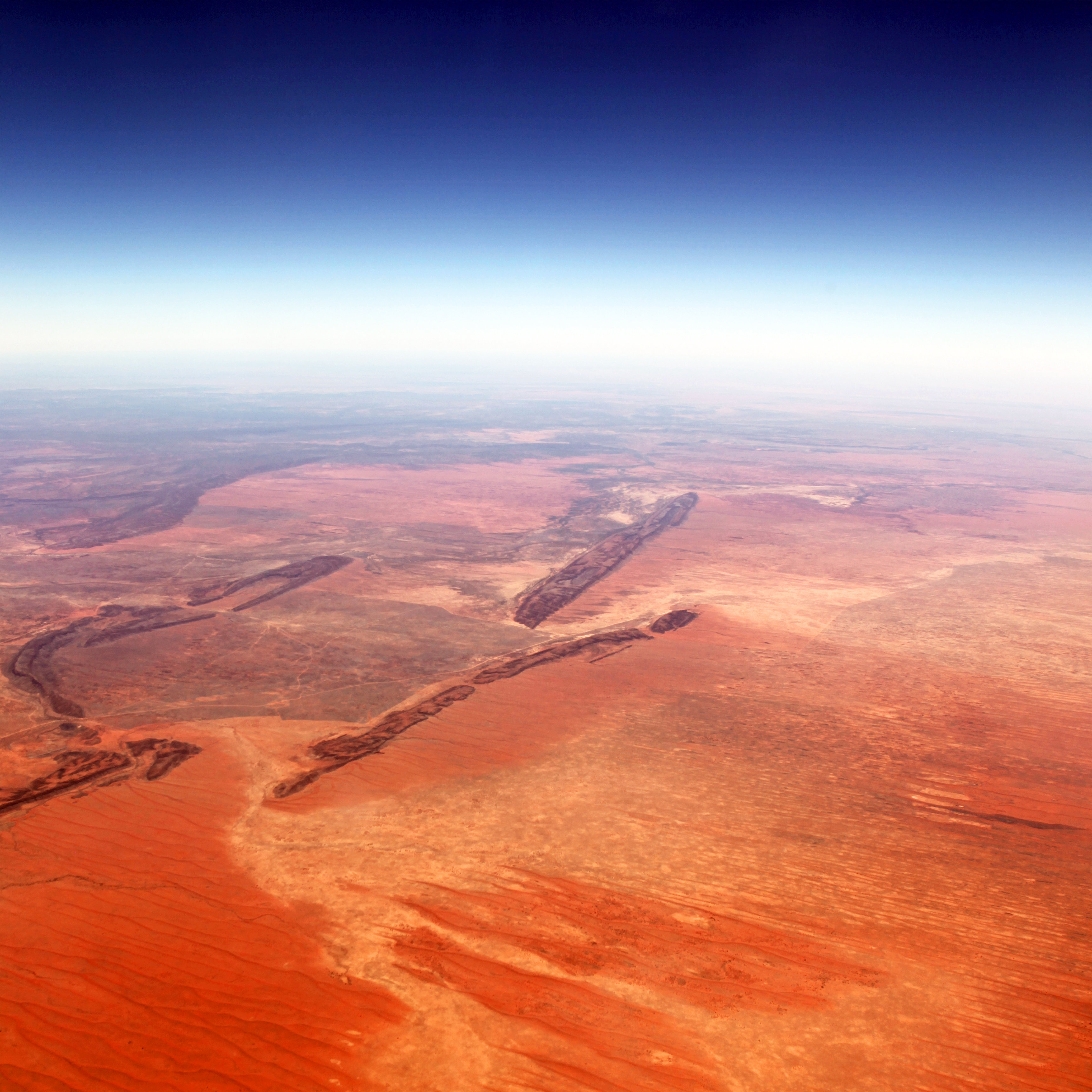
Australia's Landforms: Weathering and Erosion
Year 4 Geography Discovering how natural forces shape our land
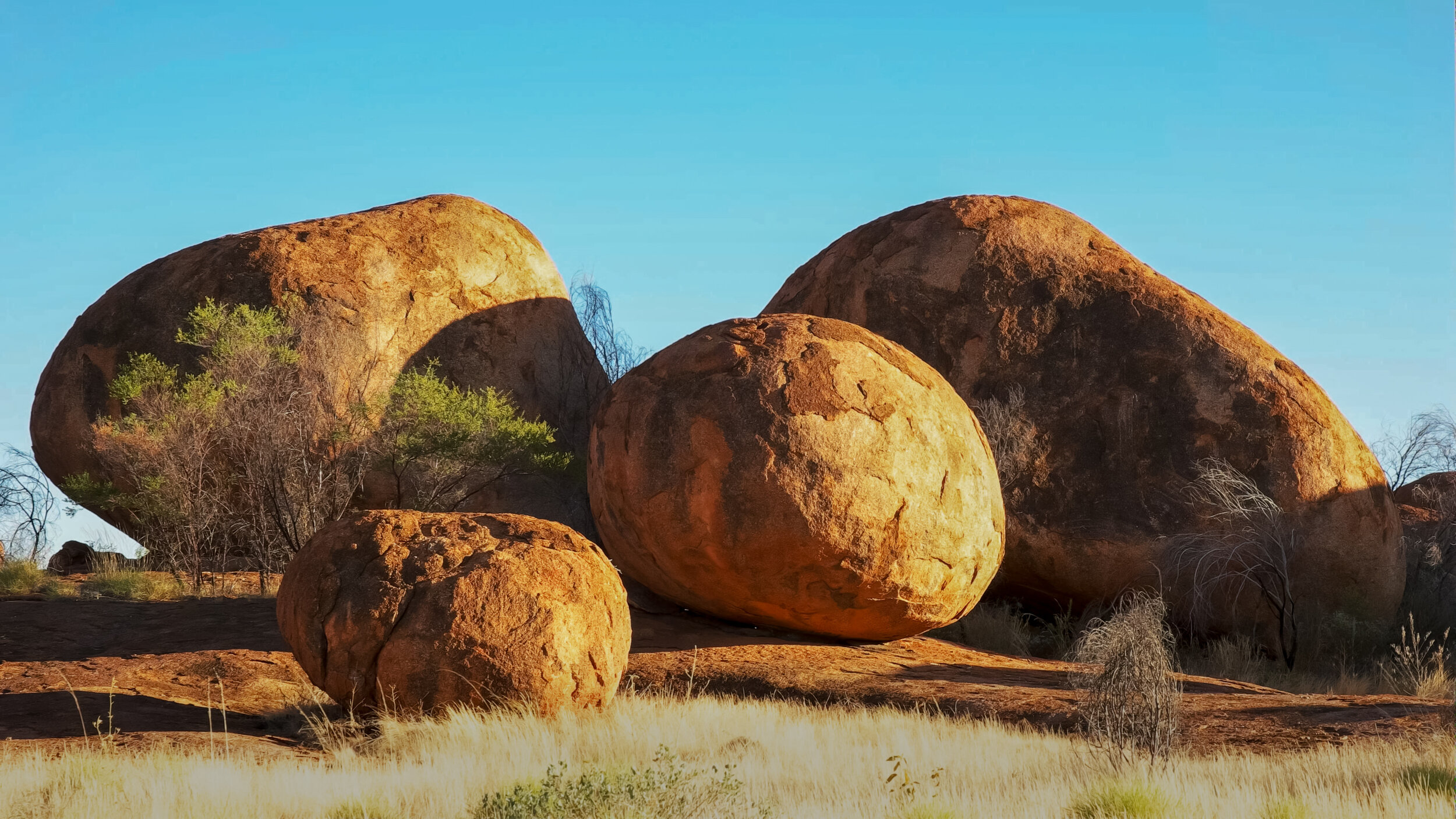
What Are Landforms?
Natural features on Earth's surface Mountains, valleys, cliffs, and plains Shaped by forces over long periods Each one tells a story of how it formed

Weathering: Breaking Down Rock
Process that breaks rocks into smaller pieces Wind, rain, and temperature changes Chemical weathering changes rock composition Physical weathering breaks rocks apart
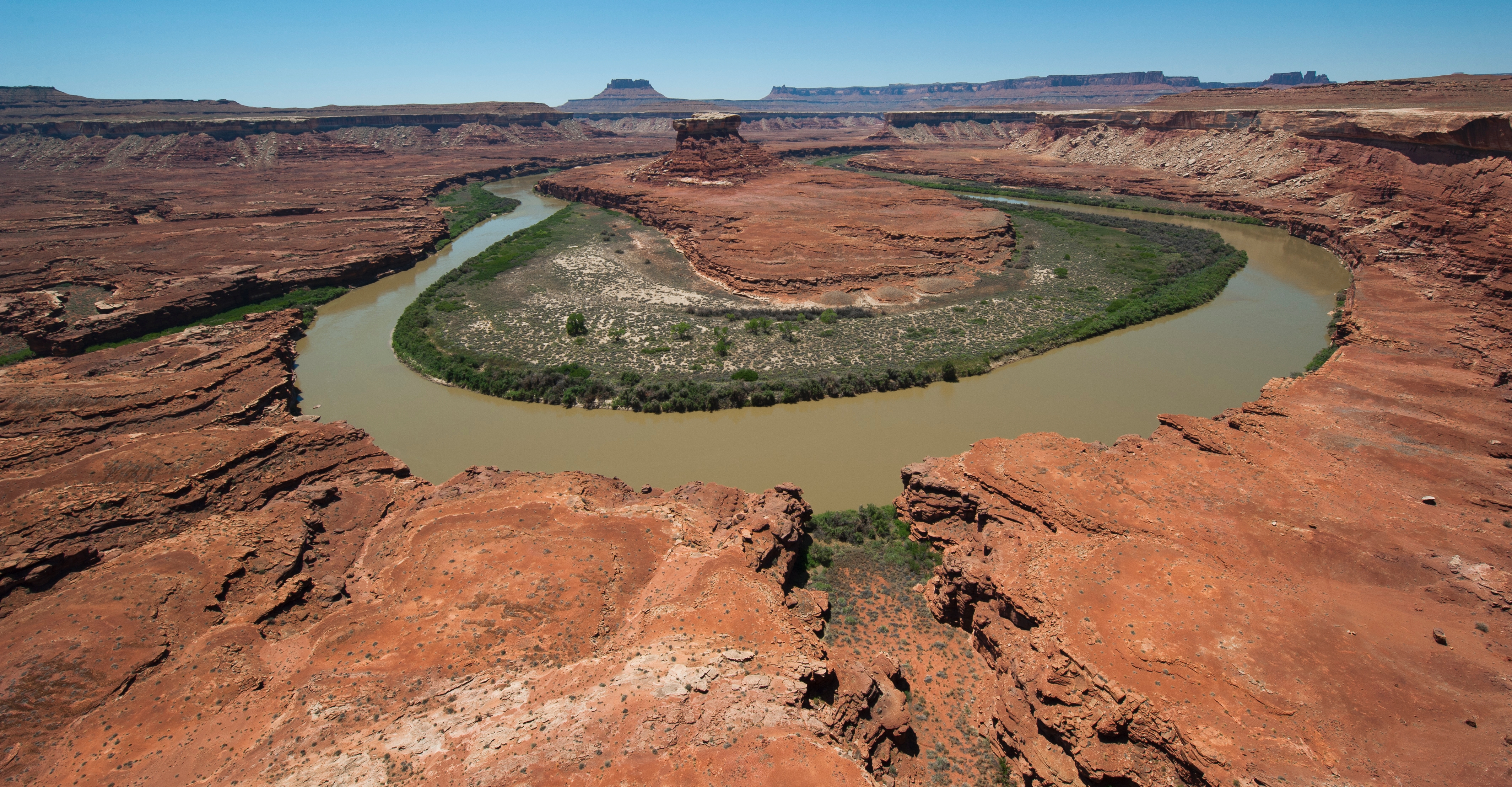
Erosion: Moving Material Away
Transport of weathered material Water is the main agent of erosion Wind can also move sand and soil Creates valleys, canyons, and river channels

The Rock Cycle: Weathering and Erosion in Action
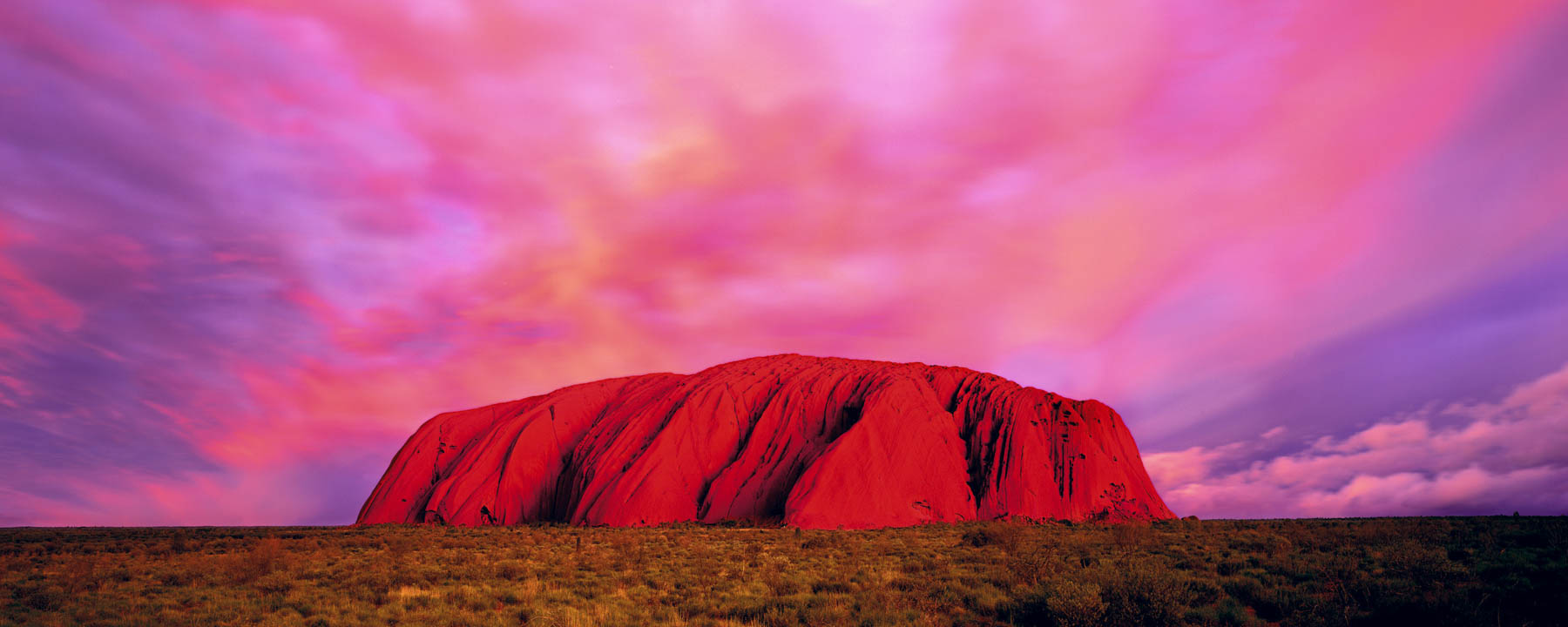
Uluru: Australia's Famous Monolith
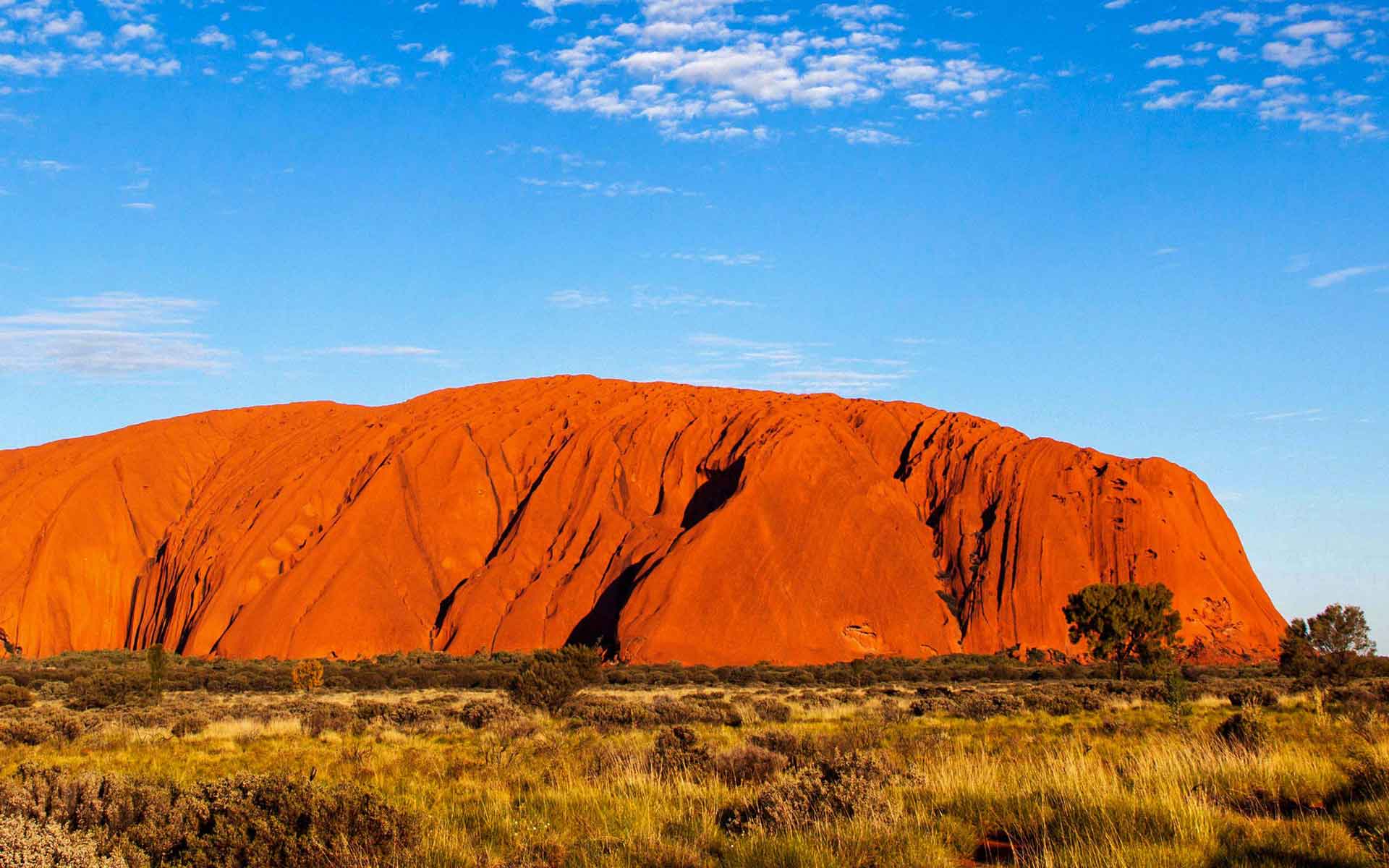
Sacred Aboriginal site in Northern Territory Made of sandstone formed 550 million years ago Weathering creates its rounded shape Iron in rock gives it red color
Wave Rock: Western Australia's Wonder
Located near Hyden in Western Australia Granite formation shaped like a giant wave Created by chemical weathering over 2.7 billion years Colorful stripes from mineral deposits
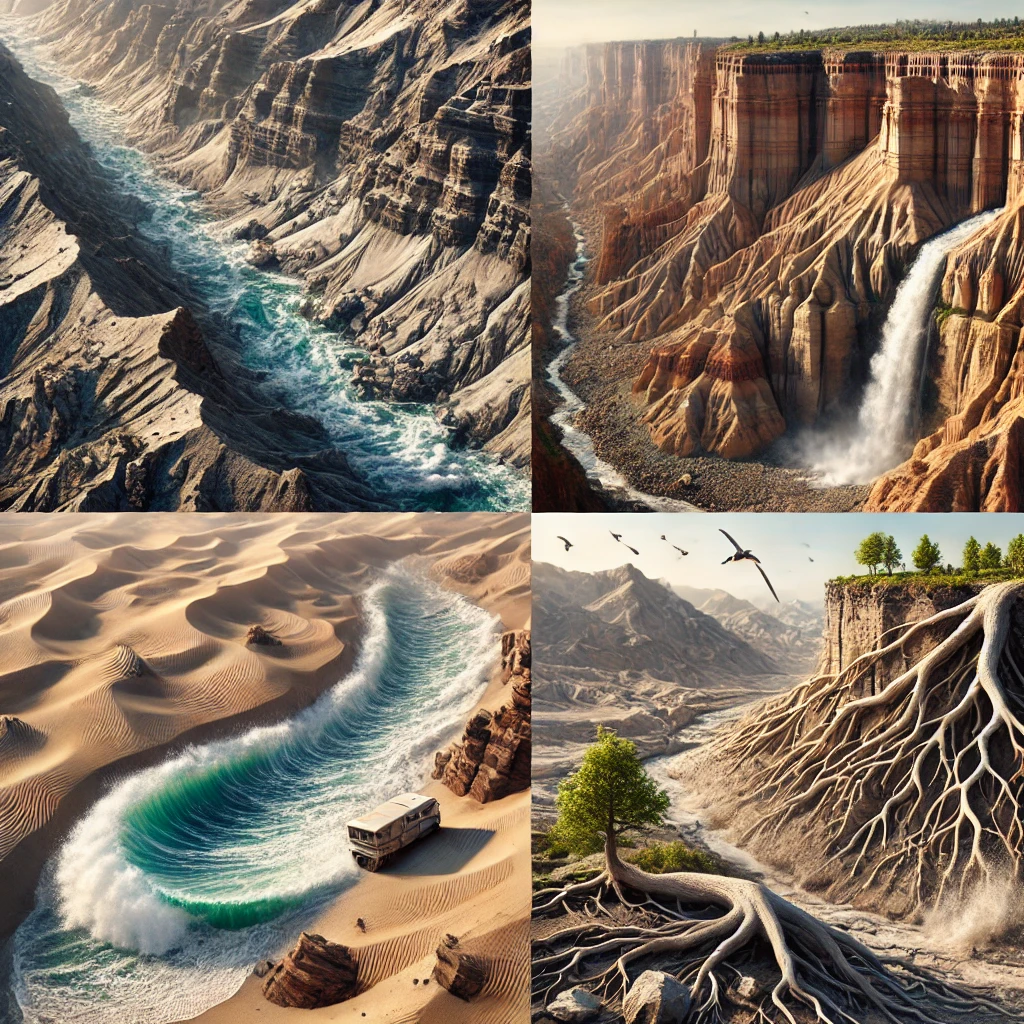
Weathering vs Erosion: What's the Difference?
{"left":"Weathering breaks rocks down in place\nHappens slowly over long periods\nCreates smaller rock pieces and soil","right":"Erosion moves weathered material away\nCan happen quickly during storms\nTransports material to new locations"}

Research Activity: Choose Your Landform
Select a famous Australian landform to research Find out how weathering and erosion shaped it Create a fact sheet with photos and information Present your findings to the class
Summary: Australia's Changing Landscape
Weathering breaks down rocks over time Erosion moves material to create new features These processes continue today Australia's landforms tell stories millions of years old