Australians at Gallipoli: Voices From War
Year 9 History Exploring WWI through Primary Sources 75 minutes

Do Now: Quick Recap
What was the Gallipoli Campaign? Why was the Dardanelles Strait important? Who were the ANZACs? Name one challenge soldiers may have faced at Gallipoli

Gallipoli: Strategic Location

Map Activity: Understanding the Terrain
Label the Gallipoli Peninsula and Dardanelles Strait Shade Allied and Ottoman territories in different colors Draw arrows showing the direction of Allied invasion Consider: How might geography make this battle difficult?

Conditions at Gallipoli
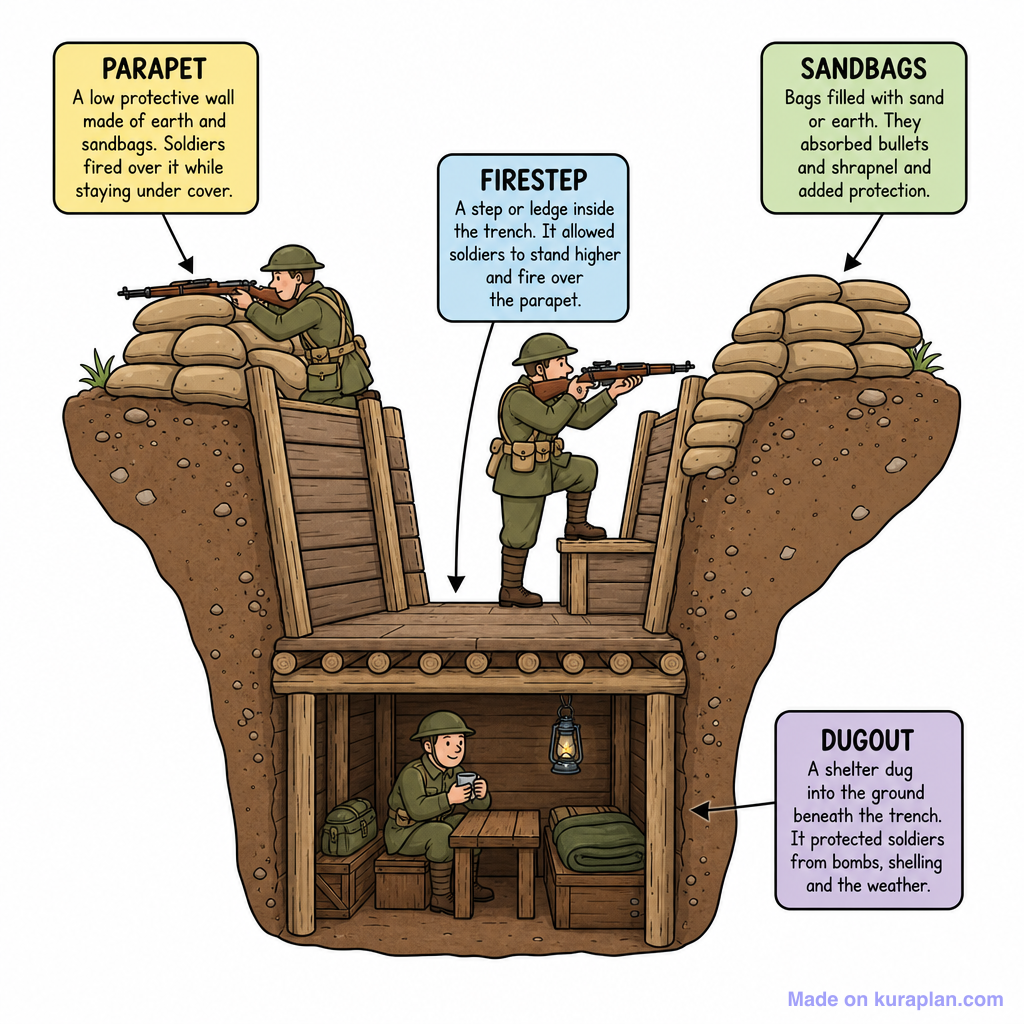
Trench warfare in extreme heat Disease, flies, and water scarcity Constant shellfire and sniper fire Isolation and homesickness High casualty rates

Think About It
Which of these challenges would be the hardest to endure? How might isolation from home affect a soldier's mental health? Why are personal accounts important for understanding history?

Primary Sources: Windows to the Past
First-hand accounts from people who were there Letters, diaries, photographs, interviews Help us understand emotions and experiences Each type of source has strengths and limitations

Source Station 1: Soldier's Letter Home
Read the letter excerpt carefully What type of source is this? What challenges does the soldier describe? How does the soldier feel? Why is this useful to historians?

Source Station 2: Diary Entry
Examine the diary entry about landing at Gallipoli What emotions does the diary reveal? What details help us understand the landing? Why might diaries provide honest views? What are the limitations of diary sources?

Source Station 3: Oral History Video
Watch the veteran's interview carefully What memories stand out most? How does hearing the voice add meaning? What difficulties are mentioned? Why are oral histories valuable to historians?

Source Station 4: Photograph Analysis
Study the photograph carefully Describe what you see in detail What does it suggest about living conditions? What can photographs show historians? What can't photographs tell us?

Comparing Our Sources
Which source was most powerful for you? Did all sources present similar experiences? How do different perspectives help historians? Why use multiple sources rather than just one?
3 more slides available after you open the deck.
Download all 15 slidesMore Gallipoli Campaign slide decks
Other ready-to-teach decks on gallipoli campaign.

Free WW1 images
Drop these illustrations straight into your lesson.