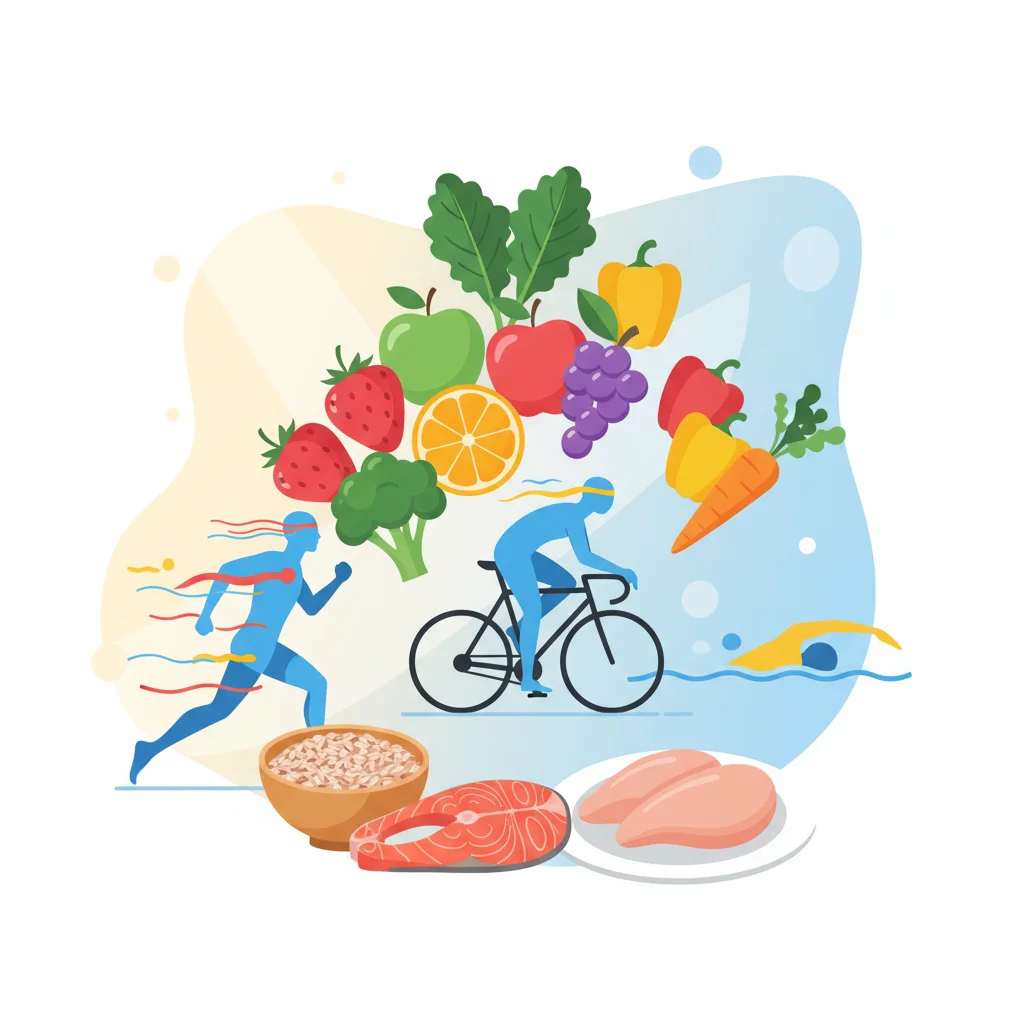
Balanced Energy: Fuelling Your Best Life
Year 10 Health Nutrition & Physical Activity 50 minute lesson
Learning Intentions
Explain how nutrients provide energy and support body functions Describe the link between diet, physical activity and chronic disease prevention Recognise nutritional needs of different population groups Analyse personal eating and activity patterns for improvement
Nutrients Role Brainstorm
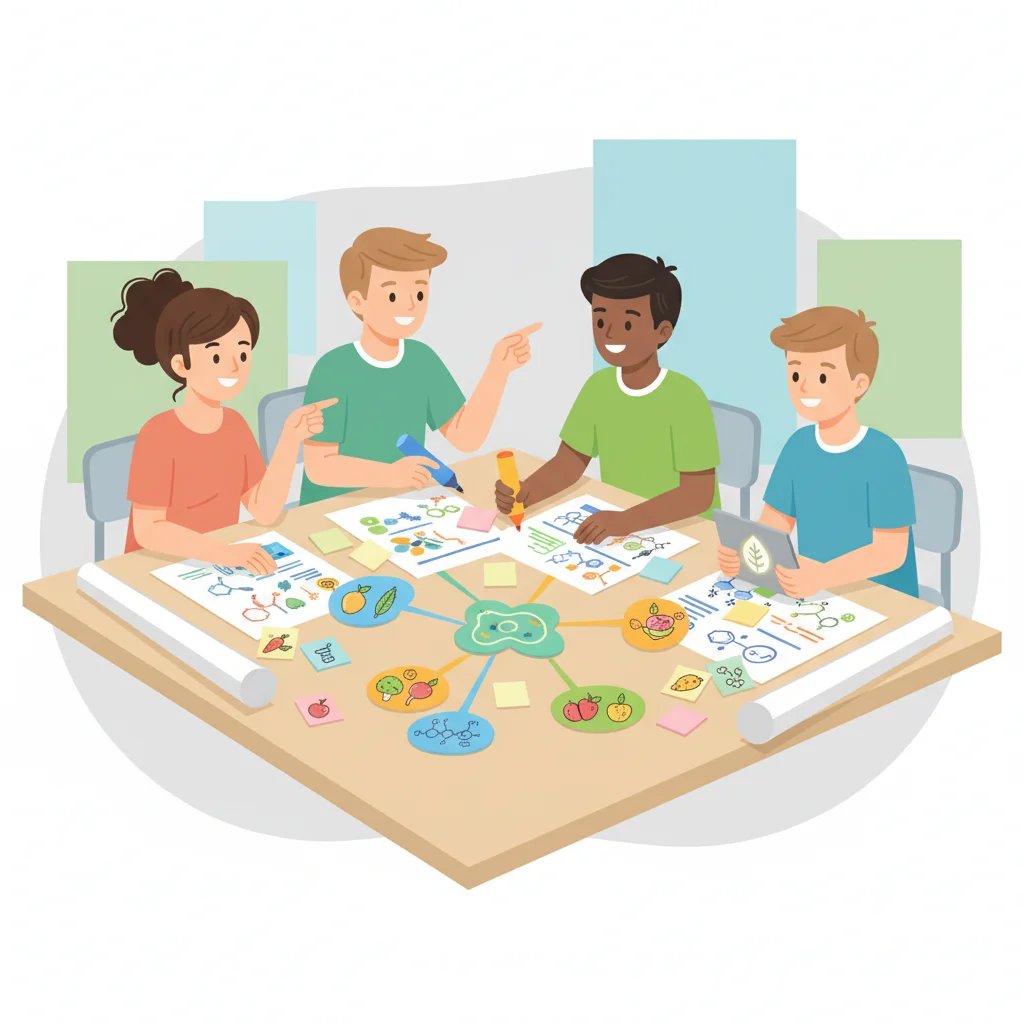
Form groups of 4 students Brainstorm different nutrients and their roles Create a mind map: Carbohydrates, Proteins, Fats, Vitamins, Minerals, Water Share findings to build class understanding
Essential Nutrients & Their Roles
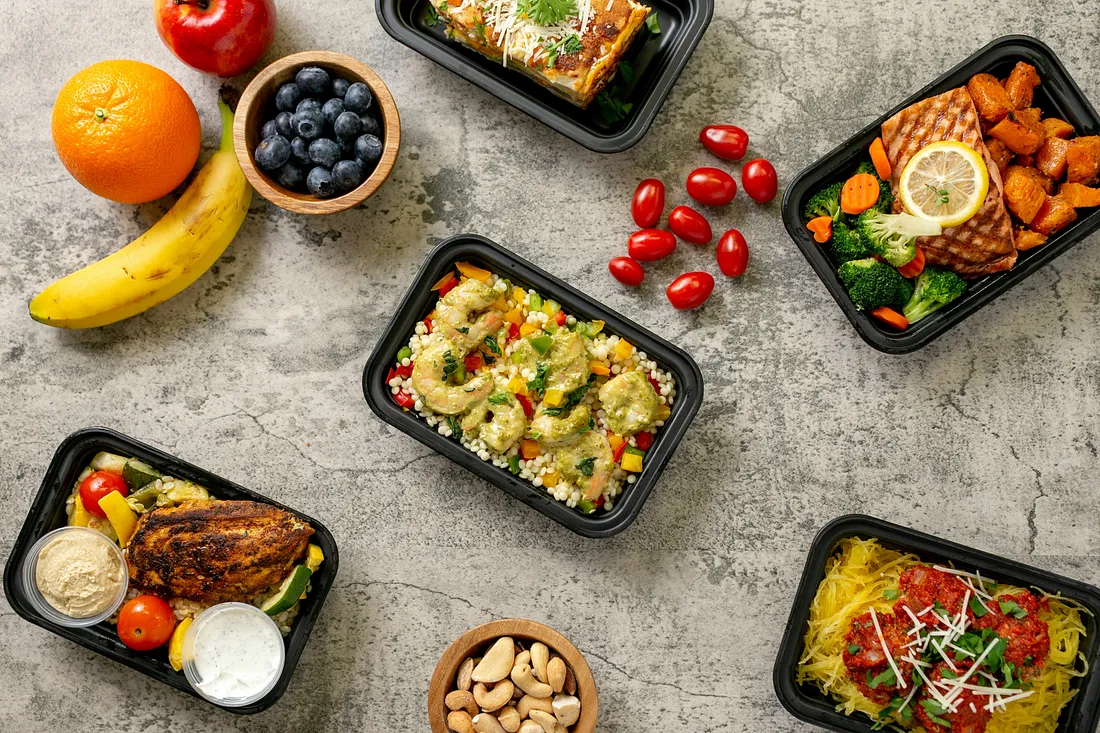
Carbohydrates: Primary energy source for brain and muscles Proteins: Growth, repair, and maintenance of body tissues Fats: Energy storage, vitamin absorption, cell membranes Vitamins & Minerals: Support immune system and body processes Water: Temperature regulation, nutrient transport, waste removal
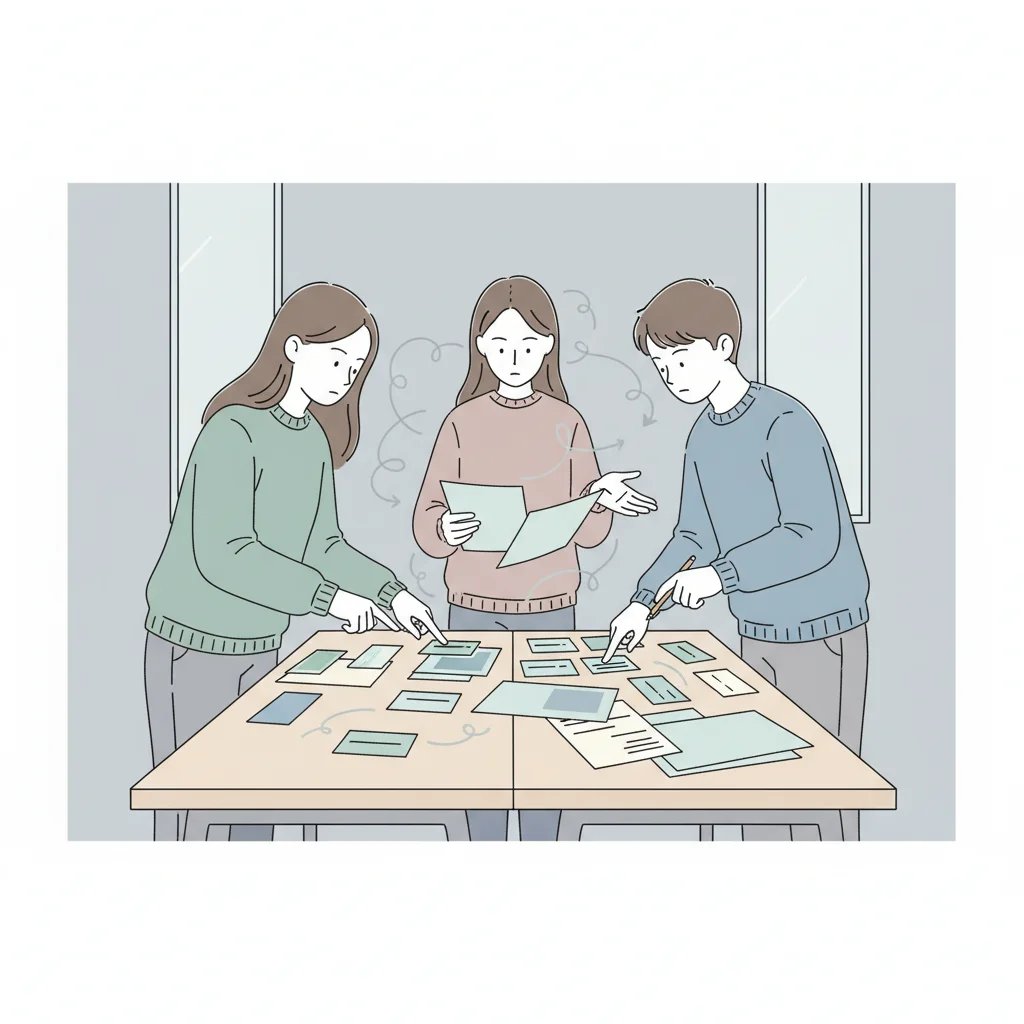
Case Study: Chronic Diseases & Diet
Examine case study cards describing different Australians Identify links between eating habits, activity levels and disease risk Focus on heart disease, type 2 diabetes, and some cancers Present group findings on lifestyle-disease connections
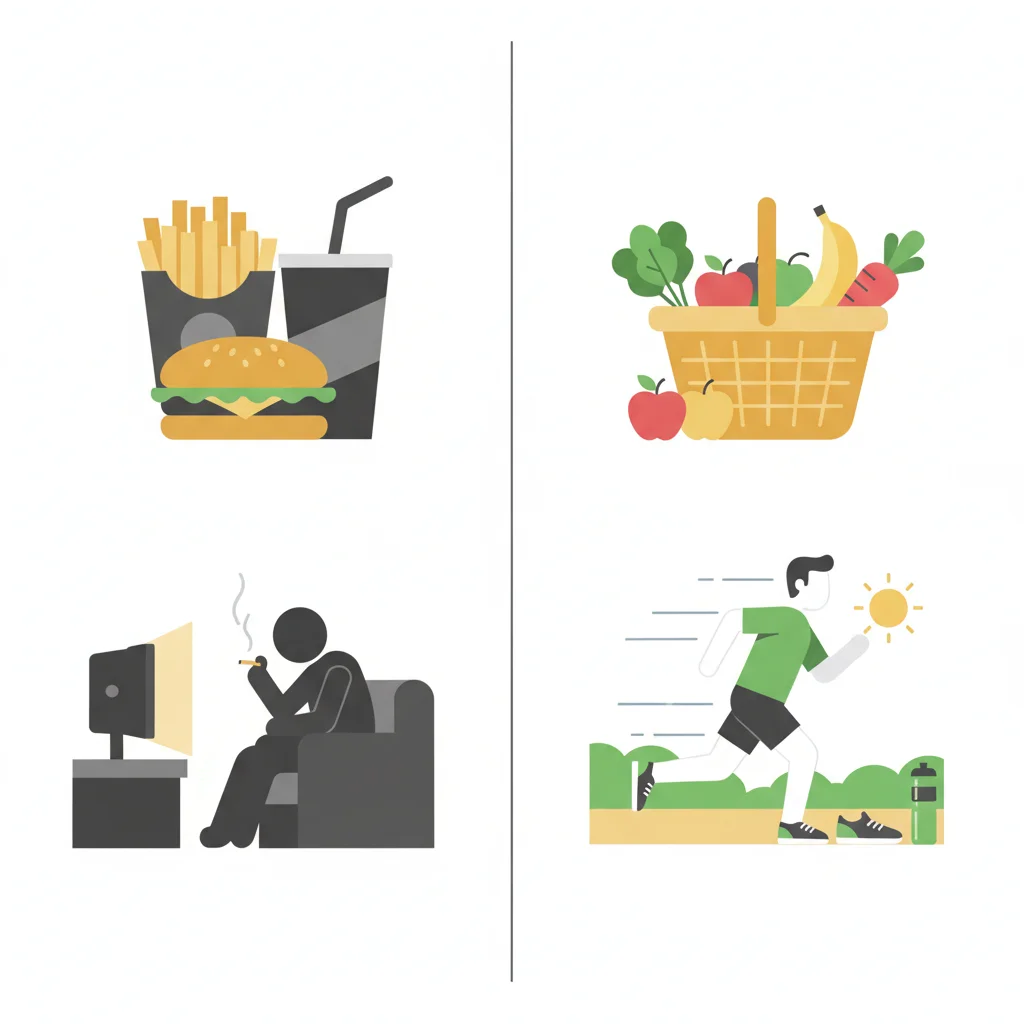
Lifestyle Factors & Chronic Disease Risk
{"left":"High processed food intake\nLow fruit and vegetable consumption\nSedentary lifestyle\nExcessive sugar and saturated fat\nSmoking and excessive alcohol","right":"Balanced, varied diet\nRegular physical activity\nAdequate fruit and vegetables\nLimited processed foods\nHealthy weight maintenance"}
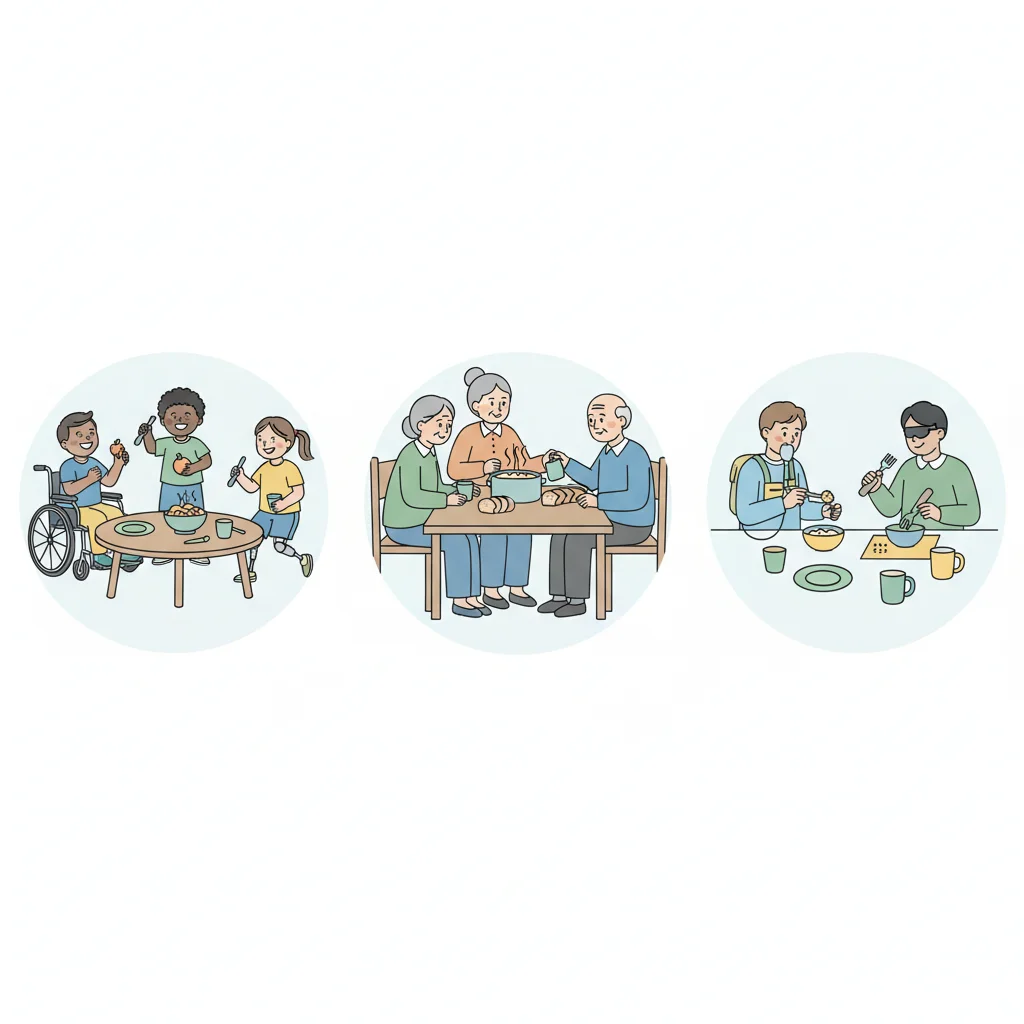
Nutritional Needs of Specific Groups
Group 1: People with disabilities - texture modifications, medication interactions Group 2: Children - growth requirements, developing taste preferences Group 3: Elderly - reduced appetite, medication effects, social factors Research and share key nutritional considerations for your assigned group
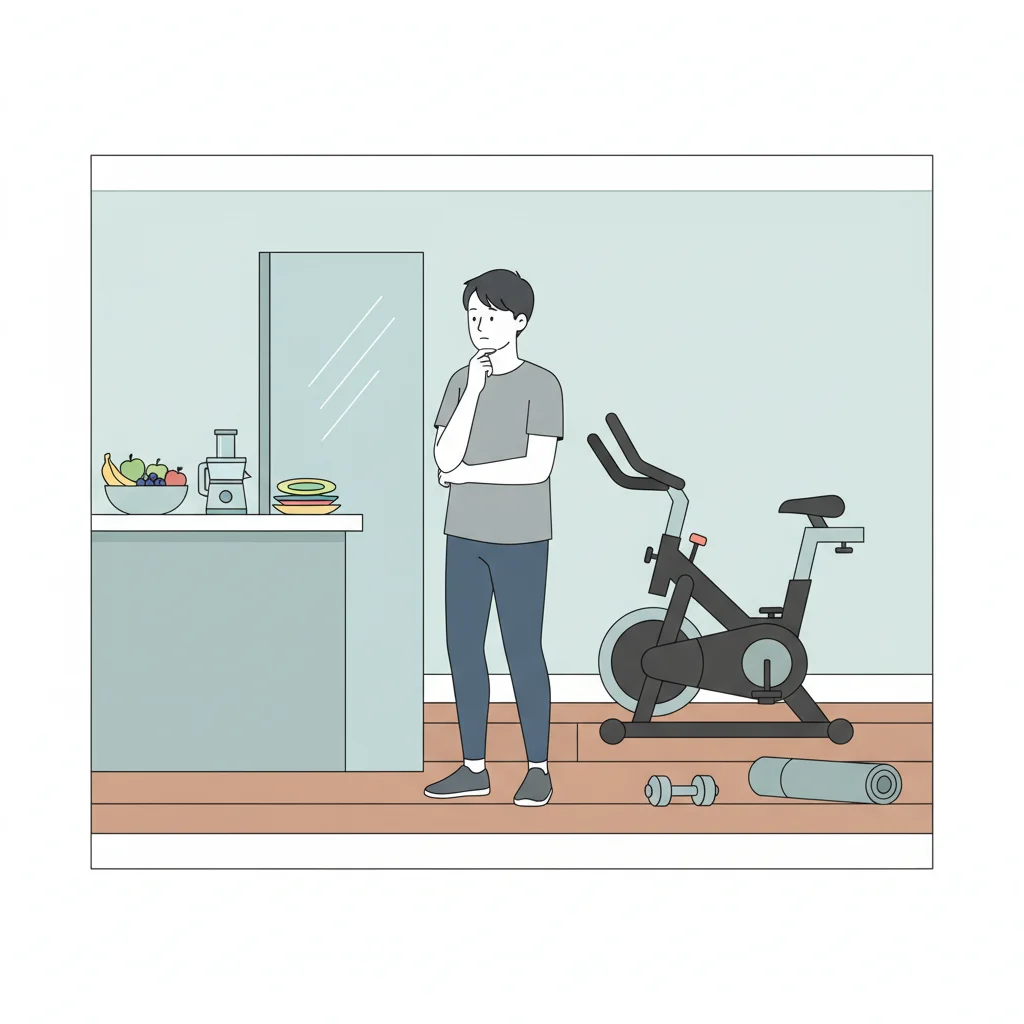
Personal Reflection Discussion
What changes could you make to improve your nutrition? How does physical activity complement good nutrition? Why are variety and balance important lifelong habits? What barriers might prevent healthy choices?
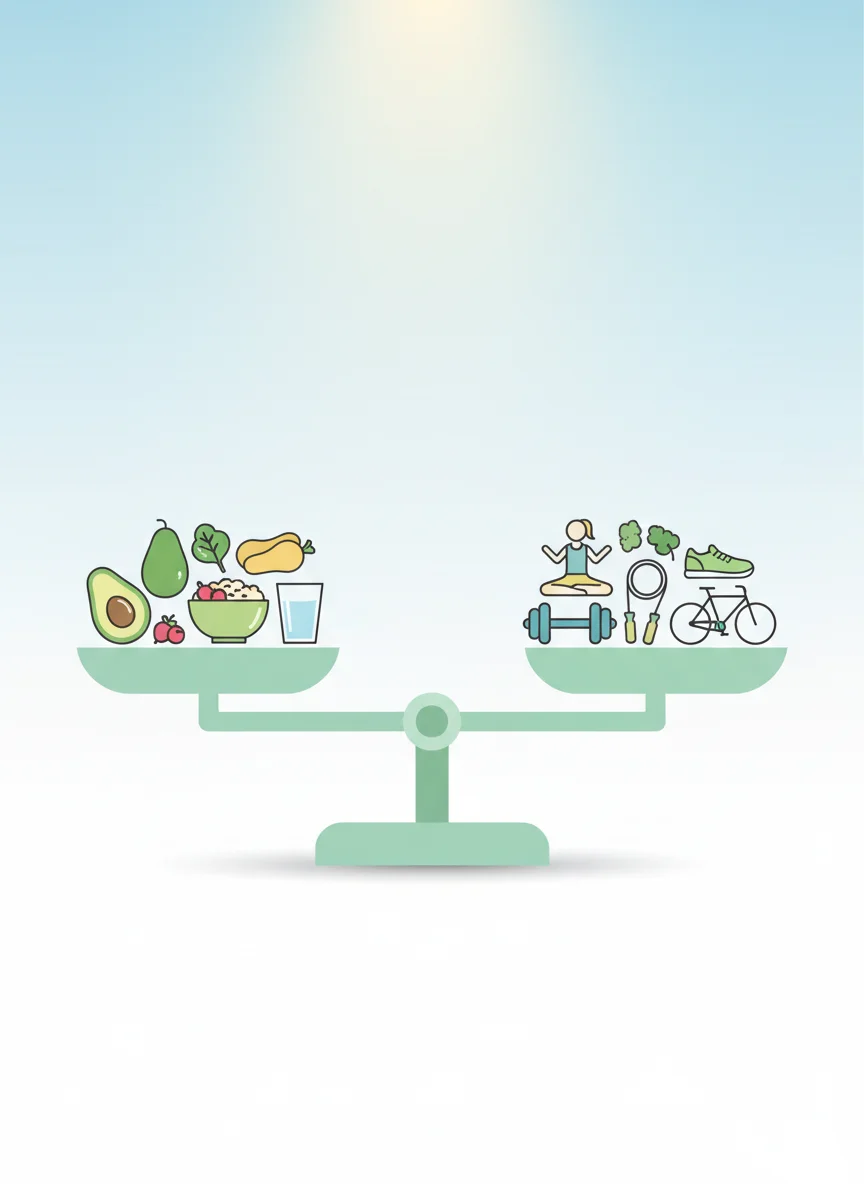
Building Your Best Life
Balance is key - no single food or activity is magic Small, sustainable changes are more effective than dramatic overhauls Physical activity and nutrition work together for optimal health Consider your individual needs, preferences, and circumstances Focus on adding positive choices rather than restricting
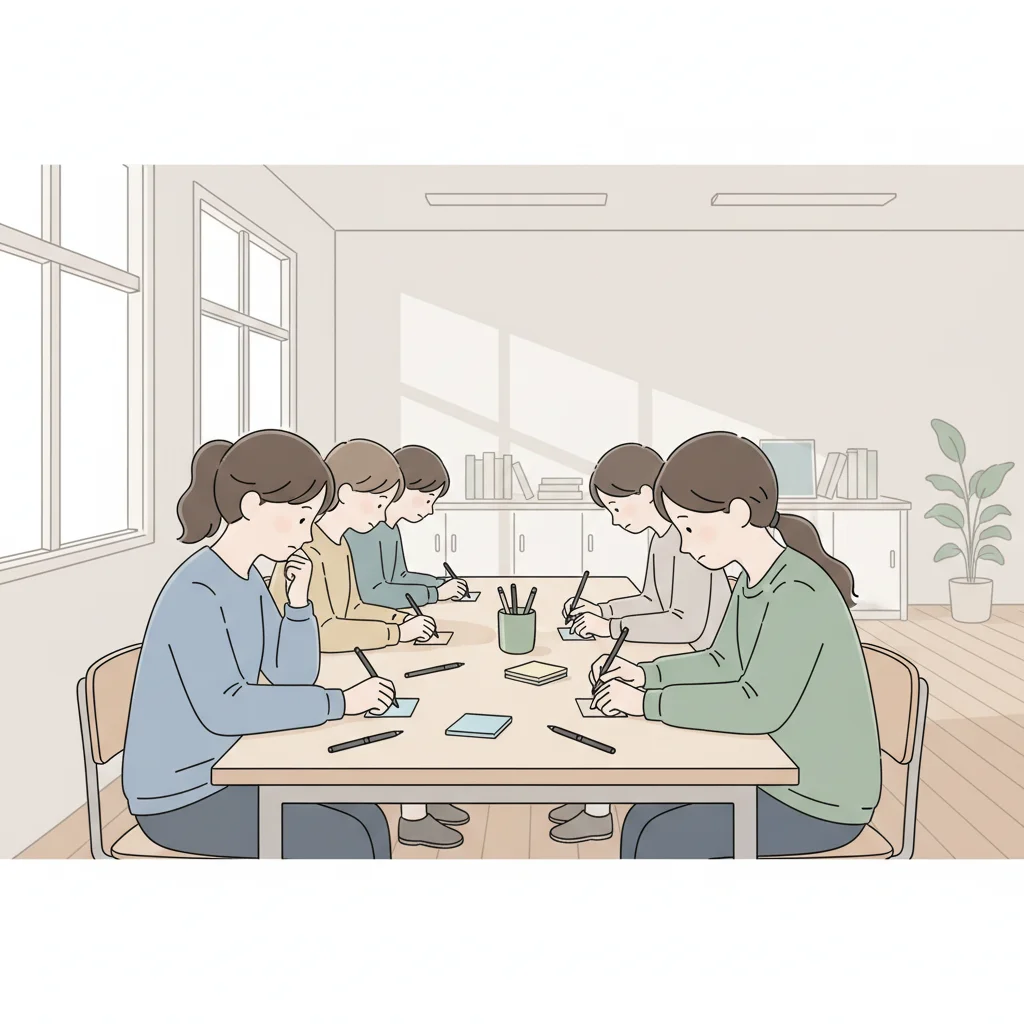
Exit Ticket
Write one key takeaway from today's lesson Set one realistic goal related to nutrition or physical activity Consider: What will you do differently this week? Hand in your ticket as you leave - we'll follow up next lesson