
Biology Module 7 Presentation
Infectious Disease Year 12 NSW Biology Understanding Pathogens and Immunity
What Are Pathogens?
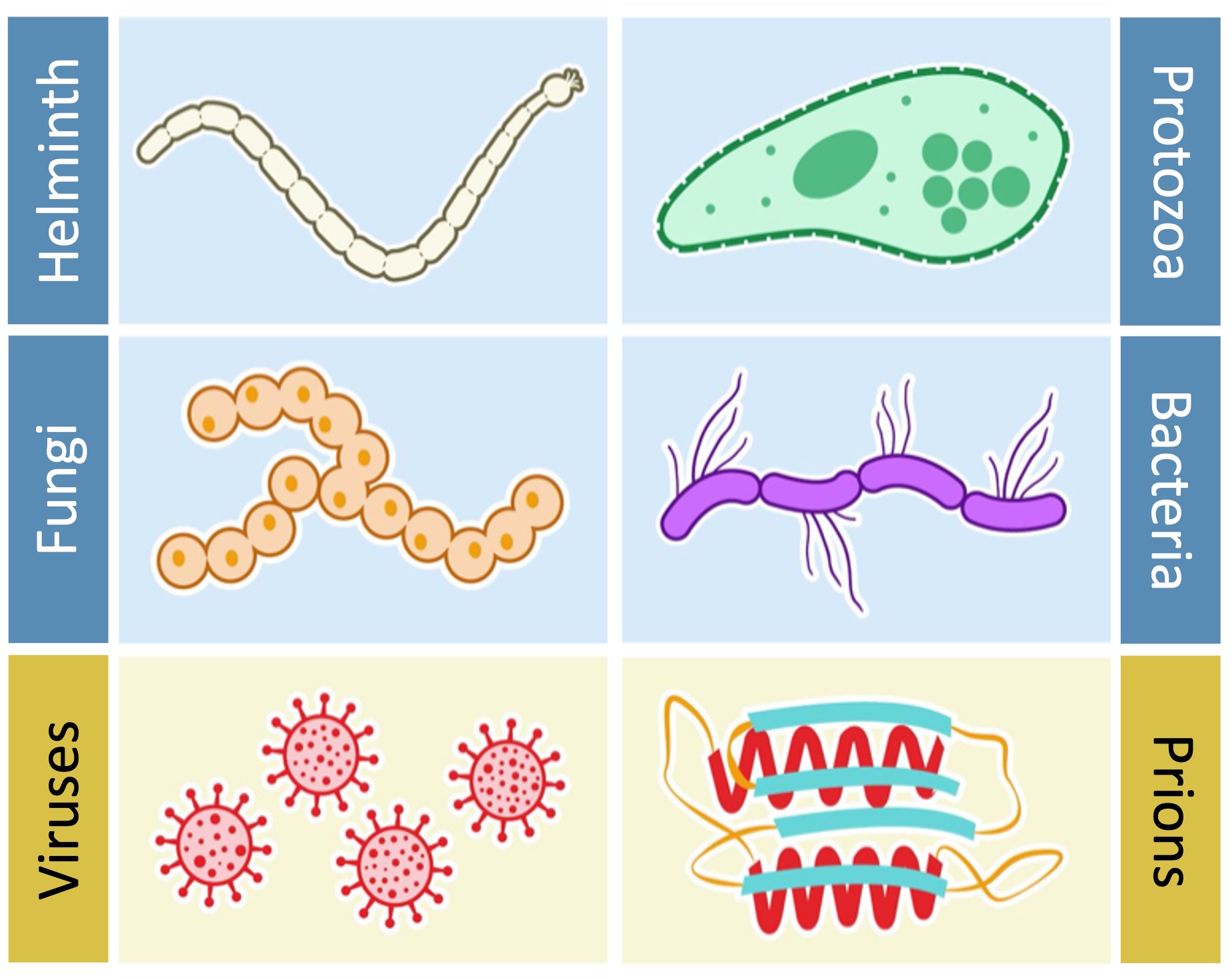
Disease-causing microorganisms Include bacteria, viruses, fungi, and parasites Enter the body through various routes Disrupt normal cellular functions

Bacterial vs Viral Pathogens
{"left":"Living single-celled organisms\nHave cell walls and genetic material\nReproduce by binary fission\nCan be treated with antibiotics","right":"Non-living infectious particles\nRequire host cells to reproduce\nContain DNA or RNA in protein coat\nTreated with antiviral drugs (limited options)"}

Disease Transmission Routes
Direct contact - skin-to-skin transmission Airborne droplets - coughing and sneezing Vector-borne - through insects or animals Contaminated food and water Blood-borne transmission
Case Study Analysis
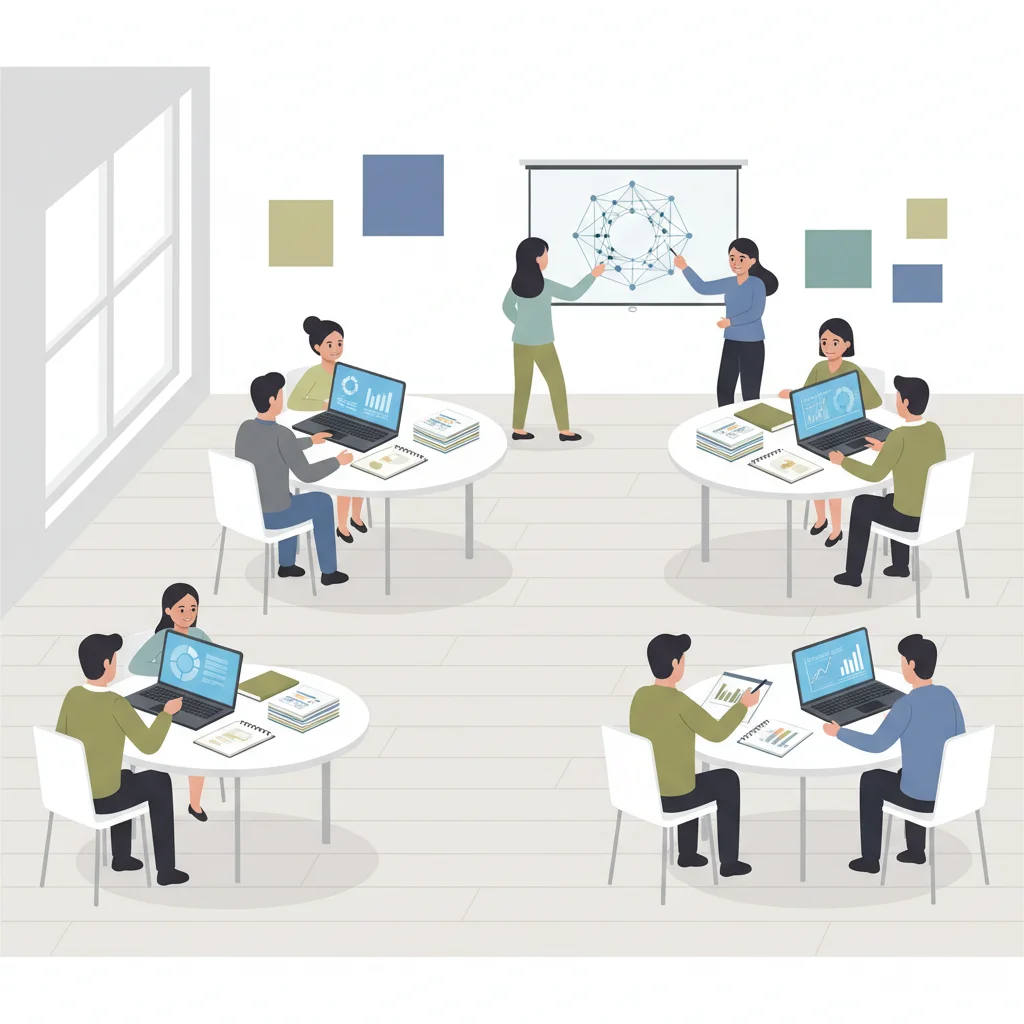
Read the provided case study about a disease outbreak Identify the pathogen type Determine the transmission route Suggest prevention strategies Present findings to the class
The Human Immune System
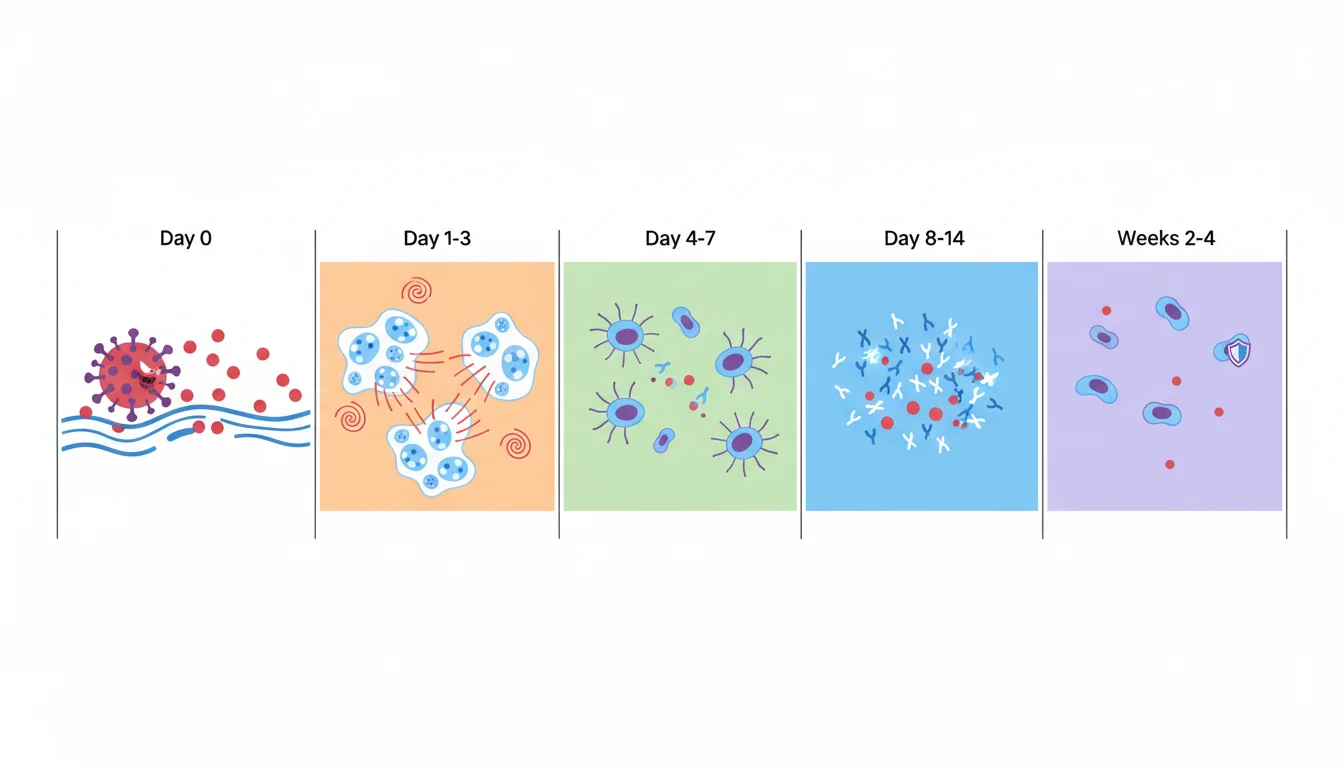
First line of defense - physical barriers Second line - innate immune responses Third line - adaptive immune responses Memory cells provide long-term immunity
Immune Response Timeline
Vaccination and Immunization
Contains weakened or killed pathogens Stimulates immune memory without disease Provides active immunity Herd immunity protects communities Regular boosters may be required
Critical Thinking Question
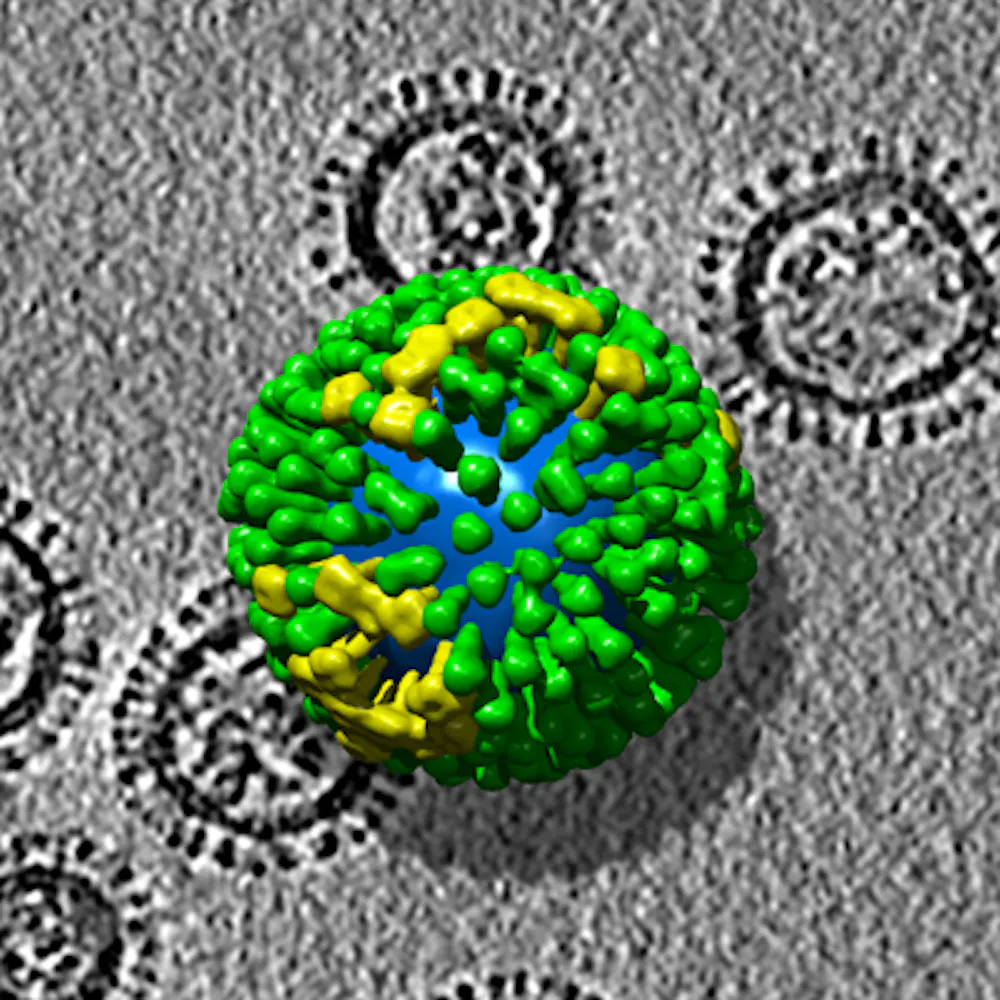
Why do some people get the flu every year despite being vaccinated? Consider: Viral mutation and strain variation Immune system differences Vaccine effectiveness factors
Summary and Key Takeaways
Pathogens cause disease through various mechanisms Multiple transmission routes require different prevention strategies Immune system has three lines of defense Vaccination provides safe immunity Understanding these concepts helps prevent disease spread