
Biology Module 8: Year 12
Non-infectious Disease and Disorders Understanding causes, prevention and treatment NSW HSC Biology Syllabus
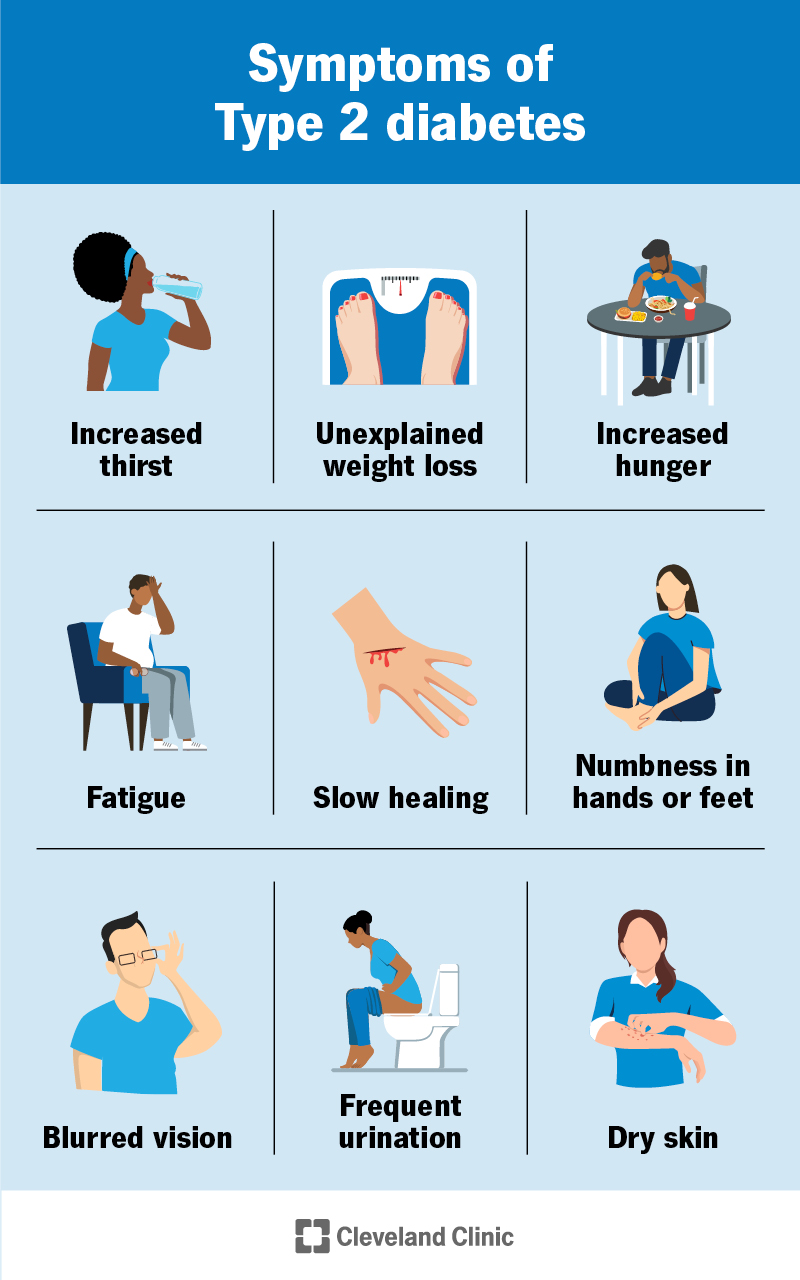
What are Non-infectious Diseases?
Cannot be transmitted between people Caused by genetic, lifestyle or environmental factors Examples: diabetes, cancer, heart disease Often chronic and long-lasting Major health burden in developed countries
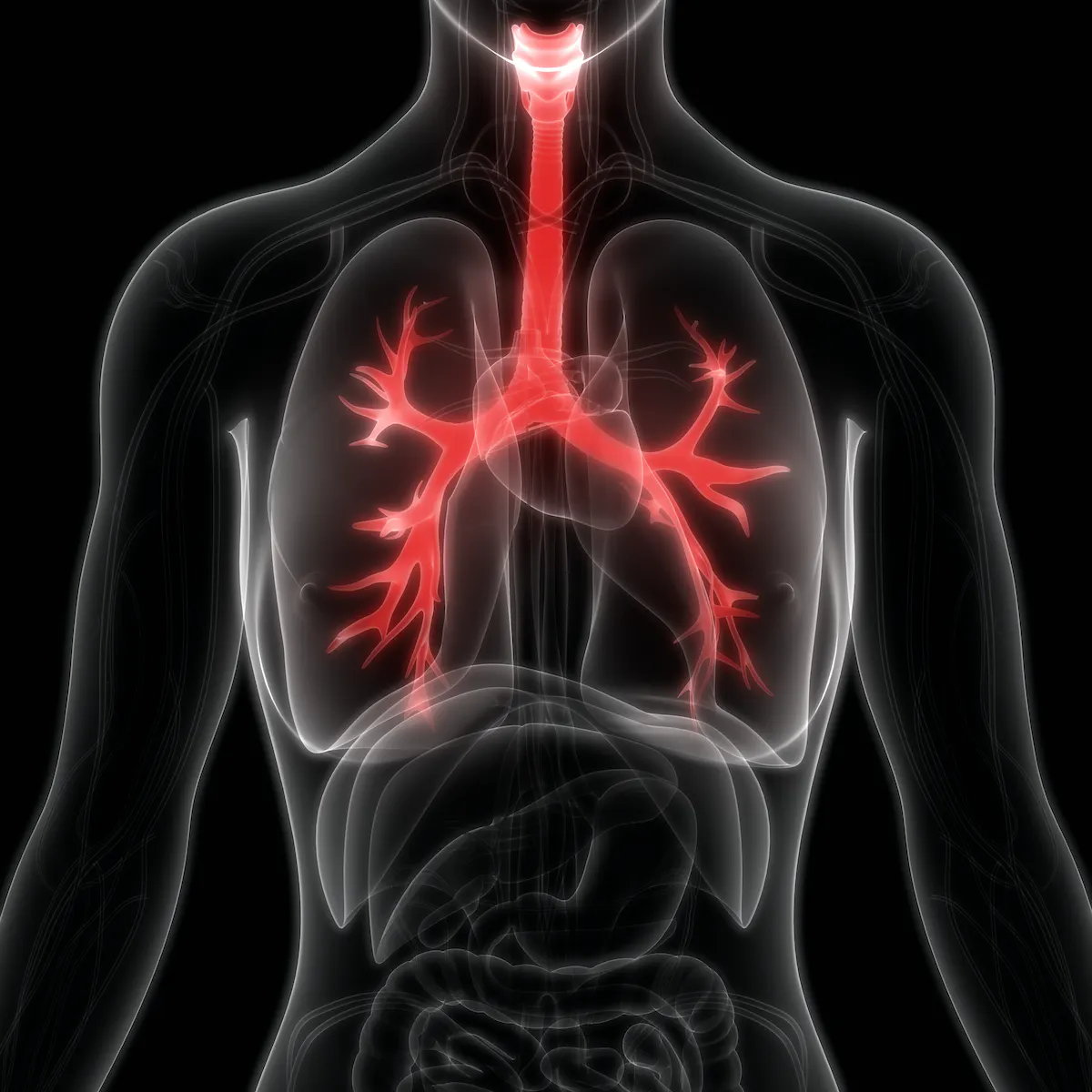
Genetic vs Environmental Factors
{"left":"Inherited from parents through DNA\nPresent from birth\nExamples: cystic fibrosis, sickle cell anemia\nCannot be prevented but can be managed","right":"Diet and nutrition choices\nPhysical activity levels\nExposure to toxins and pollutants\nSmoking and alcohol consumption"}

Types of Non-infectious Diseases

Cardiovascular Disease
Leading cause of death globally Includes heart attack, stroke, heart failure Risk factors: high blood pressure, cholesterol, smoking Prevention through diet and exercise Treatment includes medication and surgery
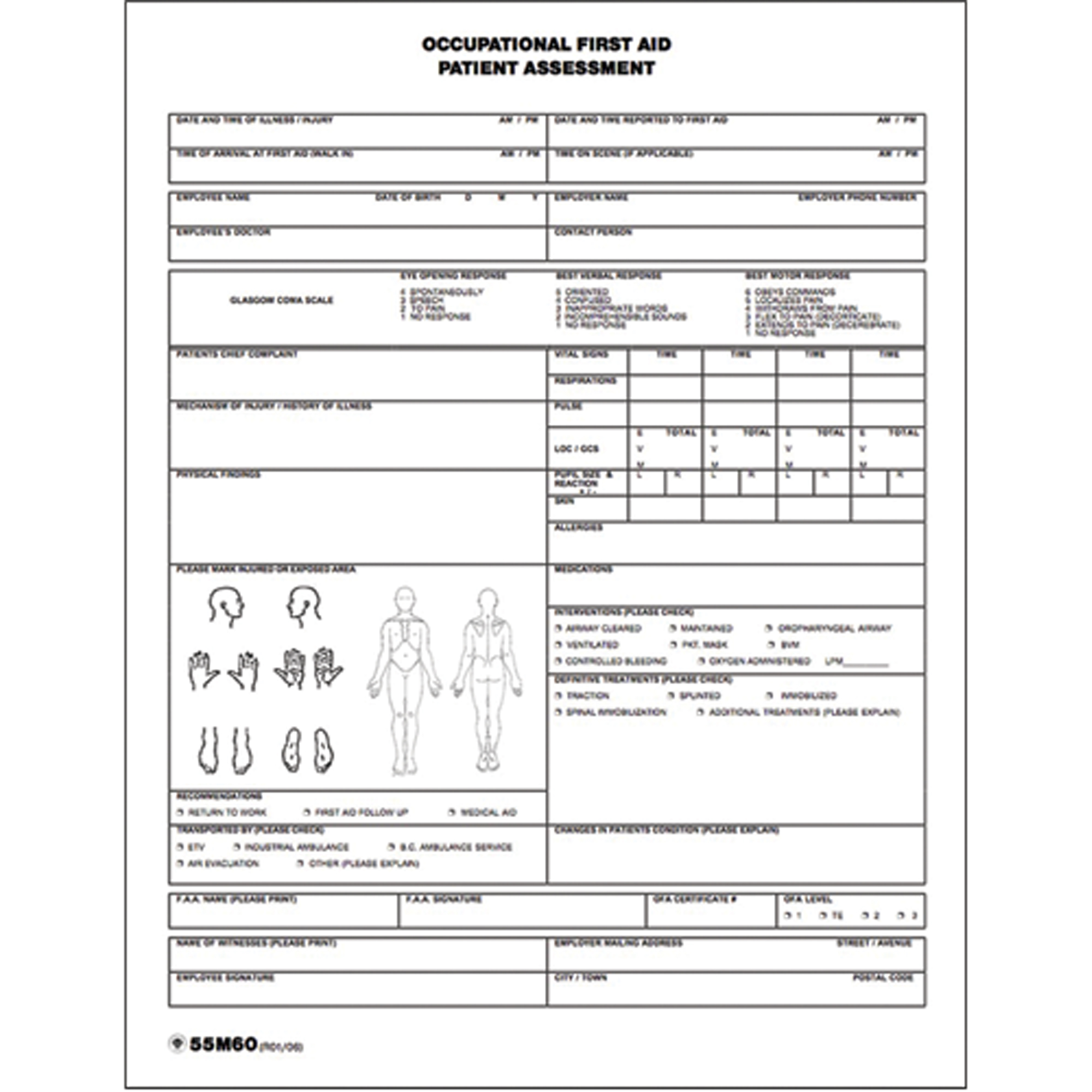
Risk Factor Analysis
Work in pairs to complete the cardiovascular risk assessment Calculate risk scores for different patient scenarios Identify modifiable vs non-modifiable factors Discuss prevention strategies for each case
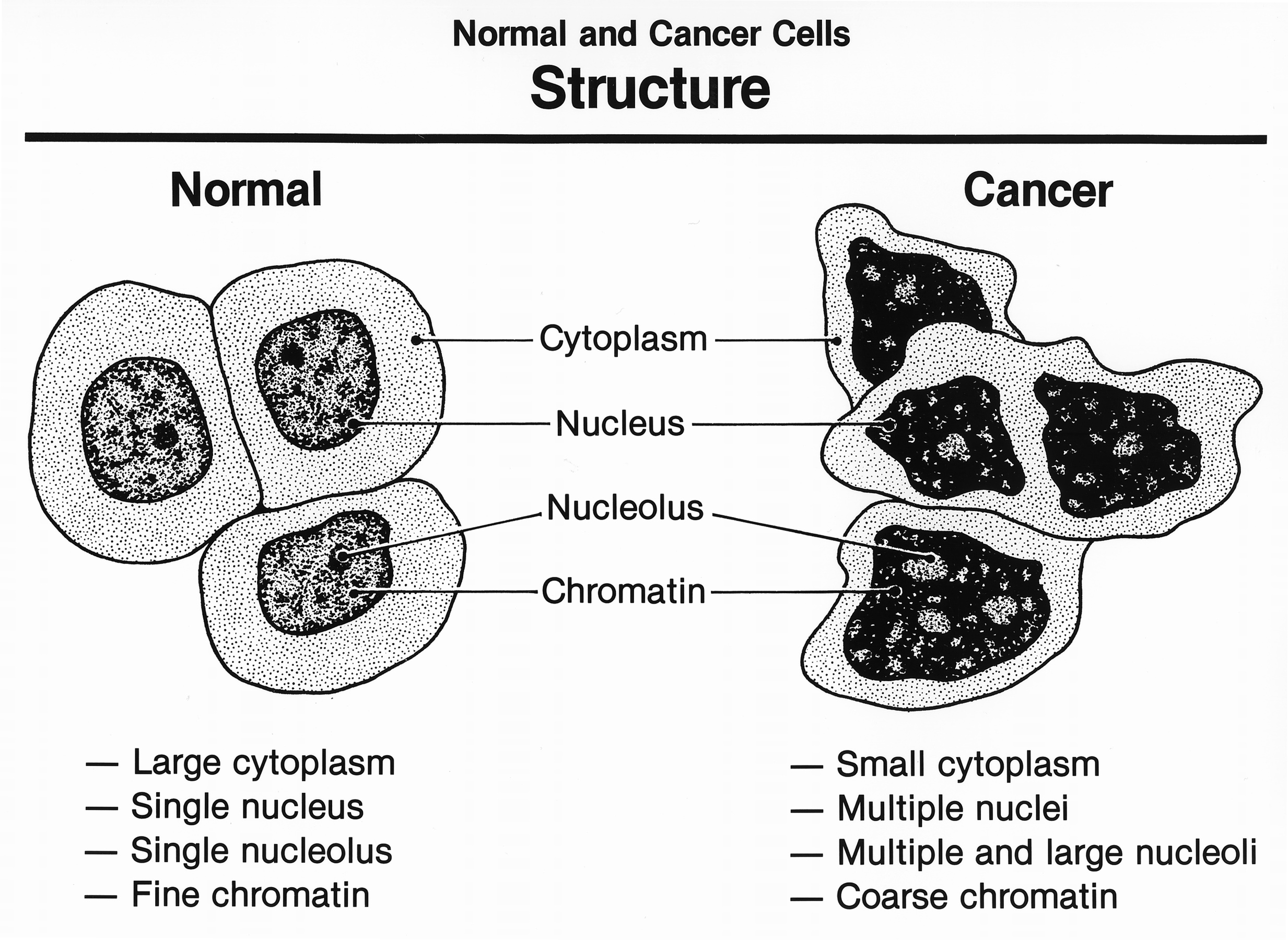
Cancer: Uncontrolled Cell Growth
Mutations in DNA cause cells to divide uncontrollably Benign tumors stay localized Malignant tumors spread (metastasis) Causes: genetic, environmental, lifestyle factors Treatment: surgery, chemotherapy, radiation

Discussion: Cancer Prevention
What lifestyle choices can reduce cancer risk? How do genetic factors influence cancer development? Why is early detection important? What role does the immune system play?
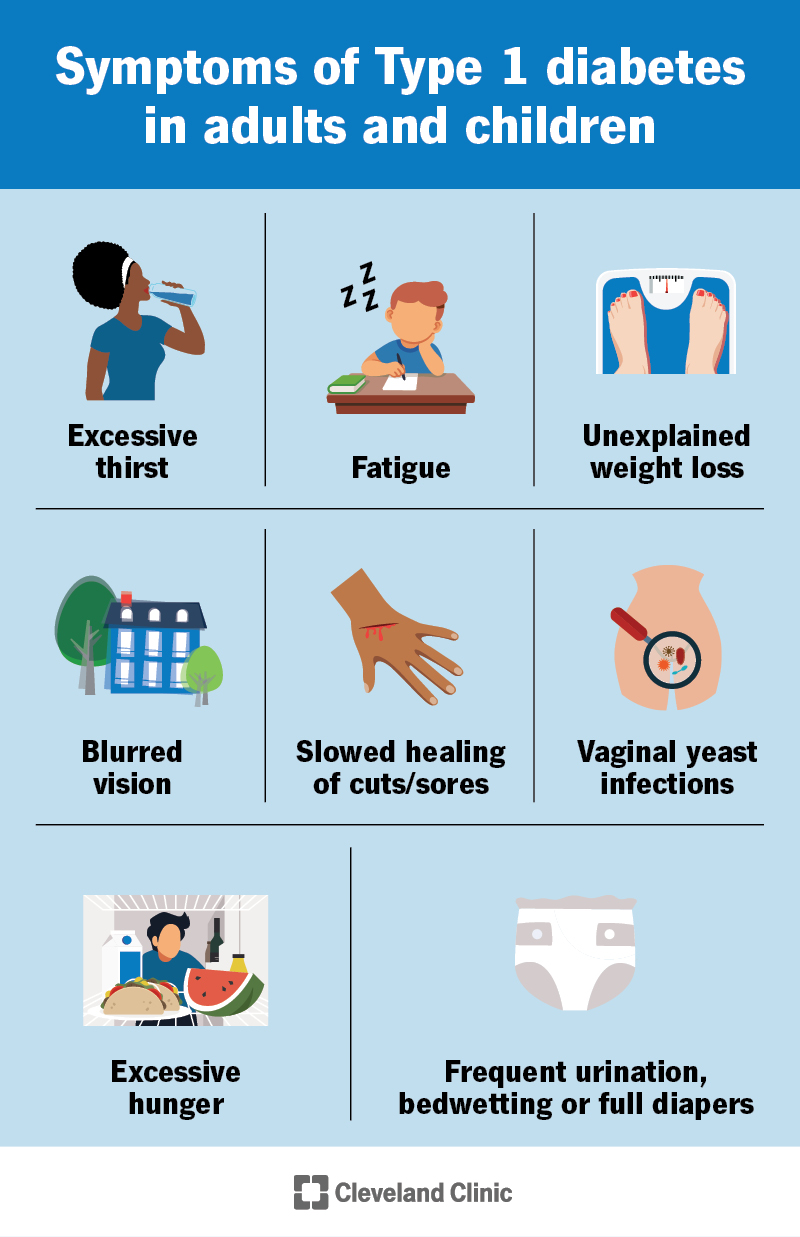
Diabetes: Metabolic Disorder
Type 1: autoimmune destruction of insulin-producing cells Type 2: insulin resistance and reduced production Symptoms: excessive thirst, urination, fatigue Complications: kidney damage, blindness, nerve damage Management: insulin, diet, exercise, monitoring
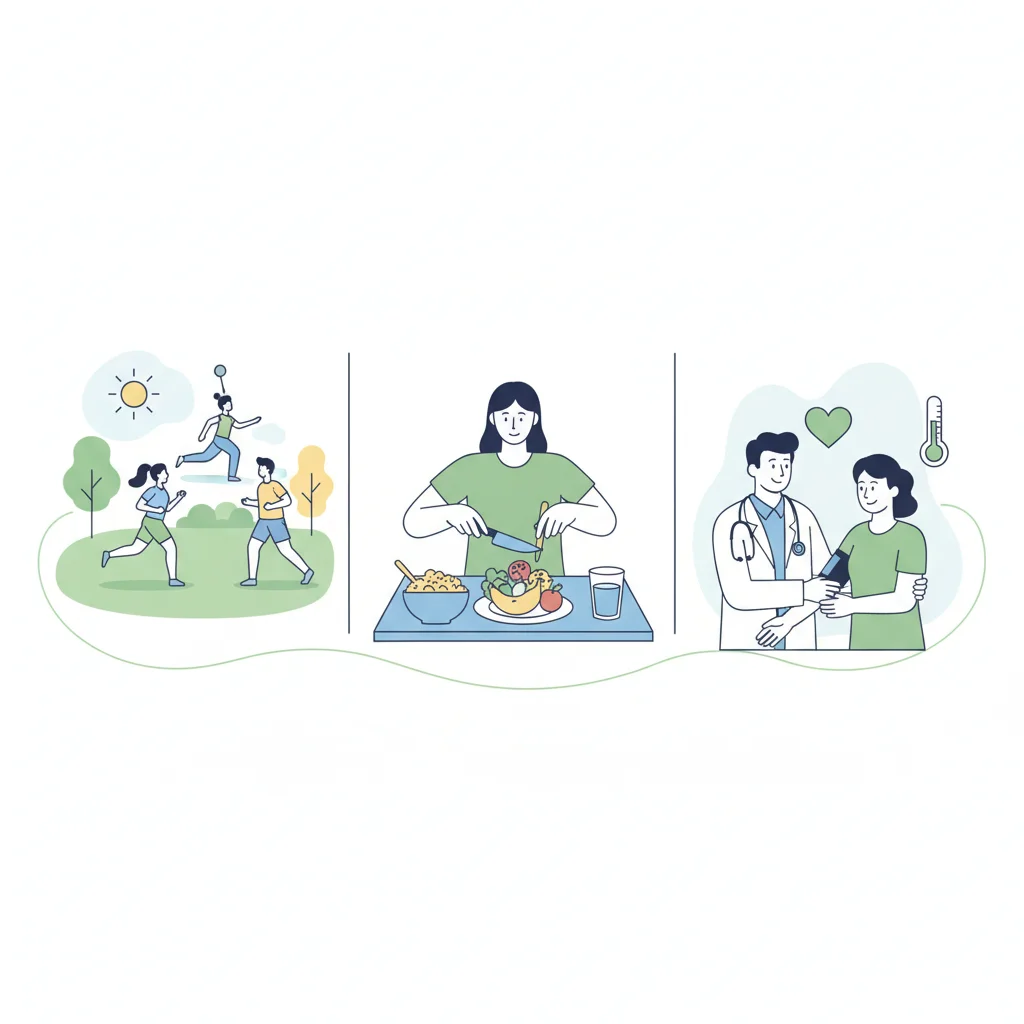
Prevention is Key
"An ounce of prevention is worth a pound of cure" - Benjamin Franklin Many non-infectious diseases are preventable through lifestyle choices Early detection and intervention improve outcomes