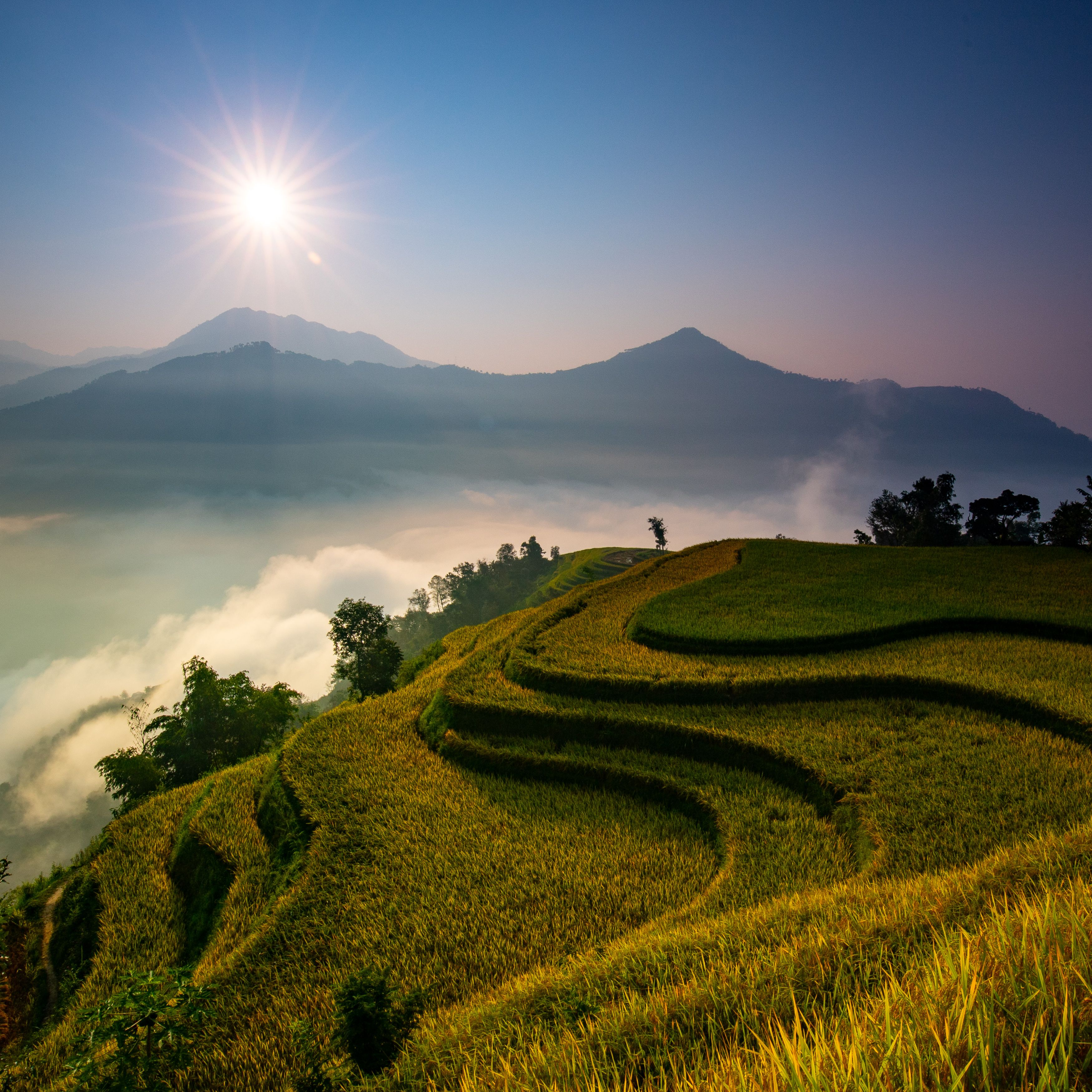
Biomes and Food Production Systems
Understanding how Earth's environments shape our food Year 9 Geography Australian Curriculum AC9HG9S02, AC9HG9K03, AC9HG9S03

What is a Biome?
Large geographical areas with similar climate, plants, and animals Determined by temperature and precipitation patterns Each biome supports different types of life Examples: tropical rainforest, desert, grasslands, temperate forest
Major Global Biomes

Tropical Biomes and Food Production
Hot and wet climate year-round Rich soils support diverse crops Rice, bananas, cocoa, coffee, spices Challenges: heavy rainfall, pests, soil erosion

Temperate Grasslands: The World's Breadbasket
Moderate rainfall, distinct seasons Deep, fertile soils perfect for grains Wheat, corn, barley, cattle grazing Examples: Great Plains (USA), Pampas (Argentina), Murray-Darling Basin (Australia)
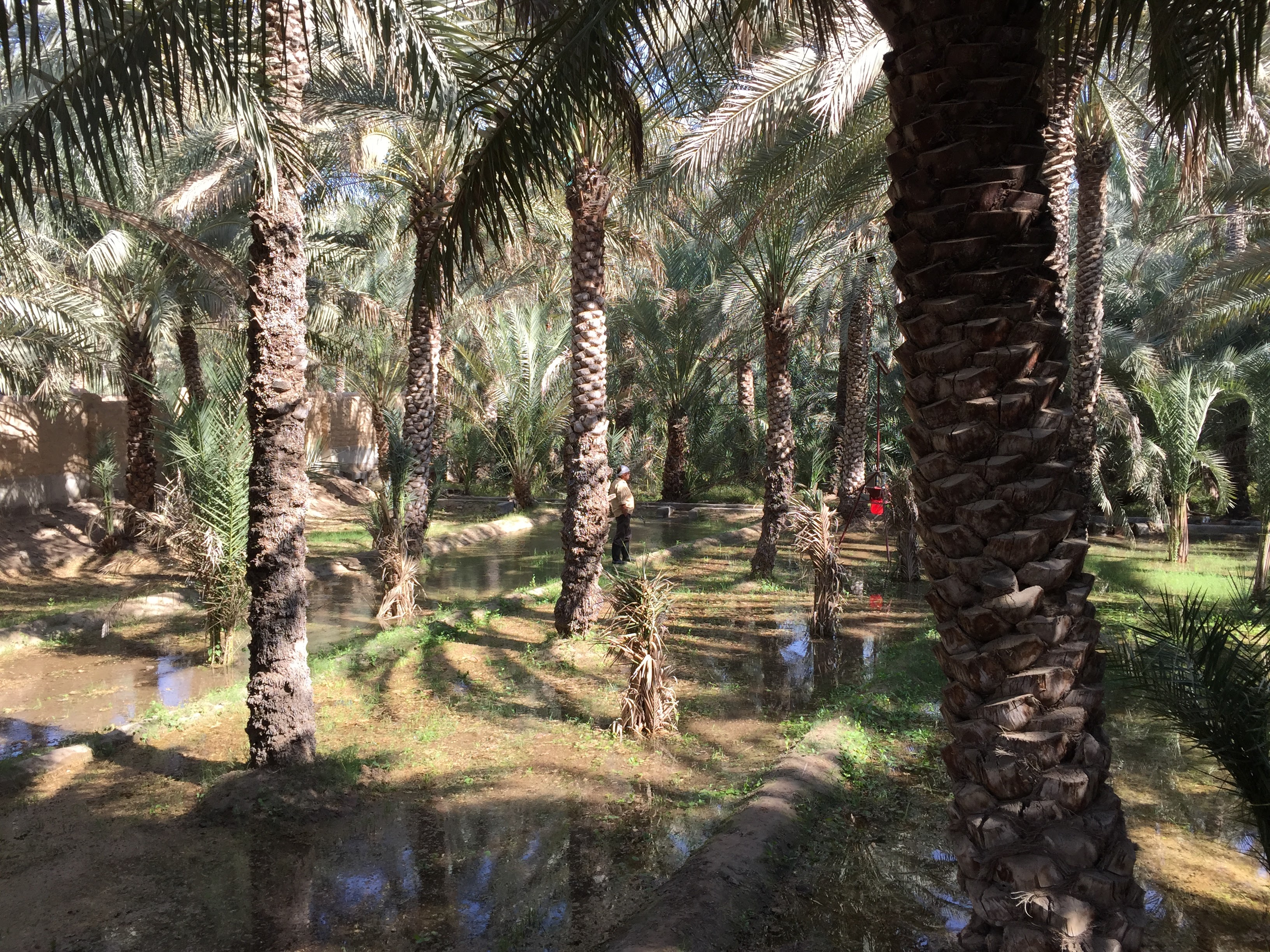
Desert Agriculture: Adapting to Extremes
Very low rainfall, extreme temperatures Irrigation essential for crop production Date palms, olives, drought-resistant crops Innovation: drip irrigation, greenhouse farming

Biome-Food Matching Challenge
Work in groups of 5 students Match food cards to correct biome descriptions Consider climate needs: temperature, water, soil Prepare 2-minute explanation of your choices Think: Why can't wheat grow in rainforests?

Discussion: Climate and Crop Choice
Why can't wheat grow in tropical rainforests? How does limited rainfall affect desert farming? What makes grasslands perfect for cattle grazing? How might climate change affect these patterns?

Climate Factors Affecting Food Production
{"left":"Temperature - determines growing season length and crop types\nRainfall - affects irrigation needs and crop selection\nSoil quality - influences nutrient availability and productivity","right":"Seasonal patterns - timing of planting and harvesting\nExtreme weather - droughts, floods, storms impact yields\nAltitude and latitude - affect temperature and daylight hours"}

Linking Biomes to Food Security
Different biomes produce different foods Climate change threatens traditional growing regions Understanding biomes helps plan sustainable agriculture Global food trade depends on diverse biomes Future lessons: How do we feed a growing population?