Cardiovascular System: Your Body's Highway
Year 10 Physical Education Understanding Your Body's Transport Network Foundation for VCE PE Studies
Learning Objectives
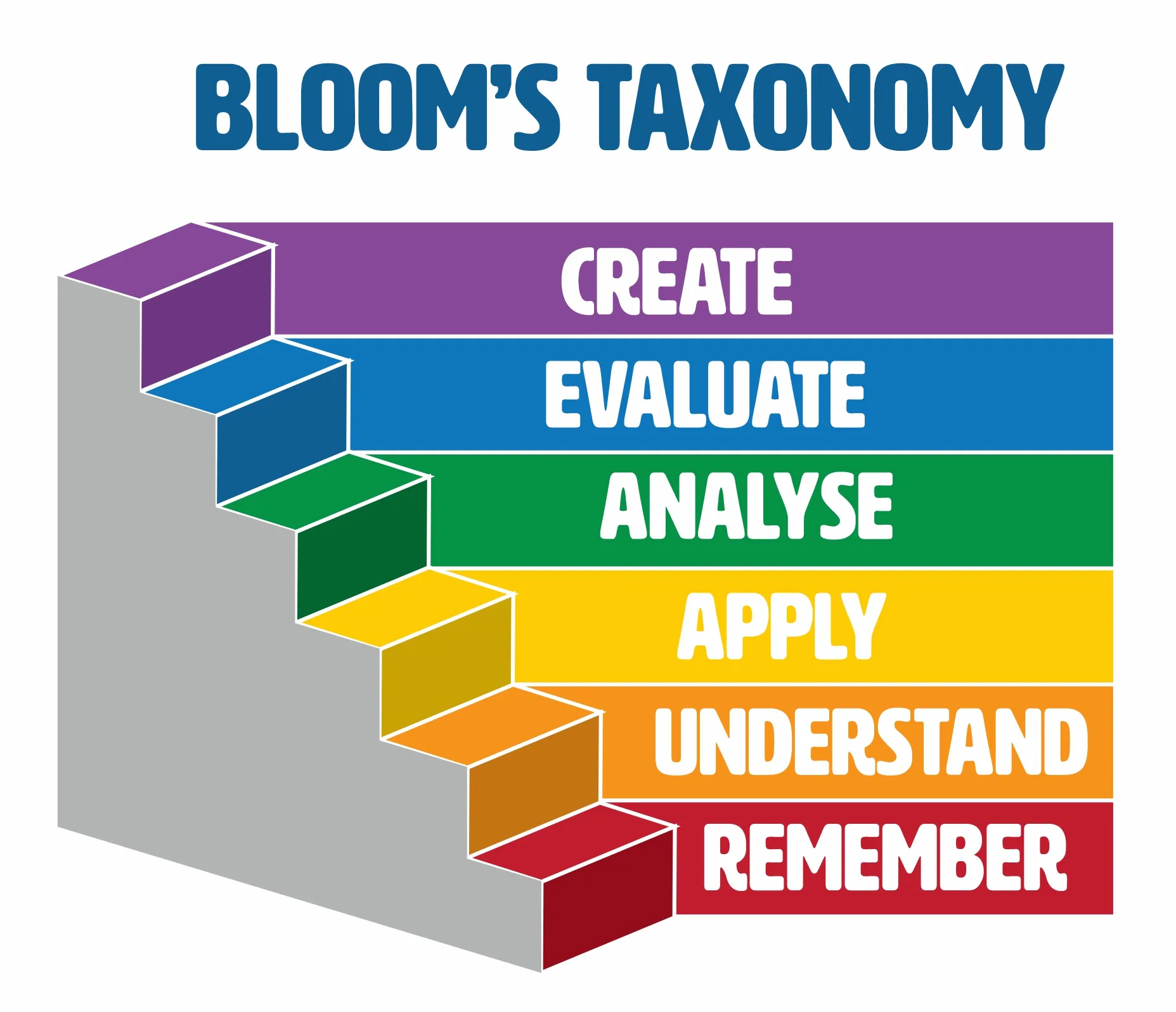
Identify the major components of the cardiovascular system Explain how blood circulation works throughout the body Understand the heart's structure and pumping mechanism Analyze factors affecting cardiovascular health Apply knowledge to exercise and lifestyle choices

The Cardiovascular System Overview

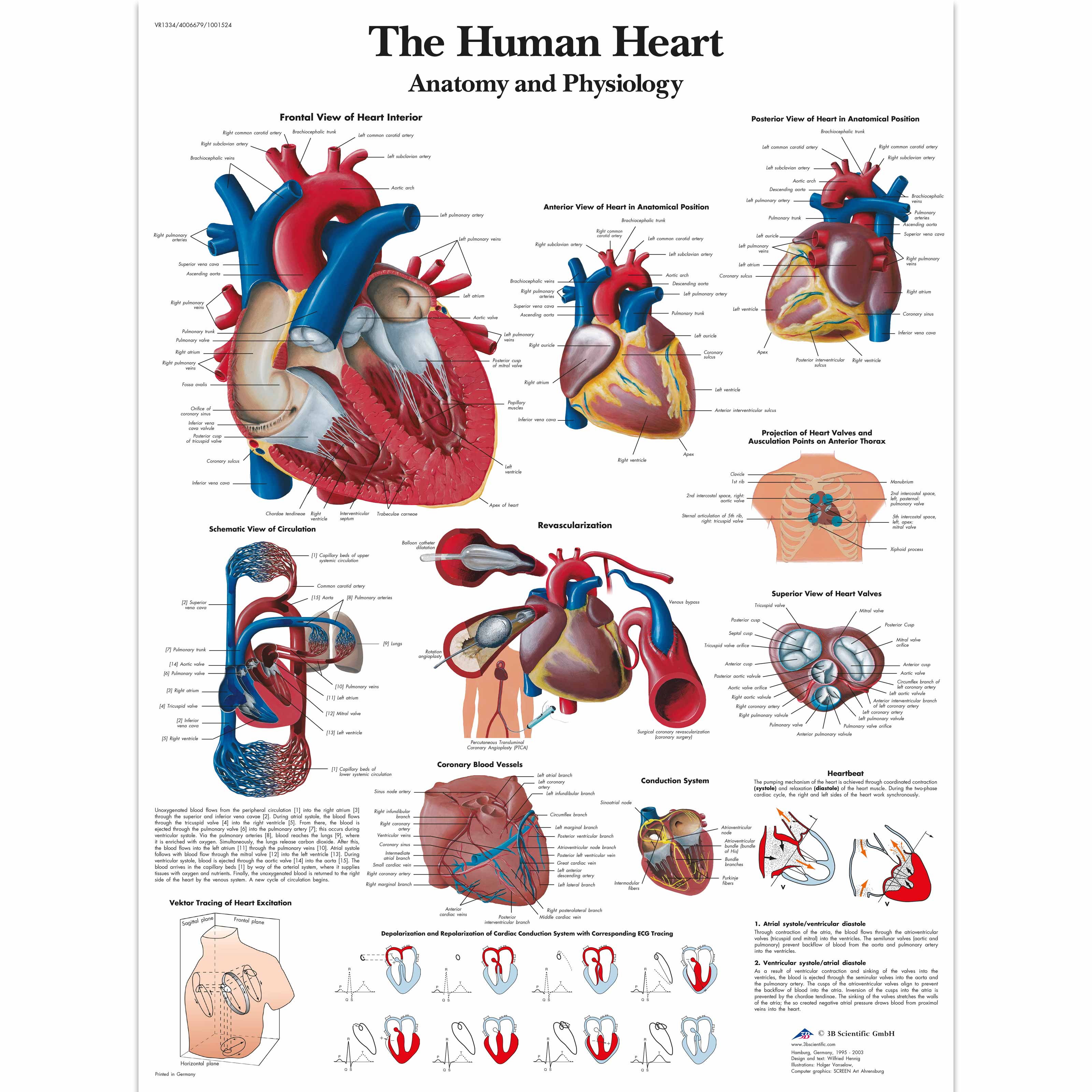
The Heart: Your Body's Engine
Four-chambered muscular pump Right side pumps blood to lungs (pulmonary circulation) Left side pumps blood to body (systemic circulation) Beats approximately 100,000 times per day Pumps about 5 litres of blood per minute
.svg.png)
Heart Chambers and Their Functions
{"left":"Right Atrium: Receives deoxygenated blood from body\nRight Ventricle: Pumps blood to lungs for oxygenation","right":"Left Atrium: Receives oxygenated blood from lungs\nLeft Ventricle: Pumps oxygenated blood to entire body"}
Blood Vessels: The Highway Network
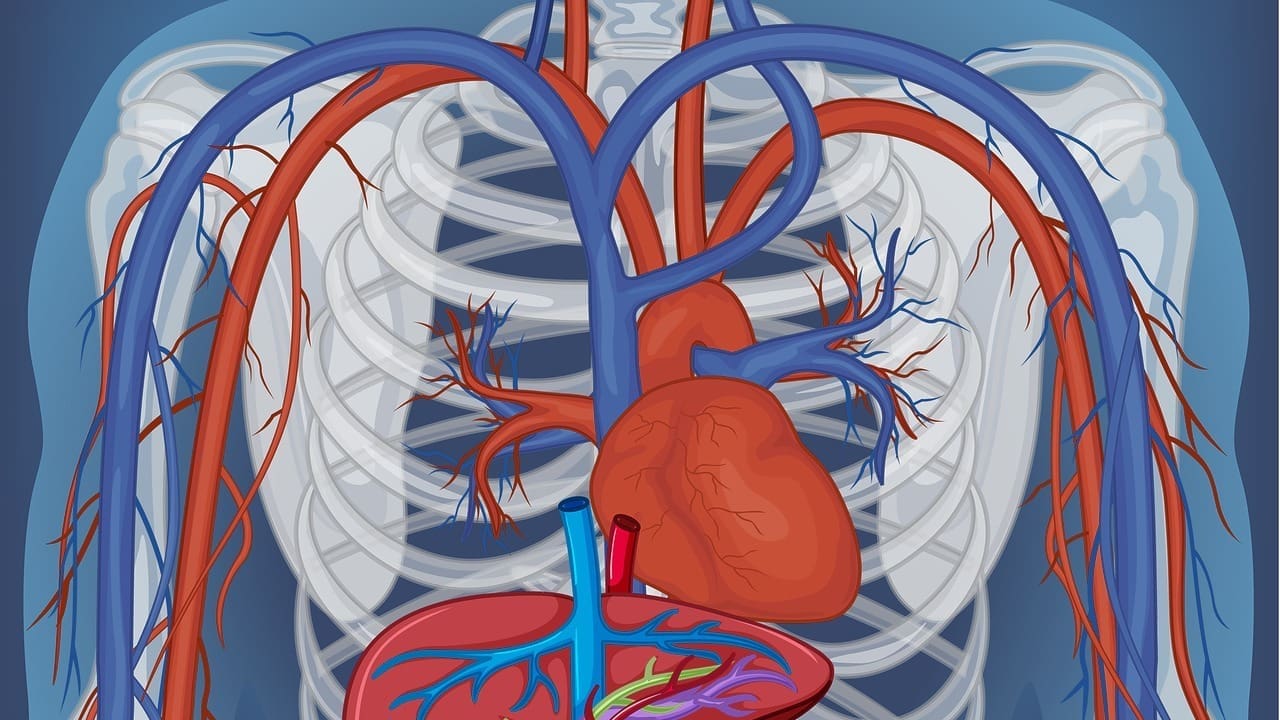
Arteries: Carry blood away from heart (high pressure) Veins: Return blood to heart (low pressure, have valves) Capillaries: Microscopic vessels for gas/nutrient exchange Aorta: Largest artery carrying oxygenated blood Vena Cava: Largest veins returning deoxygenated blood
Pulse Points Investigation
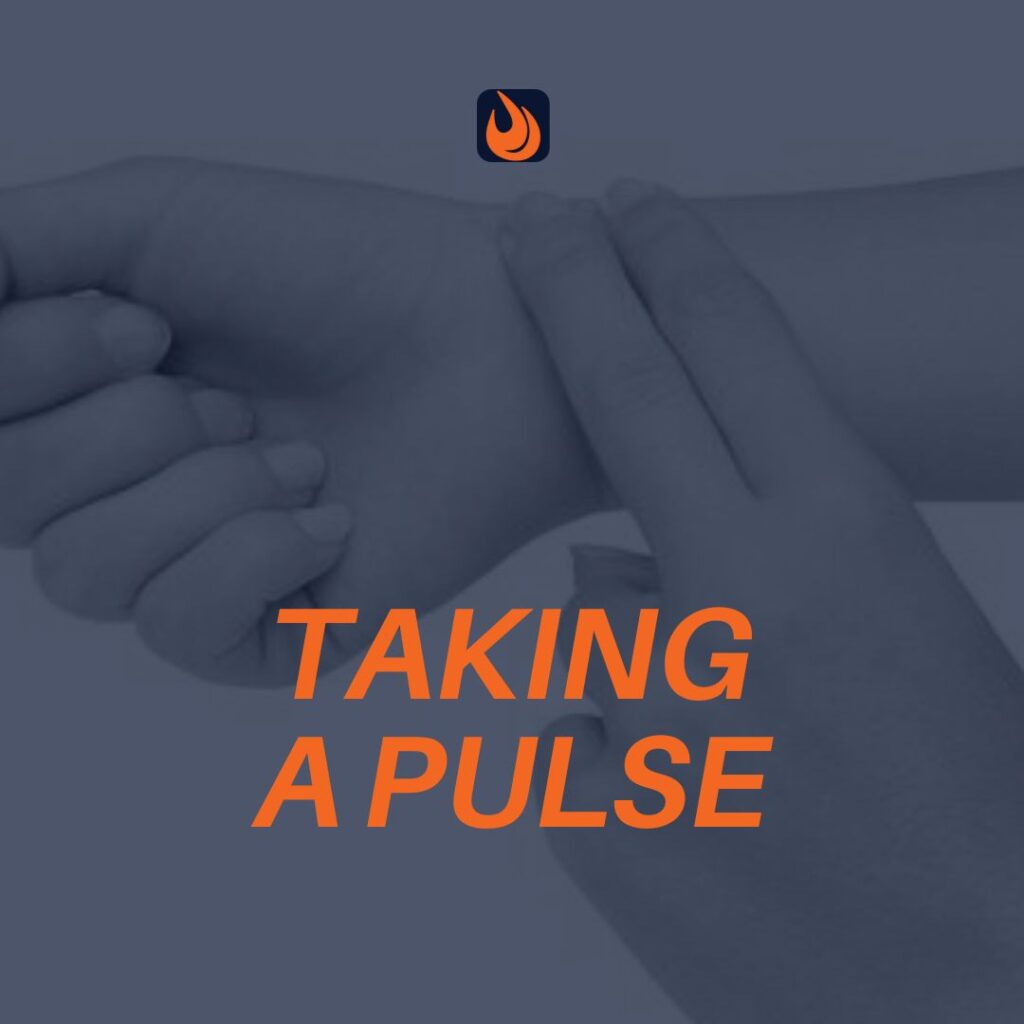
Find your pulse at wrist (radial artery) Locate carotid pulse at neck Feel temporal pulse at temple Count beats for 15 seconds, multiply by 4 Record resting heart rate Compare with classmates' results
Blood: The Transport Medium
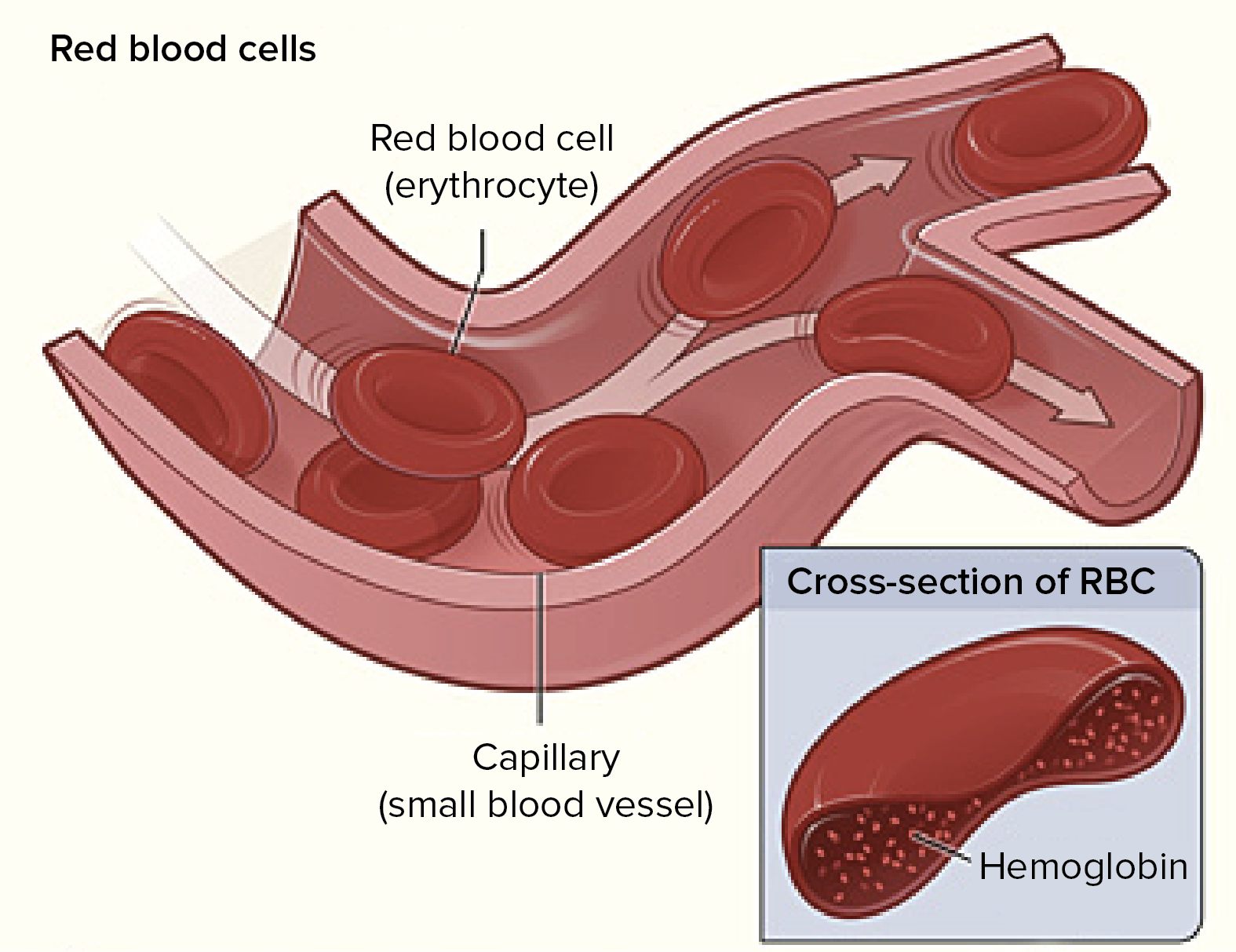
Plasma: Liquid component carrying nutrients and waste Red blood cells: Transport oxygen and carbon dioxide White blood cells: Fight infection and disease Platelets: Enable blood clotting Total blood volume: About 5 litres in average adult

Critical Thinking Challenge
Why do you think athletes often have lower resting heart rates than sedentary people? Consider: Heart muscle strength, efficiency, stroke volume Discuss with a partner and prepare to share your reasoning
Maintaining Cardiovascular Health
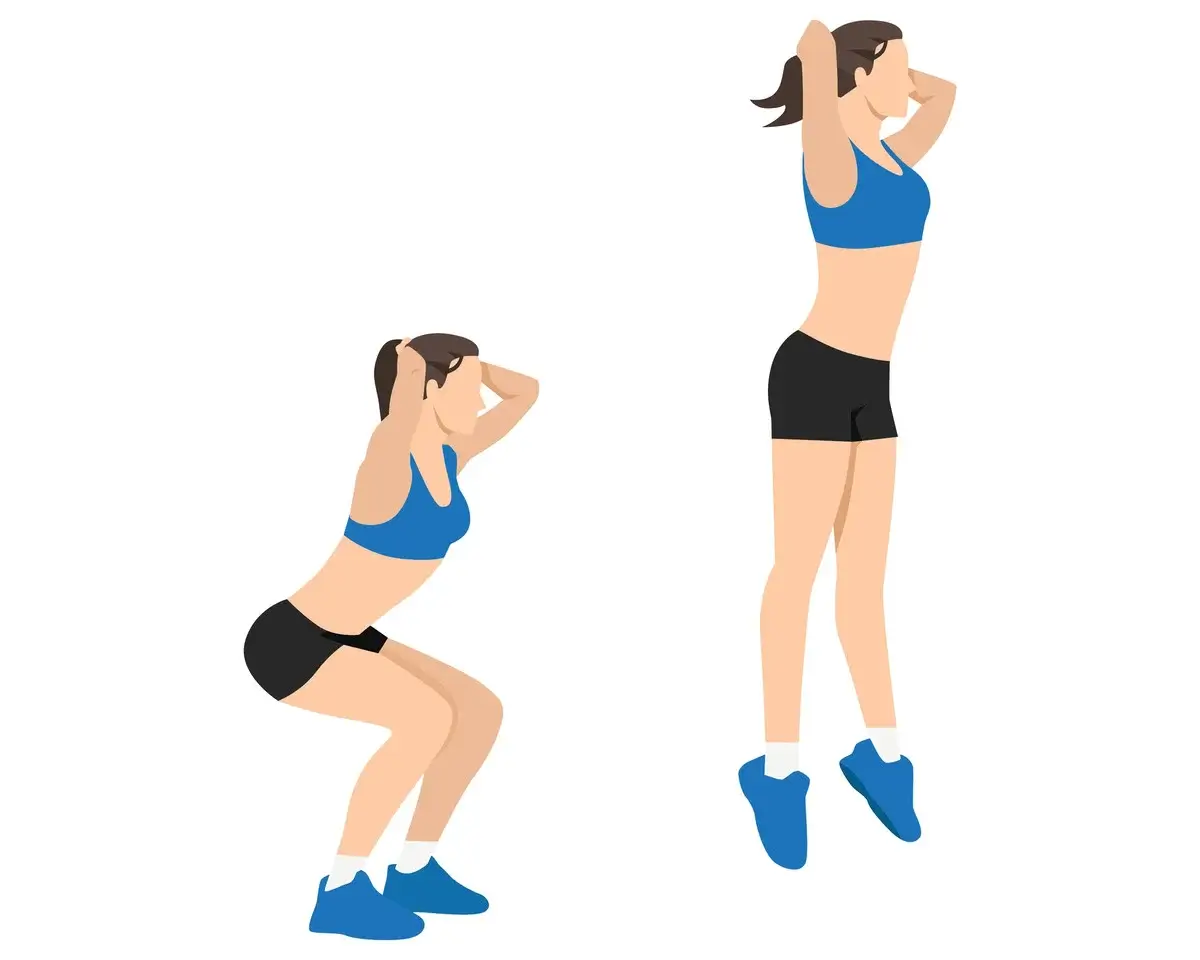
Regular aerobic exercise strengthens heart muscle Balanced diet reduces cholesterol and blood pressure Avoid smoking - damages blood vessels Manage stress through relaxation techniques Maintain healthy body weight Get adequate sleep for heart recovery