Cell Structure: Animals vs Plants
Year 8 Biology Understanding the Building Blocks of Life
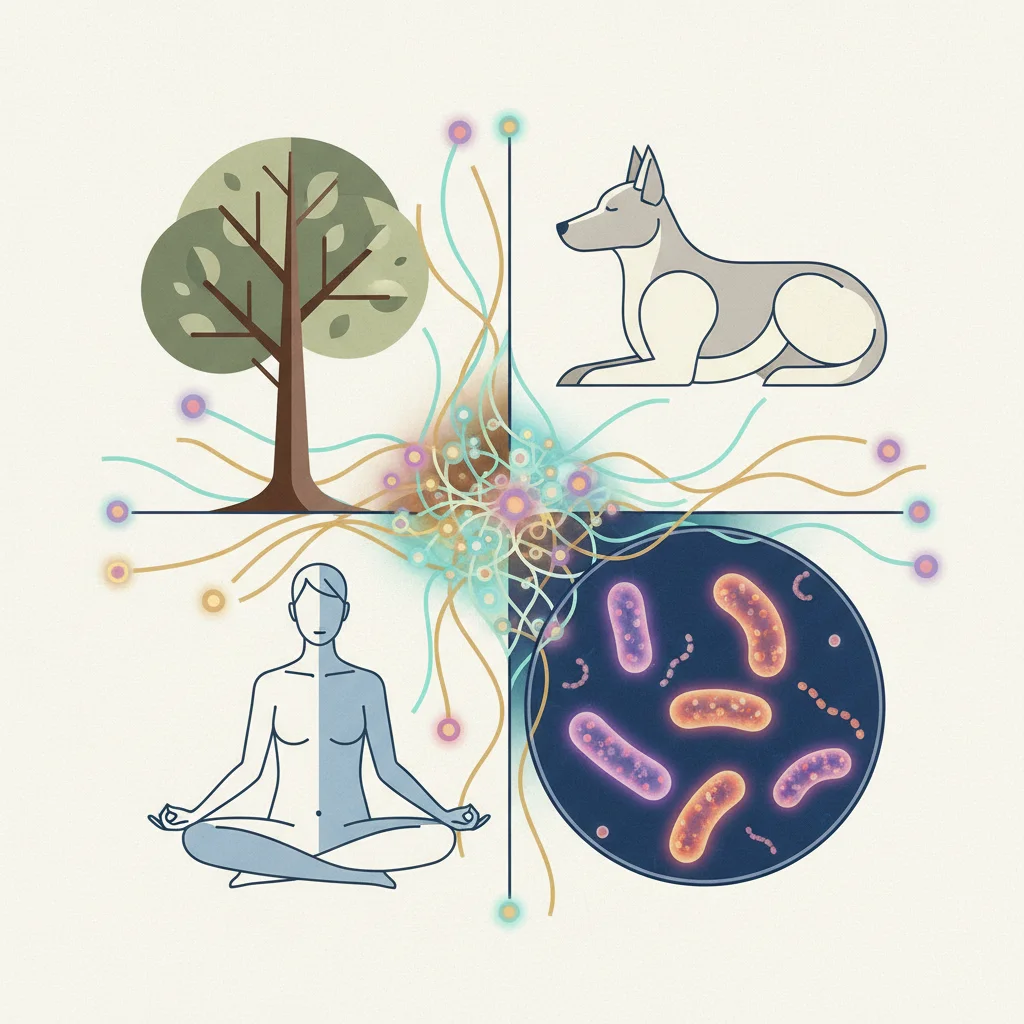
What do you think makes up all living things?
Think about what you already know Consider both plants and animals What might they have in common?
What is a Cell?
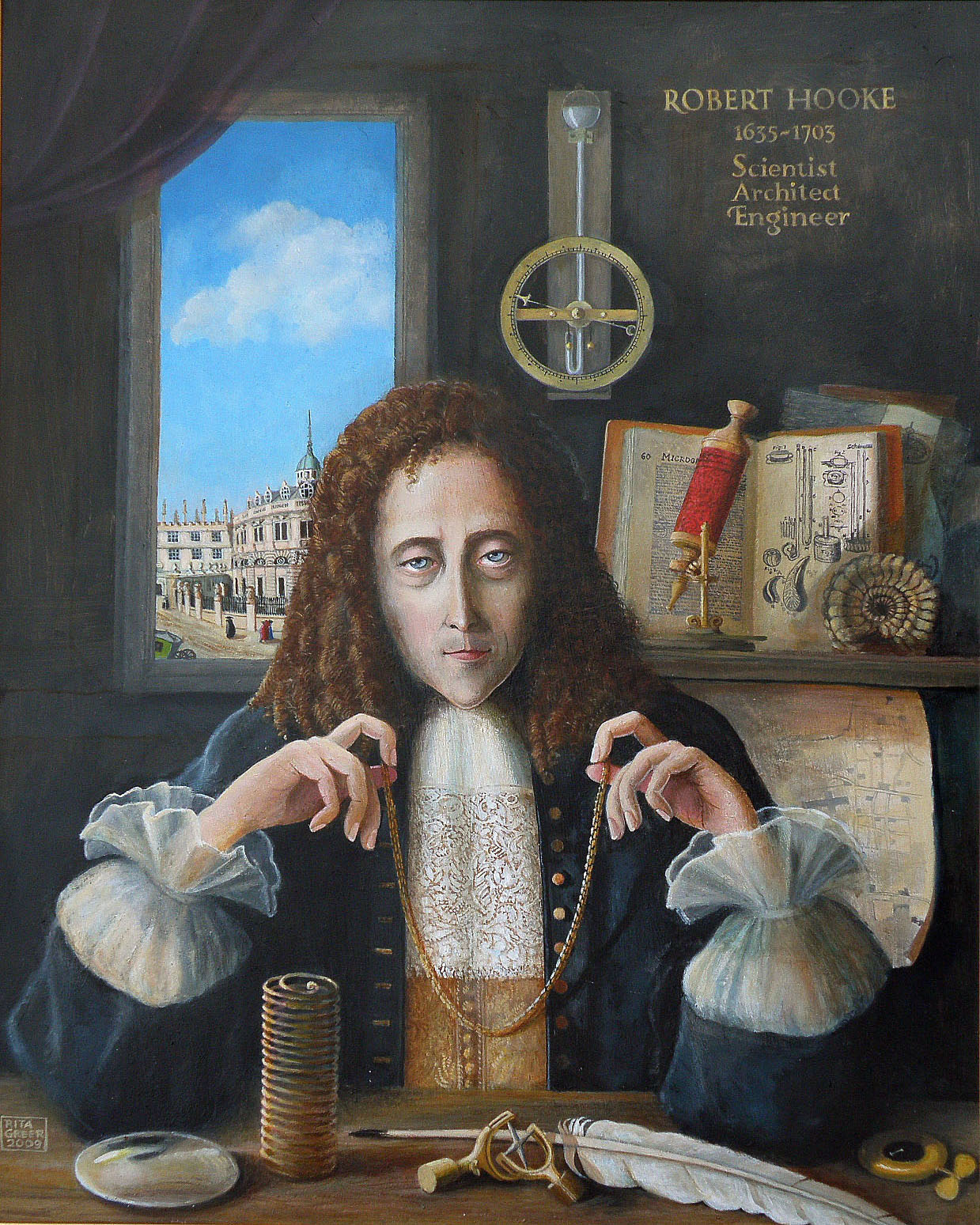
The basic unit of all living things All organisms are made of one or more cells Cells carry out all life processes First discovered by Robert Hooke in 1665

Types of Cells
Prokaryotic cells - no nucleus (bacteria) Eukaryotic cells - have a nucleus Animal cells are eukaryotic Plant cells are also eukaryotic

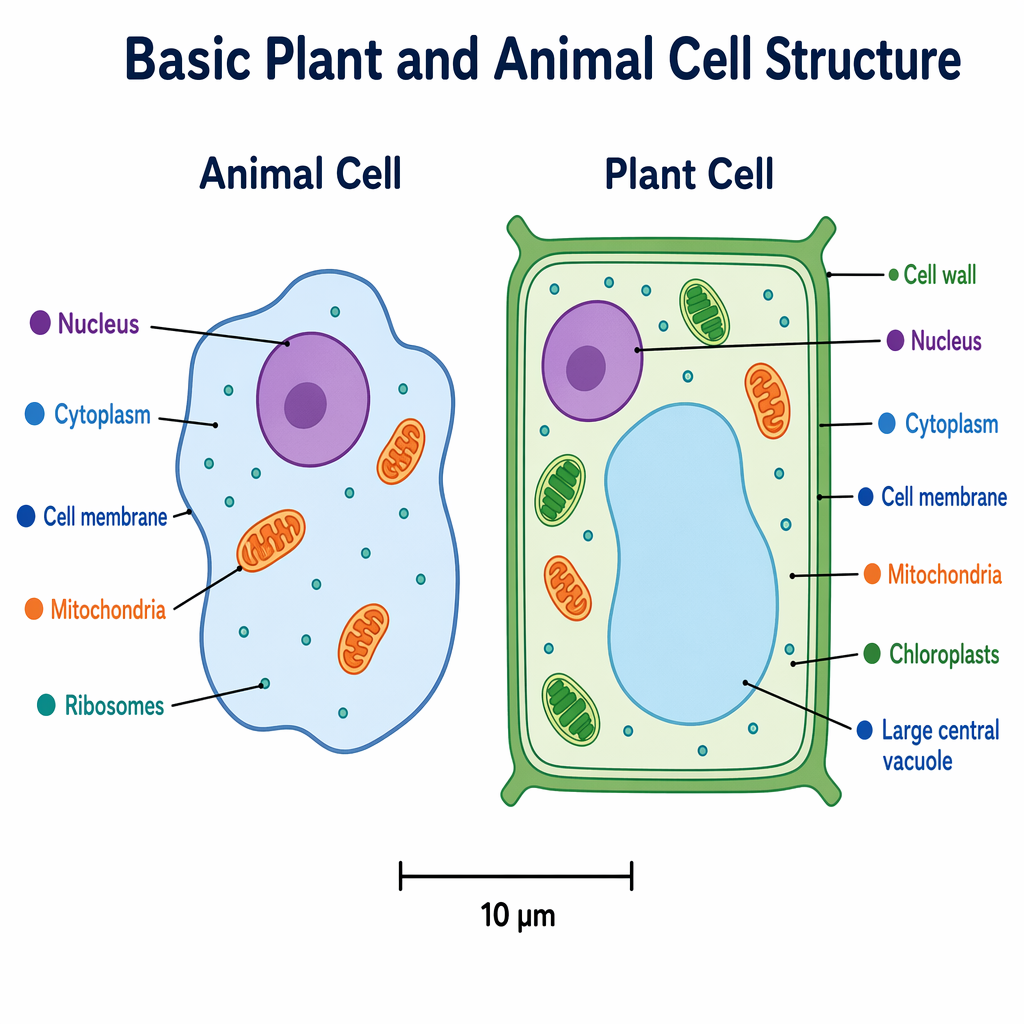
Animal Cell Structure

Cell Membrane
Controls what enters and leaves the cell Made of phospholipids Found in ALL cells Acts like a security guard

Nucleus
Control center of the cell Contains DNA (genetic material) Surrounded by nuclear membrane Found in eukaryotic cells only

Mitochondria
Powerhouses of the cell Produce energy (ATP) Have their own DNA More active cells have more mitochondria
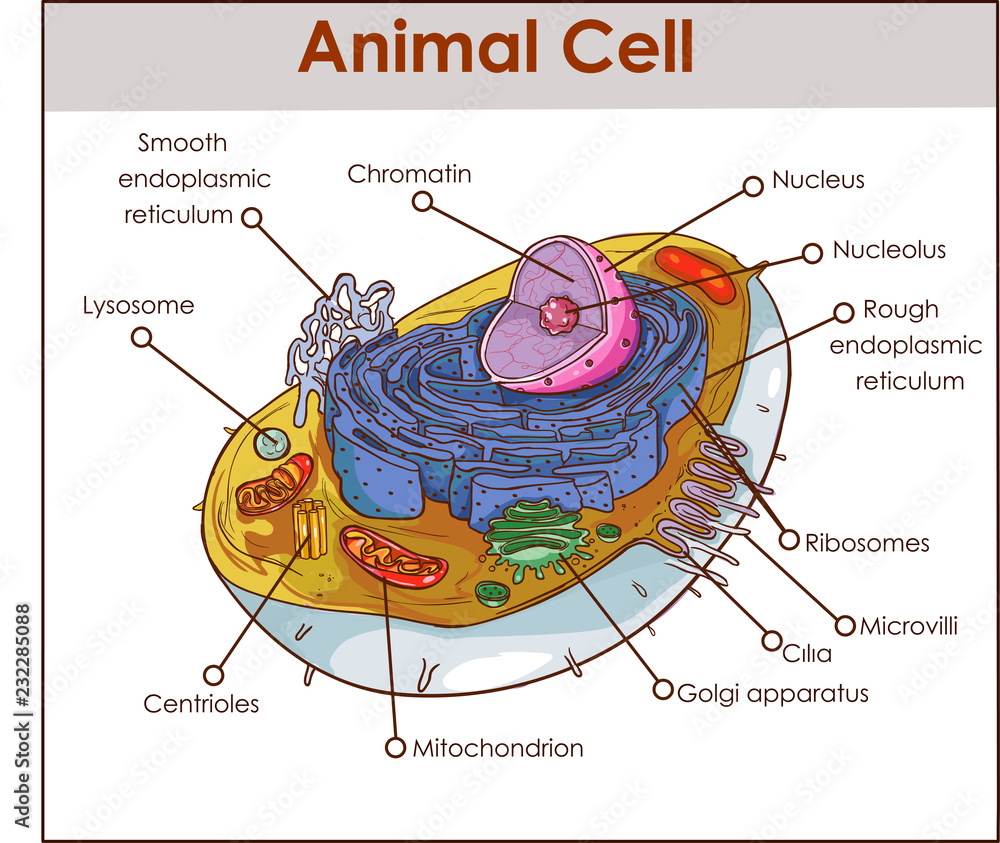
Cytoplasm
Jelly-like substance inside the cell Contains water and dissolved substances Where many chemical reactions occur Holds organelles in place

Animal Cell Memory Game
Work in pairs One person names an organelle Partner must describe its function Take turns for 3 minutes
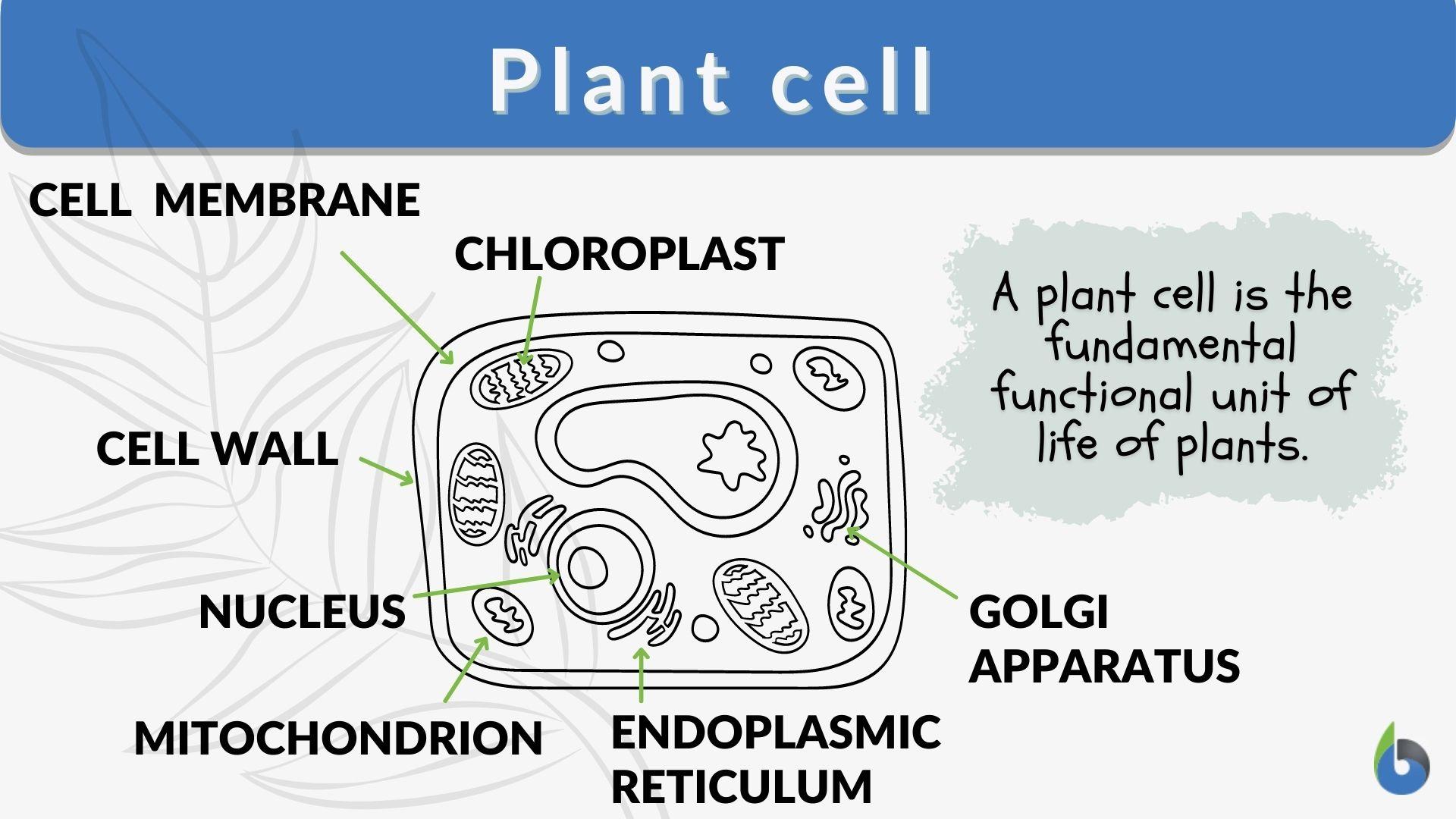
Plant Cell Structure
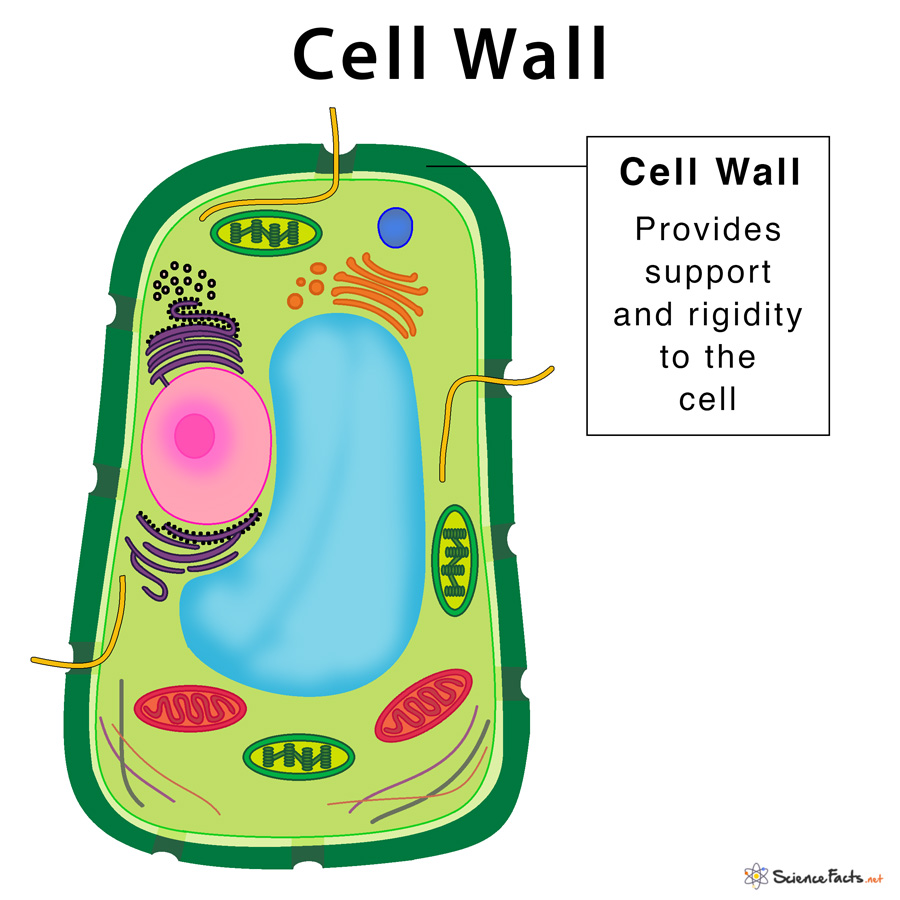
Cell Wall
Rigid outer layer Made of cellulose Provides structure and support Only found in plant cells
19 more slides available after you open the deck.
Download all 31 slides