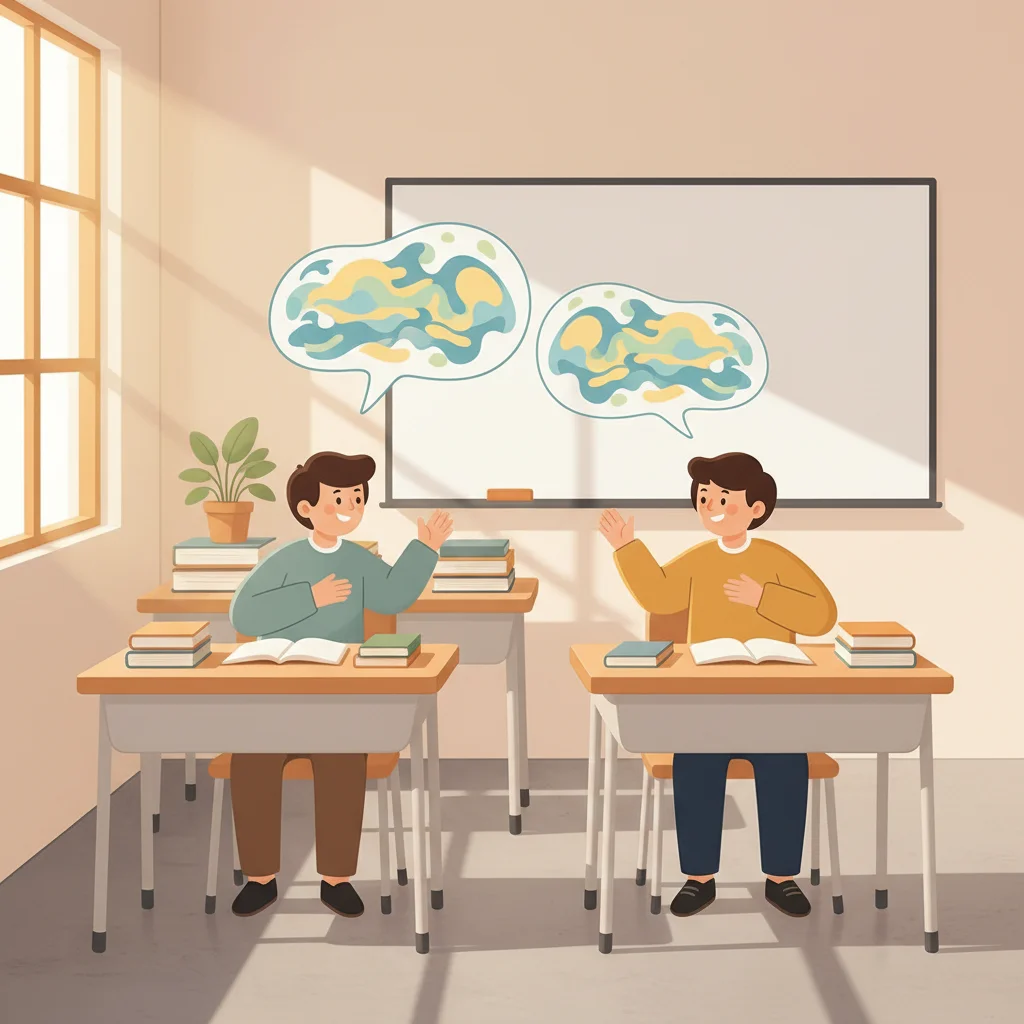
Characters Revealed Through Dialogue
Year 10 English Exploring Character Development Through Speech NSW Curriculum

Learning Objectives
Understand how dialogue reveals character traits Analyze the relationship between speech patterns and personality Identify techniques authors use in character dialogue Create authentic dialogue that develops character

The Power of Speech
'Dialogue is not just quotation. It is grimaces, pauses, adjustments of blouse buttons, doodles on a napkin, and crossings of legs.' - Jerome Stern

What Dialogue Reveals
Personality traits and attitudes Educational background and social class Emotional state and motivations Relationships with other characters Cultural background and values
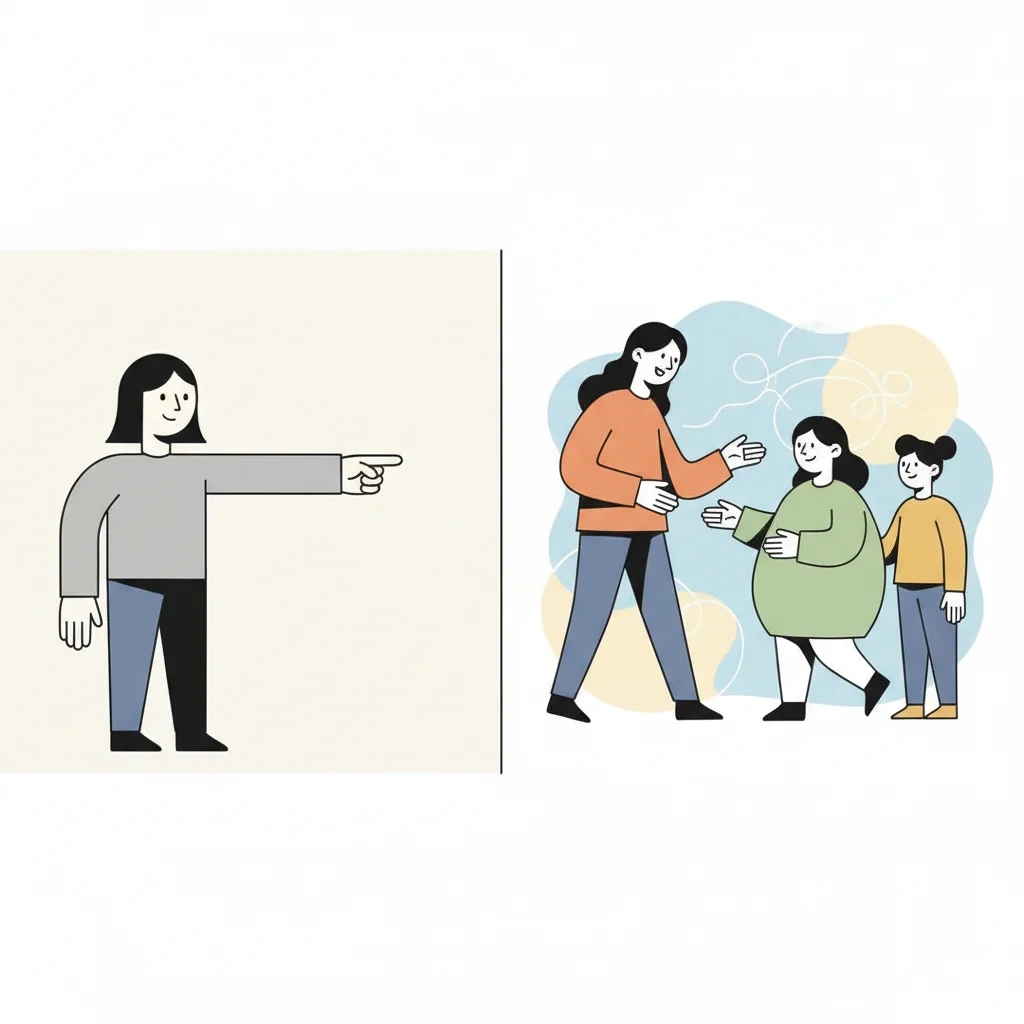
Direct vs. Indirect Characterization
{"left":"Direct: Author explicitly tells us about the character\nIndirect: Character traits revealed through actions, thoughts, and dialogue","right":"More engaging for readers\nCreates realistic, complex characters"}

Dialogue Detective
Read the dialogue excerpt from your handout Identify what each character's speech reveals about them Look for: vocabulary choices, sentence structure, tone Share findings with a partner

Techniques for Character-Revealing Dialogue
Vocabulary level and word choice Sentence length and structure Use of slang, dialect, or formal language Interruptions and pauses What characters avoid saying

Think and Discuss
How might a nervous character speak differently from a confident one? What speech patterns might reveal someone's age or background?

Character Dialogue Creation
Work in pairs to create a conversation between two characters Choose contrasting personalities (shy/outgoing, formal/casual, young/old) Write 8-10 lines of dialogue that reveals their traits Focus on making speech patterns authentic to each character

Sharing and Feedback
Volunteer pairs read their dialogue aloud Class identifies character traits revealed through speech Discuss effective techniques used Provide constructive feedback

Key Takeaways
Dialogue is a powerful tool for indirect characterization Speech patterns reflect personality, background, and relationships Effective dialogue sounds natural while serving the story What characters don't say is often as important as what they do say Practice analyzing and creating dialogue improves both reading and writing skills
1 more slide available after you open the deck.
Download all 12 slides