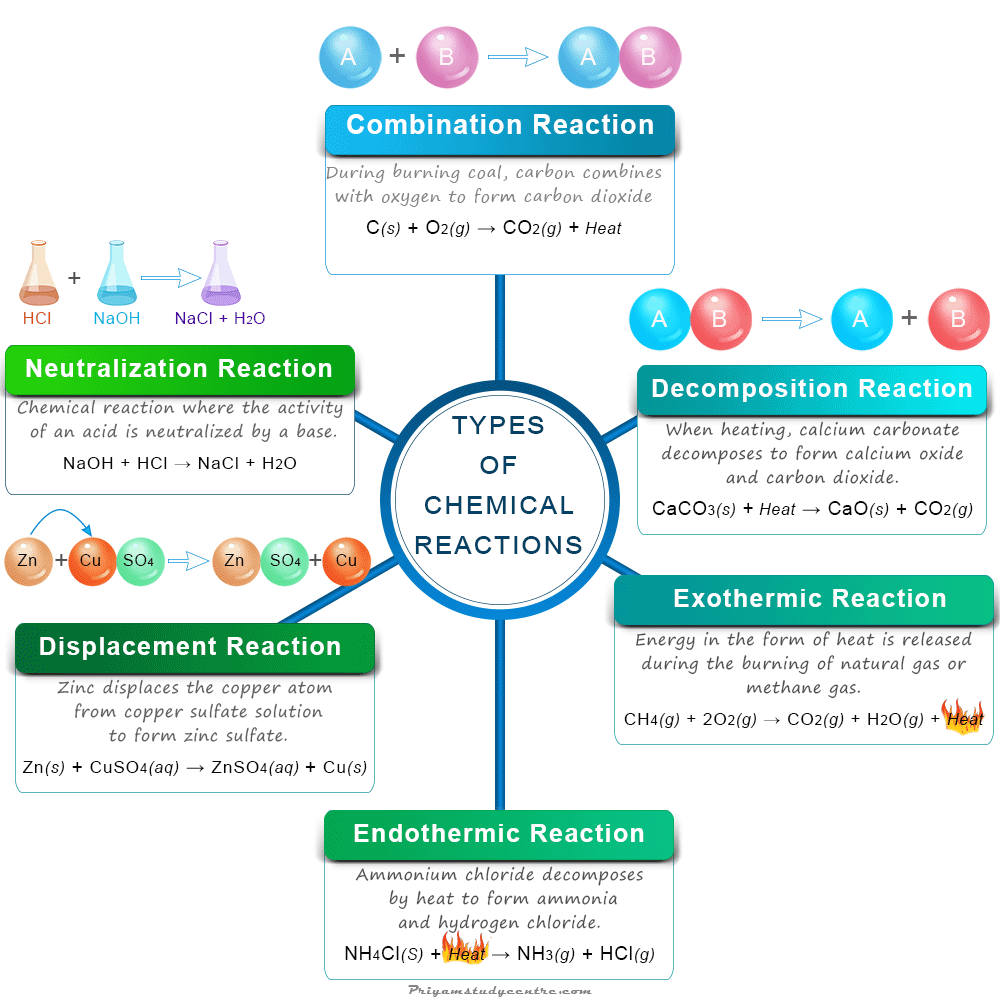
Chemical Changes: Mass Conservation Exploration
Year 8 Science Investigating Chemical Reactions Conservation of Mass

Learning Objectives
Identify differences between physical and chemical changes Recognise indicators of chemical change Perform conservation of mass experiments Write chemical word and symbolic equations Express how we recognise chemical changes
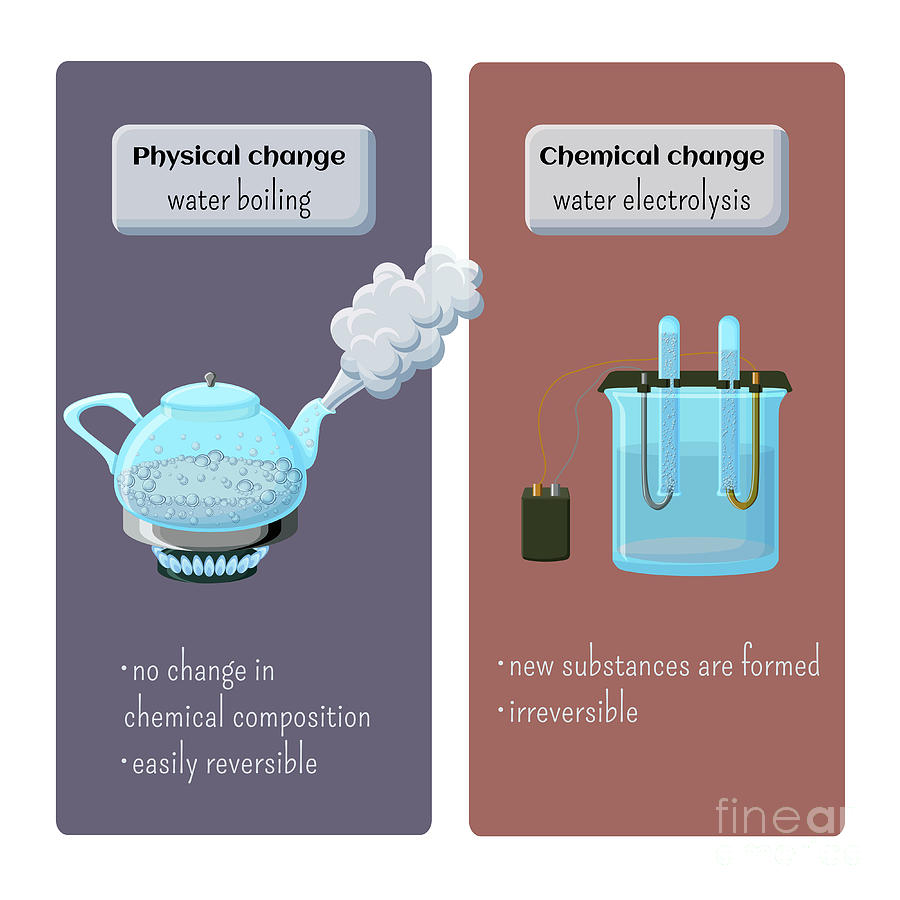
Physical vs Chemical Changes
{"left":"Physical Changes: No new substance formed, Can be reversed easily, Change in state or appearance only, Examples: melting ice, tearing paper","right":"Chemical Changes: New substance formed, Usually irreversible, Bonds break and form, Examples: burning wood, rusting iron"}

Indicators of Chemical Change
Gas production (bubbling or fizzing) Colour change Temperature change (heat or cold) Formation of a solid (precipitation) Light or sound production

Think About It
What happens when you bake a cake? Is it a physical or chemical change? What evidence supports your answer?
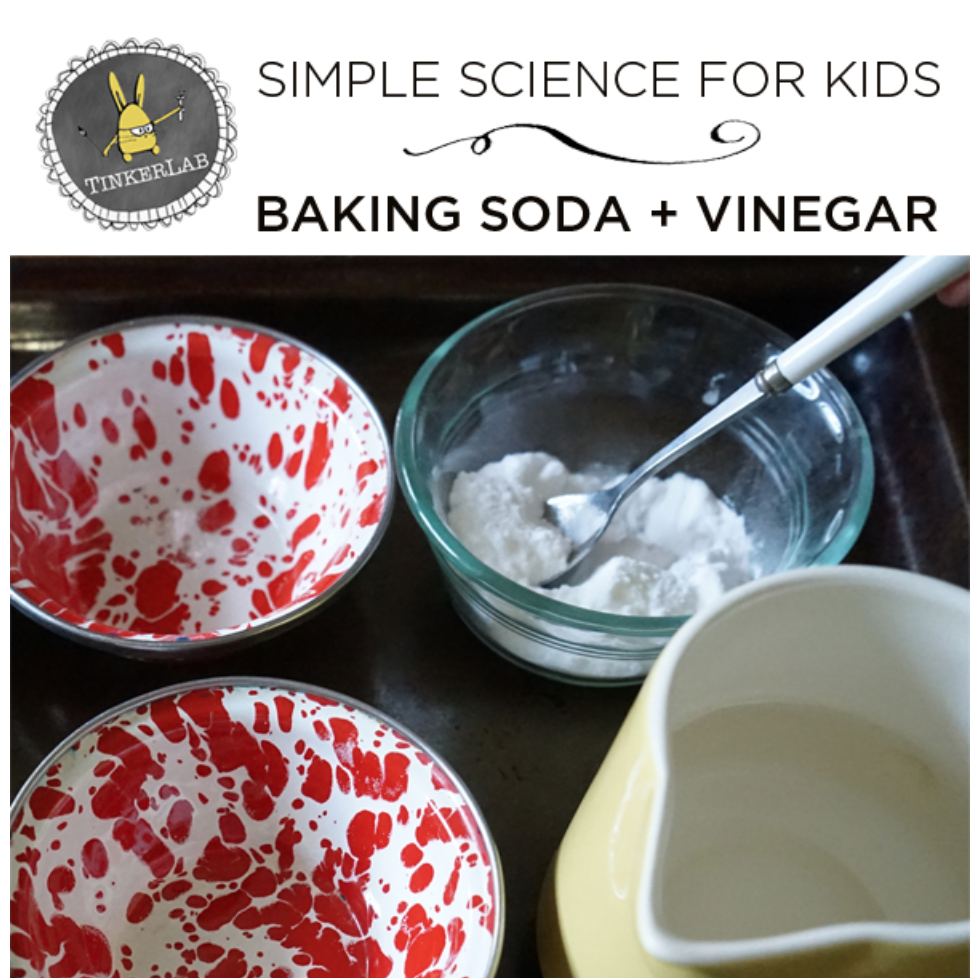
Demonstration: Baking Soda + Vinegar
Observe the reaction carefully Look for indicators of chemical change Predict: Will mass be conserved? Form your hypothesis before the experiment

Group Experiment Setup
Work in groups of 4-5 students Measure mass of all materials before reaction Mix baking soda and vinegar in sealed bag Measure mass after reaction Record all observations and data

The Chemical Equation
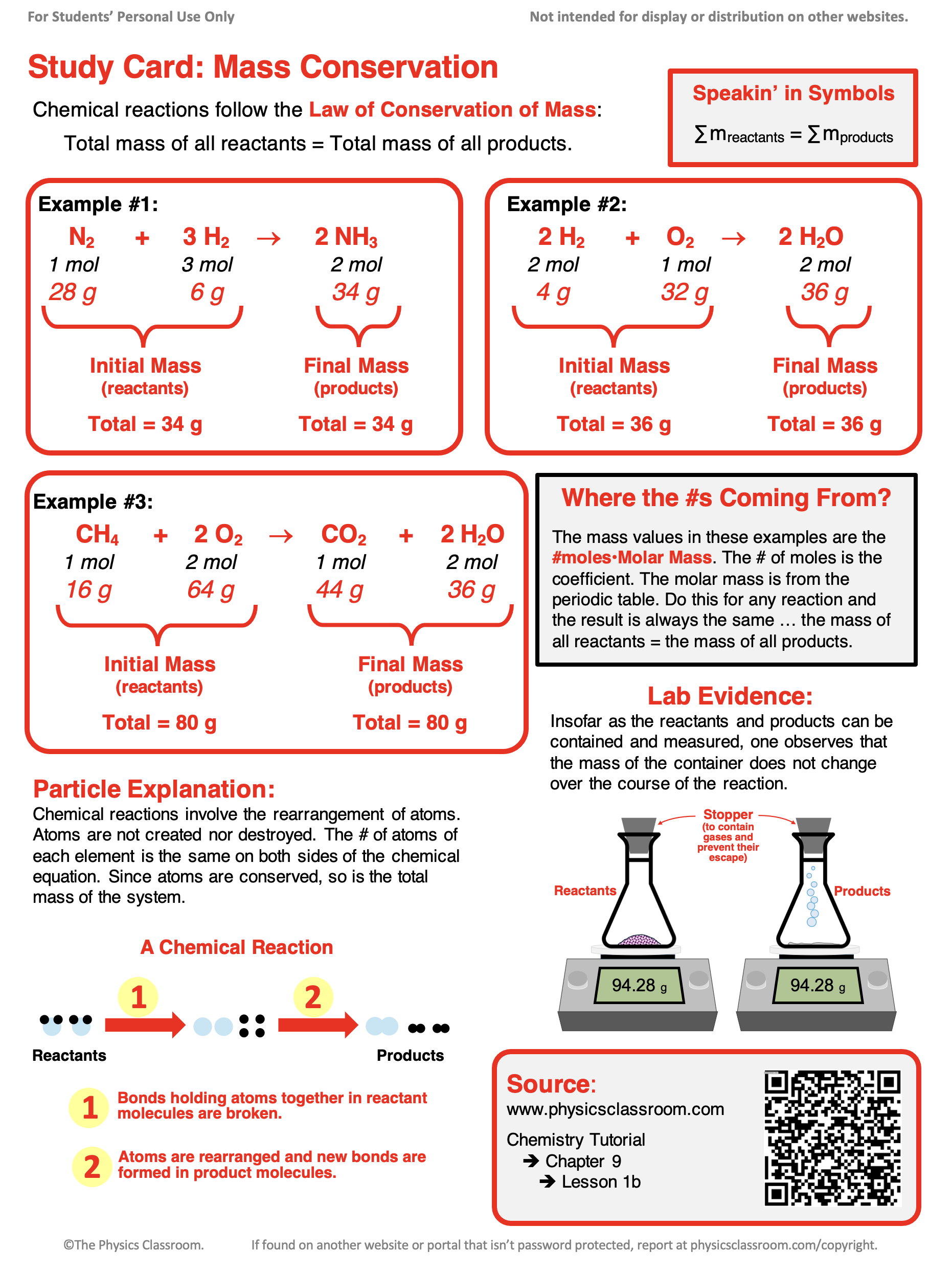
Data Analysis & Conservation of Mass
Compare initial and final mass measurements Mass remains constant in closed system Gas cannot escape from sealed bag Atoms are rearranged, not created or destroyed Law of Conservation of Mass demonstrated

Key Takeaway
In a chemical change, new substances form with different properties, but the total mass remains constant when measured in a closed system.