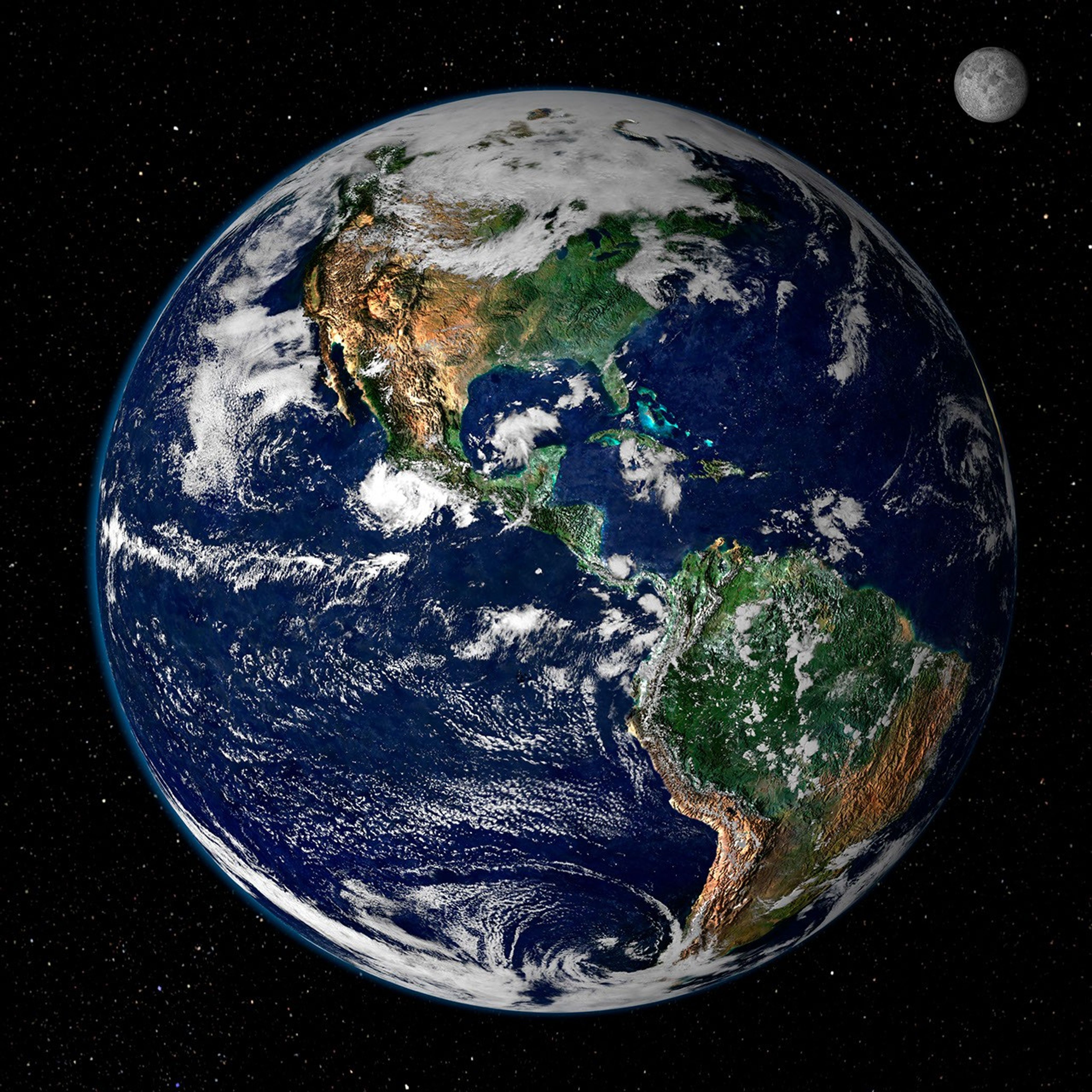
Climate and Location Around Earth
Year 3 Geography Understanding how where we live affects weather patterns

Learning Goals for Today
Explain the difference between climate and environment Find the equator and poles on a globe or map Understand how location affects climate

Quick Map Revision
Name the 7 continents Name the 5 oceans Where is Australia? What is a hemisphere?
Turn and Talk
What do you think climate means? Share your ideas with a partner
What is Climate?
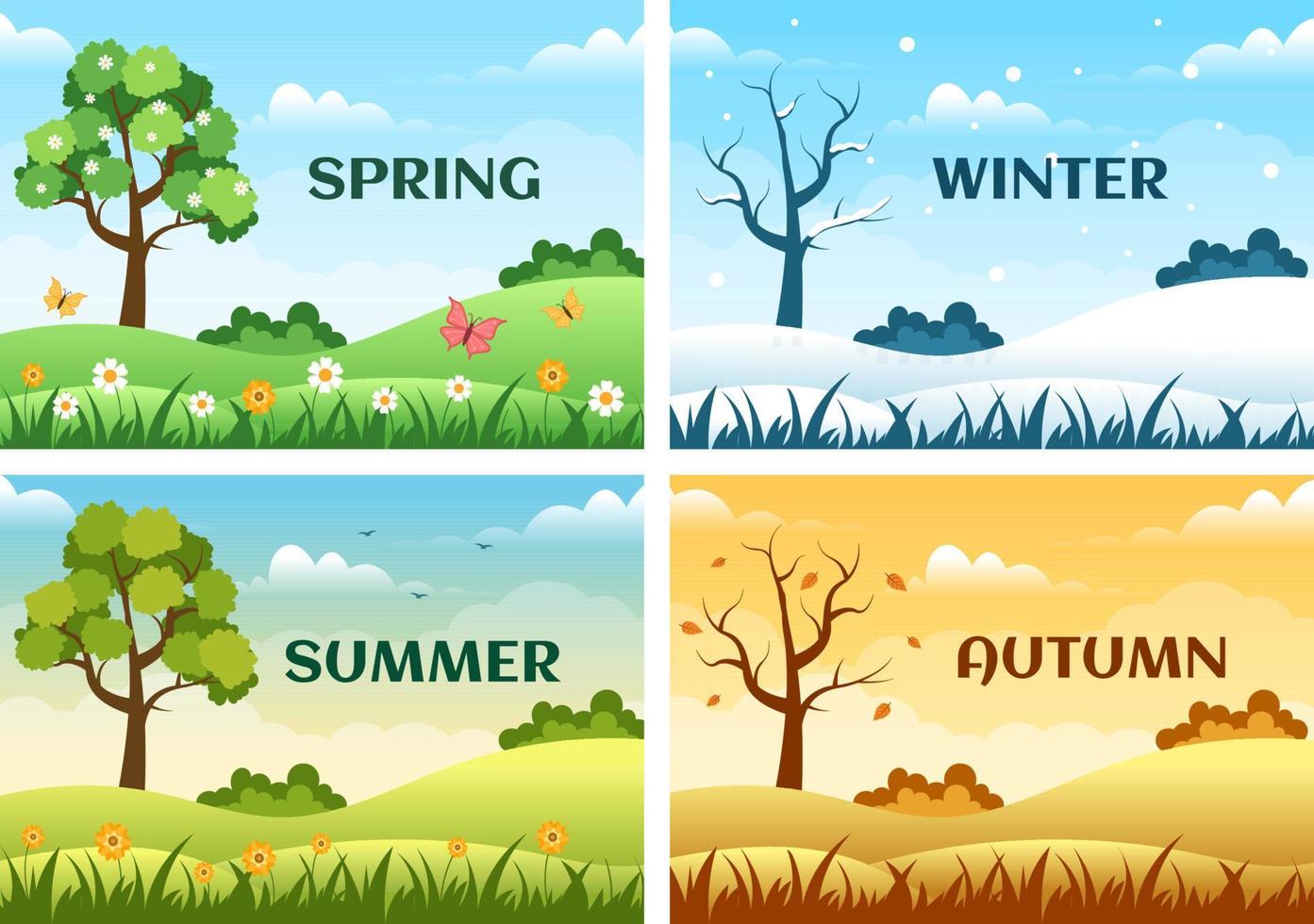
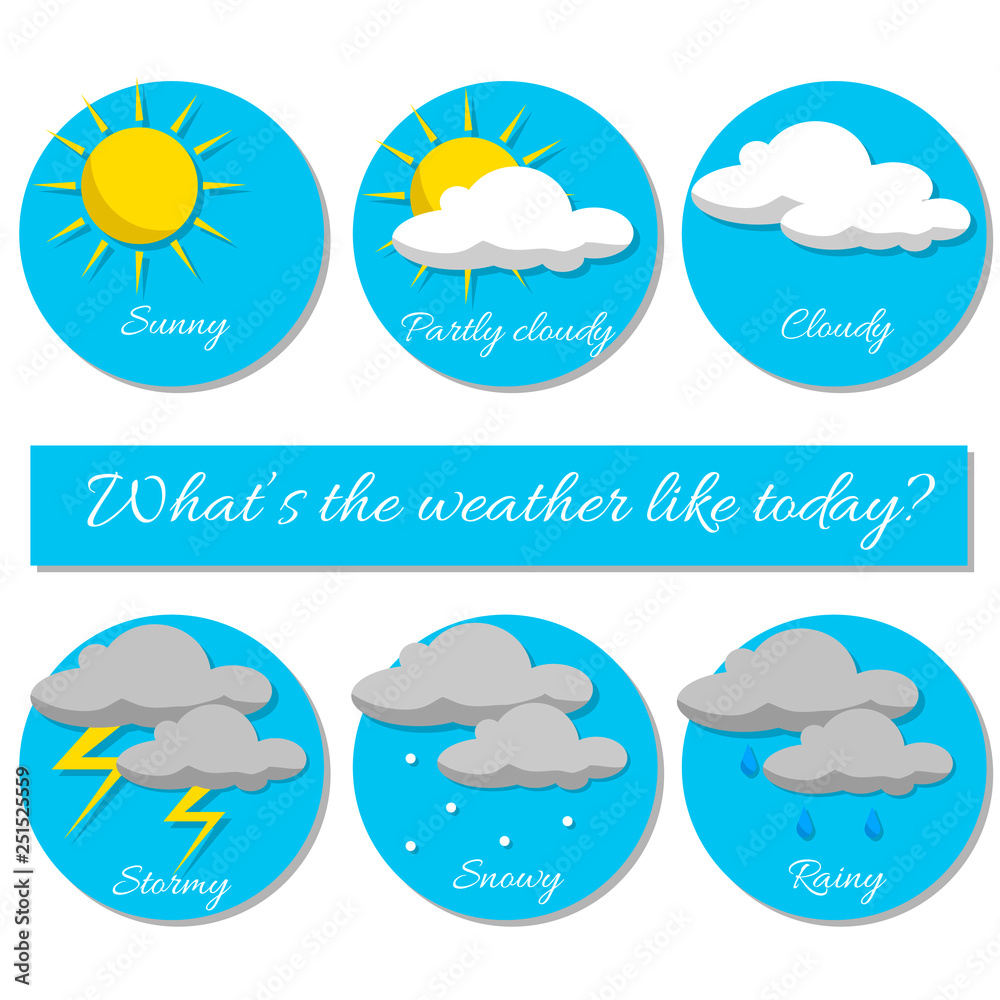
Climate = the type of weather a place has over a long time Examples: hot, cold, wet, dry It's not just today's weather - it's the pattern over many years
What is Environment?
Environment = everything around us Living things: plants, animals, people Non-living things: land, water, buildings, rocks
Climate vs Environment
{"left":"Climate is about weather patterns over time\nEnvironment is everything around us\nHot, cold, wet, dry weather","right":"Plants, animals, land, water, buildings\nChanges slowly over many years\nCan change quickly (like cutting down trees)"}

Image Discussion
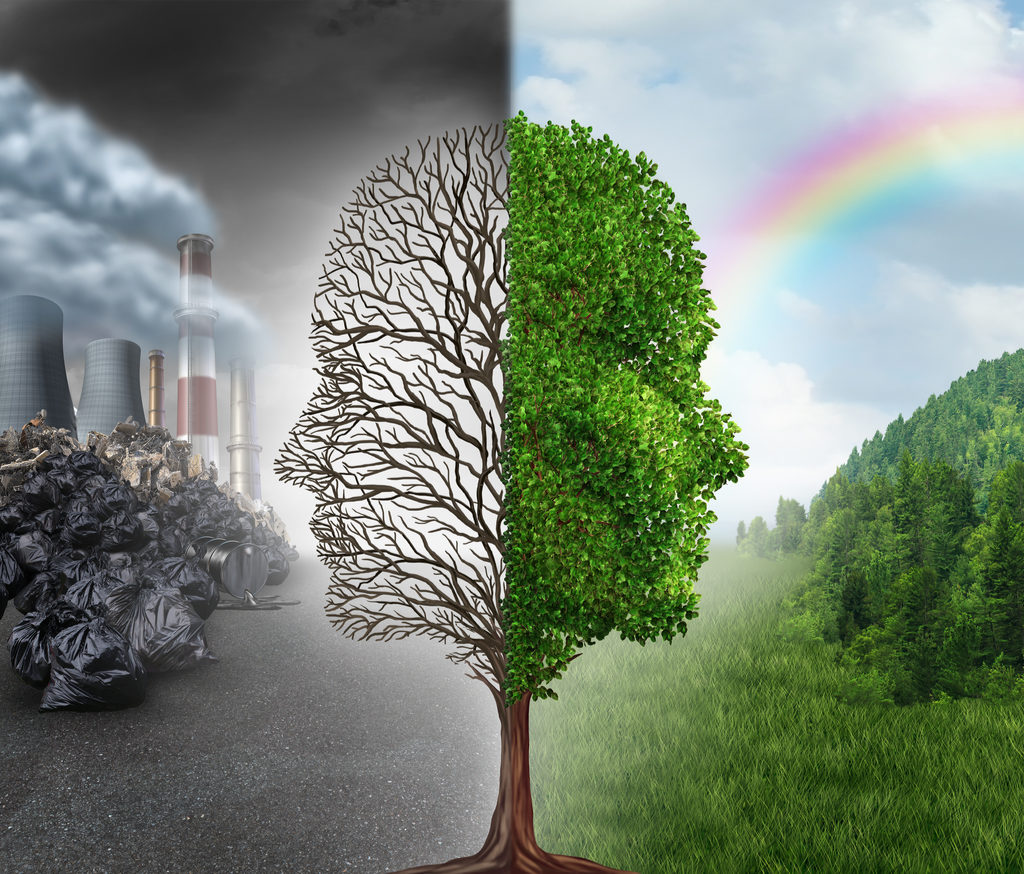
Look at these two different places What is the climate like in each? What do you notice about the environment? How are climate and environment connected?
Finding the Equator and Poles
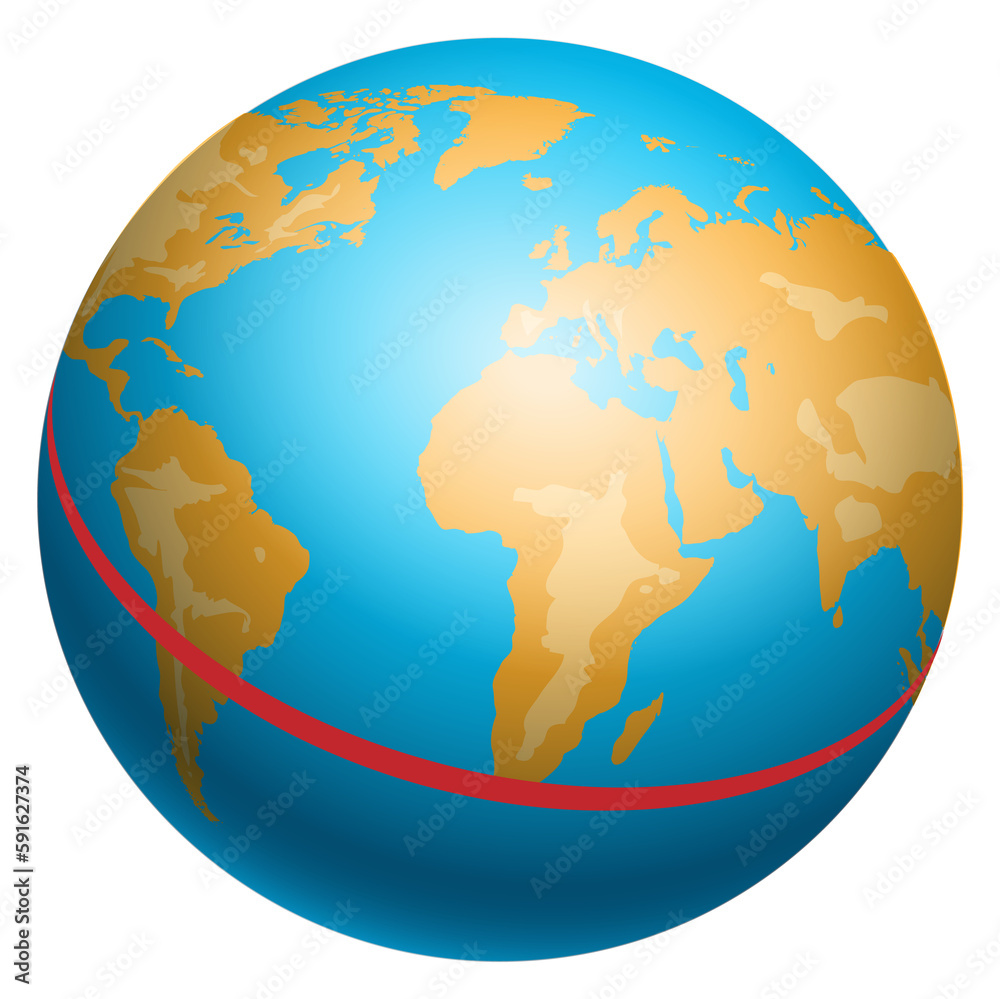
The equator is an imaginary line around the middle of Earth It's the hottest part - gets the most sunlight The poles are at the top and bottom of Earth North Pole and South Pole are very cold

Earth's Climate Zones

Make Your Own Earth Model
Use a ball for Earth Wrap string around the middle for the equator Add cotton wool to top and bottom for icy poles Explain to your partner using new vocabulary

What Have We Learned?
Climate is weather patterns over a long time Environment is everything around us The equator is hot because it gets direct sunlight The poles are cold because they get less sunlight Location on Earth affects climate