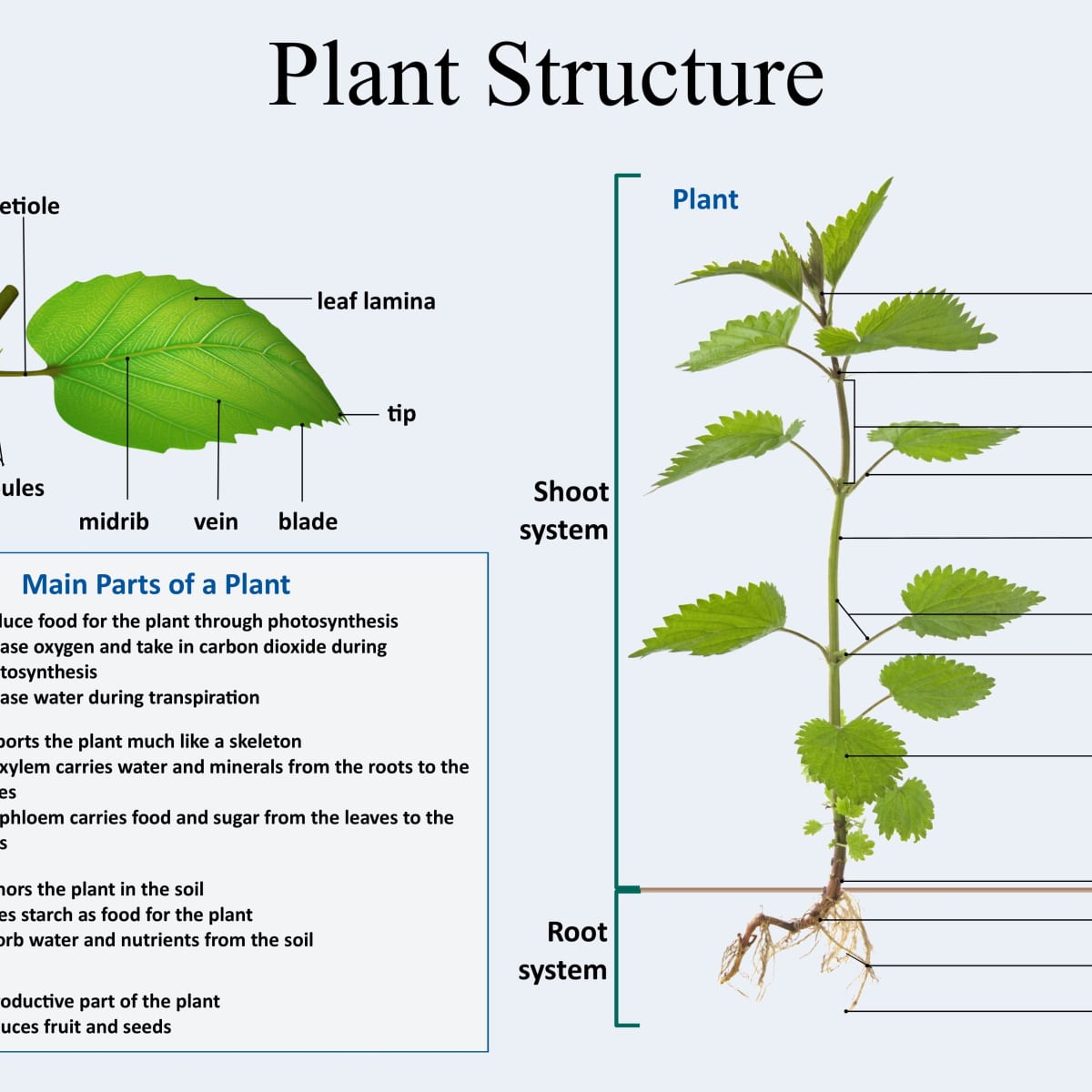
Complex Plant Organisation: Tissues & Organs
Understanding plant structure and function Year 11 Biology Exploring roots, stems, leaves, and flowers

What Makes a Plant Complex?
Think about a tree versus a moss What structural differences do you notice? How might these differences help each plant survive?
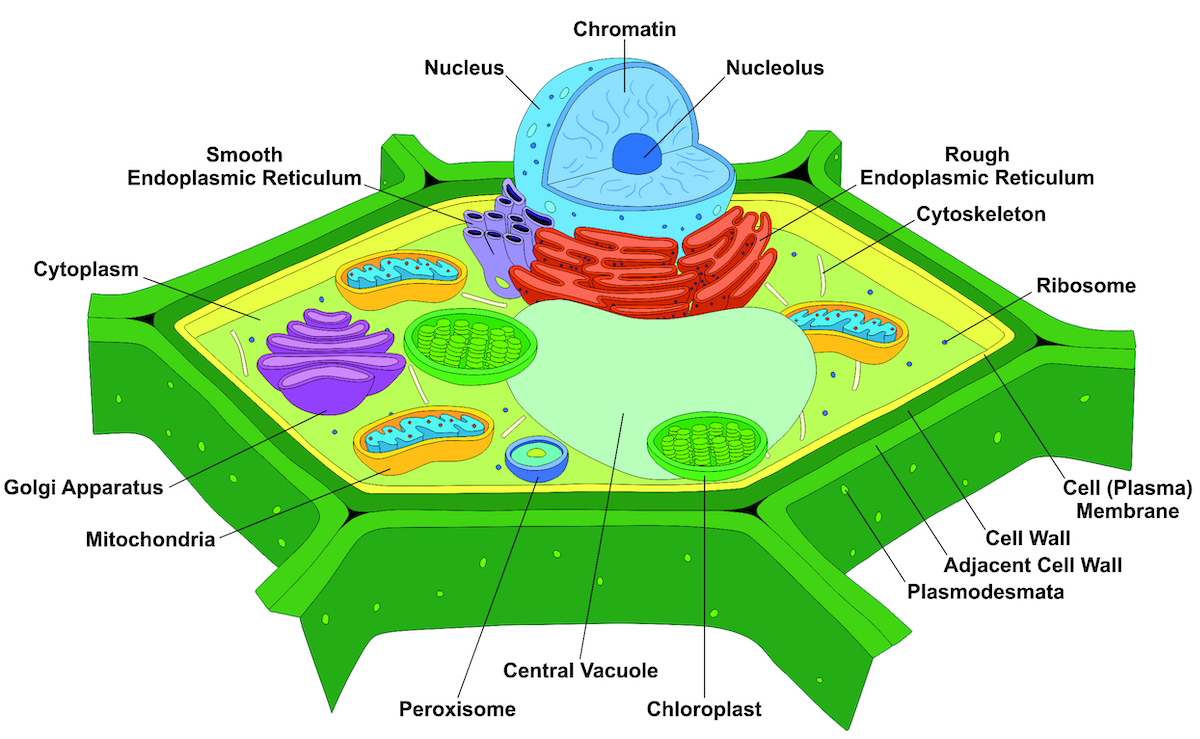
Plant Organisation Hierarchy
Cells → Tissues → Organs → Organ Systems Each level has specific functions Working together for plant survival Similar to human body organisation

Plant Tissues: The Building Blocks
Meristematic tissue - growth zones Dermal tissue - protective covering Vascular tissue - transport system Ground tissue - storage and support

Meristematic vs Permanent Tissues
{"left":"Meristematic tissues are actively dividing\nFound at root tips and shoot tips\nCells are small and densely packed","right":"Permanent tissues have stopped dividing\nSpecialized for specific functions\nMake up most of the plant body"}

Vascular Tissue System

Roots: The Underground Network
Anchor the plant in soil Absorb water and nutrients Store food and nutrients Two main types: taproot and fibrous

Root System Investigation
Observe different root types around school Sketch and compare taproot vs fibrous Predict which plants have which root type Discuss advantages of each system
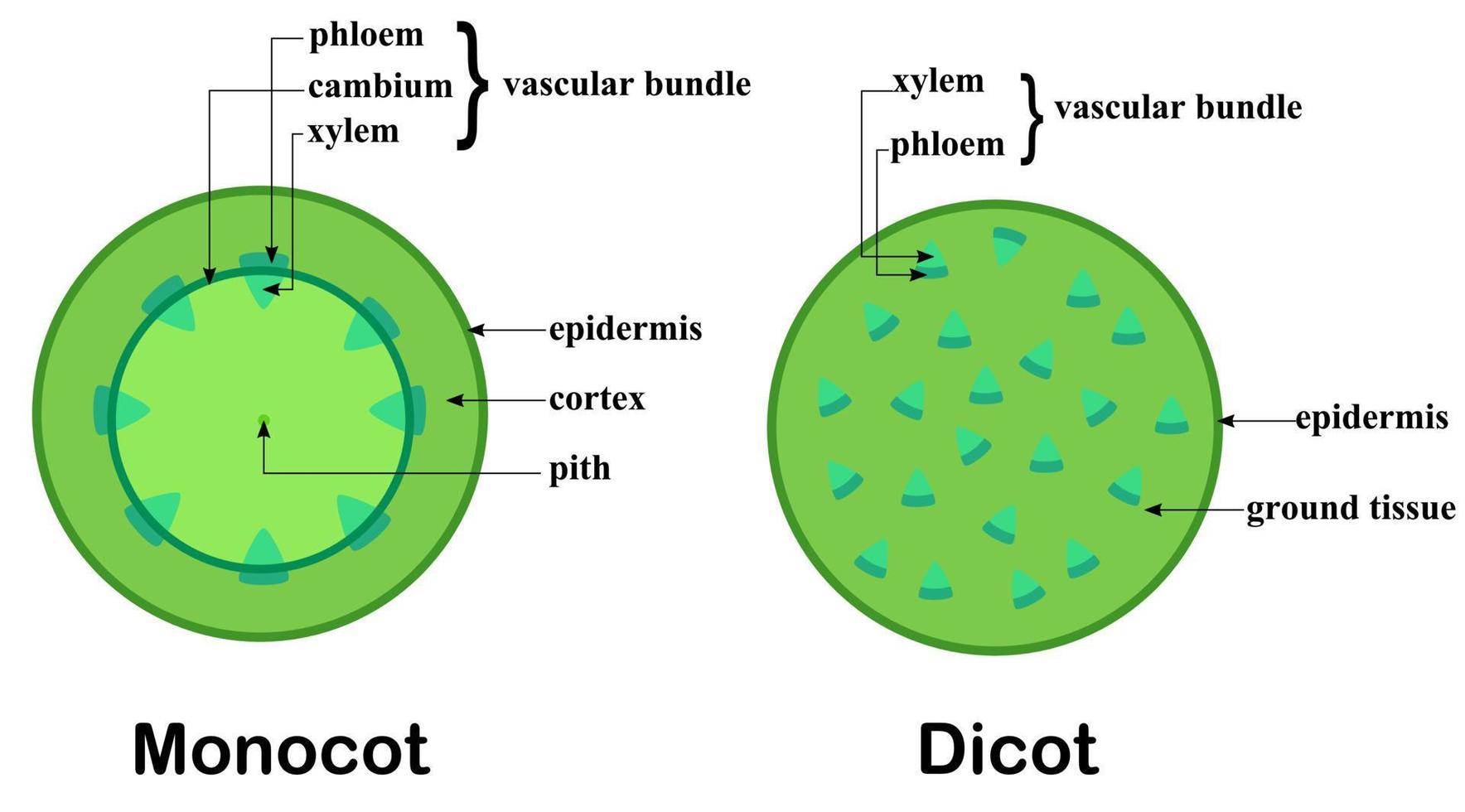
Stems: The Support Highway
Support leaves and flowers Transport materials between roots and leaves Store food and water Some stems are modified for special functions

Leaves: The Food Factories
Primary site of photosynthesis Gas exchange through stomata Transpiration and water regulation Various shapes adapted to environment

Leaf Adaptations to Environment
{"left":"Desert plants have thick, waxy leaves\nSmall surface area reduces water loss\nSome have spines instead of leaves","right":"Rainforest plants have large, broad leaves\nMaximize light capture in shade\nDrip tips help shed excess water"}
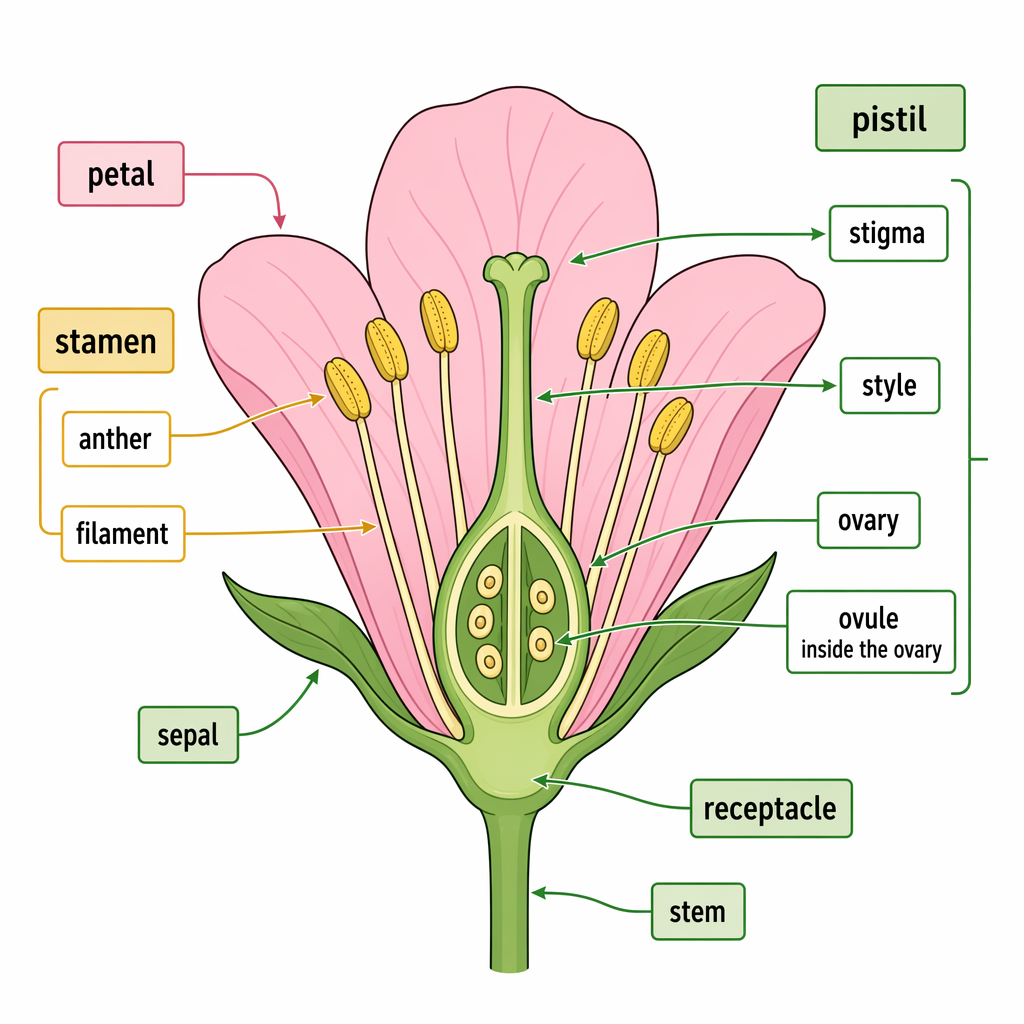
Flowers: Reproduction Central
Male parts: stamens (anther + filament) Female parts: pistil (stigma + style + ovary) Petals attract pollinators Sepals protect developing flower
2 more slides available after you open the deck.
Download all 14 slides