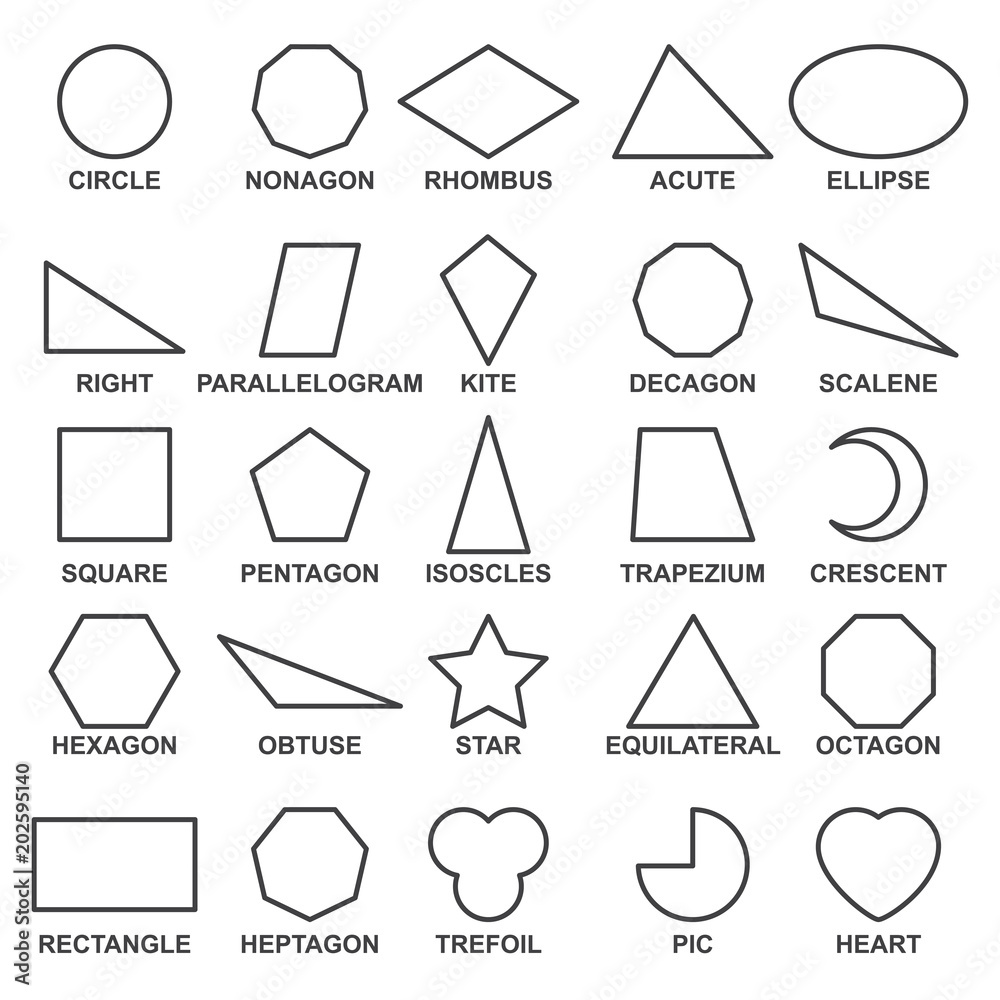
Composite Shapes: Area & Perimeter Mastery
Year 9 Mathematics NSW Curriculum Breaking down complex shapes into simple parts

Quick Recall Challenge
What is the formula for the area of a circle? What is the formula for the area of a semicircle? What is the formula for the area of a quadrant?
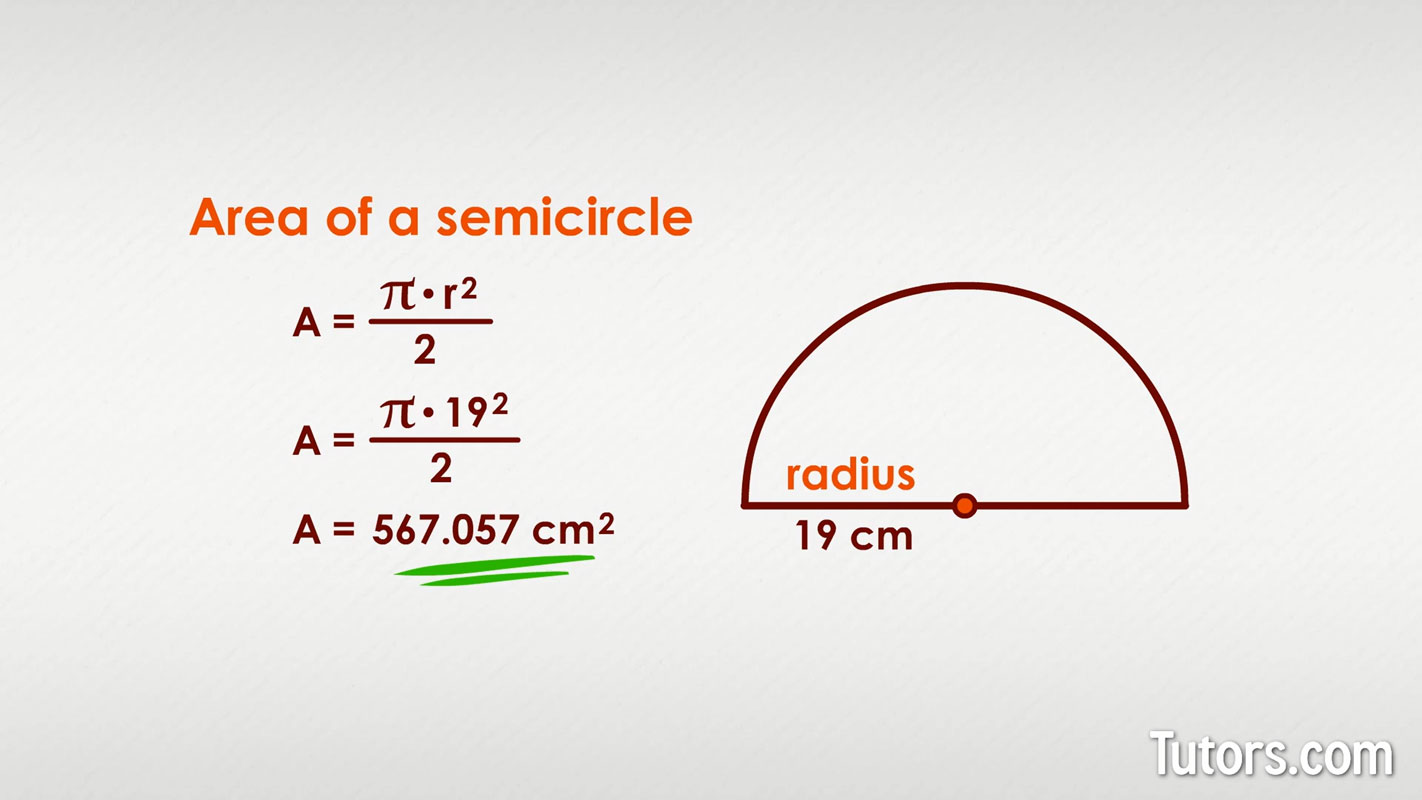
Review: Circle Area Formulas
Year 9 Mathematics NSW Curriculum Breaking down complex shapes into simple parts
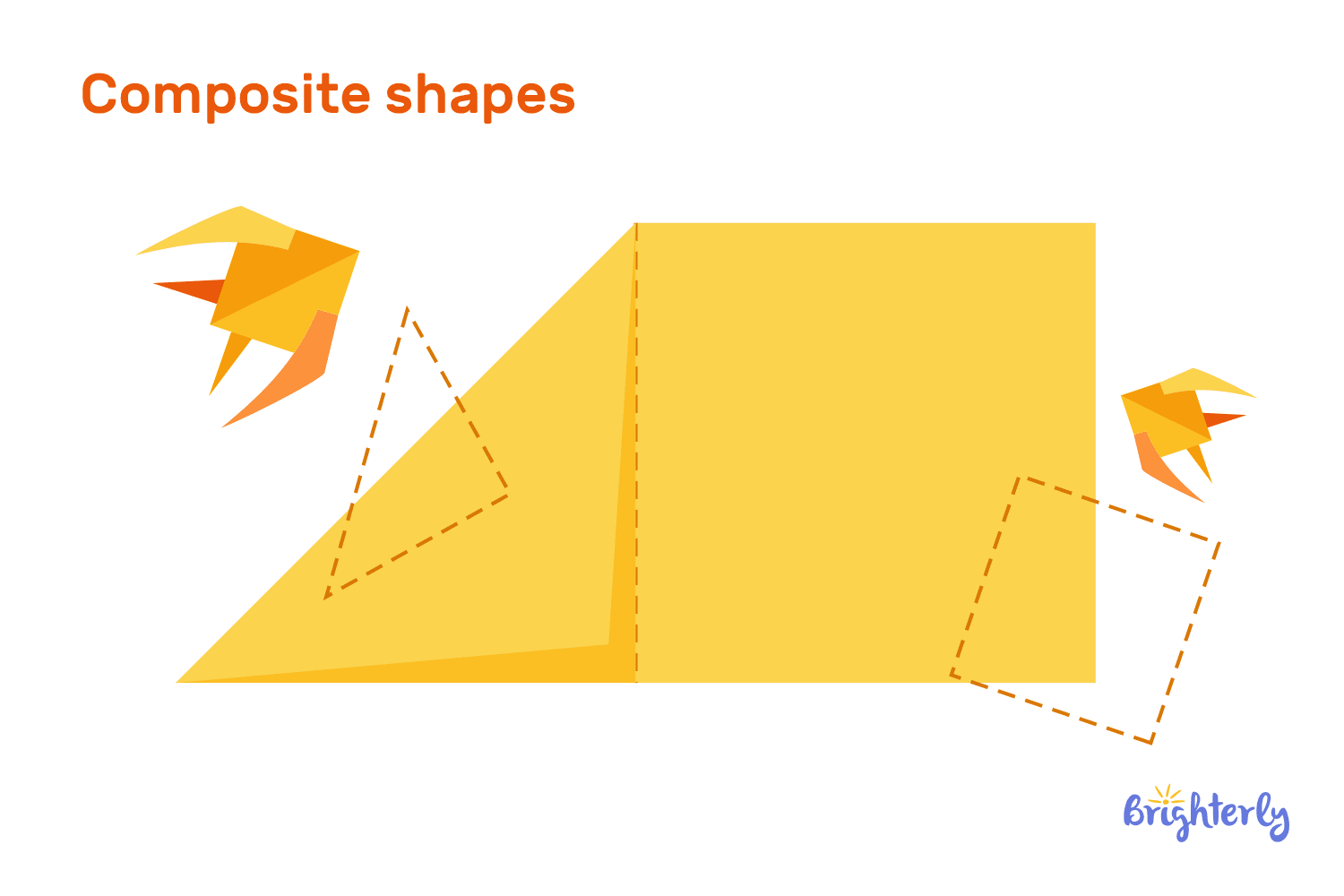
What Are Composite Shapes?
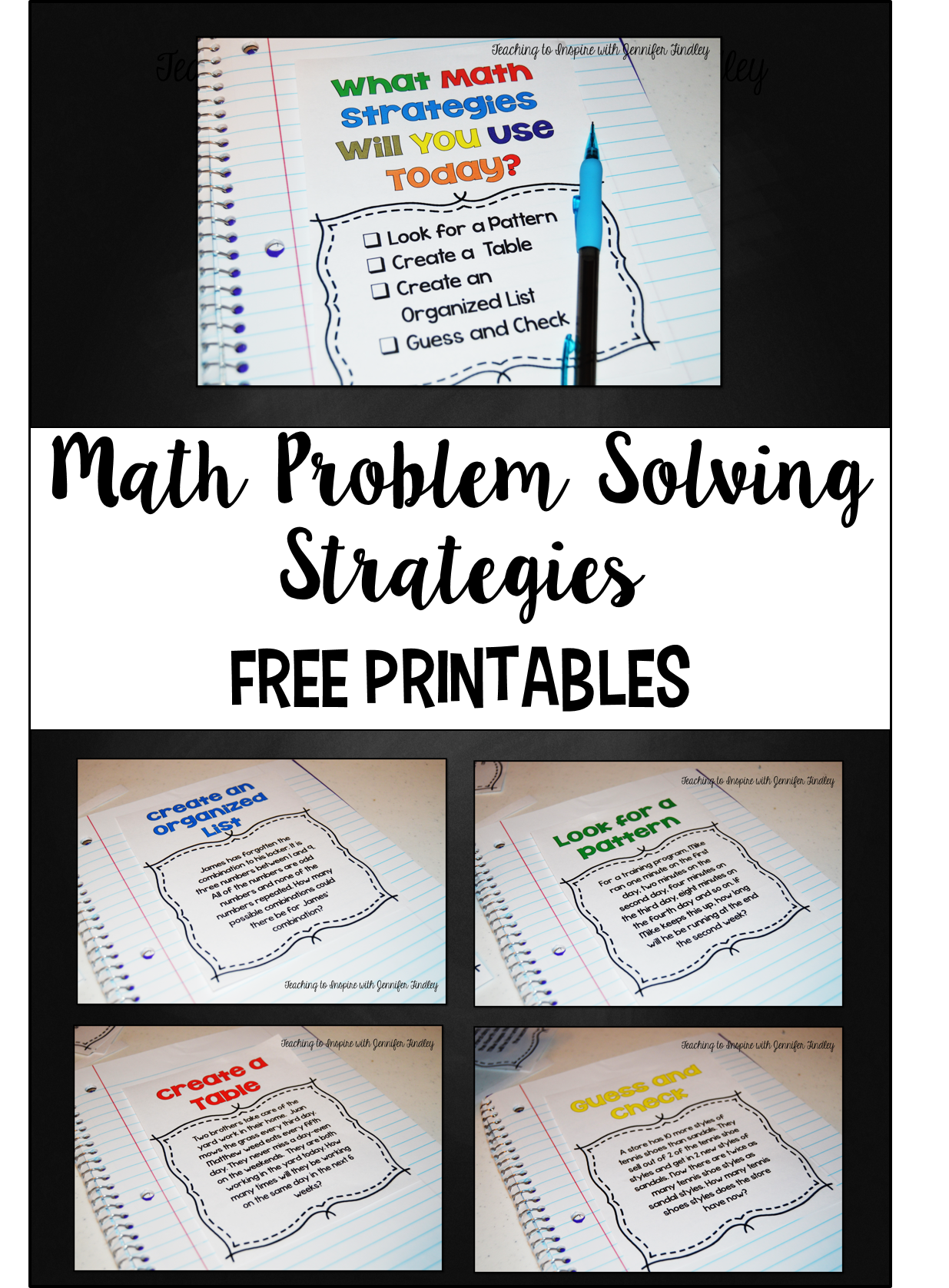
The 4-Step Strategy
1. Identify the basic shapes 2. Decide: Add or Subtract? 3. Choose the correct formula for each part 4. Calculate carefully with correct units

Worked Example 1: Rectangle + Semicircle
Rectangle: 10cm × 6cm Semicircle attached to 6cm side (radius = 3cm) Step 1: Identify shapes Step 2: Add areas (shapes combine) Step 3: A(rectangle) = l × w, A(semicircle) = ½πr² Step 4: Calculate and add

Worked Example 2: Square with Quadrant Cut Out
Square: 8cm × 8cm Quadrant cut from corner (radius = 4cm) Step 1: Identify shapes Step 2: Subtract areas (quadrant removed) Step 3: A(square) = s², A(quadrant) = ¼πr² Step 4: Calculate and subtract

Practice Time: Your Turn!
{"left":"Calculate the area of a rectangle (12cm × 8cm) with a semicircle (radius 4cm) on the longer side\nFind the perimeter of an L-shaped figure made from two rectangles: 10cm × 6cm and 4cm × 3cm","right":"A circular garden (radius 5m) has a square flower bed (side 3m) in the center. Find the grass area.\nChallenge: Design your own composite shape and write a question for a partner"}