
Constitutional Reform Essay Skills Focus
Year 11 Social Sciences Developing Essay Writing Excellence Constitutional Reform & Aboriginal Rights

Learning Objectives & Success Criteria
Structure effective essays with clear introduction, body, and conclusion Use accurate legal terminology and vocabulary Incorporate case study evidence from the Yes referendum Demonstrate understanding of essay writing conventions Apply linking words and modal verbs for coherent arguments

Essay Structure Fundamentals
Introduction: Hook + Context + Clear Thesis Statement Body Paragraphs: Topic Sentence + Evidence + Analysis + Link Conclusion: Restate Thesis + Summarise Key Points + Broader Implications Each paragraph should advance your central argument

Key Legal Vocabulary
Referendum: A direct vote by citizens on a specific political question Native Title: Recognition of Aboriginal peoples' rights to their traditional lands Constitutional Change: Formal amendments to Australia's founding legal document Sovereign Rights: Supreme authority and self-governance powers Legal Equality: Equal treatment under the law regardless of background

Case Study: The Yes Referendum on Constitutional Reform

Essay Planning Workshop
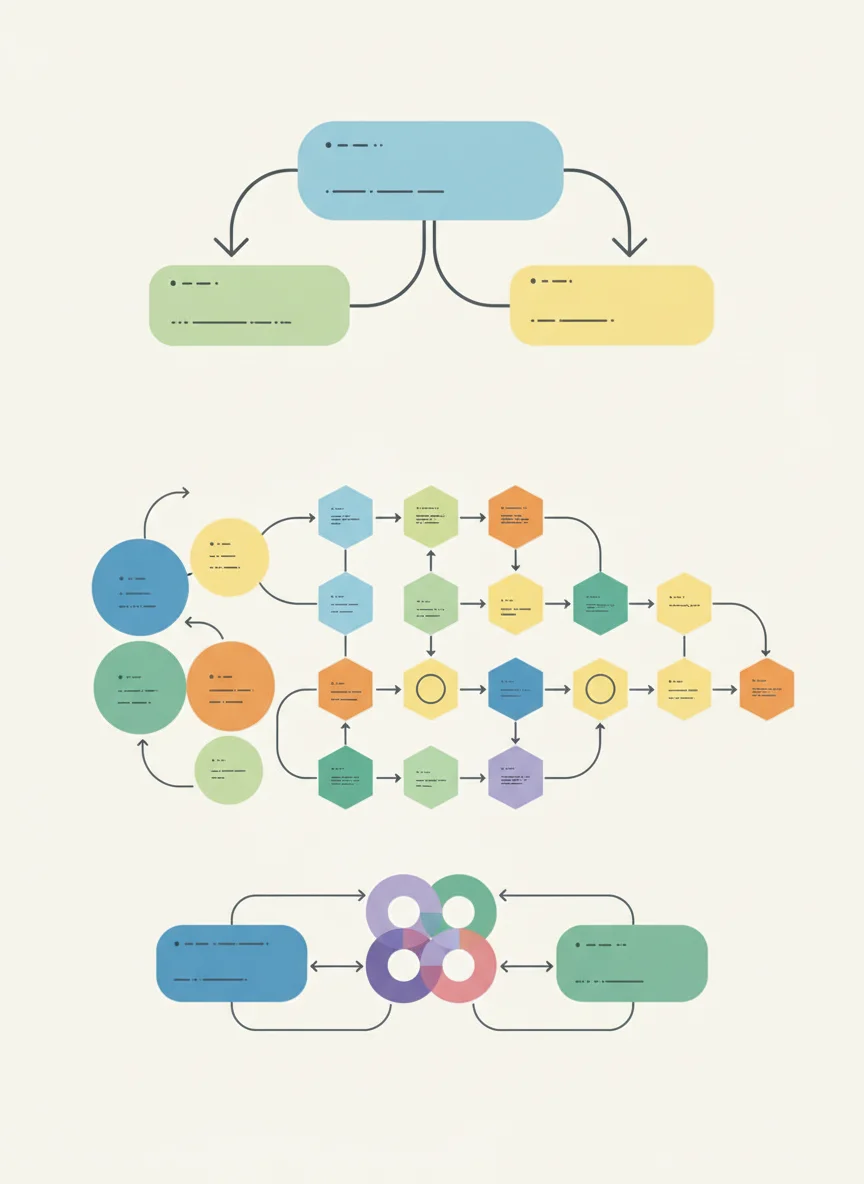
Essay Question: Critically analyse the impact of the Yes Referendum on Aboriginal rights. Work in pairs to create an essay plan Topic: 'The significance of constitutional reform for Aboriginal rights' Include: Thesis statement, 3 supporting points, Evidence from Yes referendum Use the graphic organizer provided Be ready to share one strong point with the class
Grammar Focus: Linking Words & Modal Verbs
Linking Words: However, Furthermore, Consequently, Nevertheless, In contrast Modal Verbs for Arguments: Should, Could, Would, Might, Must Example: 'The referendum should have received greater support. However, it demonstrates significant progress.' These create sophisticated, flowing arguments

Strong vs. Weak Essay Arguments
{"left":"Weak: 'The referendum was important and helped Aboriginal people.'\nStrong: 'The Yes referendum represented a pivotal moment in constitutional reform, as it would have formally recognised Aboriginal sovereignty and advanced legal equality through constitutional amendment.'","right":"Weak: 'Many people voted and it was significant.'\nStrong: 'With over 60% support, the referendum demonstrated widespread Australian commitment to reconciliation, consequently establishing a foundation for future constitutional reform initiatives.'"}

Quick Check: Apply Your Skills
Look at your essay plan from earlier Can you improve your thesis statement using legal vocabulary? Can you add a linking word to connect two of your main points? What evidence from the Yes referendum supports your strongest argument?

Reflection & Next Steps
One improvement I will make in my exam essay writing: Success criteria achieved today: Homework: Write a practice paragraph using today's skills Focus on: Thesis statement, legal vocabulary, Yes referendum evidence Remember: Structure, evidence, and sophisticated language create strong arguments