
Crime Patterns and Legal Responses
Understanding Crime Statistics and Law Reform Year 12 Social Sciences Queensland Curriculum

Learning Objectives
Analyse recent crime patterns using Queensland and Australian statistics Interpret how crime data influences legal reforms Critically evaluate effectiveness of legal responses to emerging crimes Develop informed opinions on crime trends and law reform relationships

Queensland Crime Statistics Overview

Data Analysis Activity
Work in pairs to examine crime statistics handouts Identify three significant trends in the data Discuss potential social factors influencing these patterns Consider how these trends might affect public policy

Legal Responses to Crime Patterns
{"left":"Cybercrime legislation updates\nEnhanced online fraud penalties\nDigital evidence collection laws\nCross-border cybercrime cooperation","right":"Domestic violence law reforms\nExpanded protection orders\nCoercive control legislation\nVictim support services enhancement"}

Critical Thinking Question
How effective can reactive law reform be in addressing rapidly changing crime patterns? Consider: Speed of legislative process vs. pace of technological change Discuss potential benefits and limitations
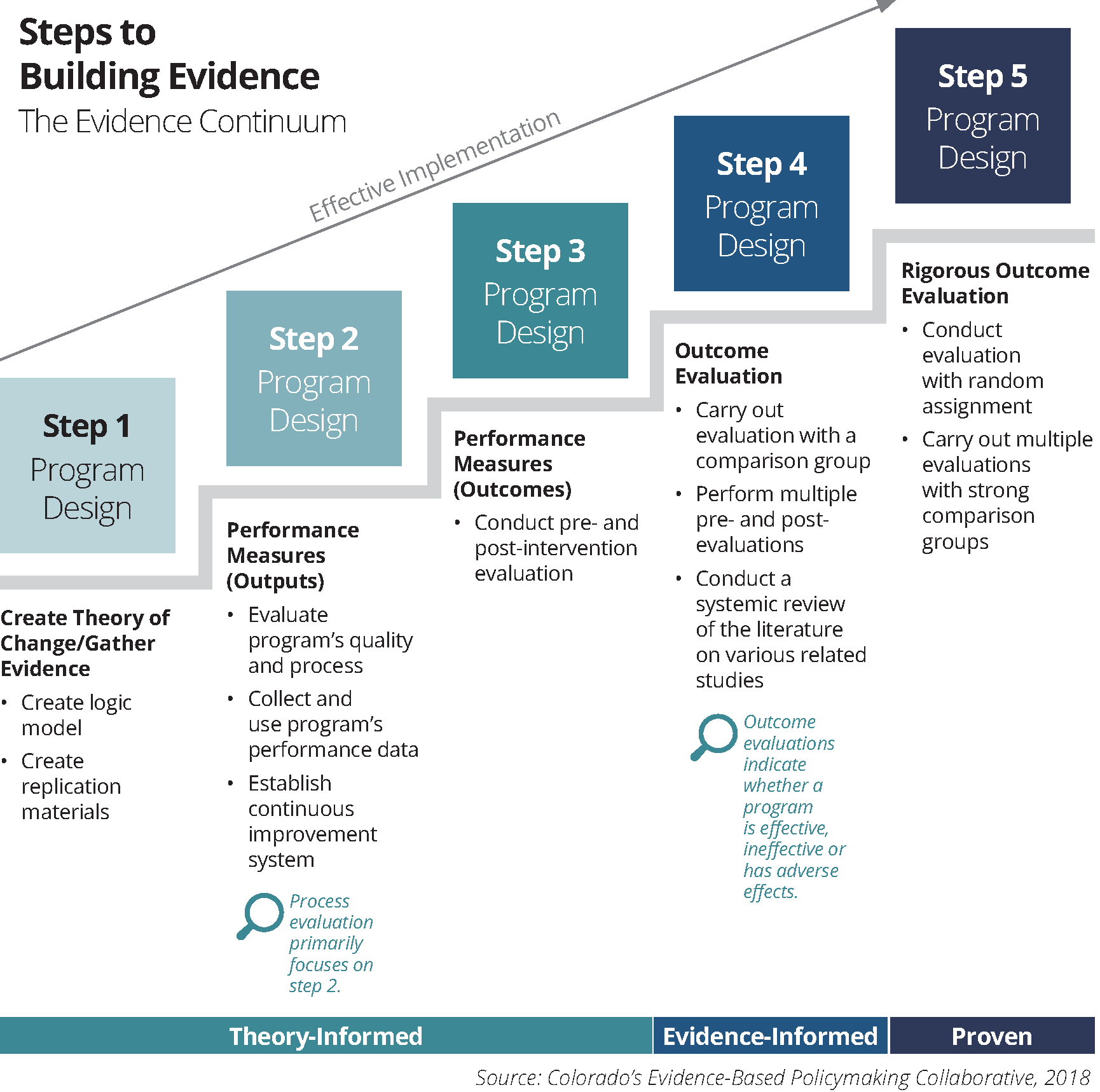
Evidence-Based Law Reform
Statistics provide objective foundation for policy decisions Help identify priority areas for legislative attention Enable measurement of reform effectiveness over time Support public understanding and acceptance of new laws

Reflection and Summary
Understanding crime patterns helps society respond better through informed law reform Data-driven approaches lead to more effective legislation Critical analysis of statistics is essential for good citizenship