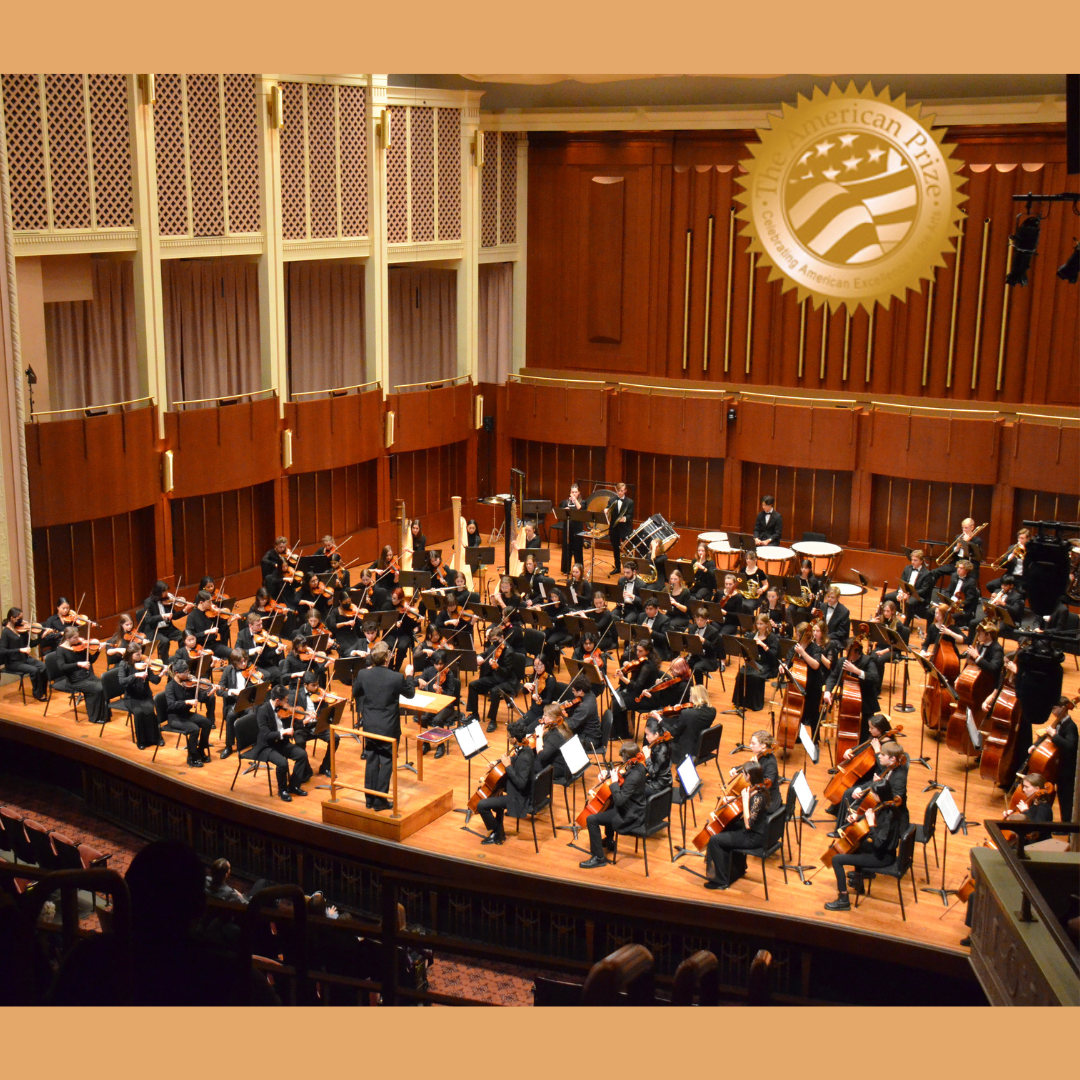
Discovering Orchestra Families and Sounds
Year 7 Music Lesson 2 of 8 Exploring the Four Instrument Families

What Makes an Orchestra?
An orchestra is like a musical family Four main instrument families work together Each family has a special role to play Together they create rich, complex music
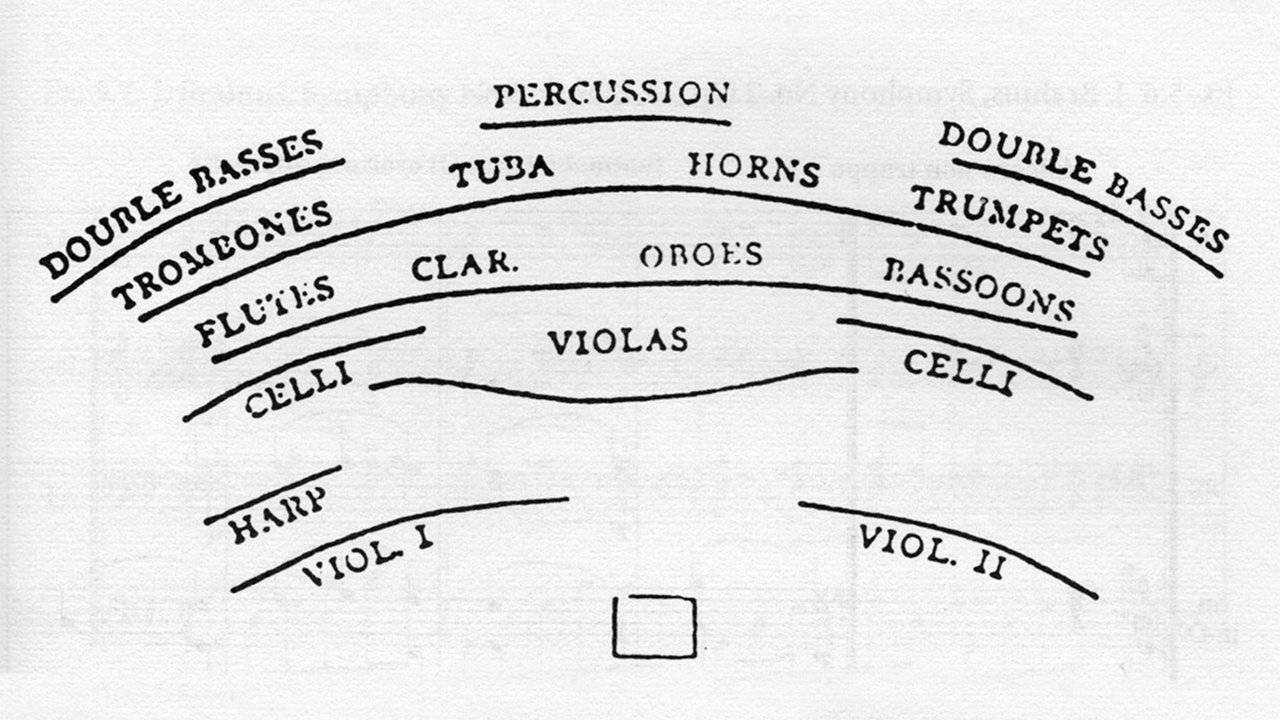
The Four Orchestra Families
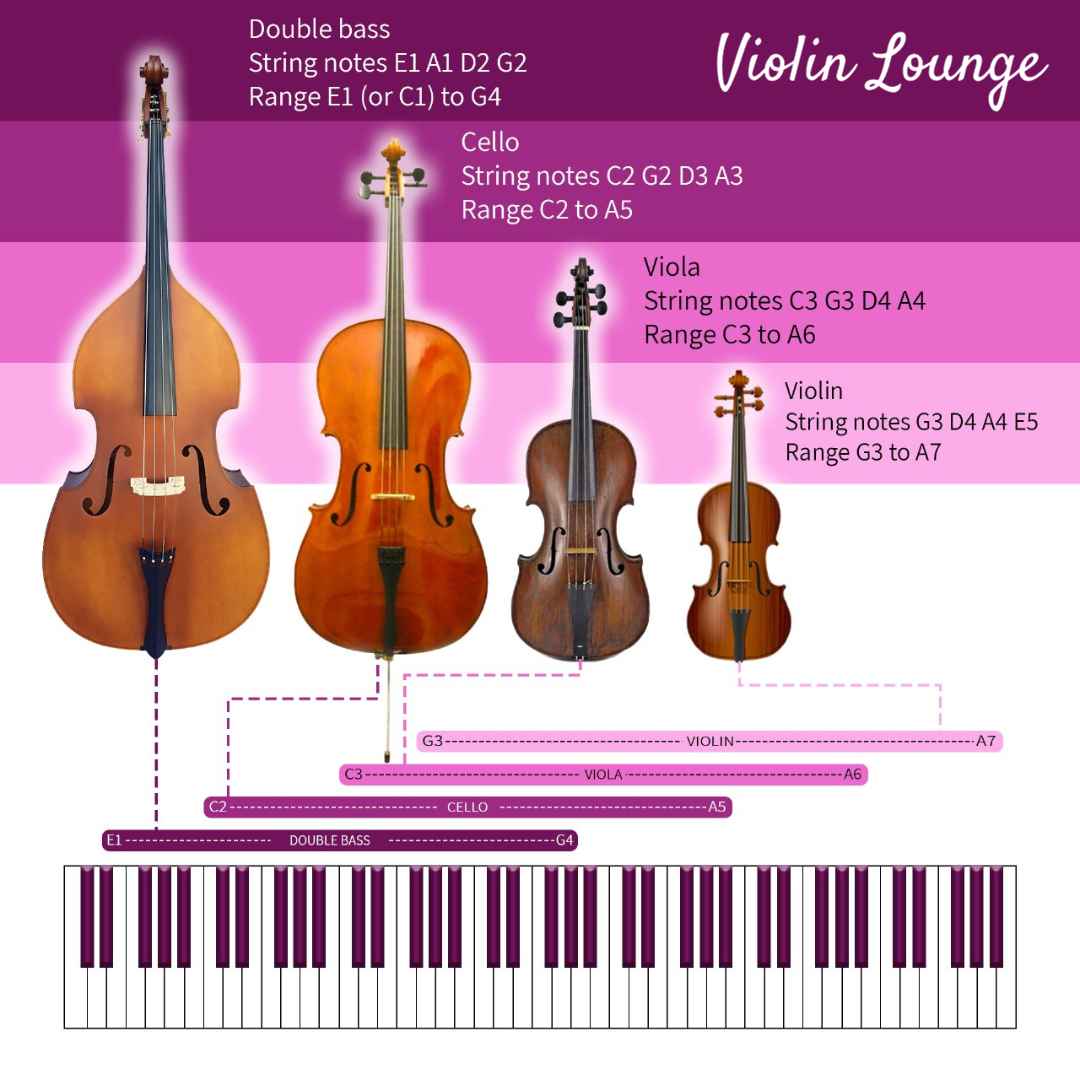
String Family vs Brass Family
{"left":"Strings: Violin, Viola, Cello, Double Bass\nSound made by bowing or plucking strings\nOften carry the main melody\nLargest section in the orchestra","right":"Brass: Trumpet, Horn, Trombone, Tuba\nSound made by buzzing lips into mouthpiece\nAdd power and grandeur to music\nCan play very loud or very soft"}

Woodwind Family vs Percussion Family
{"left":"Woodwinds: Flute, Oboe, Clarinet, Bassoon\nSound made by blowing air across or through instrument\nCreate beautiful melodies and harmonies\nCan sound gentle or dramatic","right":"Percussion: Timpani, Snare Drum, Cymbals, Xylophone\nSound made by striking, shaking, or scraping\nKeep the rhythm and add excitement\nRange from soft whispers to thunderous crashes"}
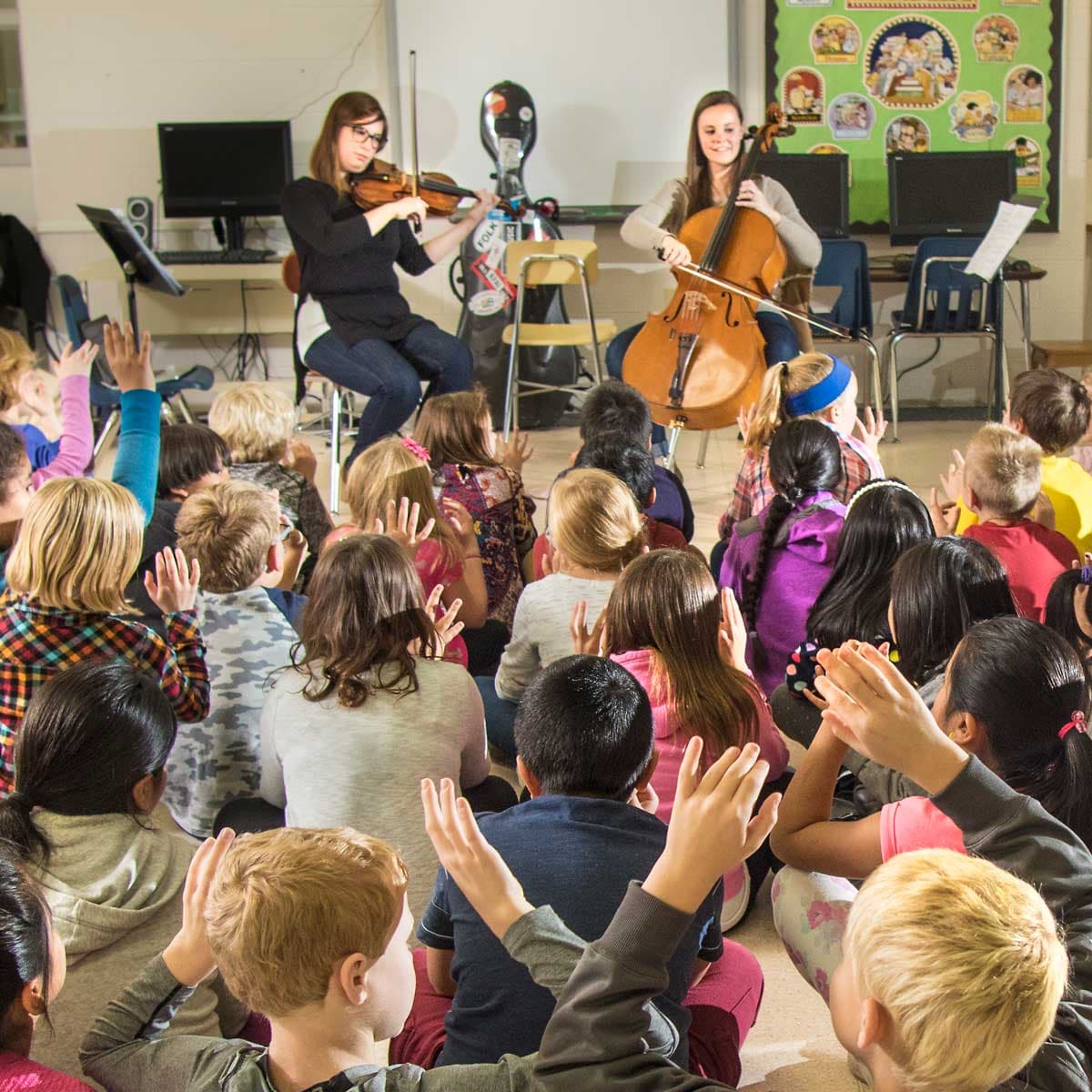
Sound Detective Challenge
Listen to four musical examples Identify which instrument family you hear Describe what role they're playing Work with a partner to discuss your answers
Which Family Does What?
Can you match each family to its main role? Strings: Melody and harmony foundation Brass: Power and fanfares Woodwinds: Color and expression Percussion: Rhythm and excitement

Success Check & Next Steps
Can you name all four orchestra families? Can you describe how each family makes sound? Can you identify families by listening? Next lesson: Deep dive into the String Family!