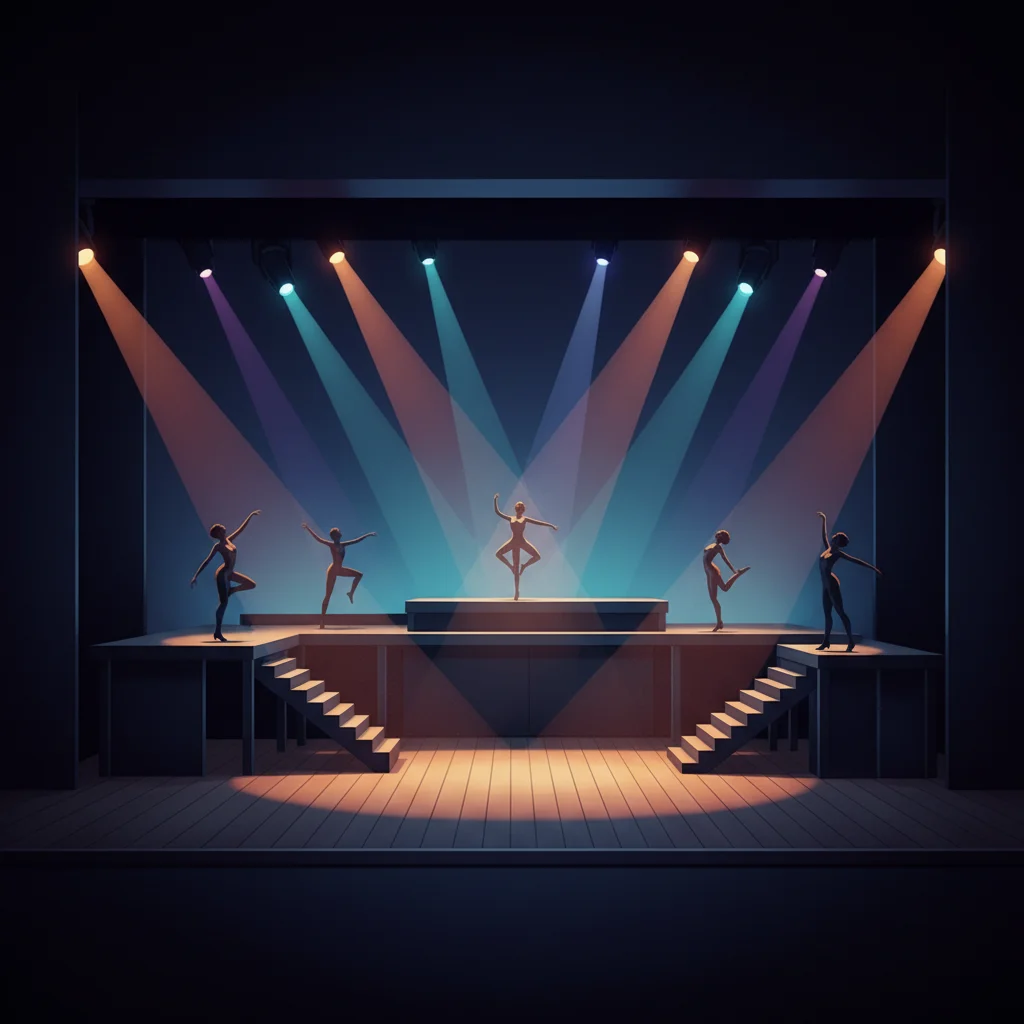
Drama Space and Levels Mastery
Year 10 Drama Expressive Movement Through Space 60-minute exploration
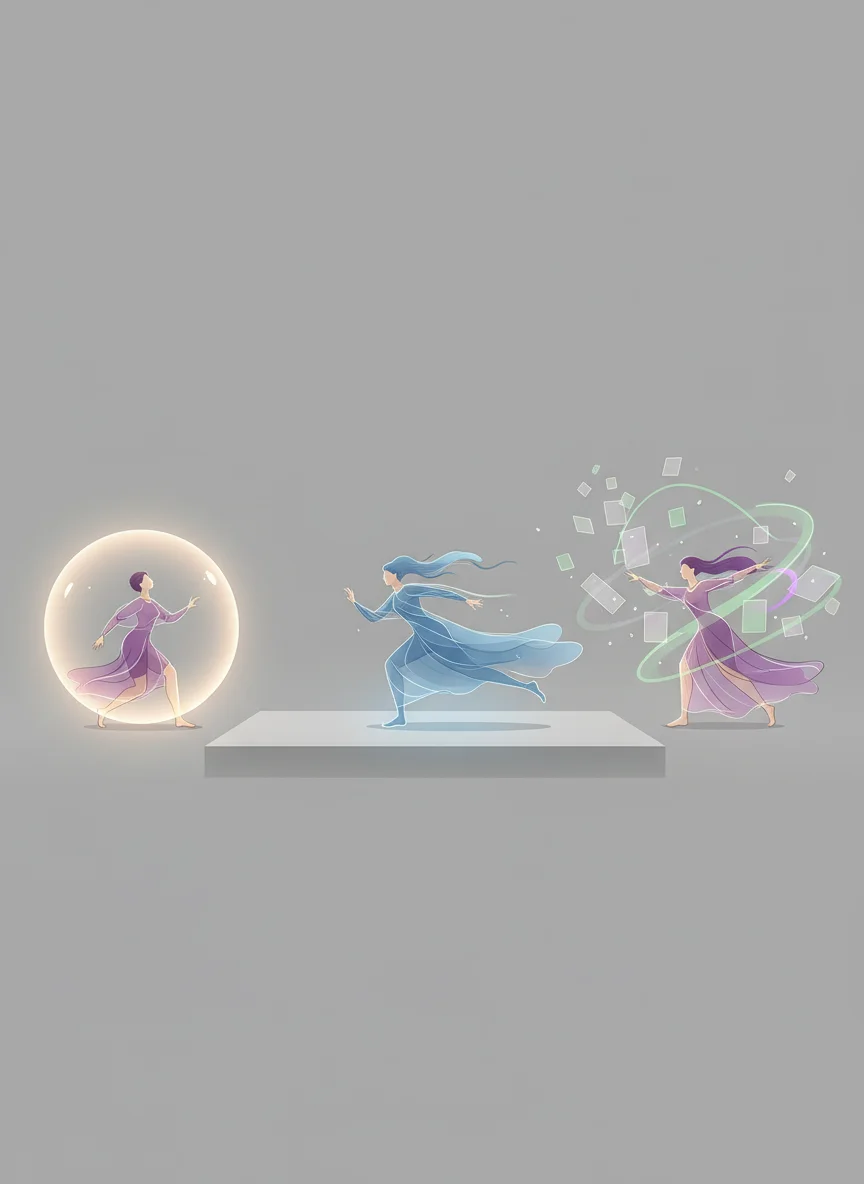
What is Dramatic Space?
Personal Space - the area immediately around your body General Space - the entire performance area available Symbolic Space - imaginary locations and meanings created through movement Space shapes how audiences understand your character and story
Understanding Levels in Performance
High Level - standing tall, jumping, arms raised, on platforms Medium Level - normal standing, sitting, crouching Low Level - lying down, crawling, rolling on floor Levels create visual interest and emotional impact
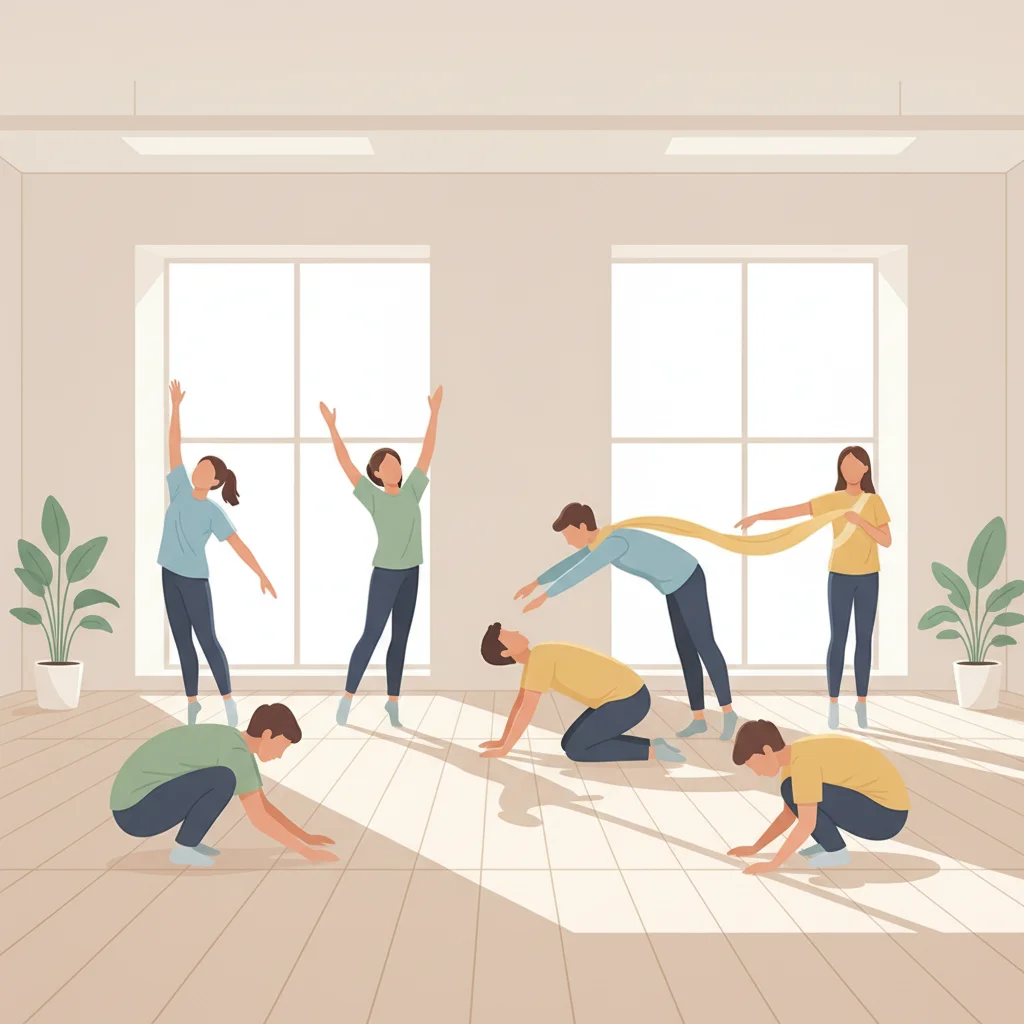
Space and Level Exploration
Individual warm-up: Move through all three levels Find your highest and lowest points safely Explore personal vs general space Partner work: Create contrasting spatial relationships
Dramatic Effects of Space and Levels
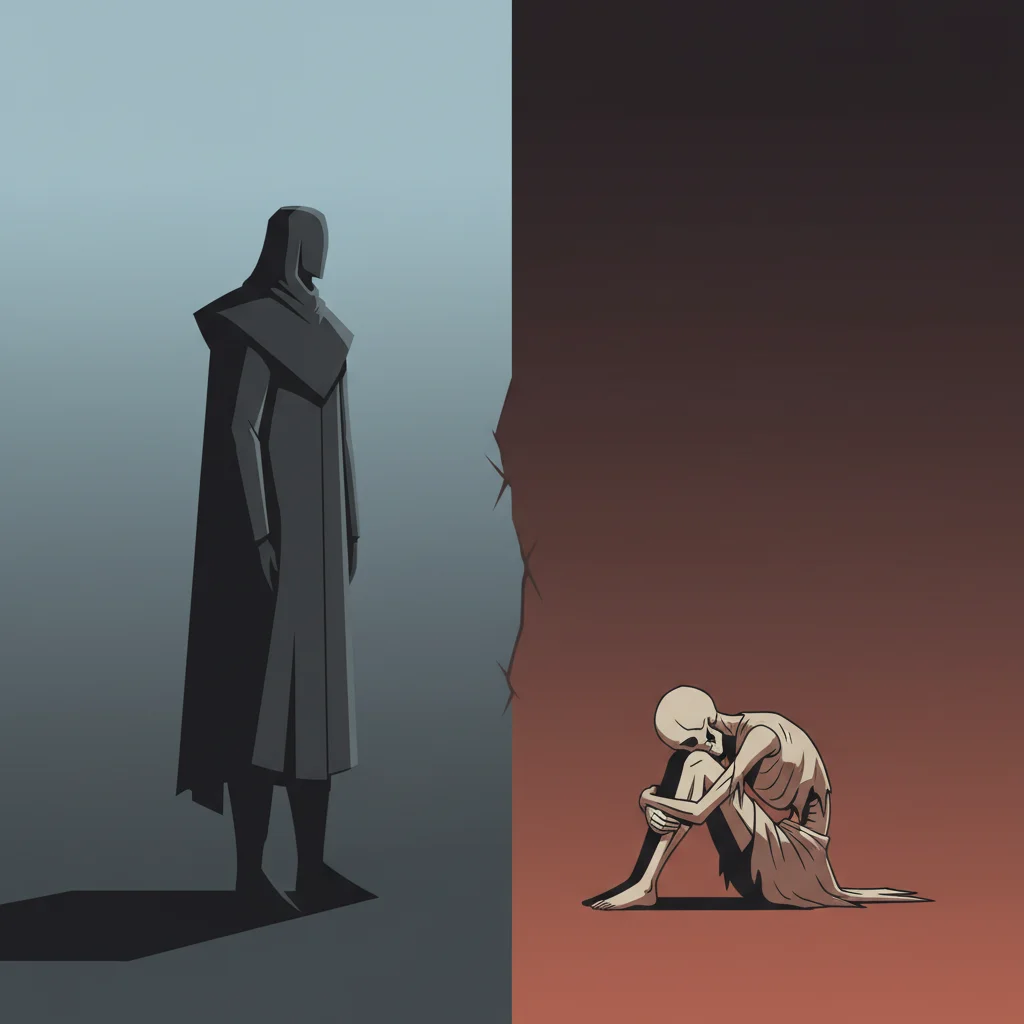
{"left":"High levels suggest power, dominance, joy, freedom, reaching for dreams\nLow levels suggest defeat, sadness, hiding, vulnerability, being grounded\nClose proximity creates intimacy, tension, conflict, connection","right":"Distance creates isolation, formality, separation, independence\nChanging levels adds visual dynamics and emotional journey\nUsing full space engages entire audience and creates epic feeling"}
Group Devising Challenge
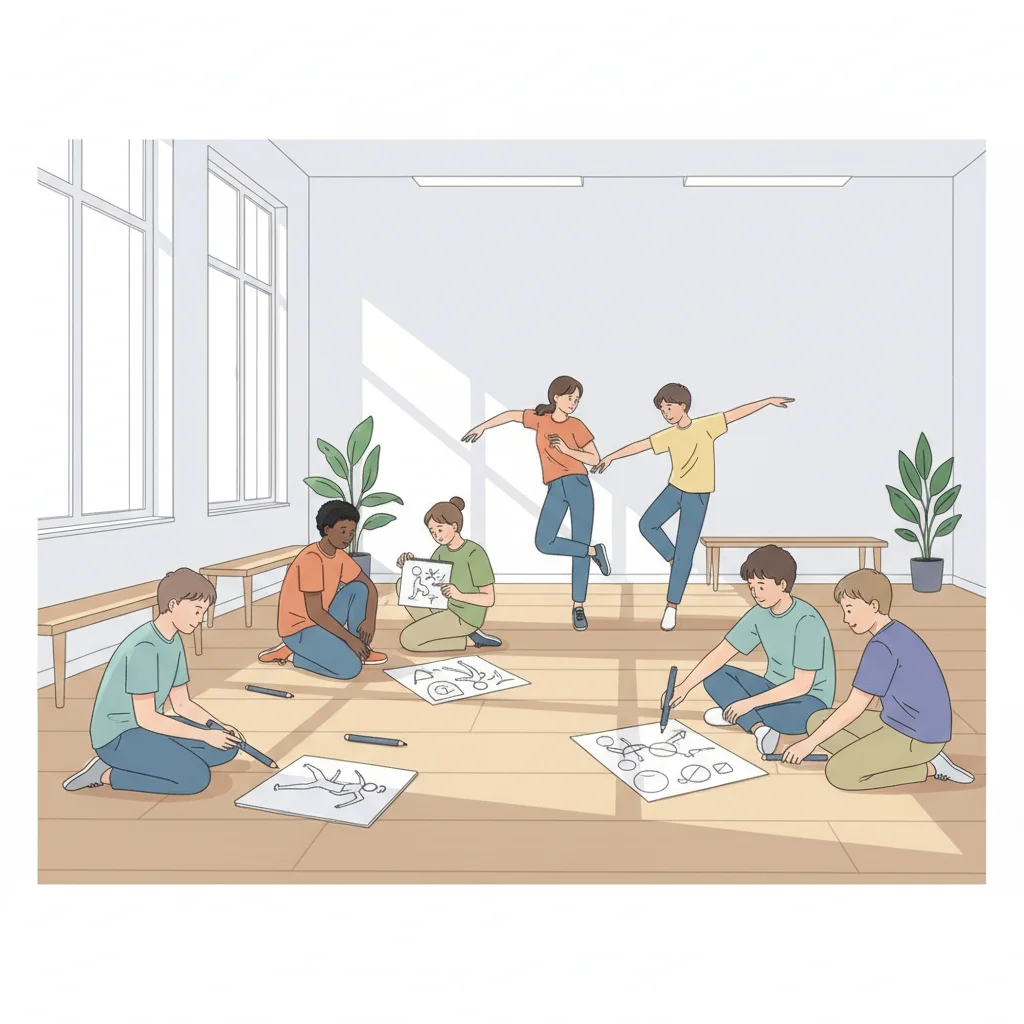
Groups of 4-5 students Create 1-2 minute movement sequence Choose theme: conflict, celebration, fear, or discovery Must use all three levels and different spatial relationships Consider audience perspective from all angles
Performance Reflection
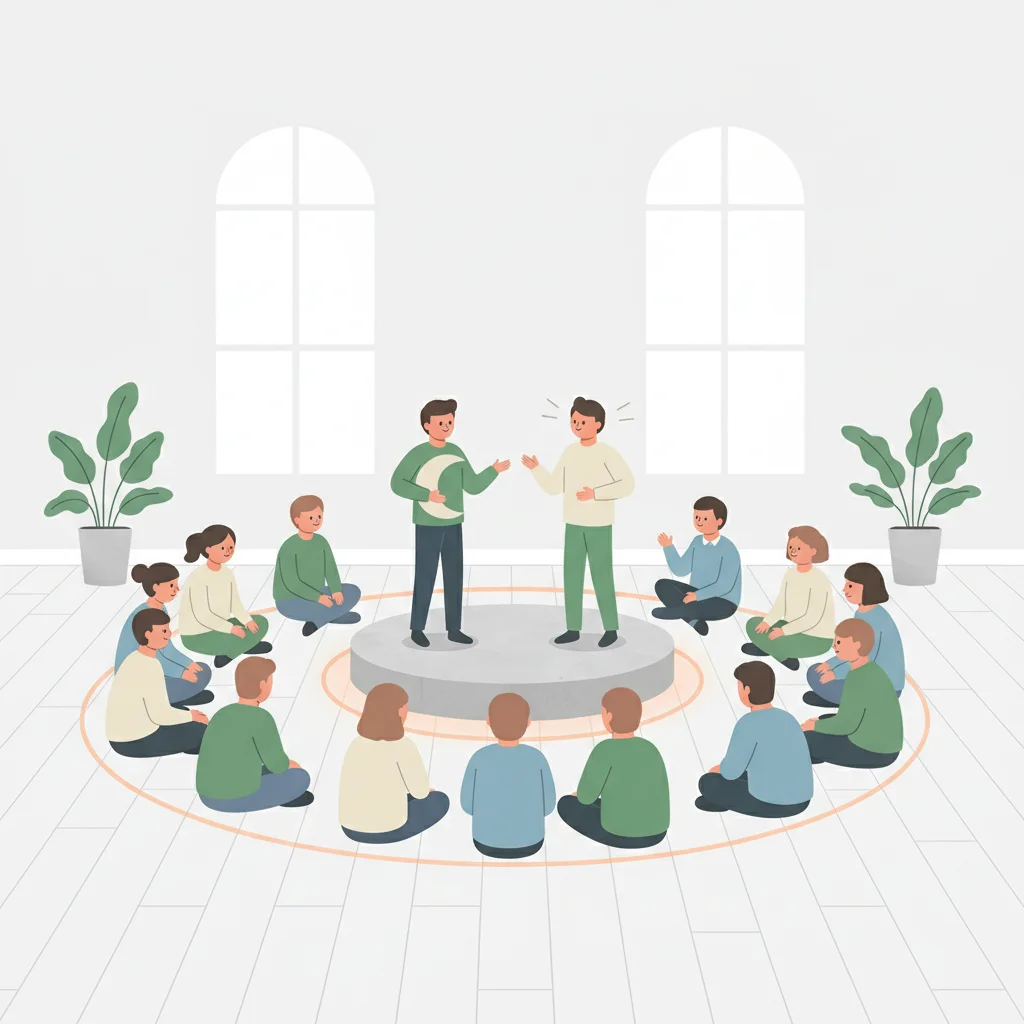
After watching each group perform, consider: How did their use of levels affect the mood? What story did their spatial choices tell? Which moments were most visually striking? How could space and levels be used differently?
Key Takeaways
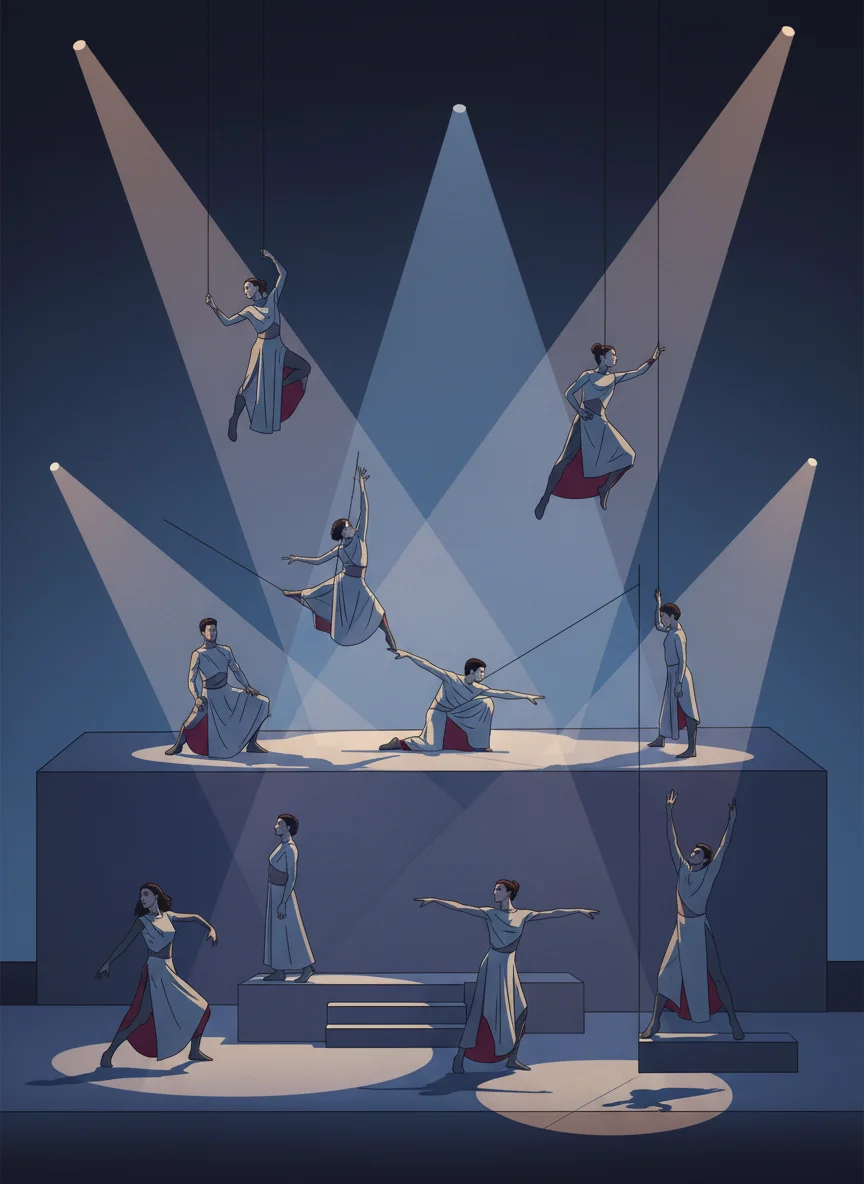
Space and levels are powerful tools for creating meaning Personal, general, and symbolic space each serve different purposes High, medium, and low levels affect audience emotions Changing levels and spatial relationships creates visual interest These techniques help tell stories without words Practice and experimentation develop mastery
More Drama slide decks
Other ready-to-teach drama decks for Australian classrooms.