
Earth's Rock Cycle Uncovered
Year 8 Science Exploring the Journey of Rocks Through Time

Rock Detective Challenge
Examine the rock samples on your table Observe: Color, texture, weight, hardness Discuss with your partner: What do you notice? Record 3 observations for each sample

Three Types of Rocks
Igneous: Formed from cooled molten magma or lava Sedimentary: Formed from compressed layers of sediment Metamorphic: Formed when rocks change due to heat and pressure Each type has unique properties and formation stories

The Rock Cycle Journey

Think and Discuss
How long do you think it takes for rocks to form? Why might the same rock look different in different places? Can you think of examples where you've seen weathering in action?

Rock Properties and Uses
{"left":"Granite: Hard, durable - used for countertops and monuments\nSandstone: Easy to carve - used for buildings and sculptures\nMarble: Beautiful patterns - used for art and architecture","right":"Coal: Burns easily - used for energy production\nSlate: Splits into flat sheets - used for roofing\nPumice: Very light - used for cleaning and construction"}
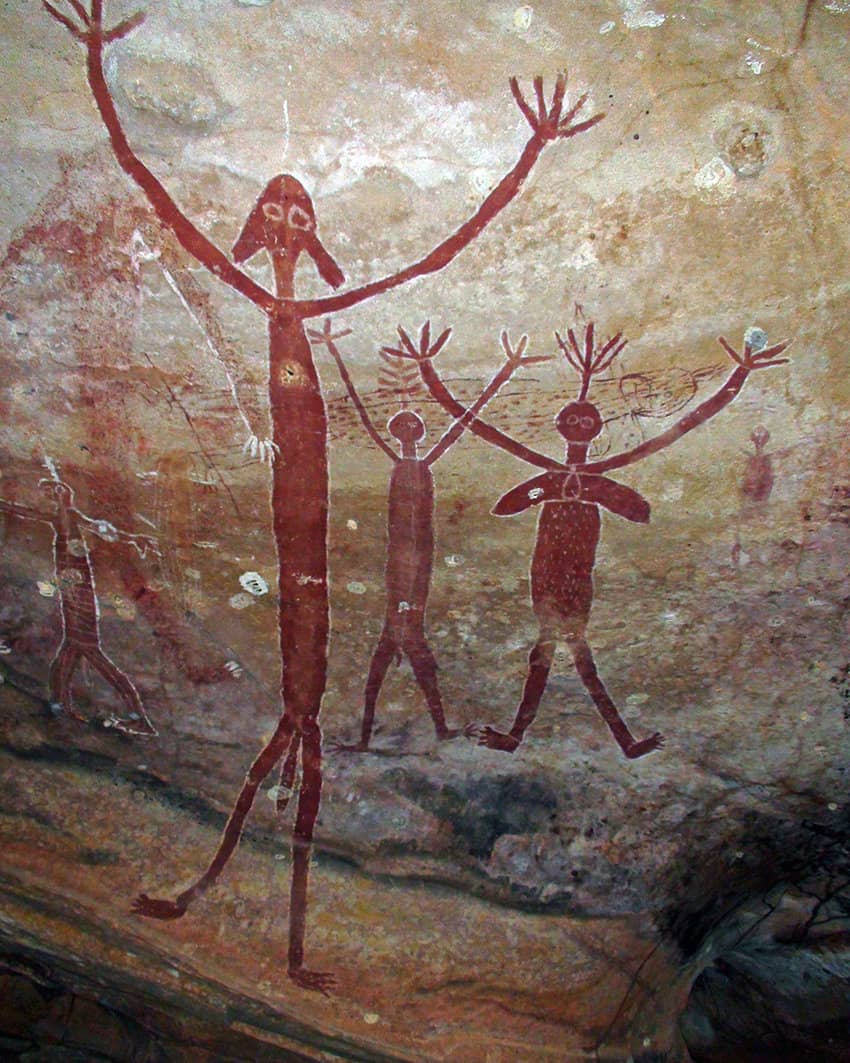
Indigenous Knowledge and Rocks
First Nations Australians have used geological knowledge for thousands of years Selected specific rocks for tools, weapons, and art Ochre for painting and ceremonies Flint and chert for sharp tools This traditional knowledge complements modern science

Rock Cycle Recap Challenge
Create your own rock cycle diagram Include all three rock types Show at least 4 processes with arrows Add one example of each rock type Be ready to explain your diagram to the class!