Eliza Fraser and K'Gari Timeline
Exploring the story of shipwreck and survival Understanding the history of Fraser Island Learning about Aboriginal culture and European contact

What is K'Gari?
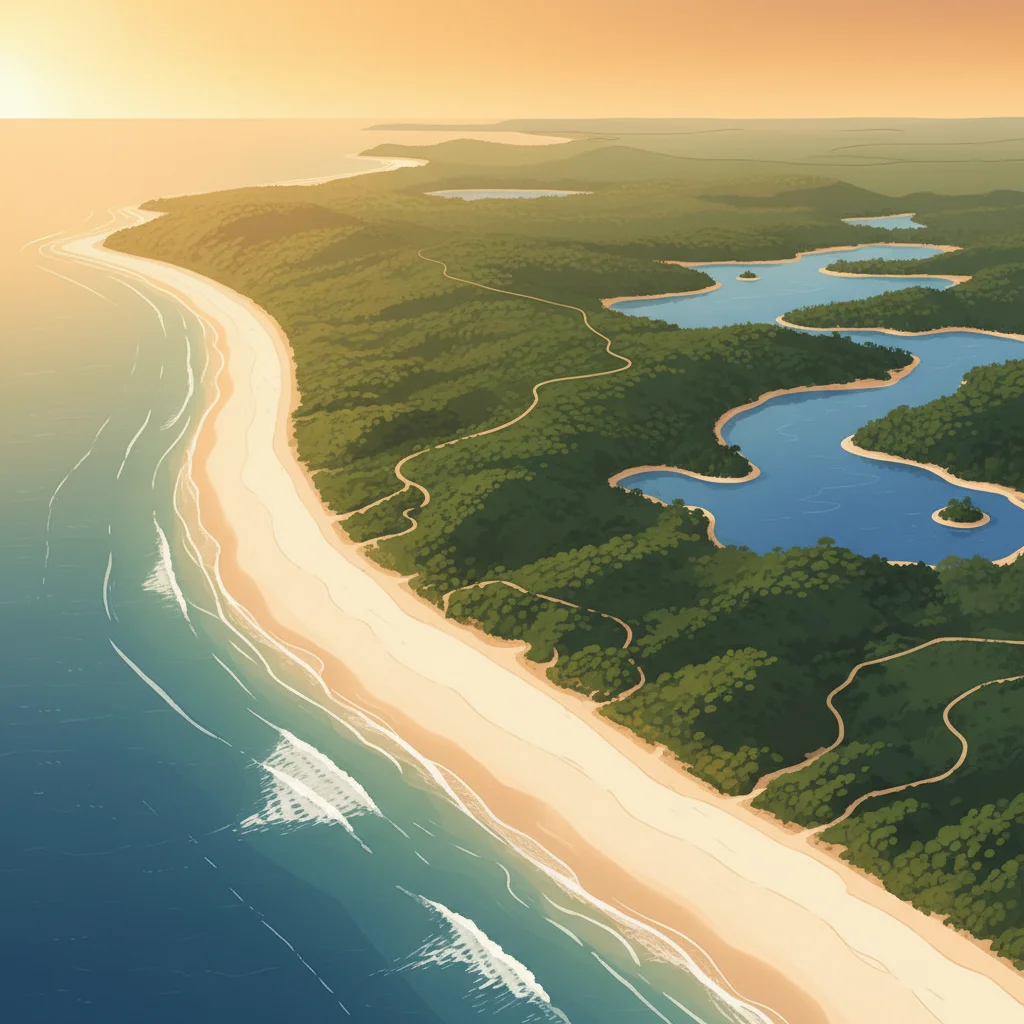
K'Gari is the Aboriginal name for Fraser Island It means 'paradise' in the Butchulla language The world's largest sand island Located off the coast of Queensland, Australia

The Butchulla People
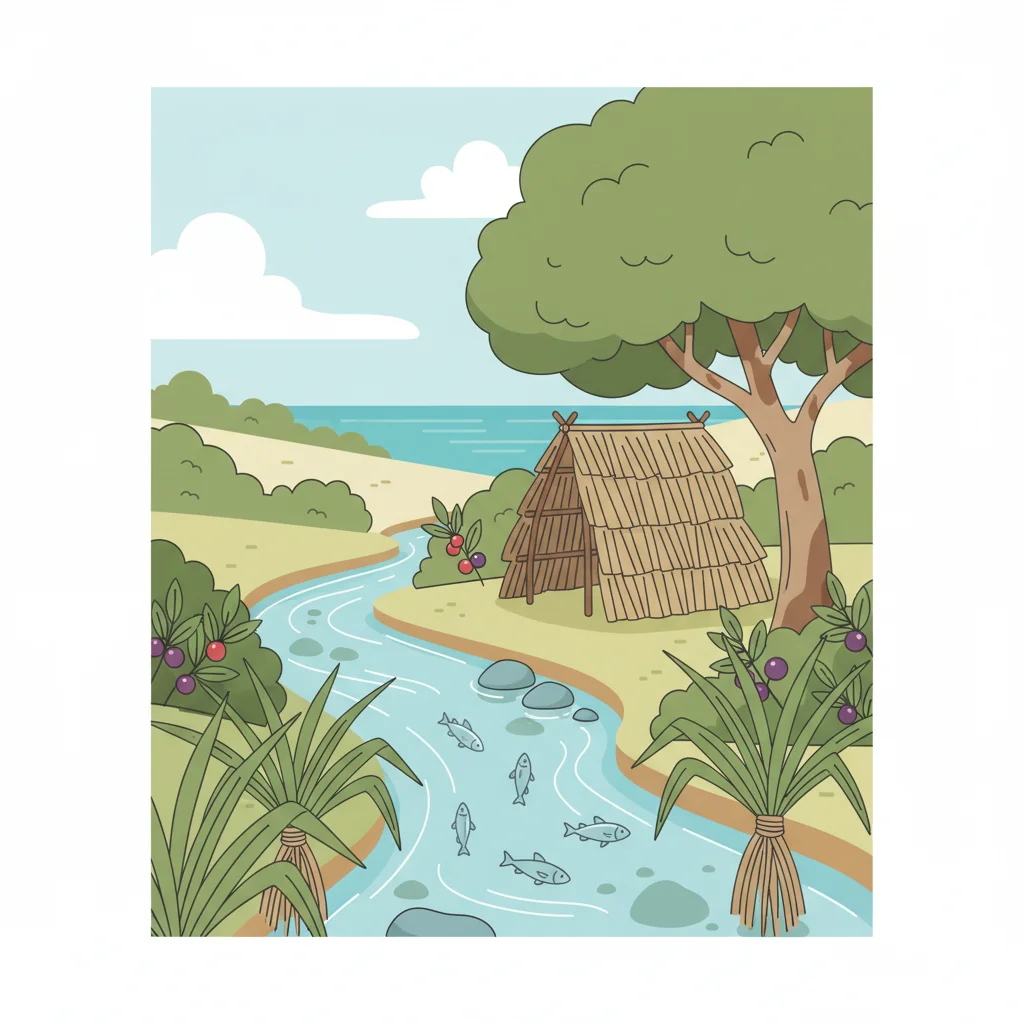
Traditional owners of K'Gari for over 5,000 years Skilled hunters, fishers, and gatherers Rich culture with Dreamtime stories Deep connection to the land and sea
Think and Discuss
How do you think Aboriginal people survived on an island for thousands of years? What skills would they need? What resources would the island provide?
Ships in the 1830s
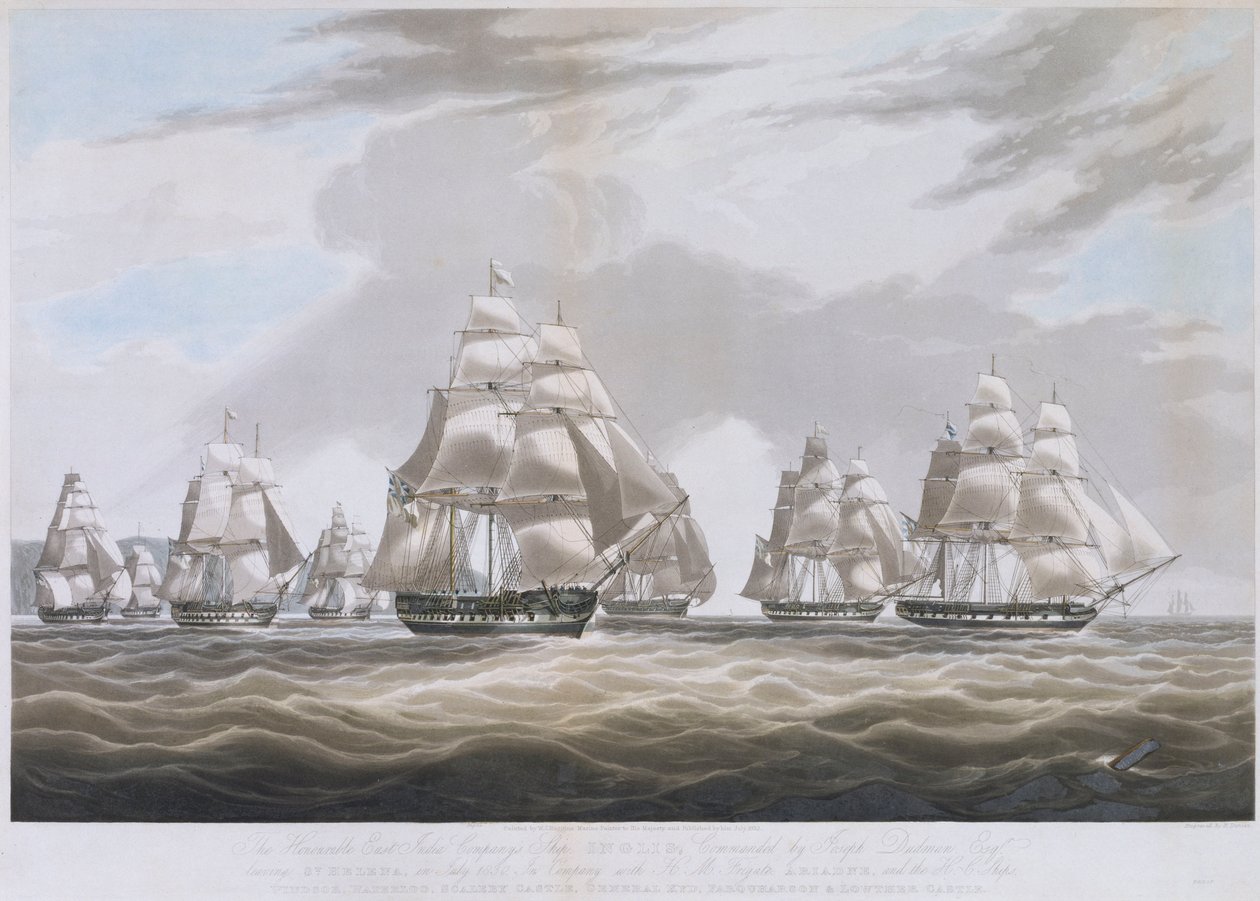
Sailing ships were the main transport Long, dangerous journeys across oceans No modern navigation equipment Shipwrecks were common along the coast
Timeline: The Stirling Castle Voyage
Who was Eliza Fraser?
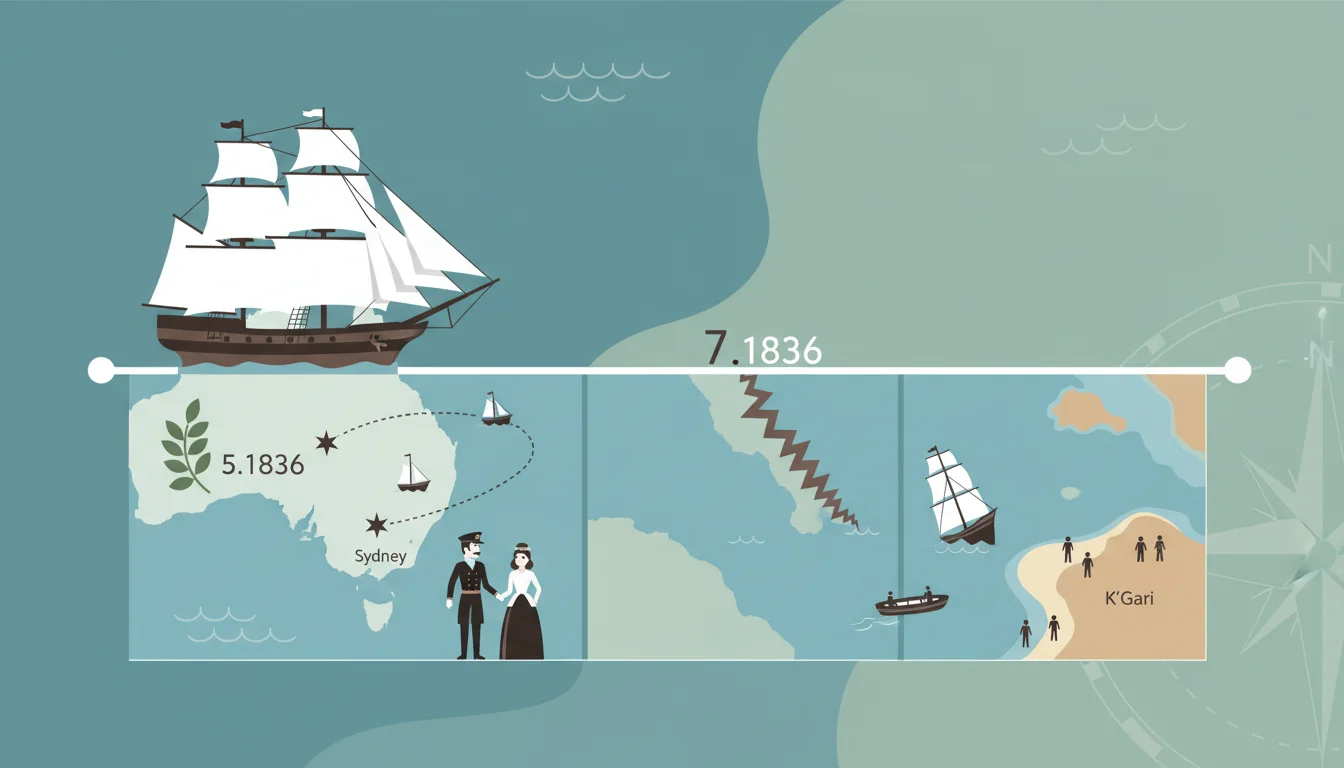
Wife of Captain James Fraser Passenger on the ship Stirling Castle From Scotland, living in Australia Became famous for her survival story

The Shipwreck - May 1836
The Stirling Castle hit a reef Ship began sinking in dangerous waters Passengers and crew had to abandon ship They reached the shore of K'Gari
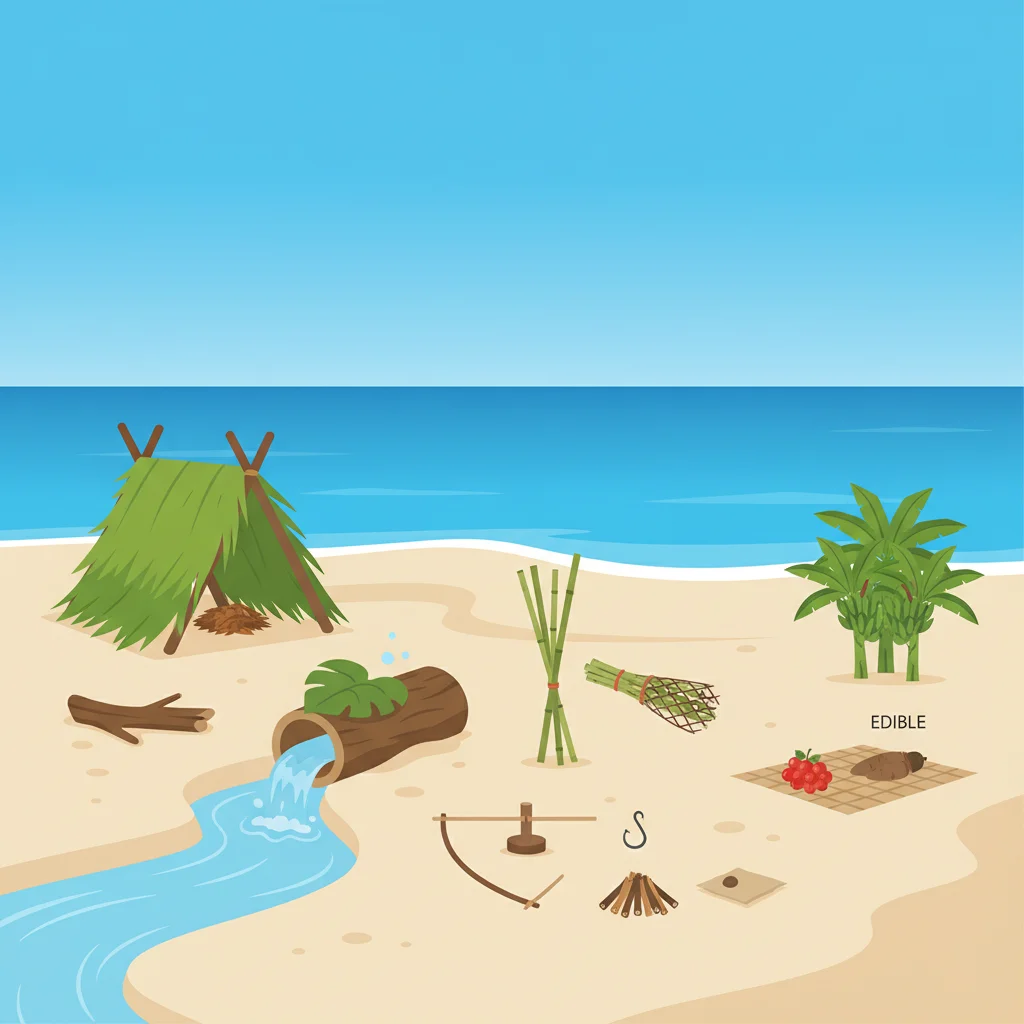
Survival Challenge
Imagine you are shipwrecked on an island List 5 things you would need to survive What would you do first? How would you find food and water?
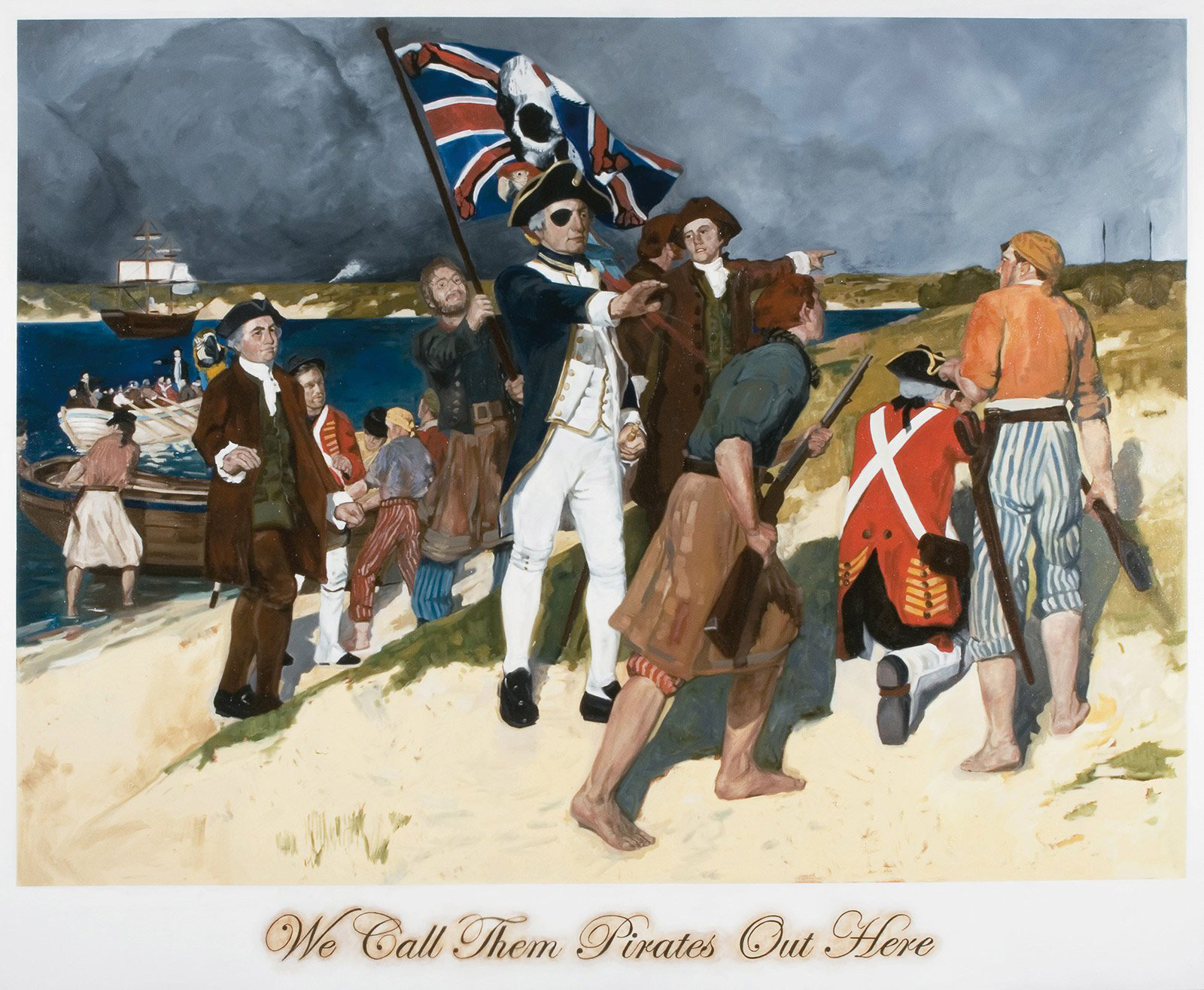
First Contact with Butchulla People
The survivors met the island's traditional owners The Butchulla people found the shipwreck survivors Different languages and cultures meeting Both groups were probably surprised and uncertain

Two Different Perspectives
{"left":"European survivors were lost and afraid\nDidn't know the land or how to survive\nSpoke only English\nUnfamiliar with island life","right":"Butchulla people knew every part of their land\nHad lived there for thousands of years\nSpoke Butchulla language\nExperts at island survival"}
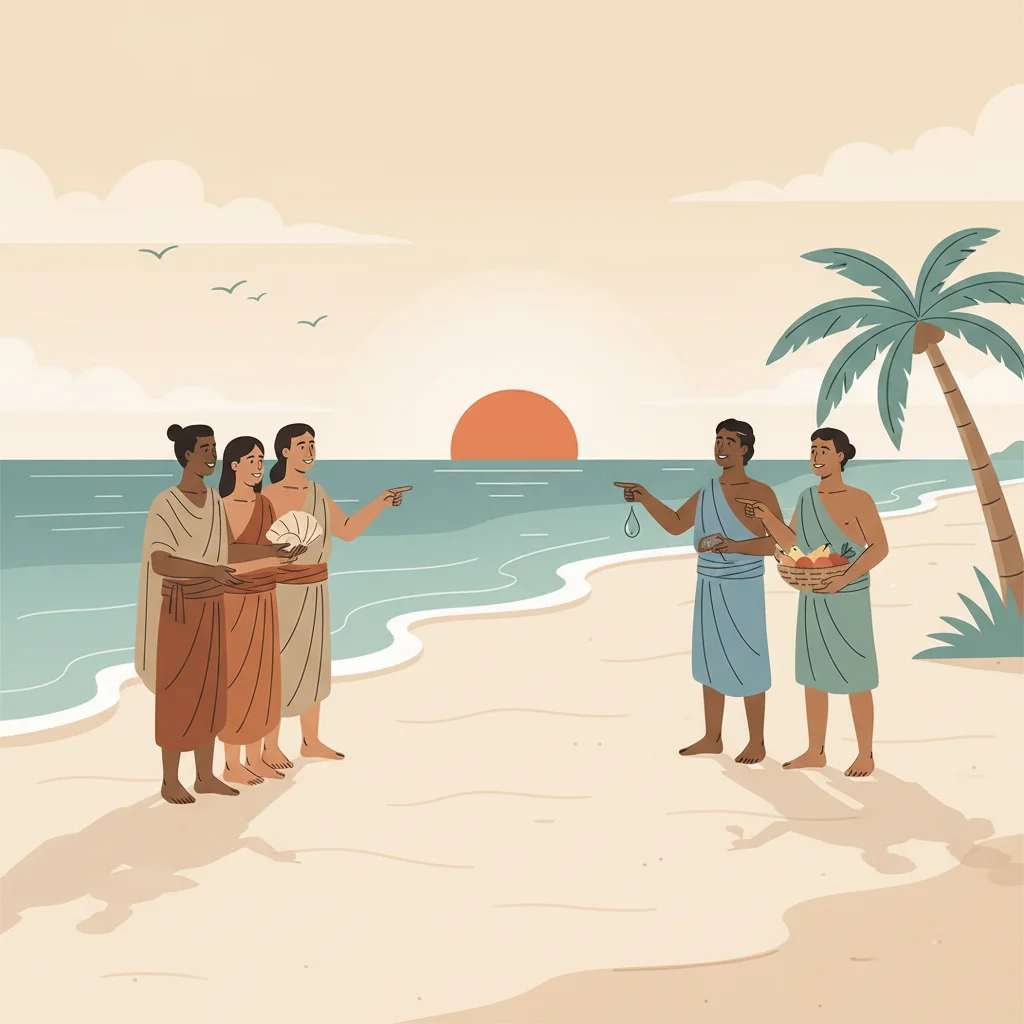
What Would You Do?
If you found strangers on your land, how would you react? Would you help them or be cautious? How would you communicate without a shared language? What questions would you have?
9 more slides available after you open the deck.
Download all 21 slides