
Ethics, CSR and Business Decisions
Year 9 Commerce Understanding ethical decision-making and corporate social responsibility
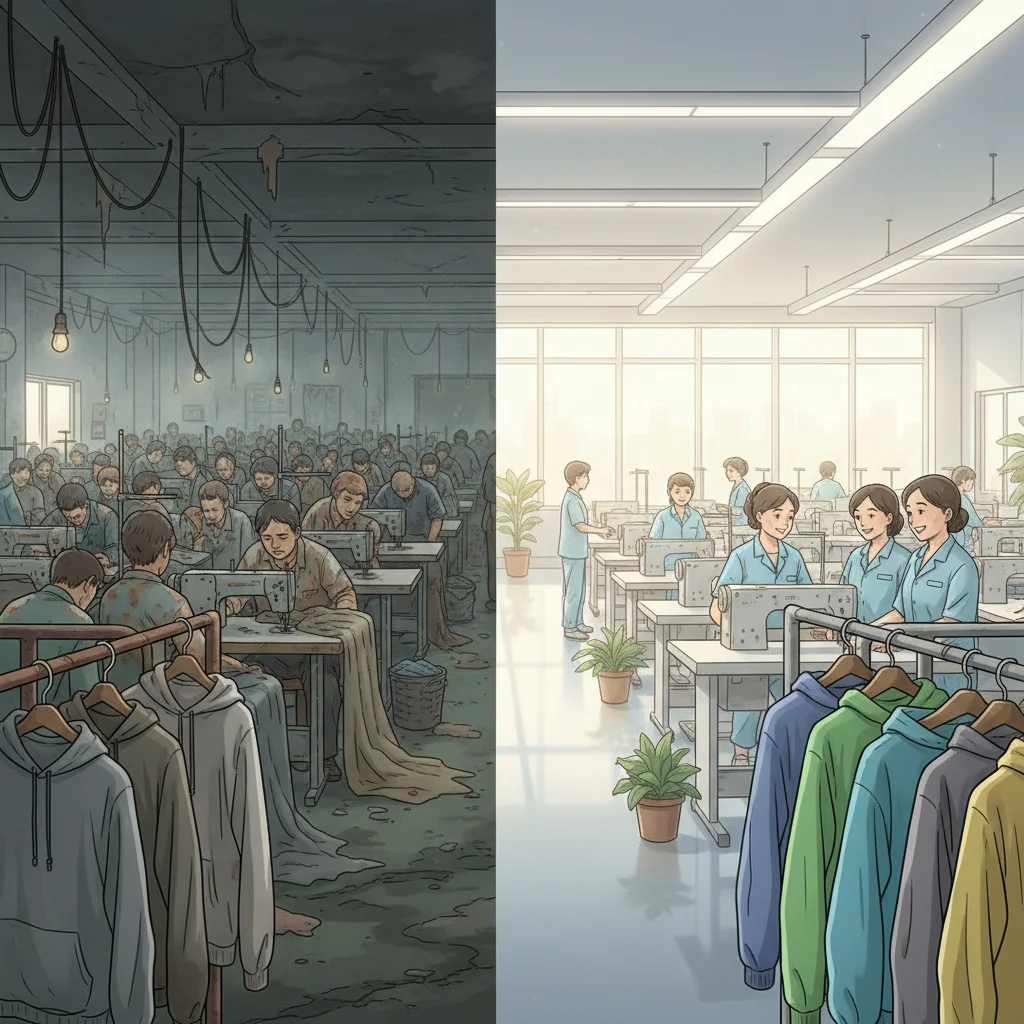
Hook Dilemma: The Hoodie Business
A hoodie business can sell hoodies for $25 using a cheap supplier, but workers may be poorly treated. An ethical supplier means hoodies cost $45. Which would teenagers buy? Which should the business choose? Can a decision be legal but unethical?
WALT: Learning Intention & Success Criteria
We Are Learning To understand why ethical decision-making and CSR are important for business Success Criteria: • I can define ethics and CSR • I can identify stakeholders • I can explain how ethical decisions affect business performance • I can analyse a current greenwashing case • I can use data to compare profit and ethical choices

Key Terms Definition Task
Define these important terms: • Ethics • Ethical decision-making • Unethical behaviour • CSR (Corporate Social Responsibility) • Stakeholders • Reputation • Consumer trust • Greenwashing Complete Worksheet Question 1
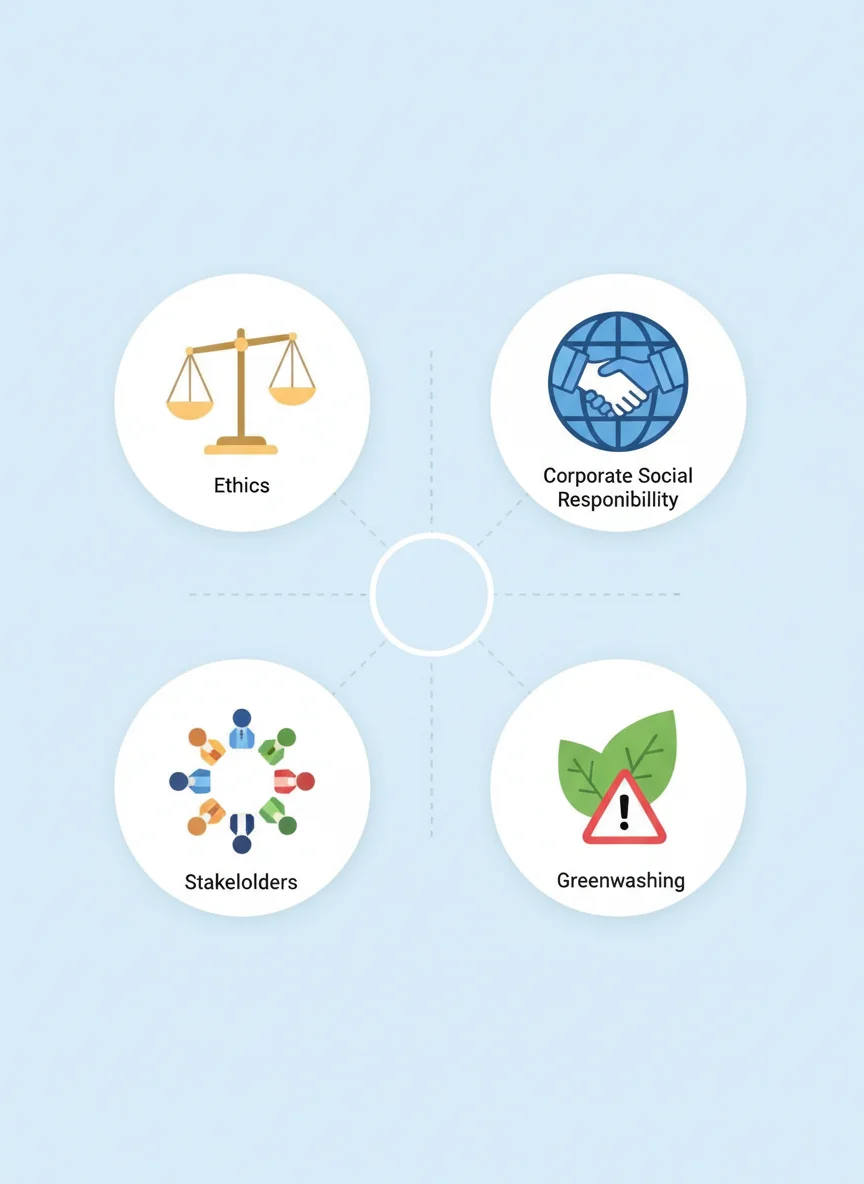
Key Terms - Suggested Answers
Ethics = ideas about what is right, fair and responsible CSR = when businesses consider their impact on society and the environment, not only profit Stakeholder = anyone affected by a business decision Greenwashing = misleading environmental claims Ethical decision-making = choosing actions that are fair and responsible Reputation = what people think about a business
Ethics vs Law
{"left":"Legal = follows the law\nEthical = fair, honest and responsible","right":"A decision can be legal but still unethical\nExample: Paying minimum wage might be legal, but not providing living wage could be unethical"}
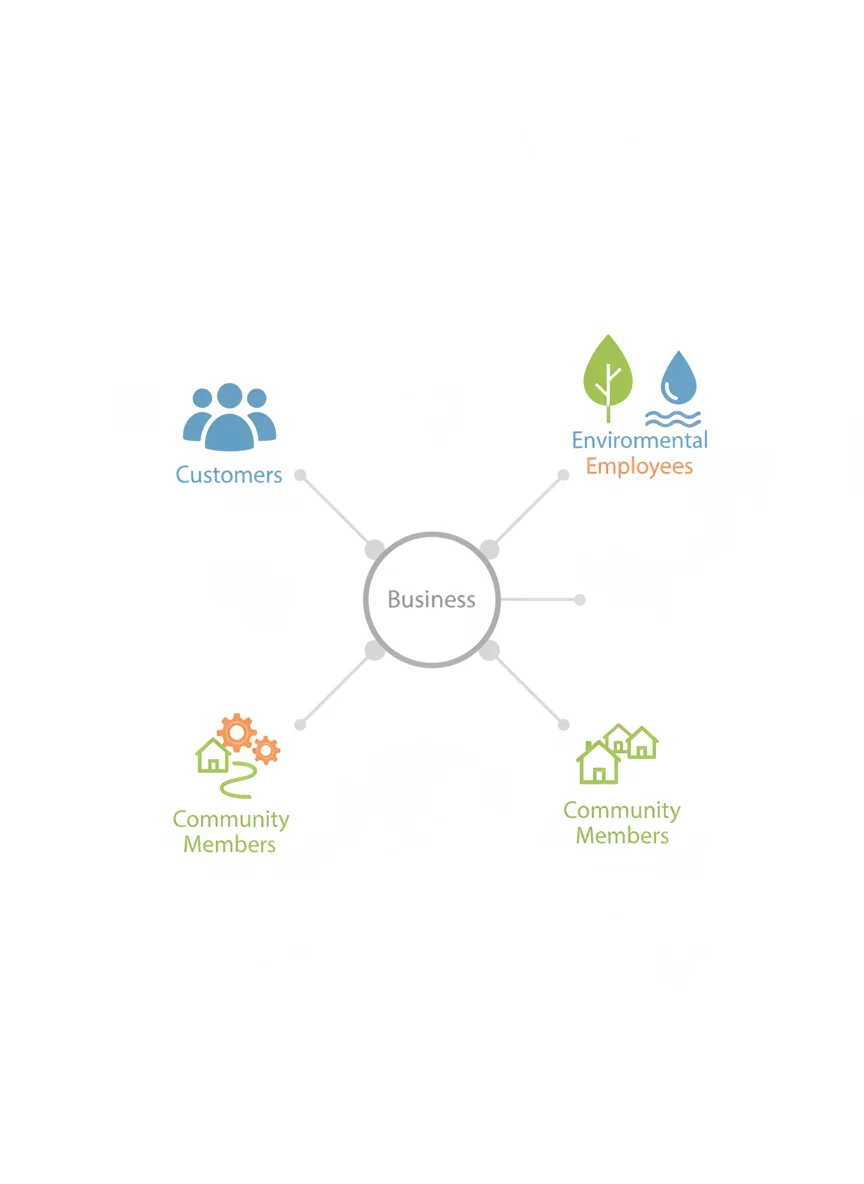
Review Question 2 - Ethics & CSR Importance
Ethical decision-making means considering who is affected before making a business decision CSR is important because businesses affect: • Consumers (products, prices, safety) • Employees (working conditions, pay) • Communities (jobs, environment) • Environment (pollution, resources)
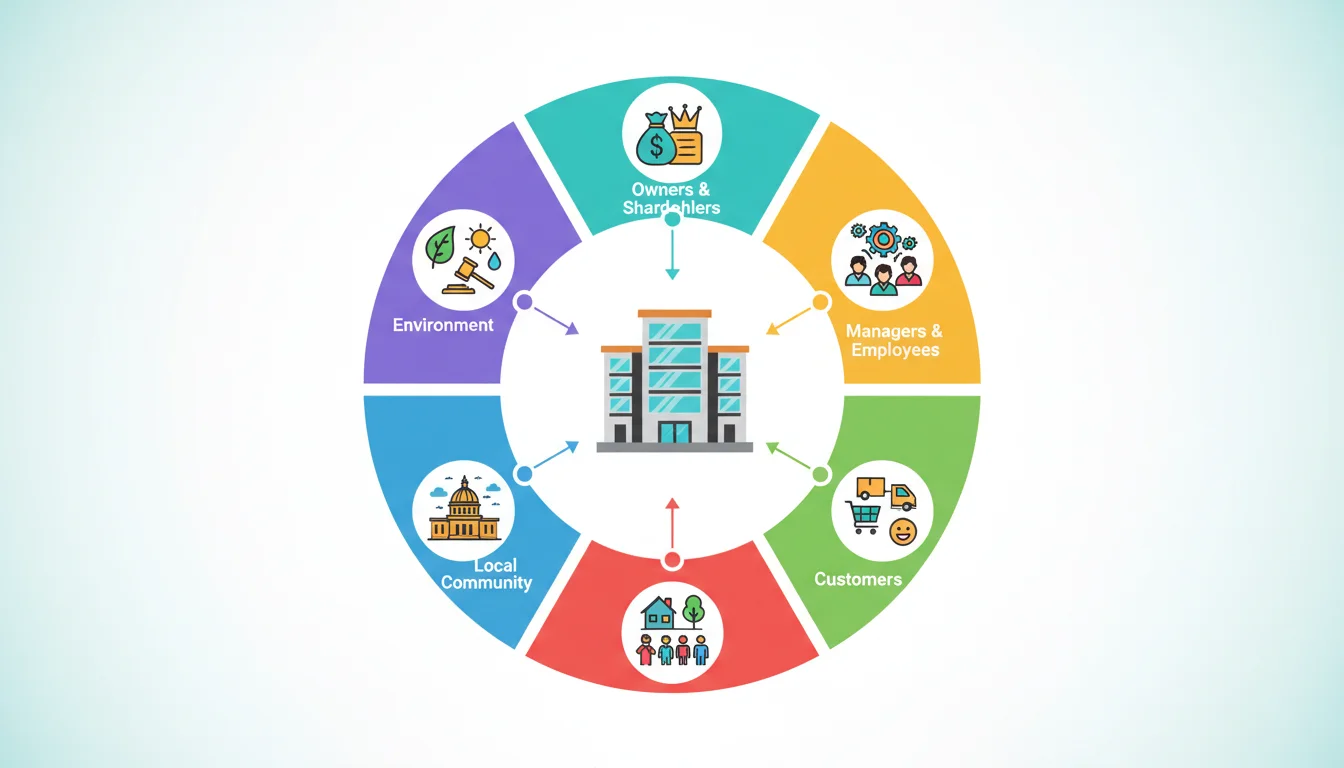
Stakeholder Map
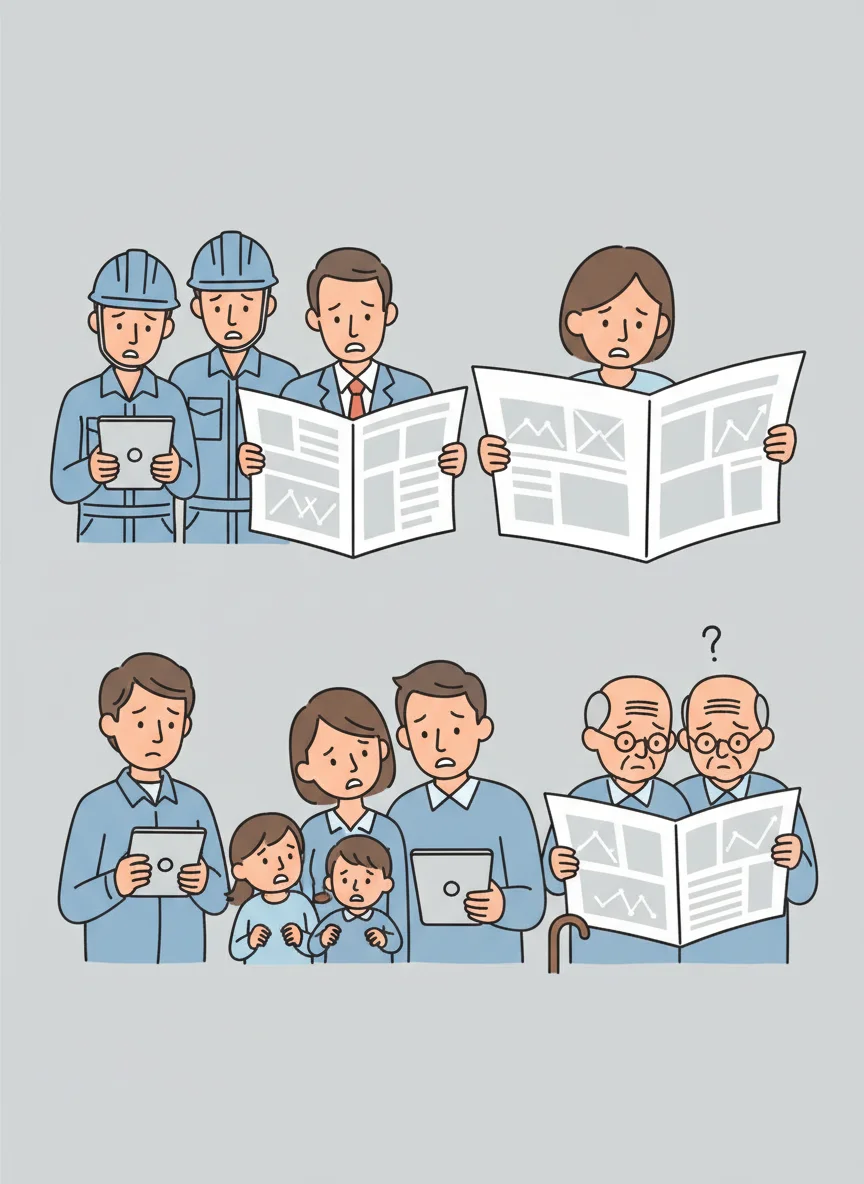
Review Stakeholder Impact
When businesses make decisions, stakeholders are affected: Employees: pay rates, working conditions, job security Customers: product prices, safety standards, honest advertising Community: local jobs, waste management, social programs Environment: pollution levels, packaging waste, resource use Suppliers: fair payment terms, long-term contracts
Ethical or Unethical? Quick Assessment
Mark each scenario as E (Ethical), U (Unethical), or D (Depends): • Donating leftover food to charity • Running an unsafe factory • Making unsupported eco-friendly claims • Deleting negative customer reviews • Providing fair worker training programs • Using customer data without clear permission Complete Worksheet Question 4
Review Ethical Assessment Answers
Donating food = Ethical (E) Unsafe factory = Unethical (U) False eco claims = Unethical (U) Deleting reviews = Unethical (U) Worker training = Ethical (E) Unclear data use = Depends (D) Key insight: Some answers are 'Depends' because ethics often requires context and evidence
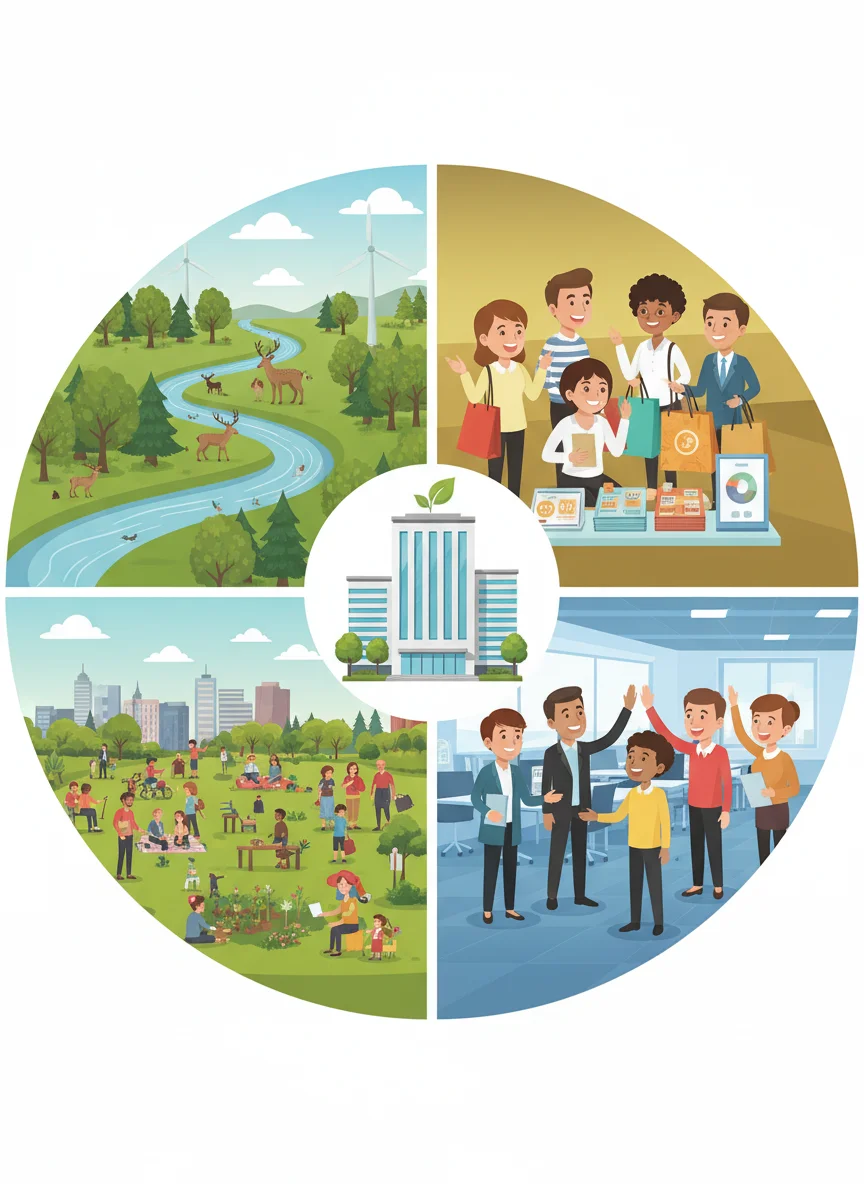
What is CSR? Four Key Areas
Corporate Social Responsibility (CSR) focuses on four main areas: Customers: Fair pricing, product safety, honest advertising Employees: Fair wages, safe working conditions, training opportunities Community: Local hiring, supporting local causes, reducing negative impacts Environment: Reducing pollution, sustainable practices, responsible packaging
16 more slides available after you open the deck.
Download all 28 slides