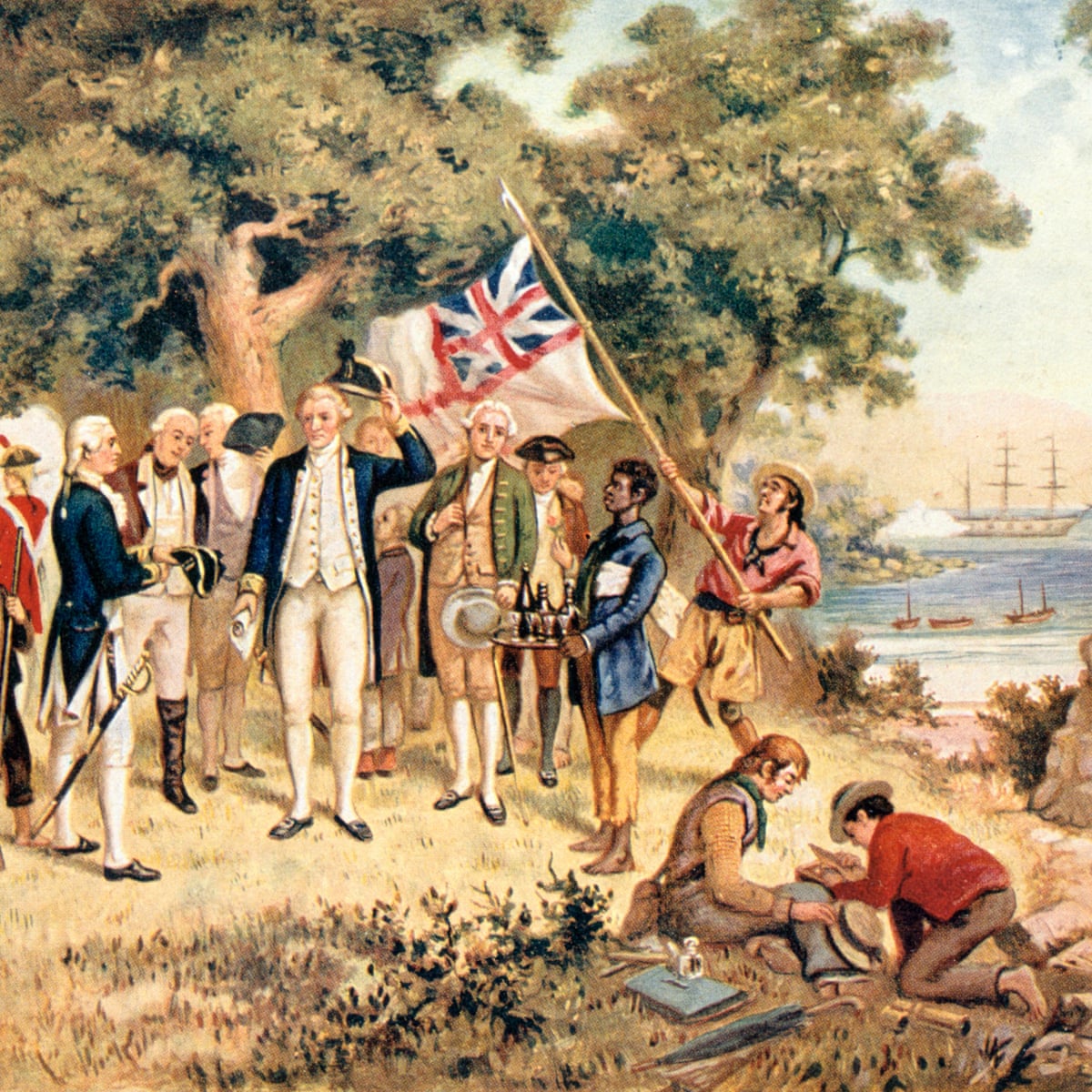
European Colonisation and First Nations Conflict
Year 9 Australian History Understanding the causes and impacts of European settlement Exploring multiple perspectives on colonisation

European Imperial Powers in the Late 18th Century
Britain, Spain, France, and Netherlands dominated global colonisation Strategic military positions and trade routes Access to valuable natural resources Expanding national power and prestige Establishing penal colonies (Britain's unique approach)

Group Investigation: Colonial Motivations
Form groups of 5 students Each group investigates one European power Research their specific reasons for colonisation Prepare a 2-minute presentation Focus on: economic, strategic, and social motivations
British Colonisation of Australia: Key Motivations
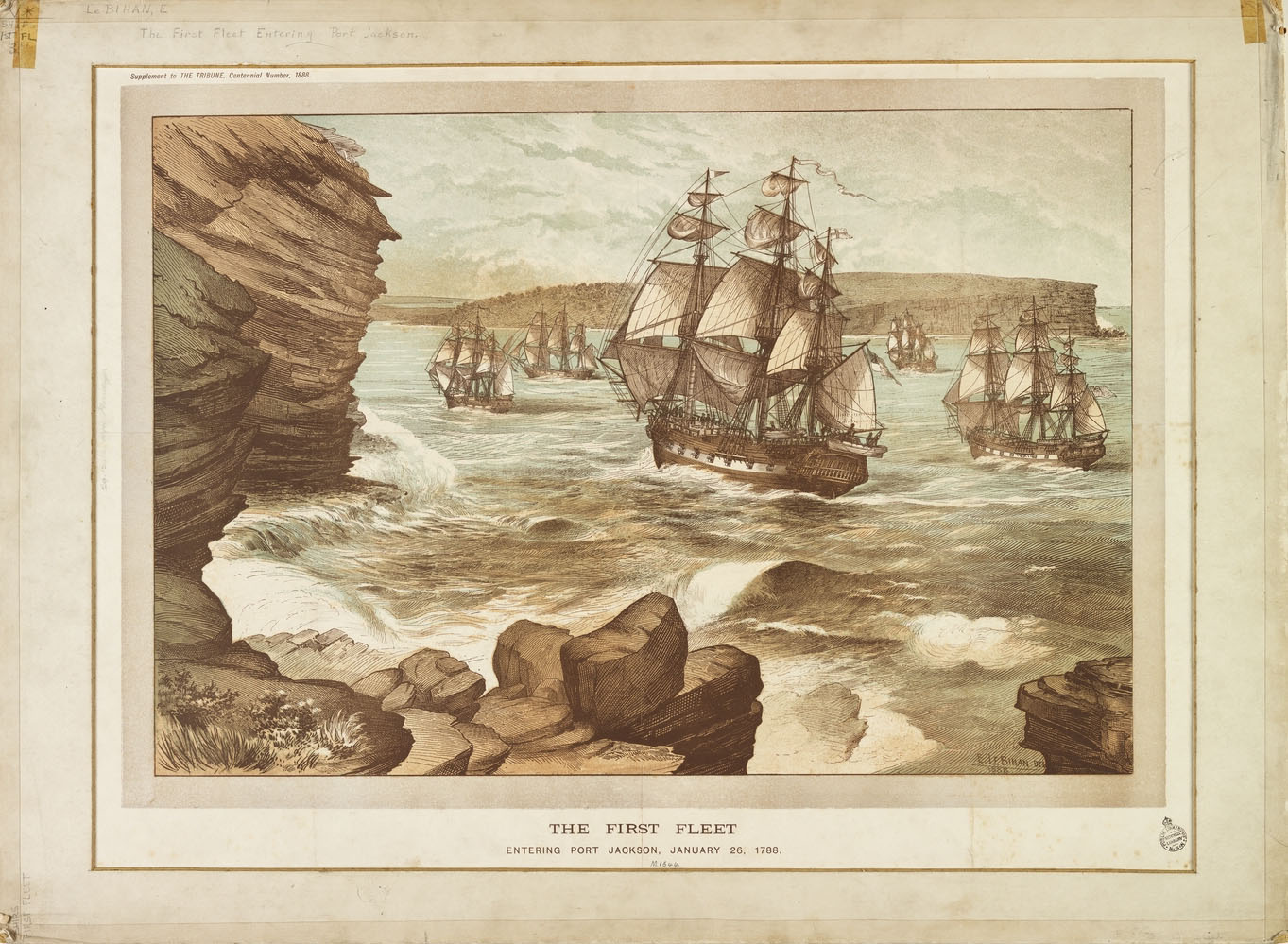
Penal colony solution for overcrowded prisons Strategic naval base in the Pacific Ocean Access to natural resources and new trade opportunities Preventing French expansion in the region Establishing British presence in the Southern Hemisphere

Timeline: Early Colonial Encounters and Conflicts
Understanding the Causes of Conflict
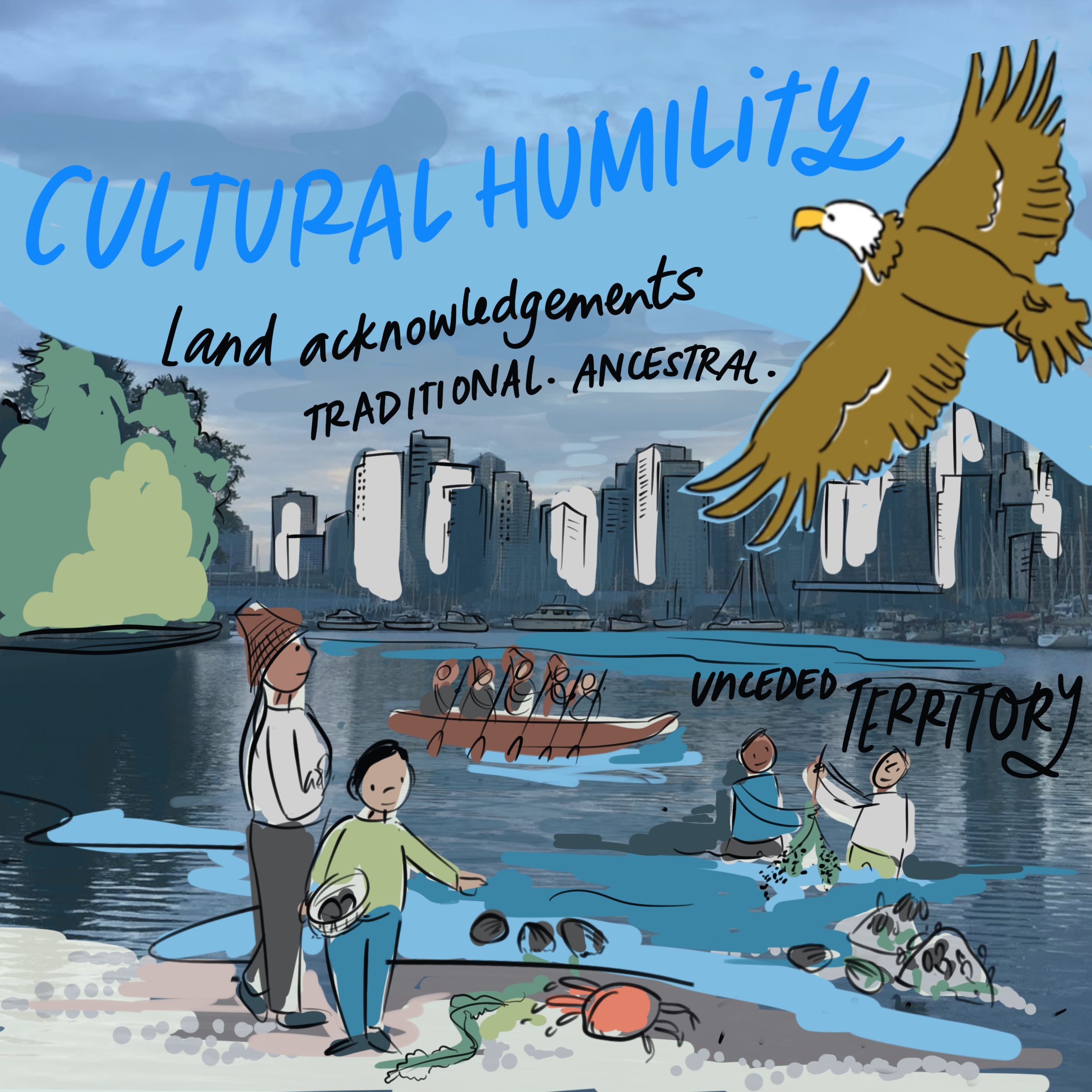
{"left":"Different concepts of land ownership - Europeans believed in individual property rights\nAboriginal peoples had complex systems of land custodianship and spiritual connection\nIntroduction of European diseases devastated Aboriginal populations","right":"Competition for natural resources like water sources and hunting grounds\nCultural misunderstandings about communication and social customs\nEuropean expansion disrupted traditional Aboriginal trade routes and ceremonies"}

Perspective Role-Play Debate
Role 1: British colonists seeking land and resources Role 2: First Nations Australians defending their country Role 3: British government officials making colonial policy Debate question: Why did European colonies become a source of conflict? Use provided source quotes to support your perspective
Reflecting on Multiple Perspectives
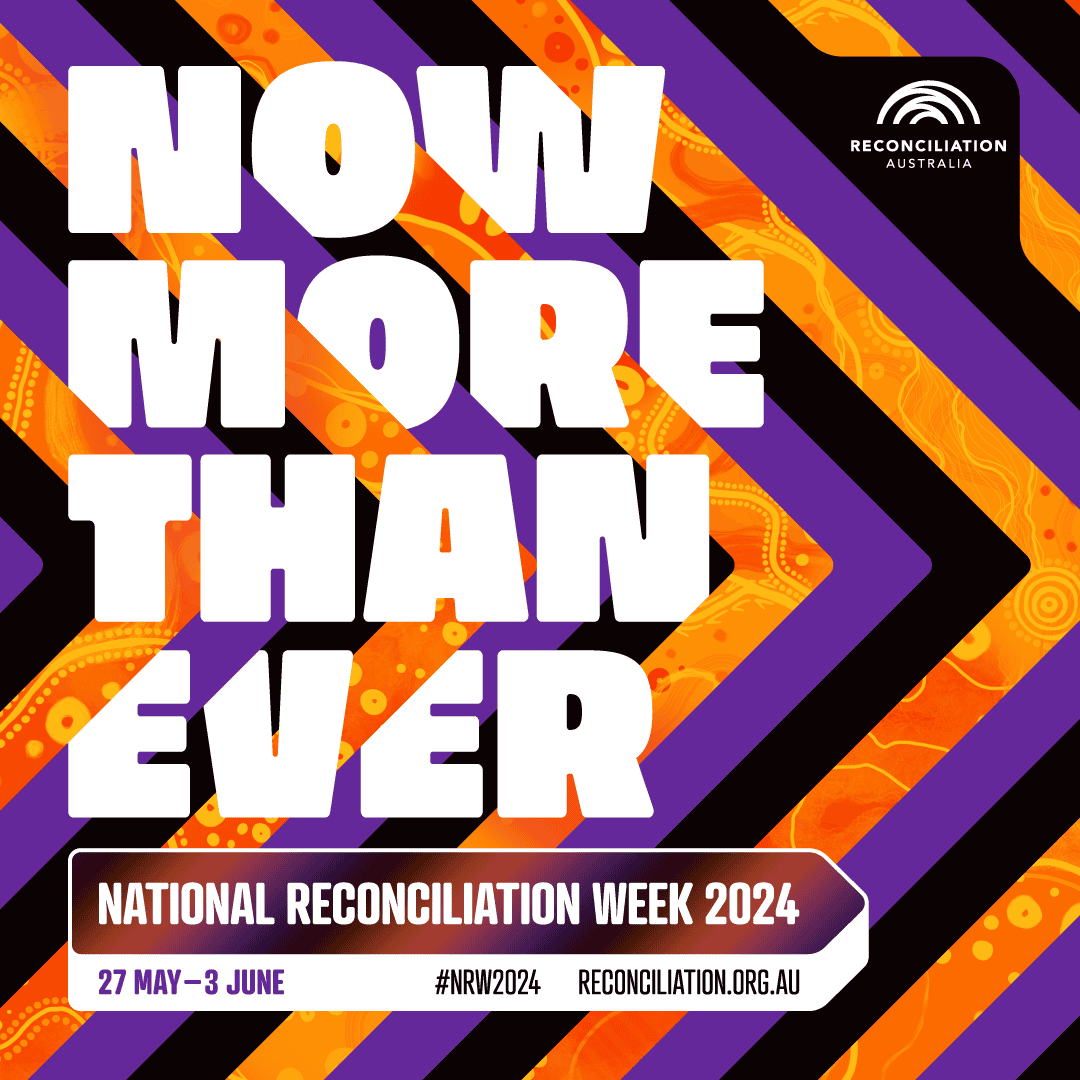
"The land belongs to the future, not to the past. We must consider all voices - coloniser and First Nations - to understand our shared history and build a more just future."