
Everyday Language: Forms and Contexts
Year 11 English Understanding how we communicate in daily life WALT: Identify everyday language forms and features

What is Everyday Language?
Think about how you spoke this morning... Did you talk differently to your family vs. your friends? What about texting vs. speaking face-to-face?
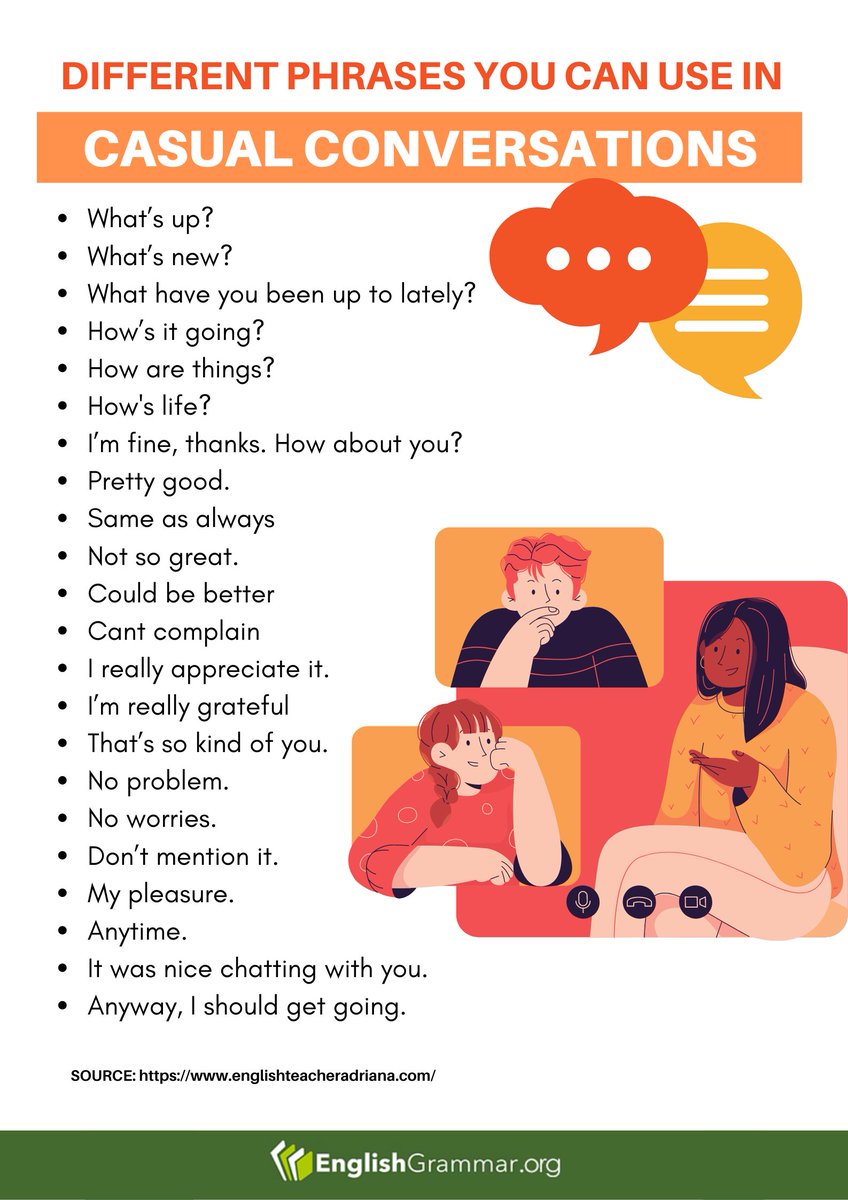
Three Main Forms of Everyday Language
1. Slang - informal words used by particular groups 2. Colloquial Language - casual, conversational style 3. Register - level of formality (formal/informal)

Language Sorting Challenge
Work in pairs to sort language examples Categories: Slang, Colloquial, Formal Use the sentence cards provided Discuss your choices with your partner

Slang vs. Formal Language
{"left":"That's fire!\nThe movie was excellent\nNo cap\nI'm being truthful","right":"Gonna bounce\nI must leave now\nMy bad\nI apologize"}

Context Matters: Where Do We Use Each Form?
Slang: texting friends, social media, casual hangouts Colloquial: family conversations, friendly chats, relaxed settings Formal: job interviews, school presentations, official emails
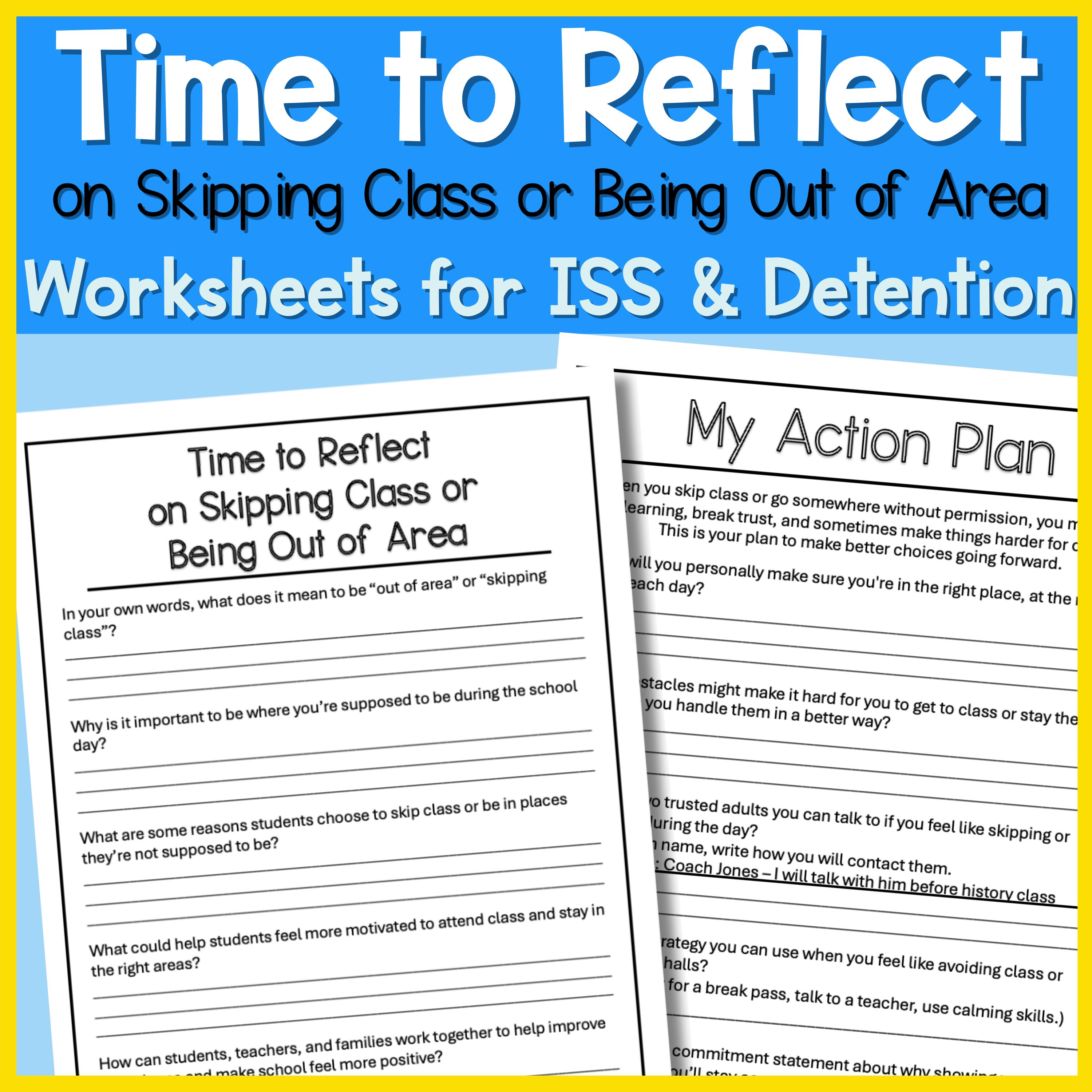
Success Criteria Check
Can you list three types of everyday language? Can you explain where each type is commonly used? Complete your reflection worksheet Use bullet points and the glossary for support
Remember
'Language is a tool - the key is choosing the right tool for the job!'