Exploring 2D Shapes and 3D Solids
Year 12 Mathematics Essential Geometry Unit Western Australian Curriculum
Learning Objectives
Recognise properties of common 2D shapes and 3D solids Interpret 2D representations of 3D objects including nets and perspective diagrams Use geometric terminology accurately Apply geometric concepts to real-world contexts
Geometric Terminology Foundation
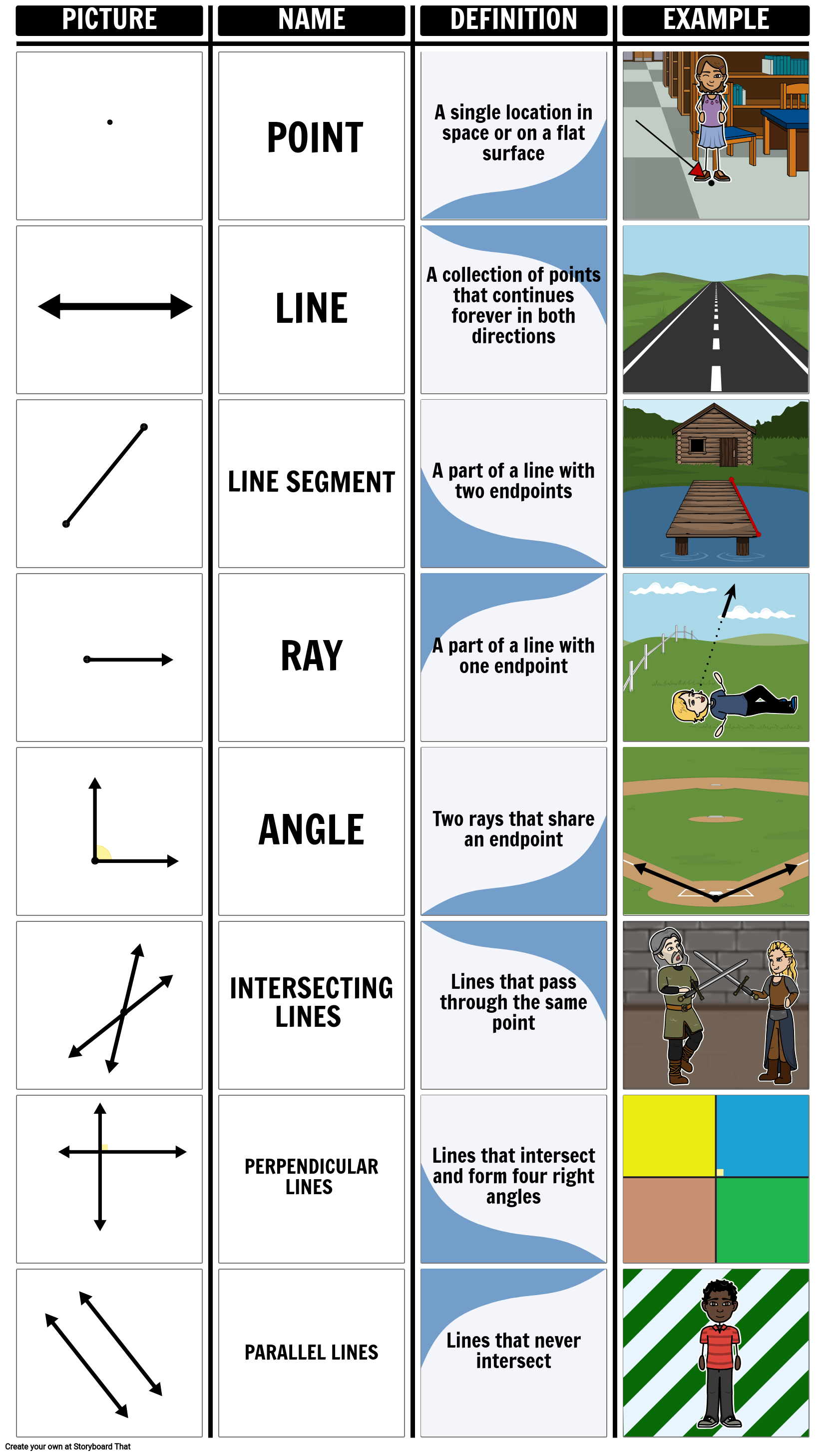
Point: exact location in space Line: extends infinitely in both directions Angle: formed by two rays meeting at a vertex Diagonal: line connecting non-adjacent vertices Edge: line where two faces meet Curve: smooth flowing line

More Geometric Terminology
Face: flat surface of a 3D solid Vertex: point where edges meet Parallel: lines that never intersect Perpendicular: lines meeting at 90° angles These terms help us describe shapes precisely Essential for technical communication
2D Shapes vs 3D Solids
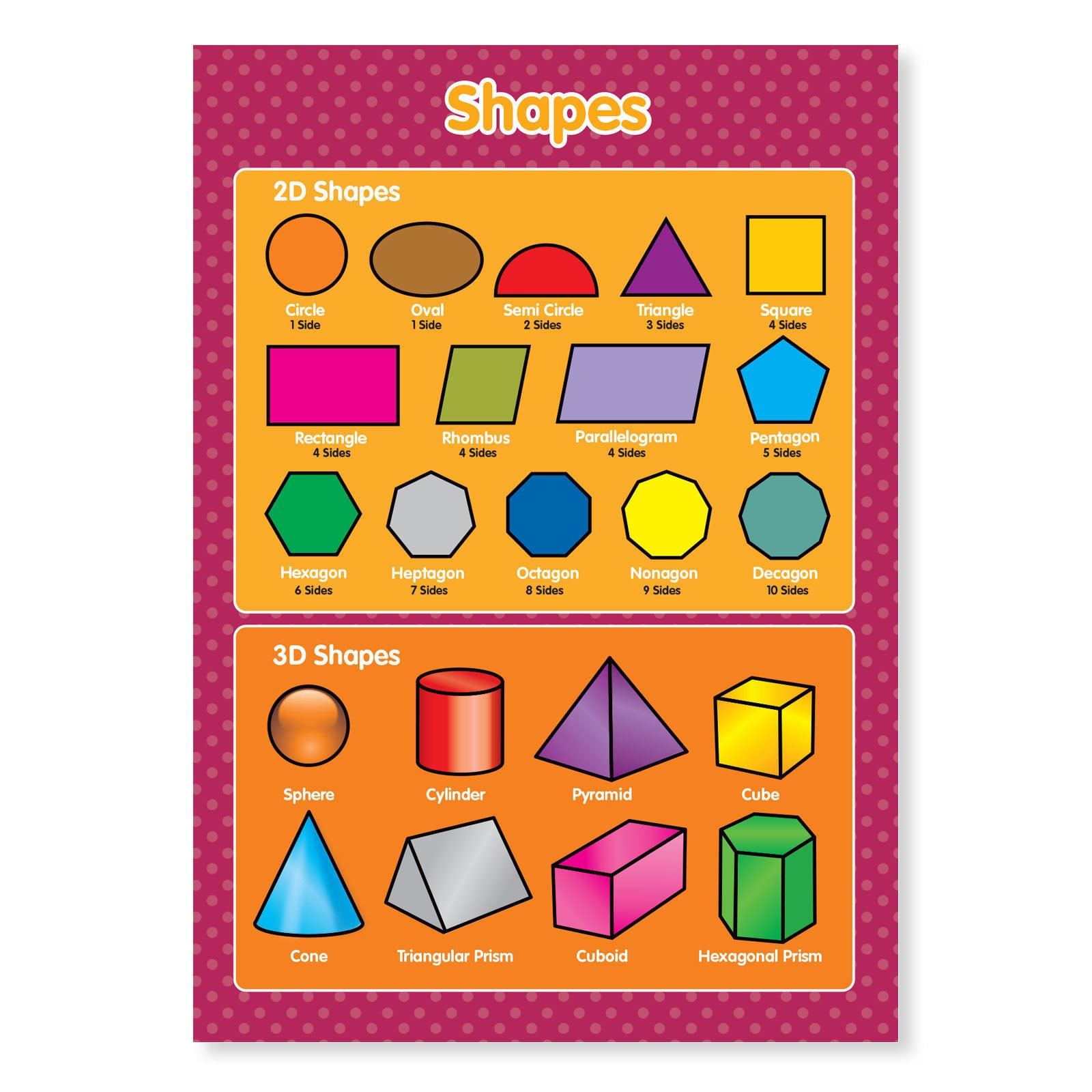
{"left":"2D shapes are flat - they have length and width only\nExamples: circles, triangles, squares, rectangles\nMeasured in square units (area)\nCan be drawn on paper completely","right":"3D solids have length, width, and height\nExamples: spheres, cubes, pyramids, cylinders\nMeasured in cubic units (volume)\nCannot be drawn completely flat without distortion"}

Common 2D Shapes and Properties
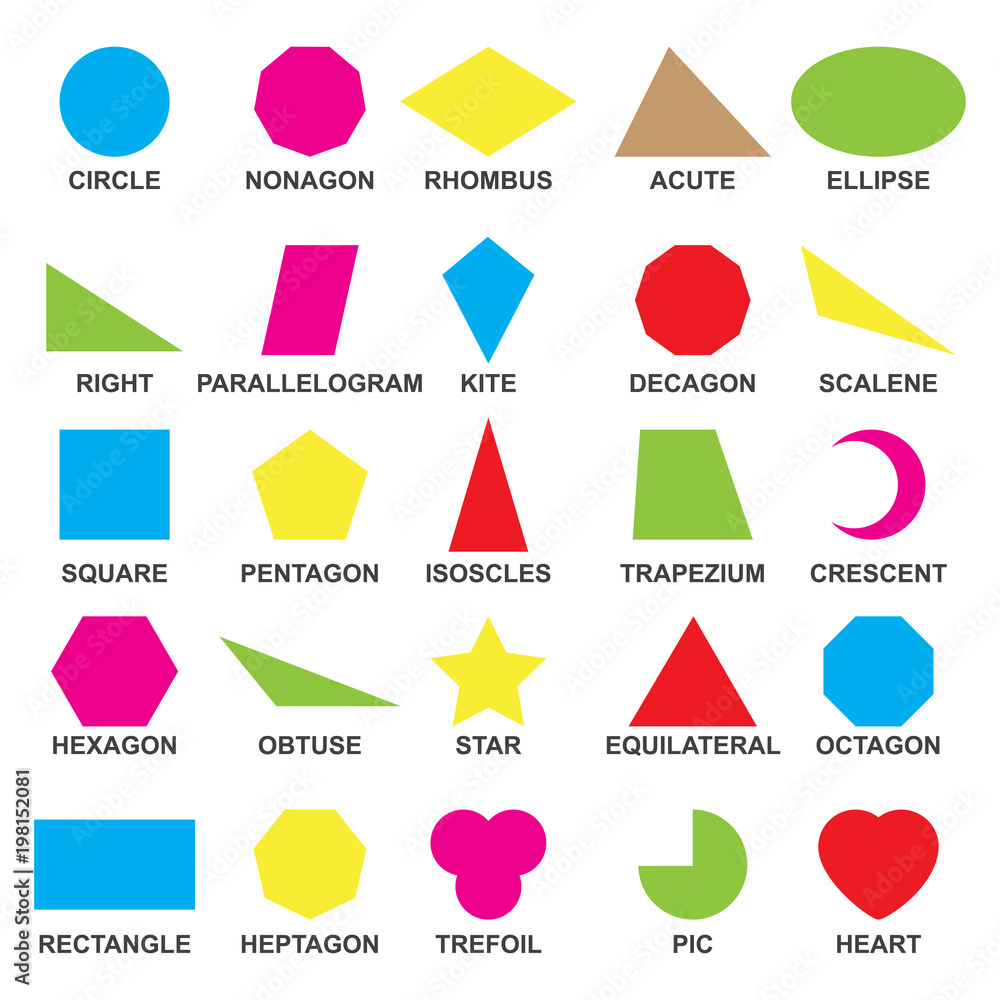
Triangle: 3 sides, 3 angles, sum of angles = 180° Square: 4 equal sides, 4 right angles Rectangle: opposite sides equal, 4 right angles Circle: curved line equidistant from center Pentagon: 5 sides Hexagon: 6 sides
Shape Property Challenge
Work in pairs Identify shapes around the classroom List three properties for each shape found Use correct geometric terminology Share findings with class

Common 3D Solids and Properties
Cube: 6 square faces, 12 edges, 8 vertices Rectangular prism: 6 rectangular faces Sphere: curved surface, no edges or vertices Cylinder: 2 circular faces, 1 curved surface Cone: 1 circular base, 1 curved surface, 1 vertex Pyramid: polygonal base, triangular faces meeting at apex

Quick Check: Properties
How many faces does a triangular prism have? What's the difference between a cube and a rectangular prism? Name a 3D solid with no vertices Which shape has exactly one vertex?
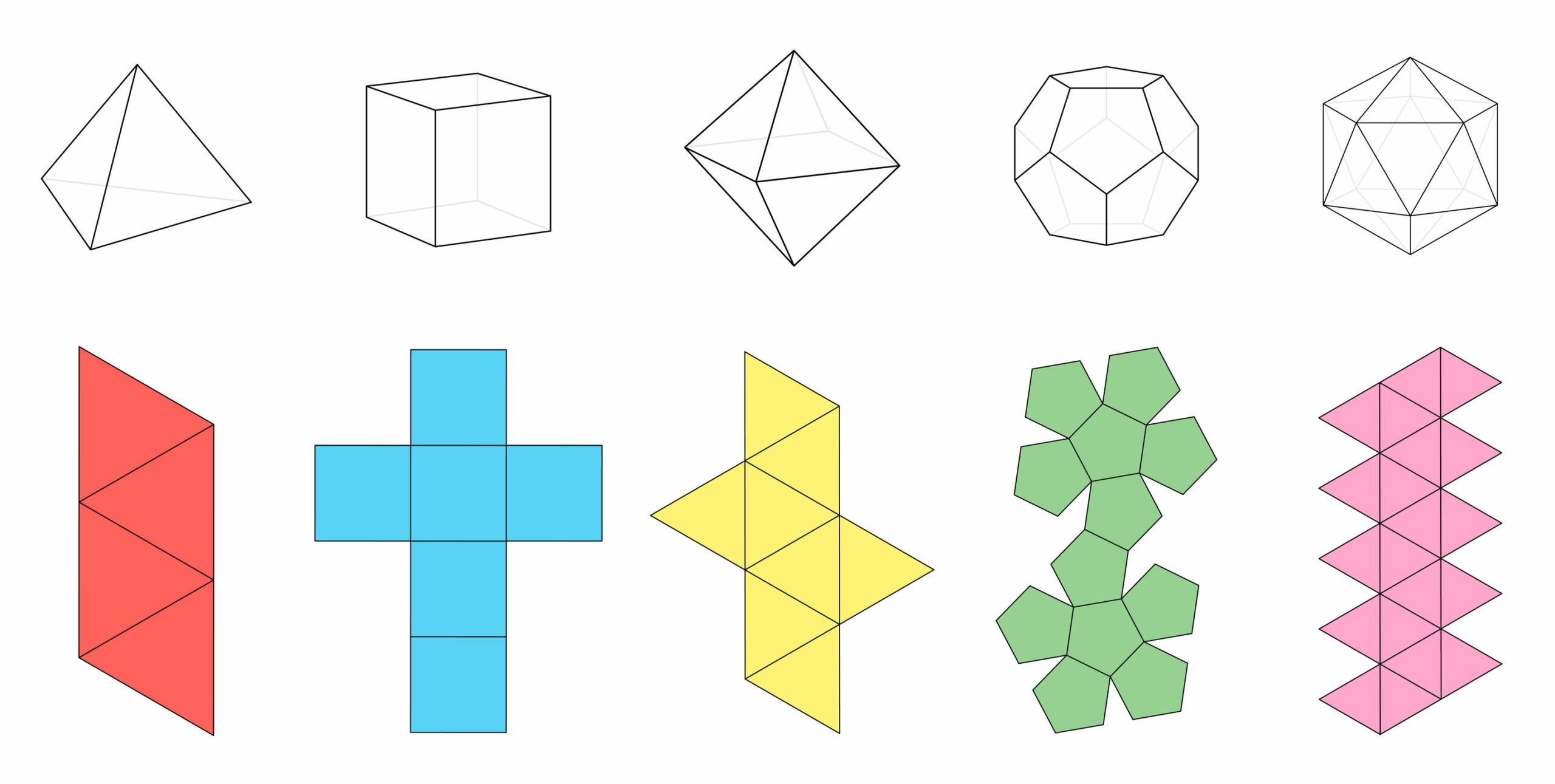
Nets of 3D Solids
Net Construction Activity
Choose a 3D solid from the selection Draw its net on grid paper Cut out and fold to verify Calculate the surface area Present your solid and net to a partner

Perspective Drawings
Isometric projection: shows 3D objects without perspective distortion One-point perspective: single vanishing point Two-point perspective: two vanishing points Orthographic projection: shows multiple 2D views Technical drawings use these methods Helps visualize 3D objects on 2D surfaces
8 more slides available after you open the deck.
Download all 20 slides