Exploring Biological Systems and Functions
Year 12 Science Understanding interconnected biological processes NSW Stage 6 Biology Syllabus

What is a Biological System?
Think-Pair-Share Activity Share your ideas with a partner What examples can you think of?

Definition: Biological Systems
An organized group of related parts that function together Components work interdependently Found at multiple levels: cellular, tissue, organ, organism Essential for maintaining life processes

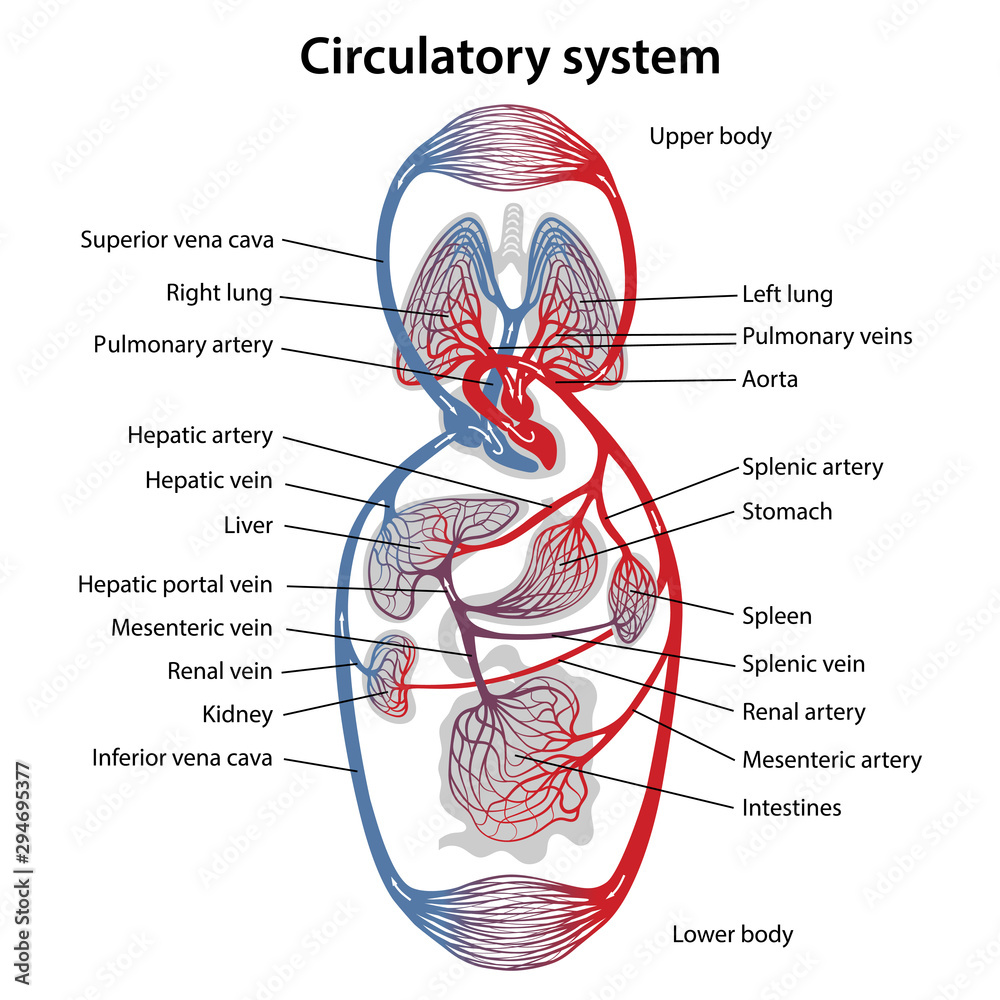
Examples of Biological Systems
{"left":"Human circulatory system - transports nutrients and oxygen\nRespiratory system - gas exchange\nNervous system - communication and control","right":"Plant transport system - water and nutrient movement\nDigestive system - nutrient breakdown and absorption\nImmune system - defense against pathogens"}

System Jigsaw Activity
Form groups of 6 students each Each group receives a biological system fact sheet Create a large diagram showing system components Prepare to teach other groups about your system

Gallery Walk & Peer Teaching
Display your group's system diagram Circulate and learn from other groups Ask questions and record interesting facts Each group presents a 2-minute summary
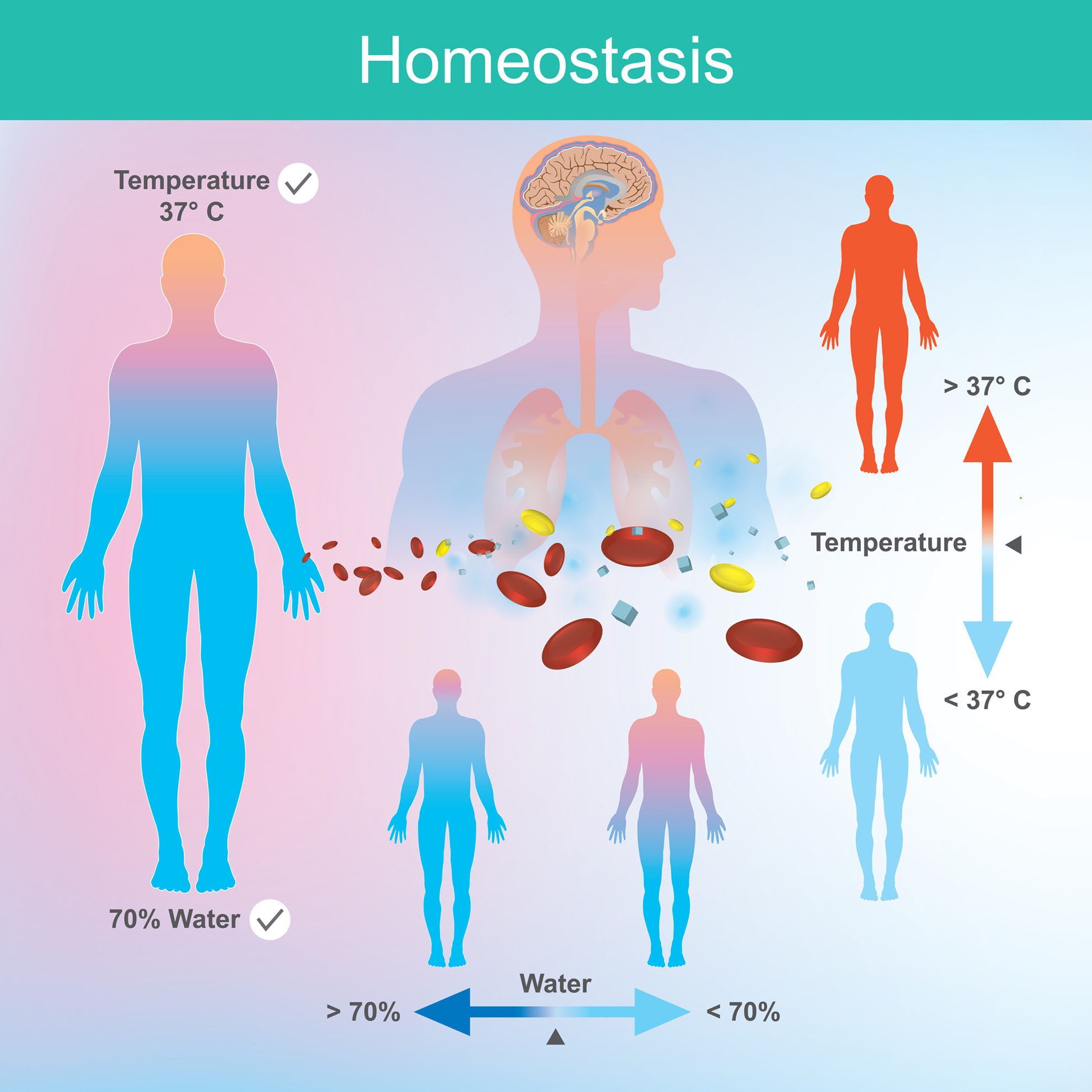
Systems Interconnections
"No biological system works in isolation. The circulatory and respiratory systems work together to deliver oxygen to cells. The nervous system coordinates all other systems."

Reflection & Next Steps
Why is understanding biological systems important? How do systems thinking skills apply to biology? Write a paragraph using scientific vocabulary Homework: Find an image of a biological system for next lesson