
Exploring Space: Scientific Skills & Observations
Year 7 Science NSW Curriculum Observing the Universe
What Will We Learn?
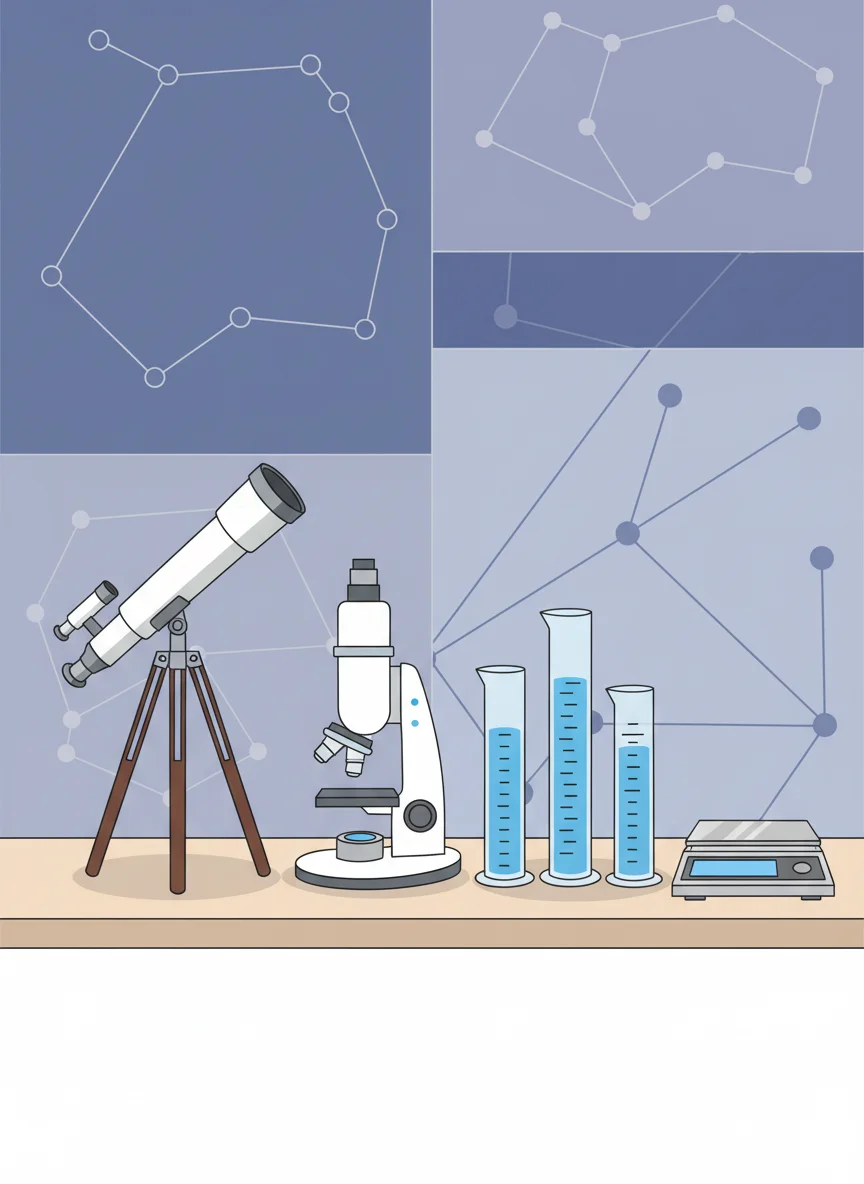
Use scientific tools and instruments Make accurate observations Practice scientific drawing conventions Develop measurement techniques Explore the universe through science

What Do You Already Know?
What tools do scientists use to study space? How do we make accurate observations? What have you observed in the night sky?

The Nature of Science
Science is about asking questions Making careful observations Testing ideas through experiments Using evidence to draw conclusions Sharing discoveries with others
Observation Challenge
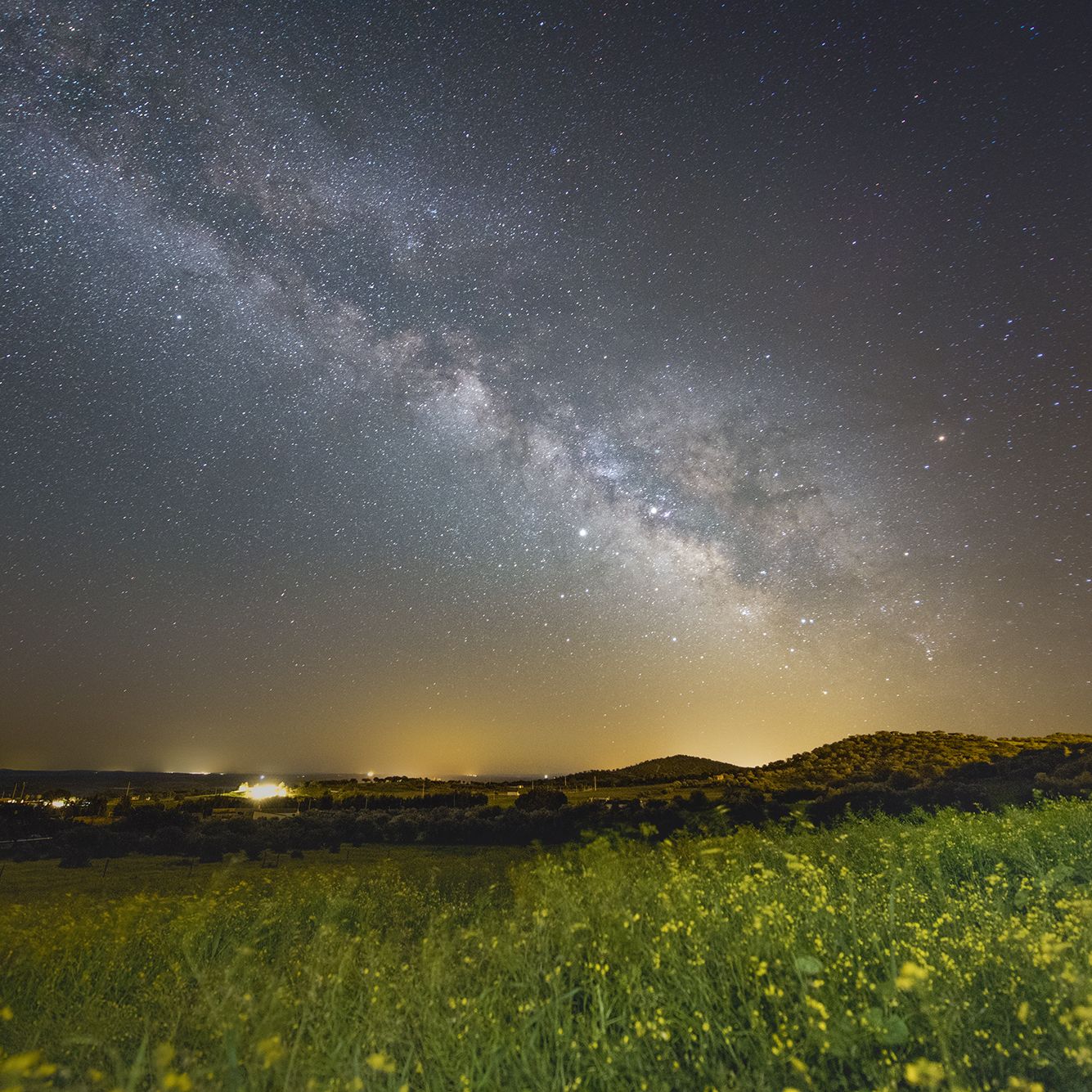
Look at the night sky image List 5 things you can observe Describe what you see in detail Compare observations with a partner
Scientific Tools for Space Observation
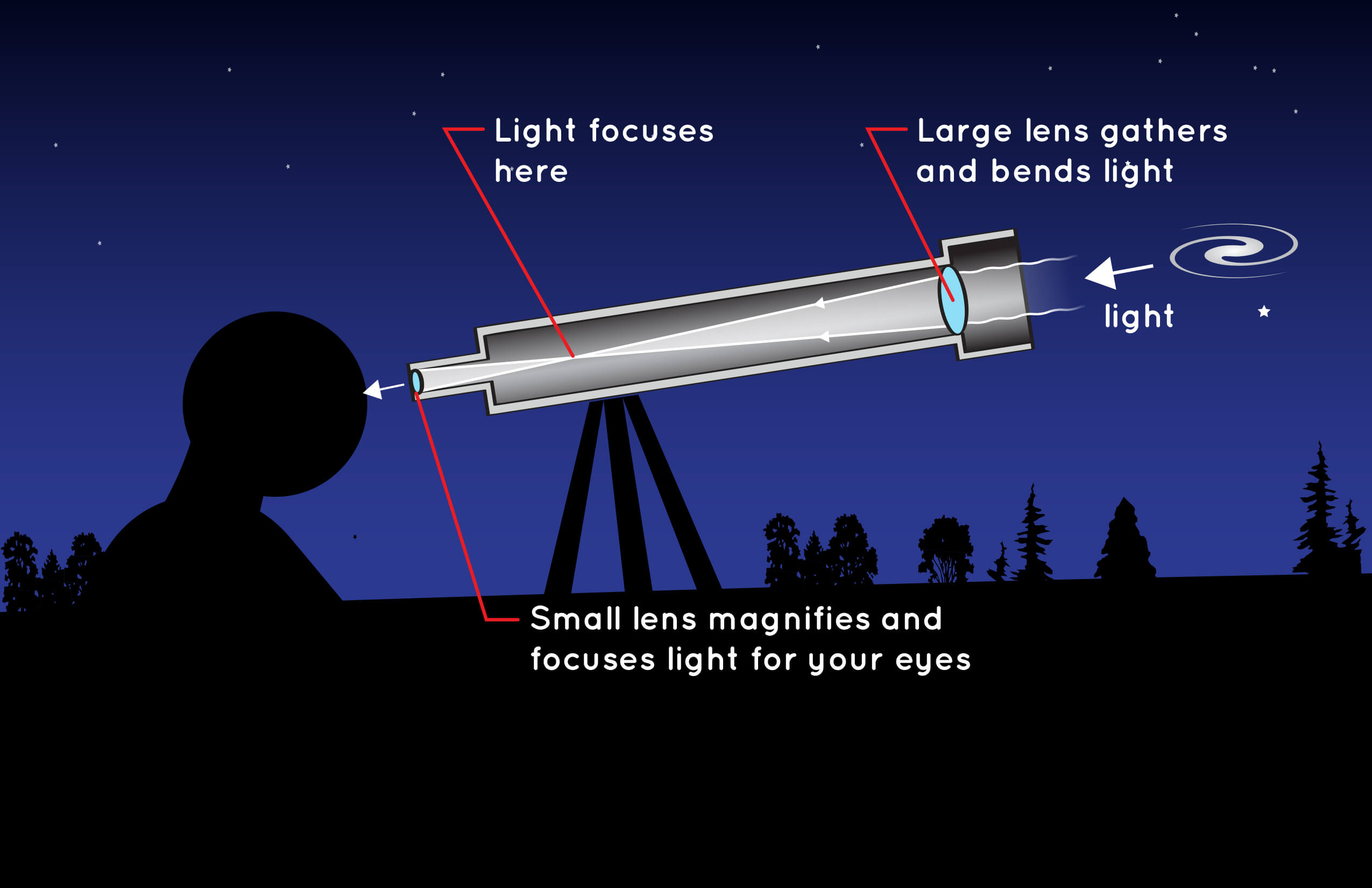
Telescopes - optical and radio Spectrometers - analyze light Cameras - capture images Computers - process data Satellites - observe from space

Ground vs Space Telescopes
{"left":"Ground telescopes are cheaper to build and maintain\nSpace telescopes avoid atmospheric interference\nGround telescopes can be easily repaired","right":"Space telescopes get clearer images\nGround telescopes affected by weather\nSpace telescopes operate 24/7"}
Making Accurate Observations
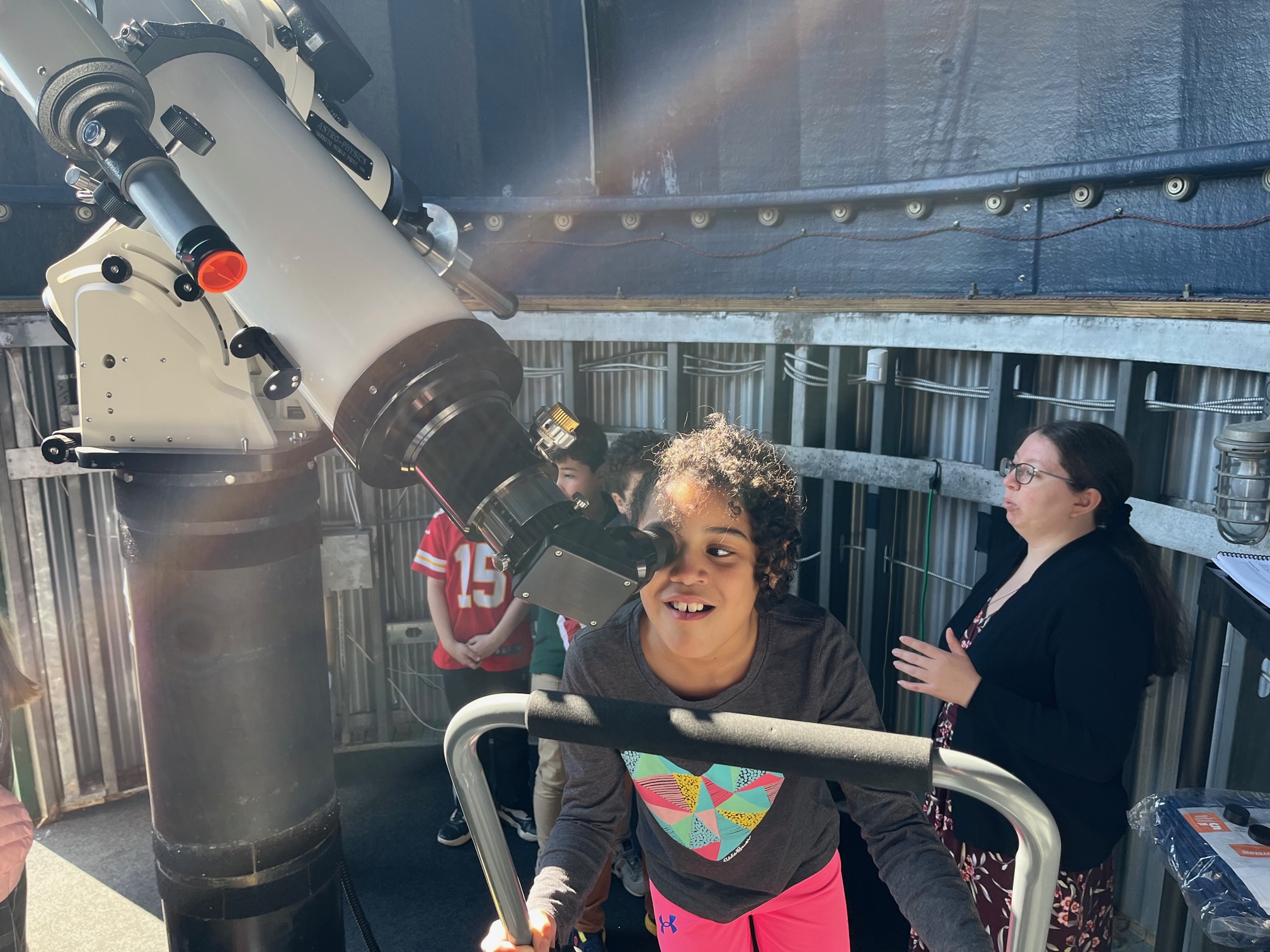
Use your senses carefully Record what you actually see Measure precisely Note the time and conditions Avoid jumping to conclusions
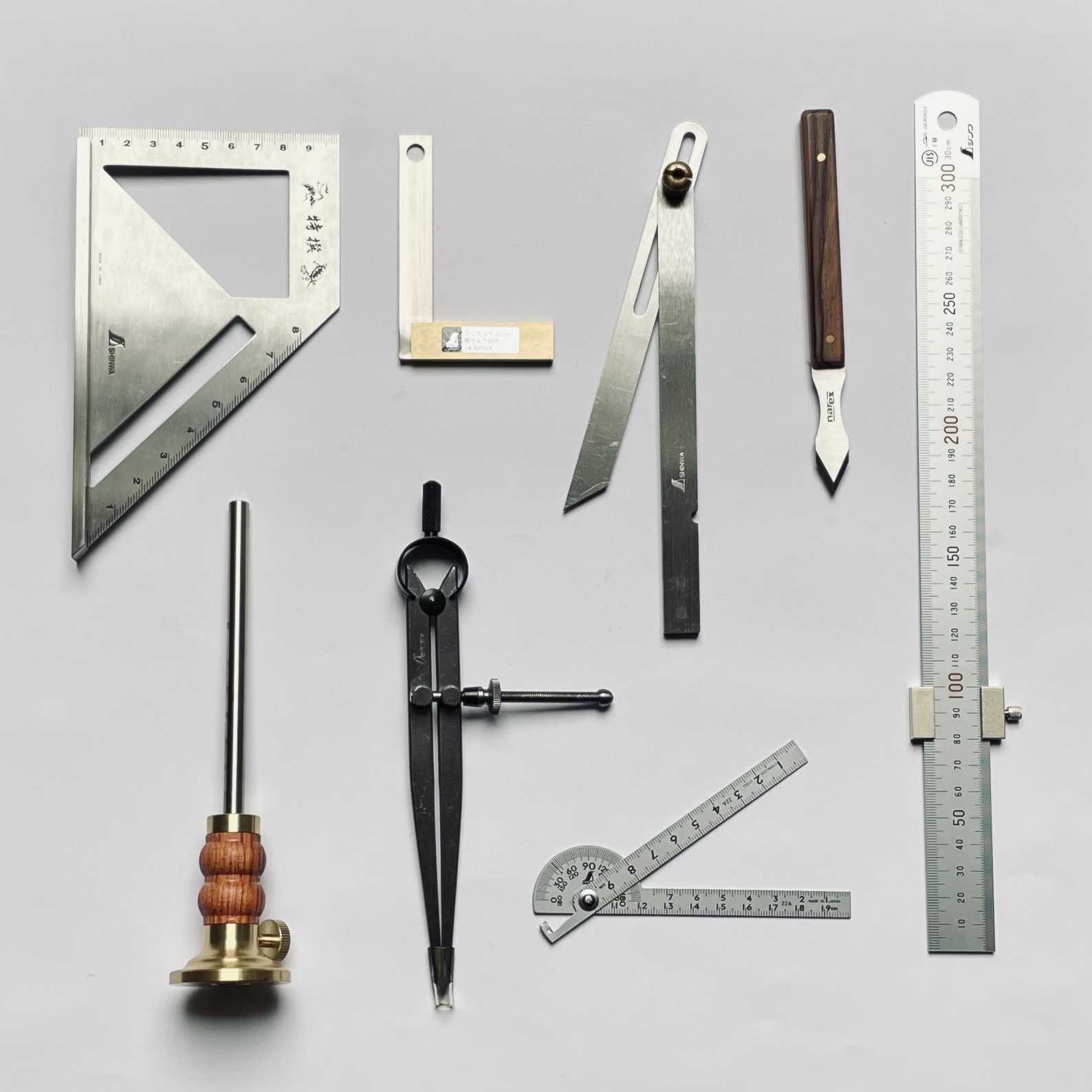
Measuring Practice
Use rulers to measure star chart distances Practice reading graduated cylinders Time how long observations take Record measurements in a table
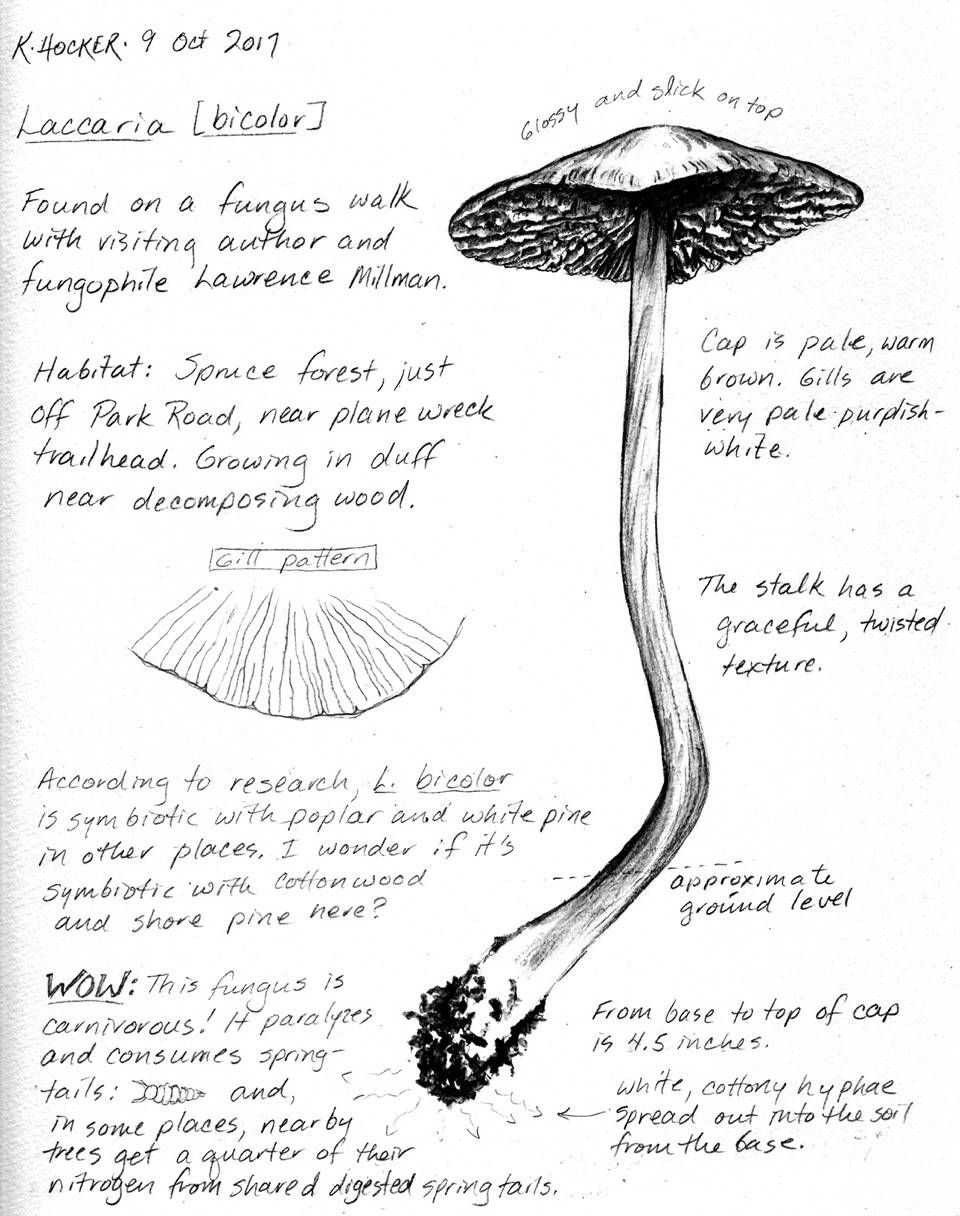
Scientific Drawing Conventions
Use sharp pencil, no colors Draw clear, simple lines Include labels with lines Add a title and scale Show only what you observe

Draw What You See
Observe the Moon phase image Draw using scientific conventions Label the illuminated portion Add title and your name

The Solar System Scale
20 more slides available after you open the deck.
Download all 32 slides