
Fast Fashion's Environmental Impact Crisis
Understanding the Hidden Costs of Cheap Clothing Year 10 Geography Australian Victorian Curriculum
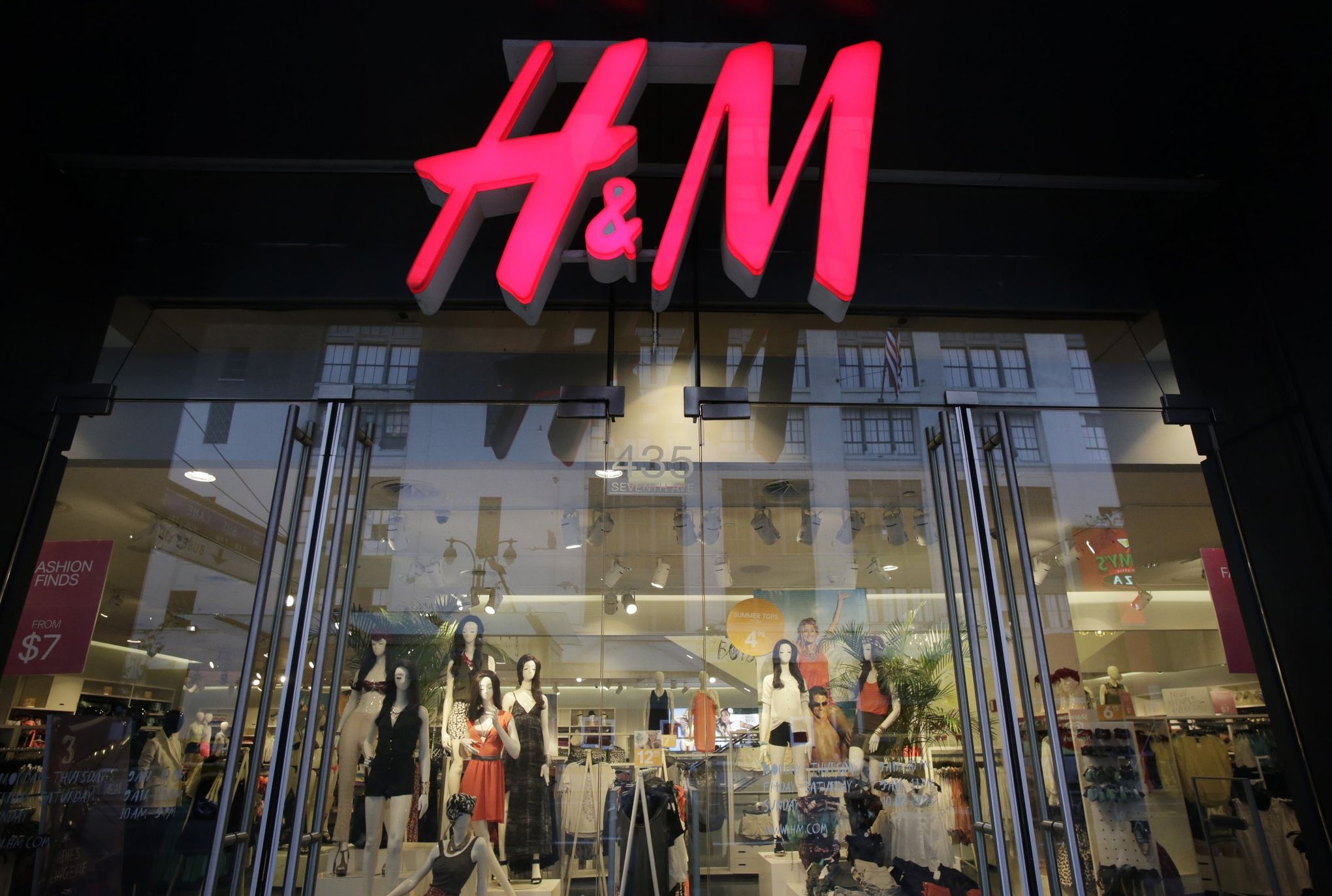
What is Fast Fashion?
Rapidly produced, inexpensive clothing Mimics current luxury fashion trends Designed for quick disposal and replacement Major brands produce 52 collections per year Encourages frequent purchasing habits
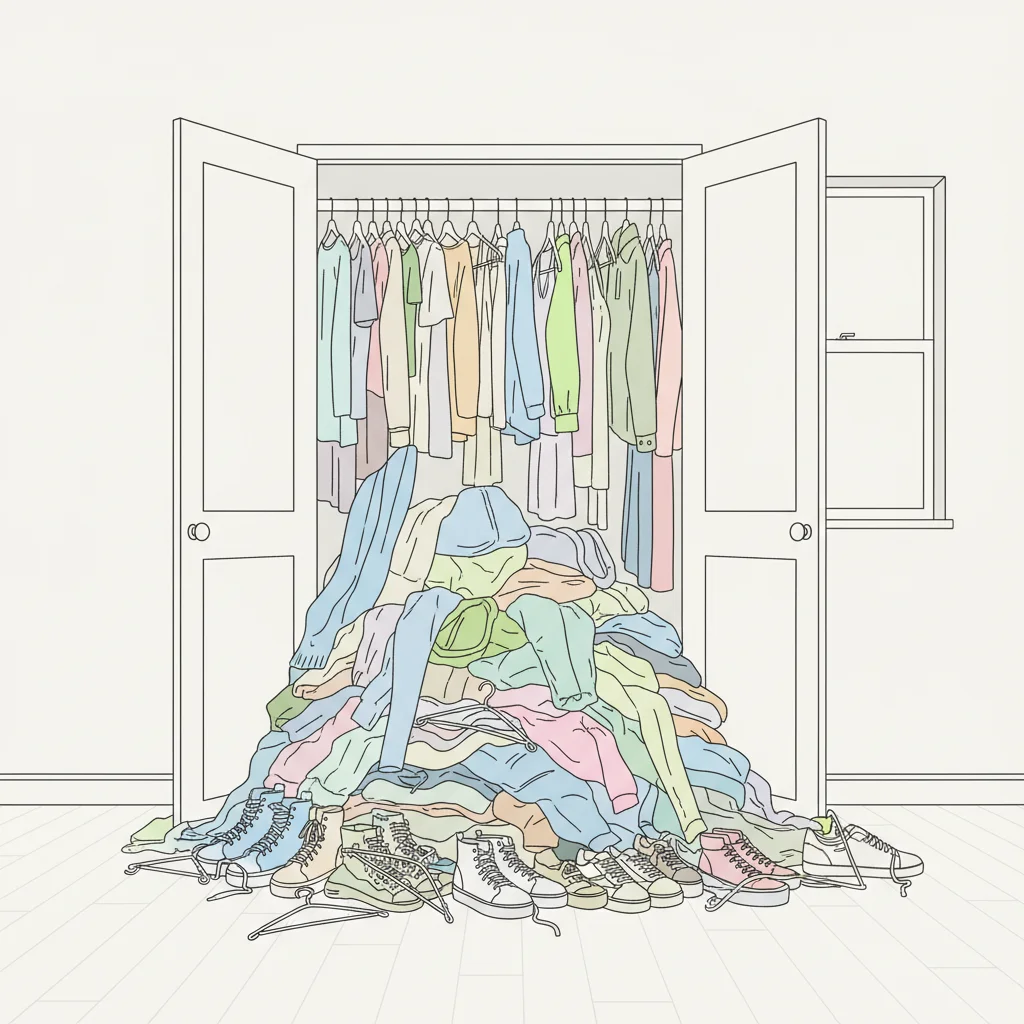
Think About Your Wardrobe
How many items of clothing did you buy last month? Where do you think your clothes come from? What happens to clothes you no longer wear?
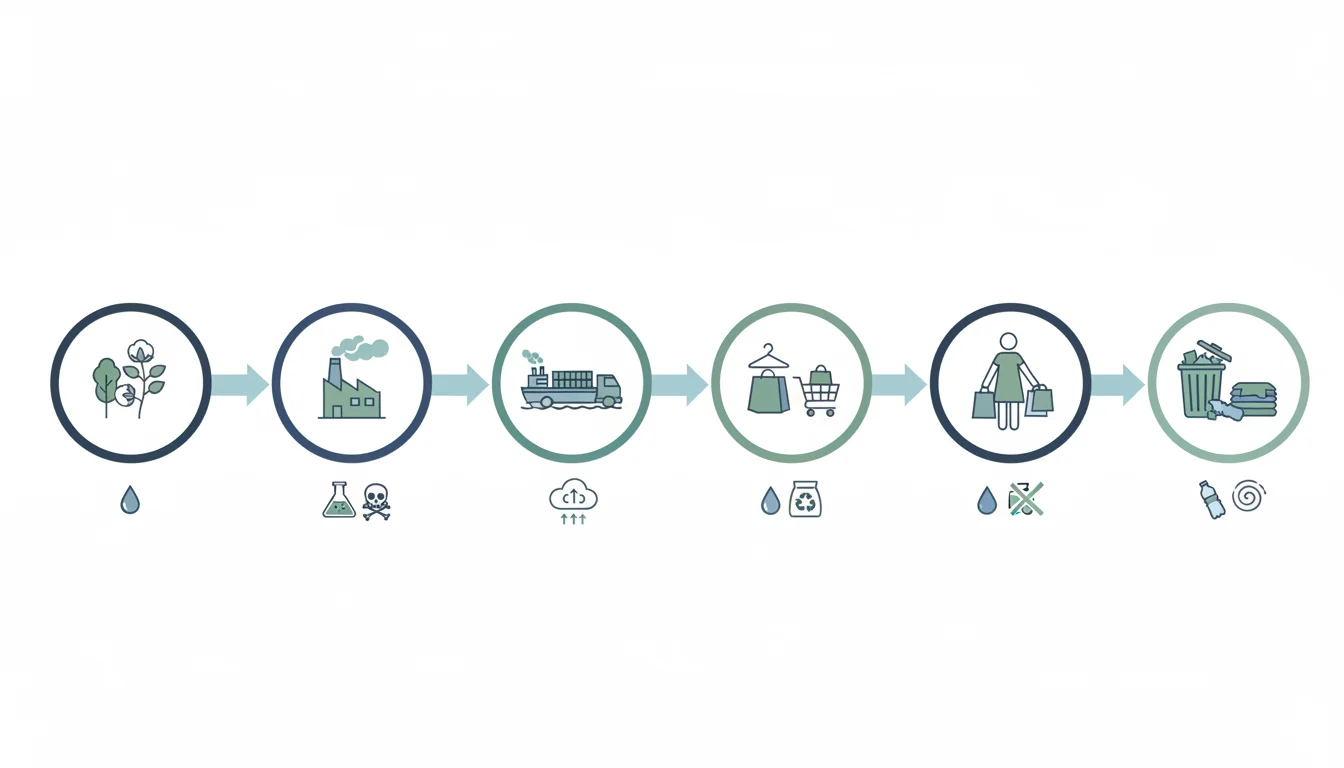
The Fast Fashion Production Cycle
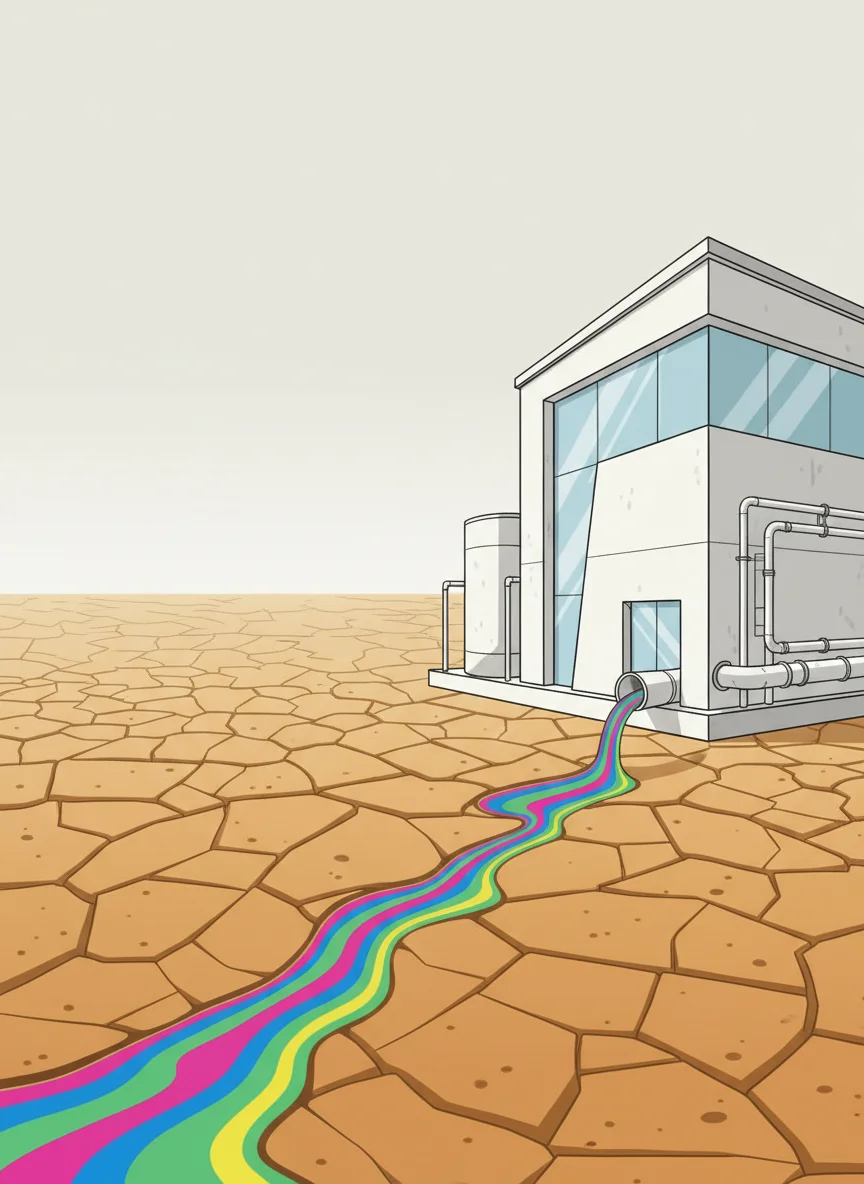
Water Consumption Crisis
2,700 litres of water needed for one cotton t-shirt Textile industry uses 93 billion cubic metres annually Equivalent to 37 million Olympic swimming pools Many production areas face water scarcity Contaminated water affects local communities
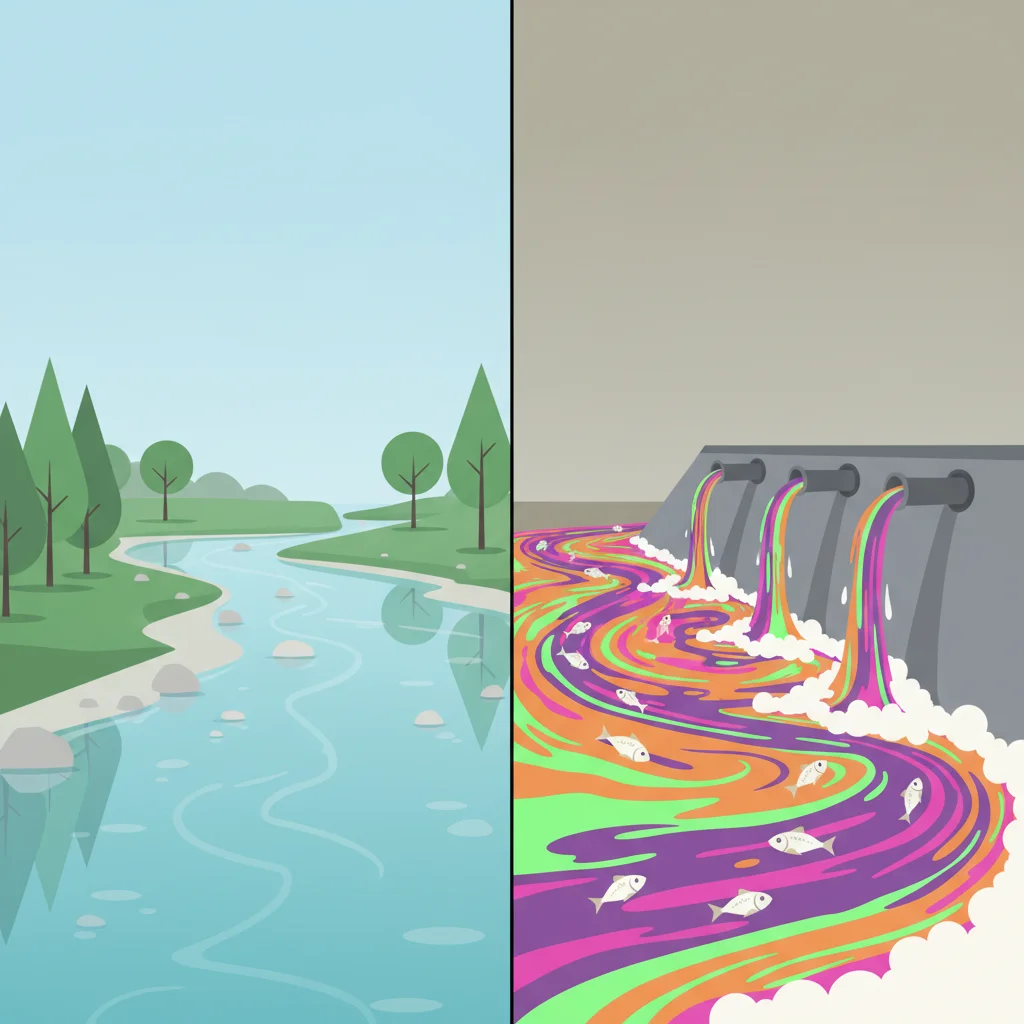
Chemical Pollution Impact
{"left":"8,000 synthetic chemicals used in textile production\nHeavy metals like lead and mercury released\nUntreated wastewater discharged into rivers","right":"Affects drinking water for 1.1 billion people\nCauses skin diseases and respiratory problems\nKills aquatic life and destroys ecosystems"}
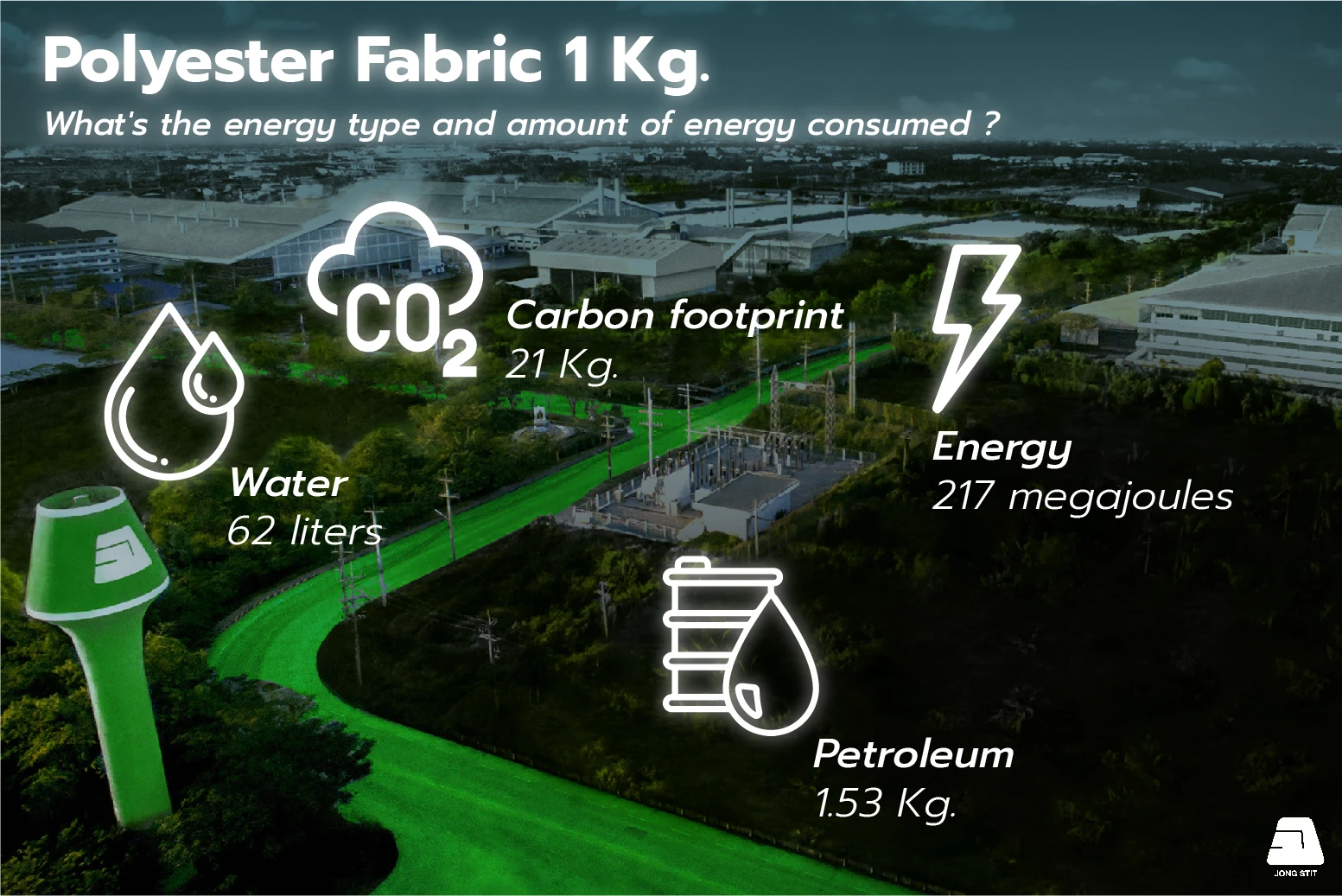
Carbon Footprint and Transportation
Fashion industry produces 10% of global carbon emissions More than aviation and shipping combined Synthetic fabrics release microplastics Clothes travel thousands of kilometres to reach stores Polyester production is especially energy-intensive
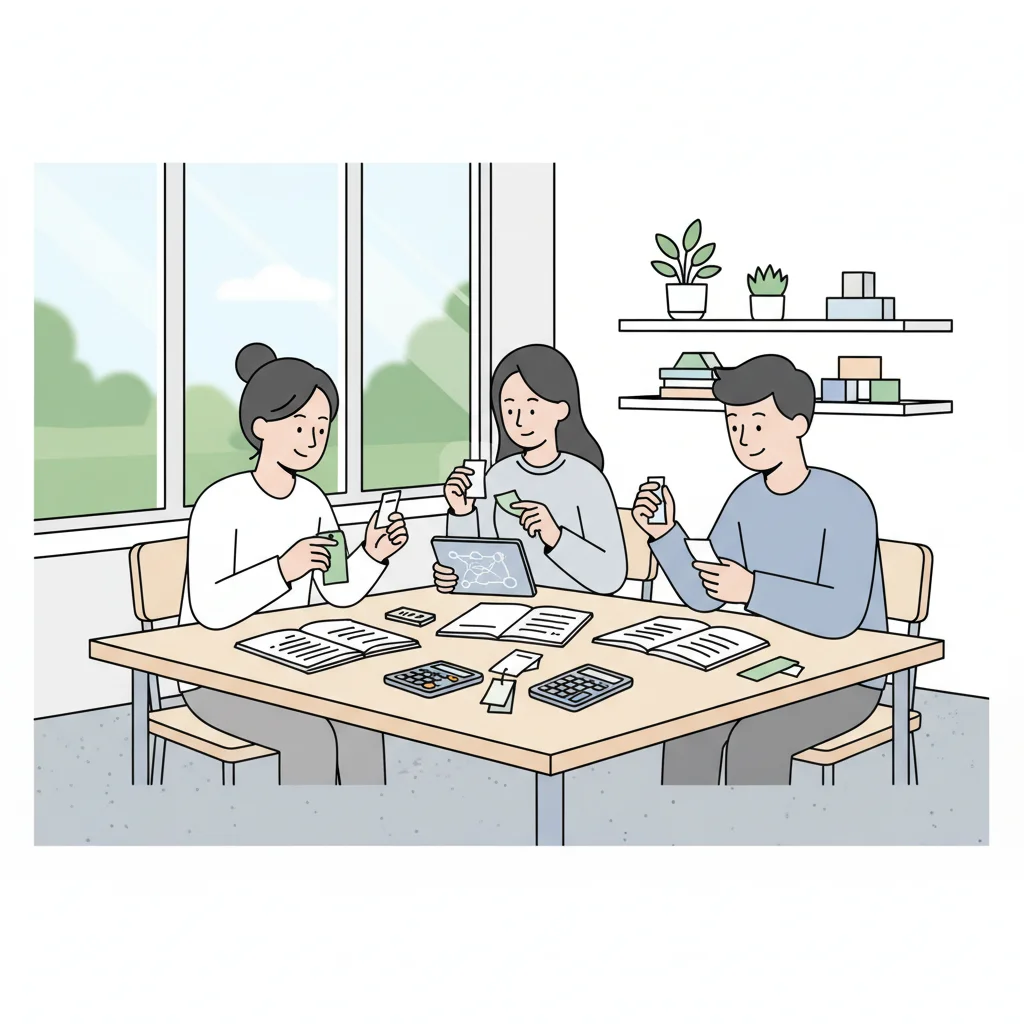
Waste Calculation Challenge
Calculate your clothing waste impact Average person throws away 37kg of textiles yearly Work in pairs to estimate your annual clothing purchases Research: How long do your clothes typically last? Compare with sustainable fashion alternatives
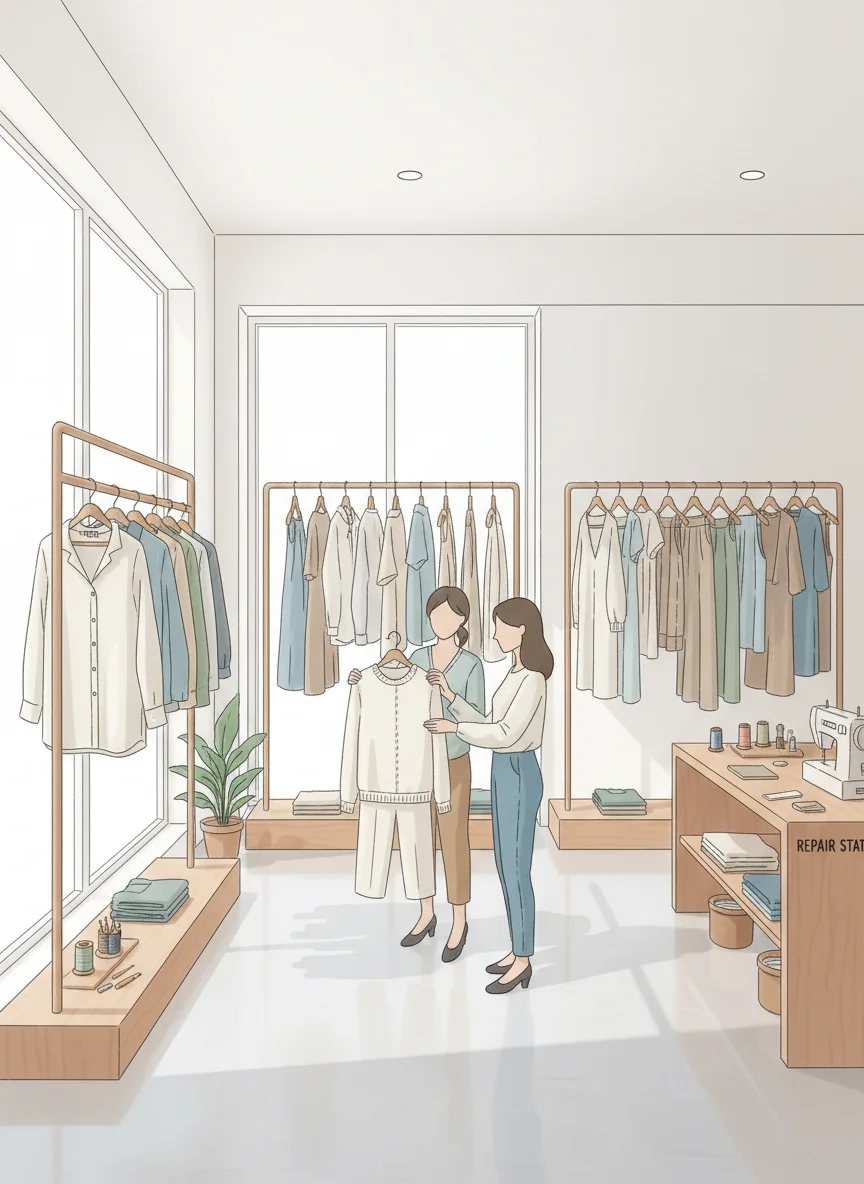
Sustainable Fashion Solutions
Buy fewer, higher-quality items Choose natural, organic fibres when possible Support brands with transparent supply chains Repair and upcycle existing clothing Shop second-hand and vintage stores Participate in clothing swaps
Taking Action
"The most sustainable garment is the one already in your wardrobe." - Livia Firth, Eco-Age Every purchase is a vote for the kind of world we want to live in