Film Techniques Study Guide
Year 10 English/Media Studies Understanding How Directors Create Meaning Camera, Sound, and Visual Storytelling
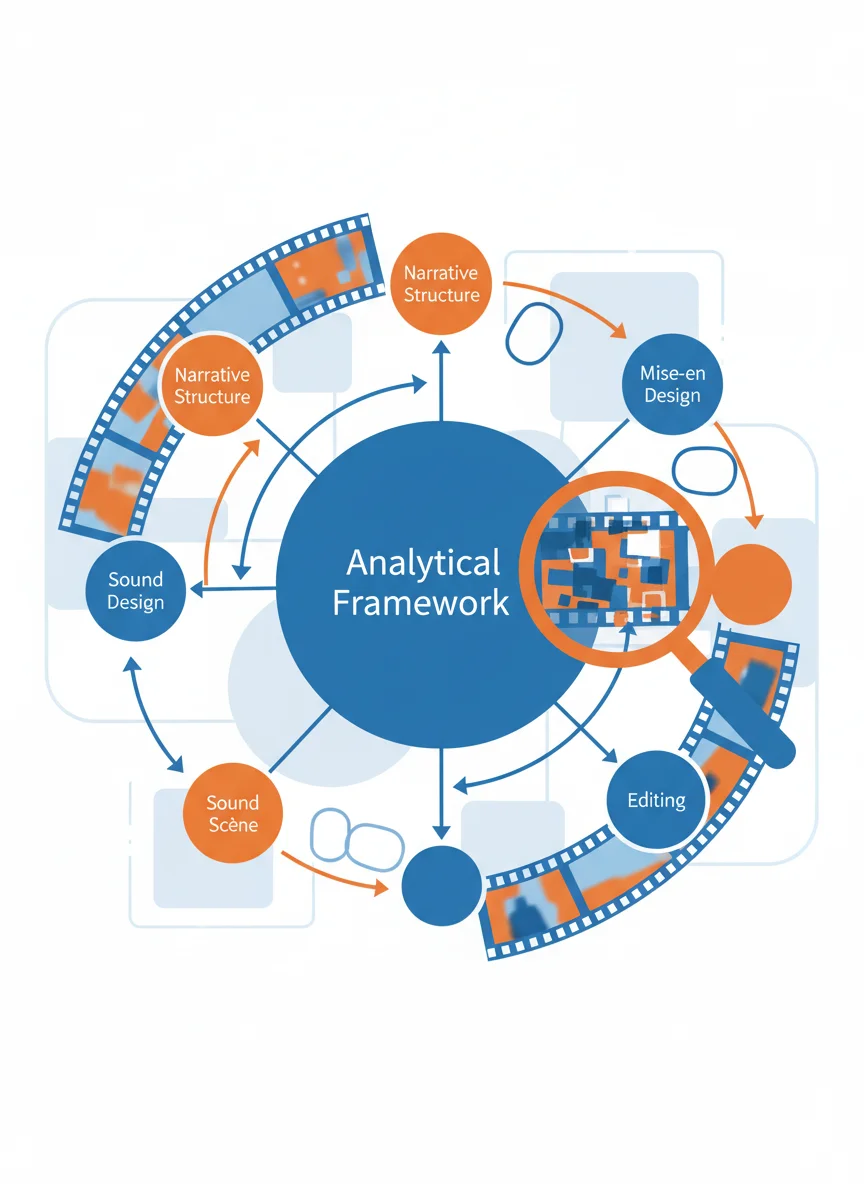
The Film Analysis Framework
What technique is used? What do I see or hear? Why did the director choose this technique? How does it affect the audience? Remember: Technique → Example → Effect → Meaning
Camera Shots: Close-Up Techniques
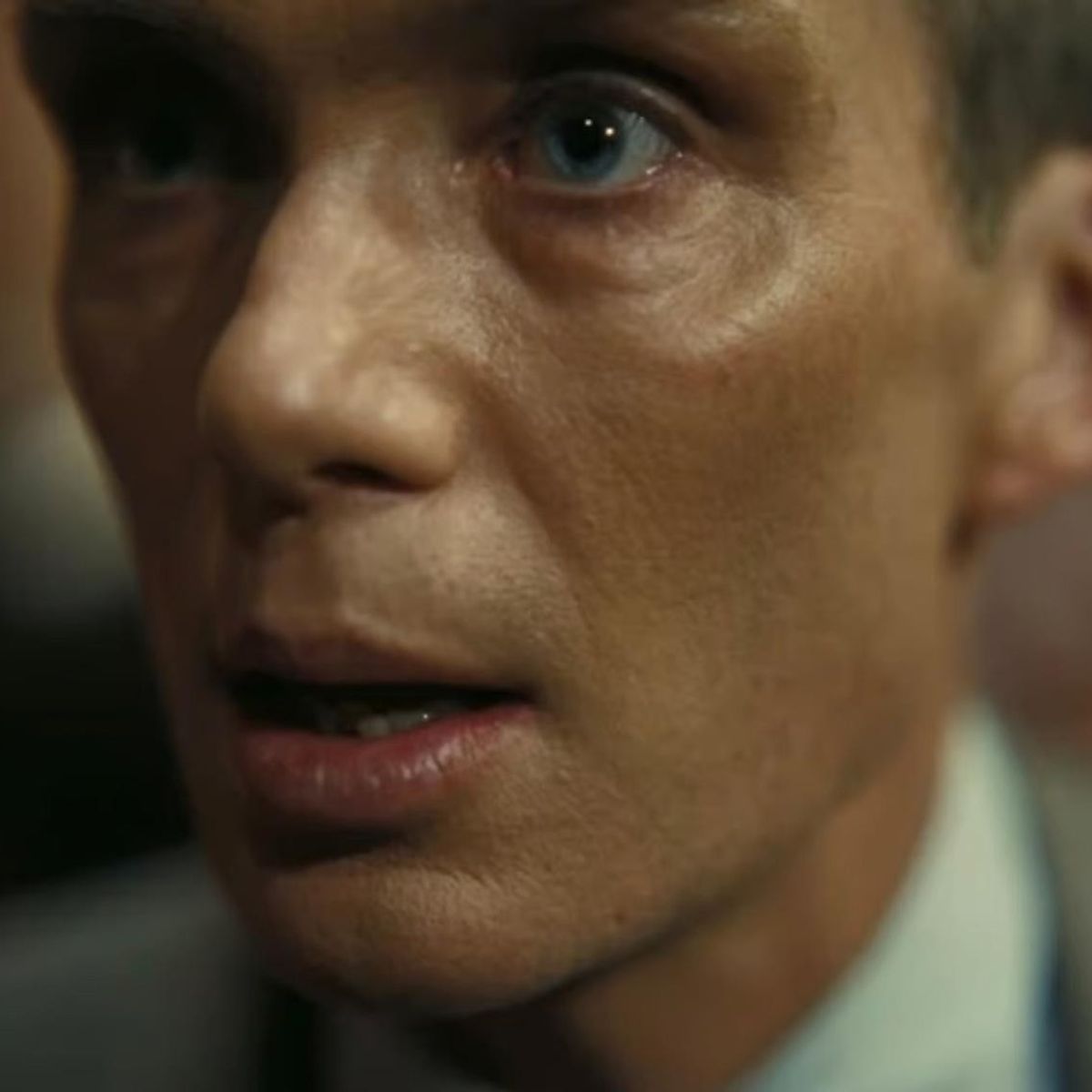
{"left":"Extreme Close-Up (ECU): Eyes, hands, objects to create tension and highlight details\nClose-Up (CU): Face and expressions to show emotions and build character connection","right":"Medium Close-Up: Shoulders up, balances emotion with environment during conversations"}

Camera Shots: Wide and Medium Shots
{"left":"Medium Shot: Waist up, shows interactions and body language during dialogue scenes\nWide/Long Shot: Full character in environment, establishes location and shows relationships","right":"Extreme Long Shot: Large landscapes, introduces setting and can make characters appear isolated"}

Camera Angle Analysis Activity
High-Angle: Camera looks down - makes subject appear weak or vulnerable Low-Angle: Camera looks up - makes subject appear powerful and dominant Bird's-Eye View: Directly overhead - shows layout and makes characters seem small Practice: Identify the angle and explain its effect on the audience
Camera Movement and Point of View
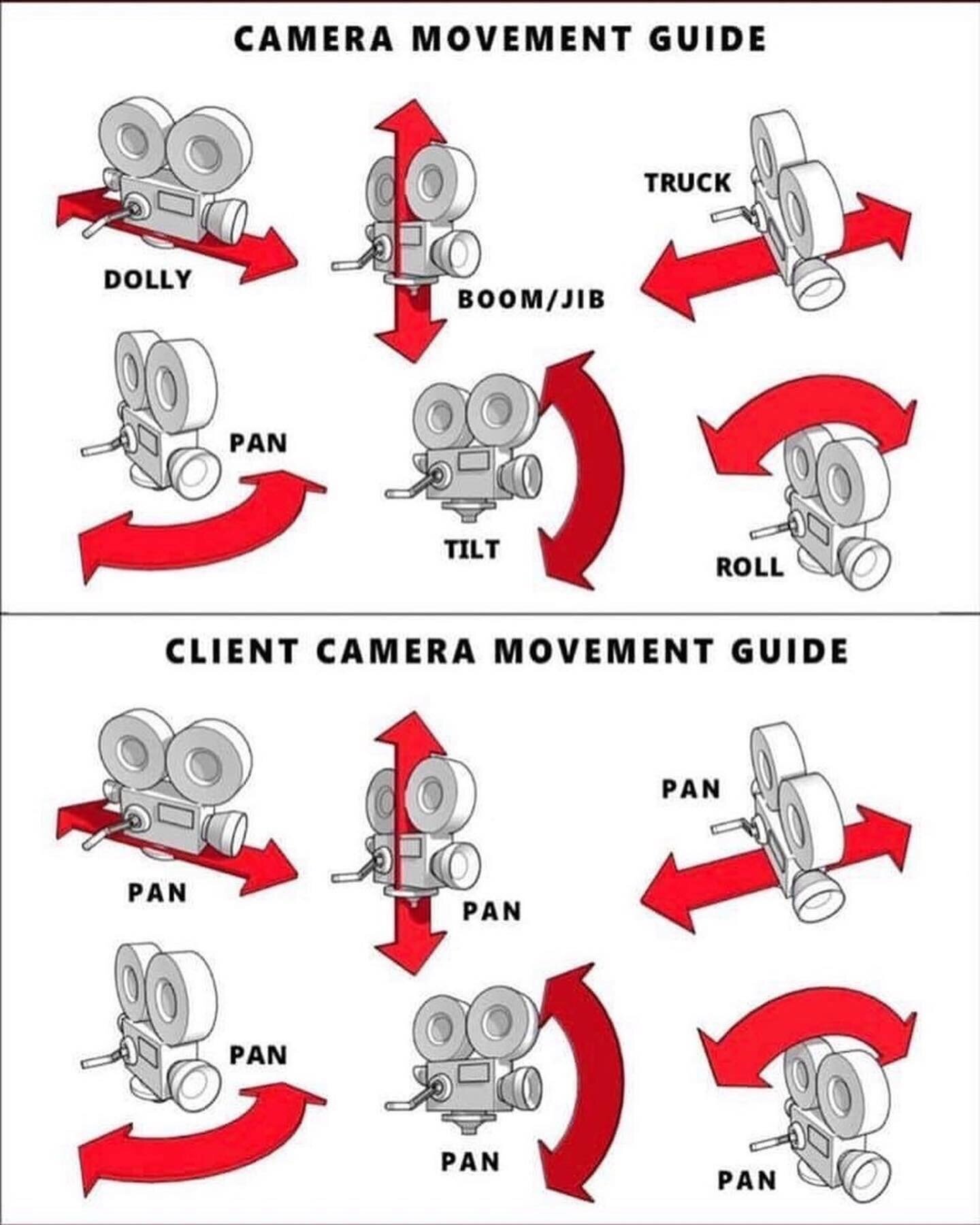
Panning: Side-to-side movement follows action and reveals information Tilting: Up-and-down movement guides focus and shows scale Point of View (POV): Audience sees through character's eyes Creates empathy and suspense Makes audience feel part of the action
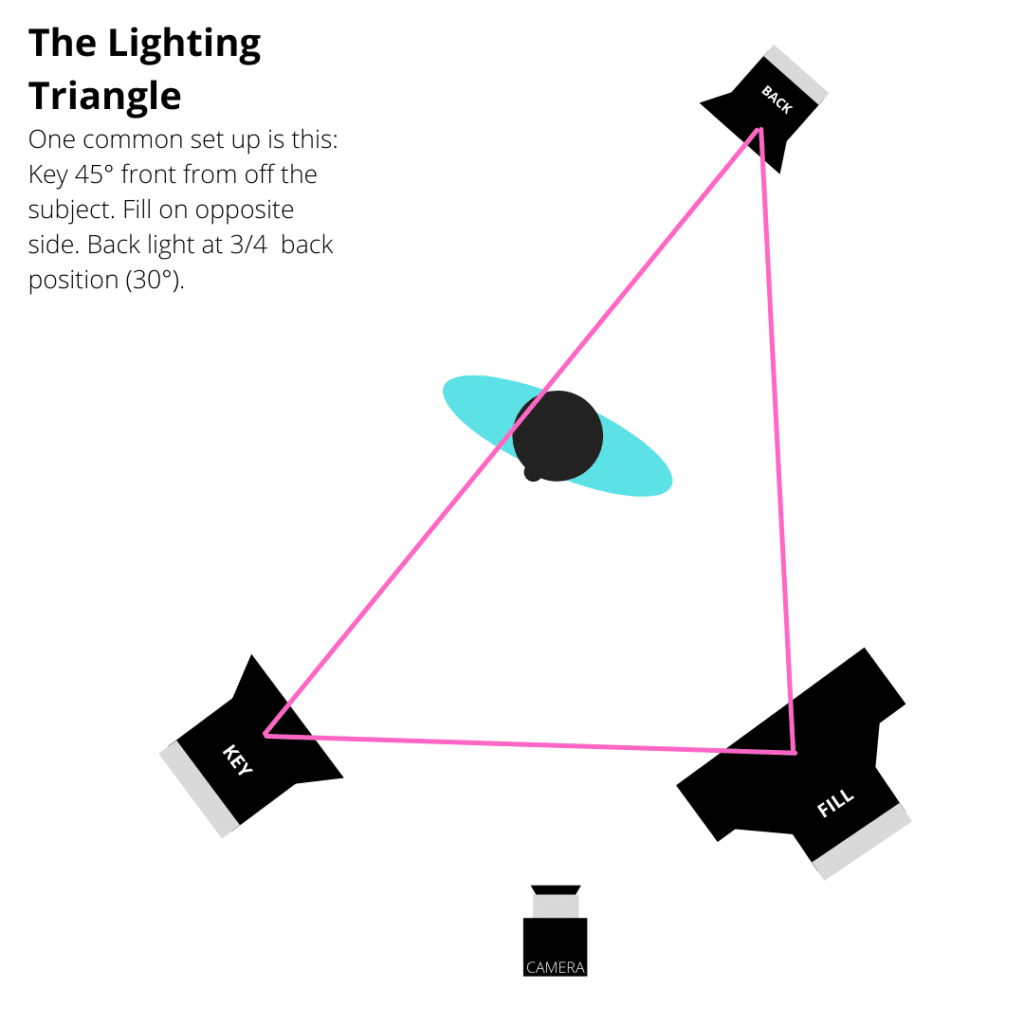
Lighting Creates Mood
How does lighting affect the mood of a scene? High-Key Lighting: Bright, few shadows - creates happy, safe feelings Low-Key Lighting: Dark, strong shadows - creates mystery and tension Back Lighting: Light from behind - creates silhouettes and drama
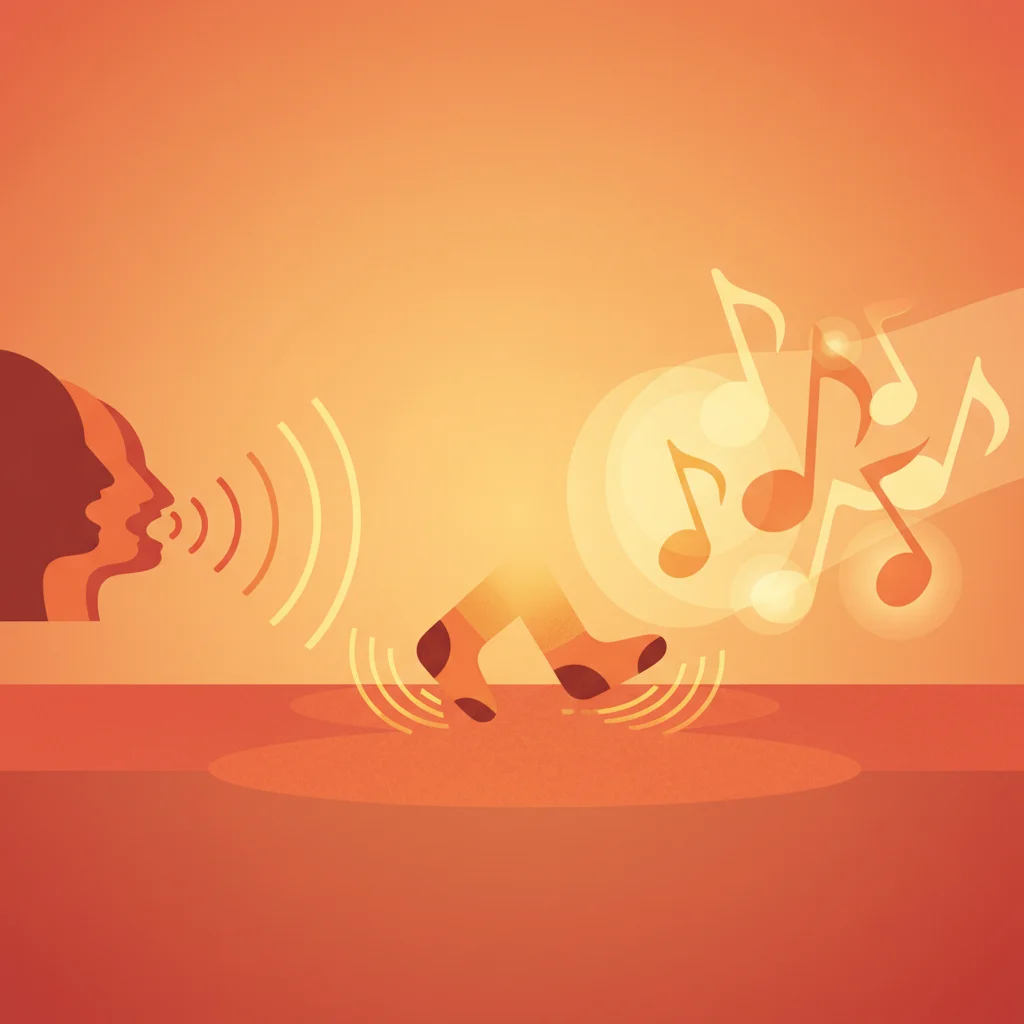
Sound in Film
{"left":"Diegetic Sound: Exists in the film world - dialogue, footsteps, car engines, radio music\nNon-Diegetic Sound: Does not exist in film world - background music, narration, dramatic sound effects","right":"Diegetic makes scenes realistic\nNon-diegetic controls emotion and atmosphere"}
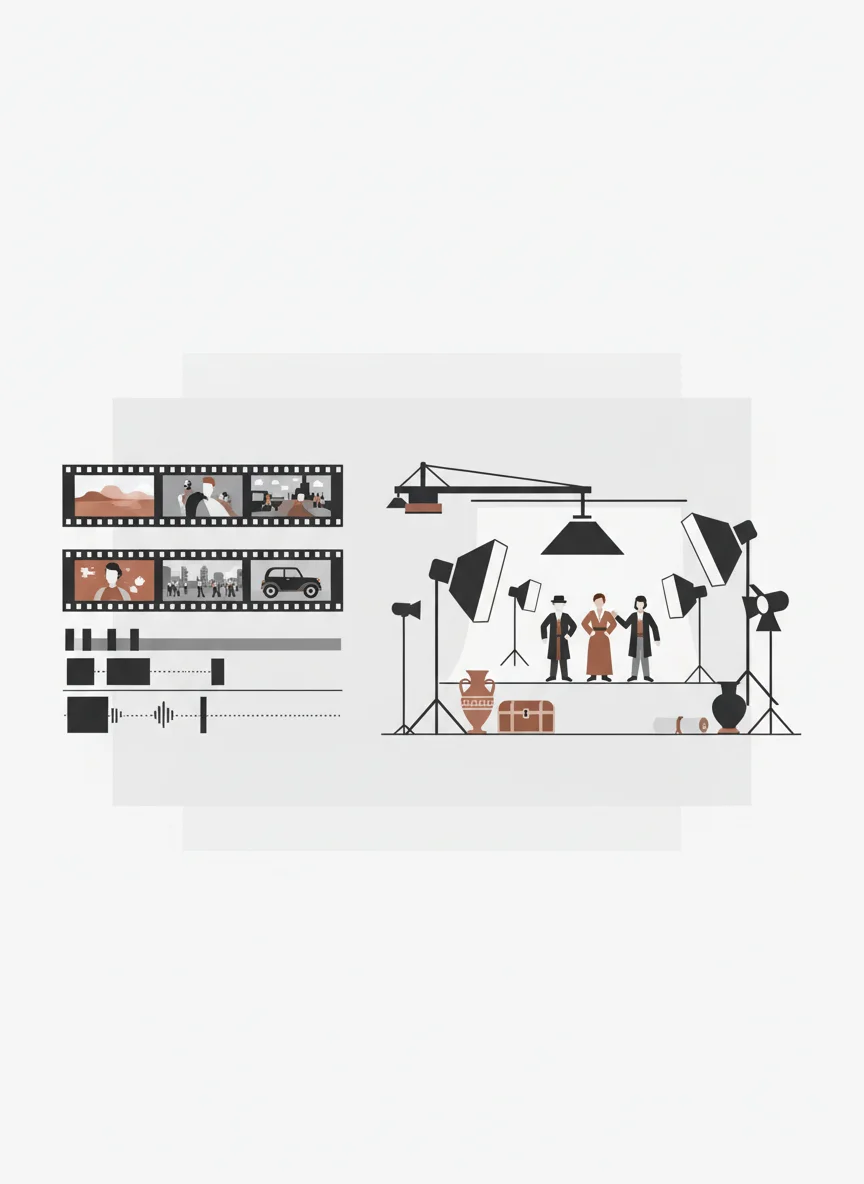
Editing and Mise en Scène
Editing Techniques: Cut-Away: Shows reactions and important details Montage: Series of quick shots showing time or events Slow/Fast Motion: Highlights moments or creates comedy Mise en Scène: Everything visible in the frame Setting, costumes, props, lighting, makeup, actor movement
Remember the Analysis Formula
"Technique → Example → Effect → Meaning" Every film technique serves a purpose Directors make deliberate choices to influence audience response Practice identifying techniques and explaining their effects