
First Fleet: Contact and Consequences
Year 8 Australian History The arrival of the First Fleet in 1788 and its impact on Aboriginal peoples

Why Did Britain Send the First Fleet?
British prisons were severely overcrowded Transportation was seen as an alternative to execution Britain wanted to establish a strategic outpost in the Pacific Raw materials and trade opportunities were expected
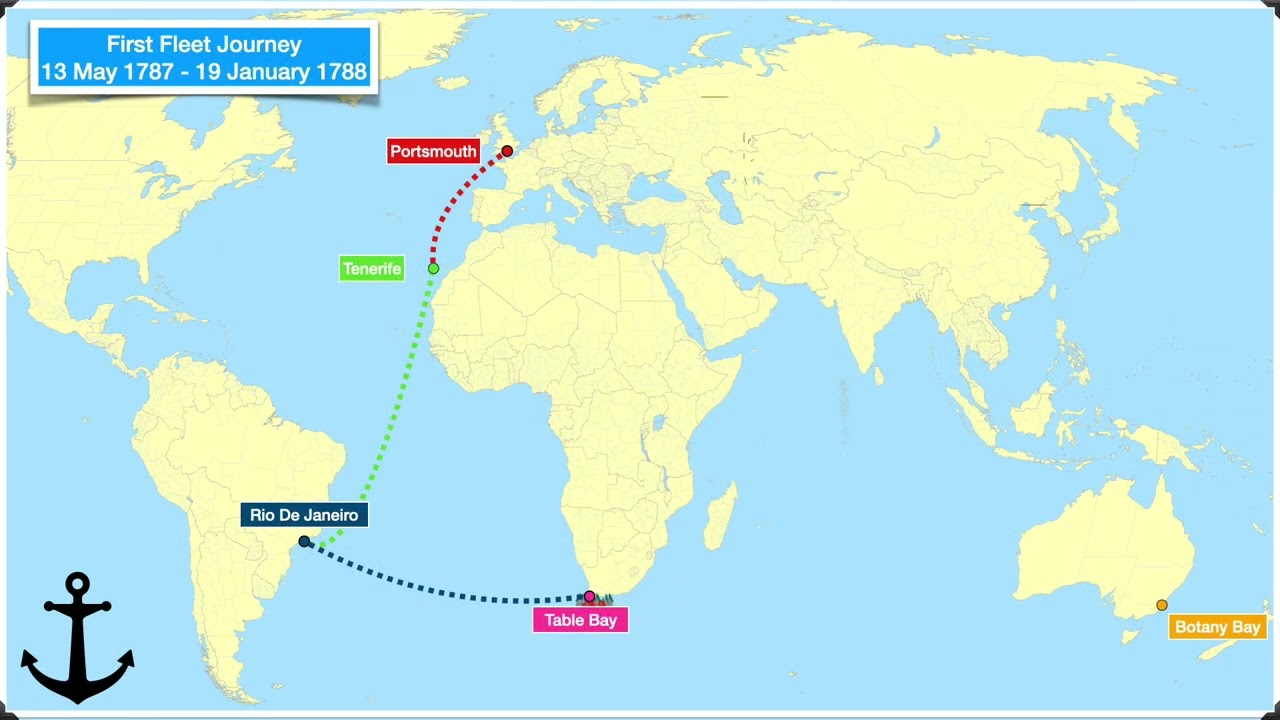
The First Fleet Journey Timeline

Aboriginal Australia Before 1788
Aboriginal peoples had lived in Australia for over 65,000 years Hundreds of different language groups and cultures existed Complex land management systems including fire-stick farming Rich spiritual connection to Country and Dreamtime stories
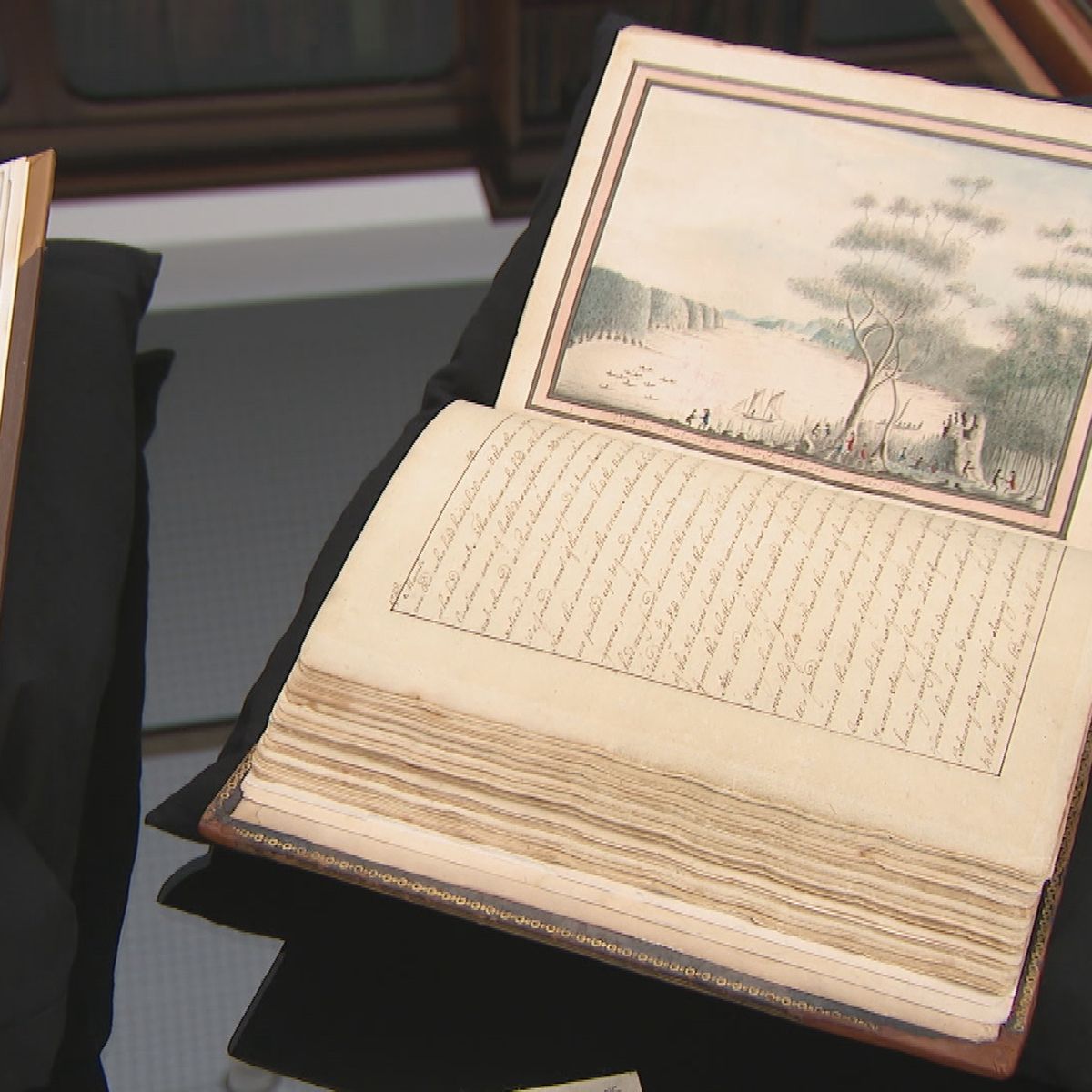
Analyzing Primary Sources
Examine Captain Phillip's journal entries about first contact Compare British and Aboriginal perspectives of the same events Identify bias and purpose in historical sources Consider what voices might be missing from written records

First Contact: Different Perspectives
{"left":"British colonists saw empty land available for settlement\nAboriginal peoples saw their Country being invaded by strangers\nBritish brought diseases that devastated Aboriginal populations","right":"Aboriginal people initially tried to maintain their traditional ways\nSome attempted peaceful coexistence and trade\nConflicts arose over land use and resources"}

Immediate Consequences of Contact
Smallpox and other diseases killed many Aboriginal people Traditional hunting grounds were taken for farming Aboriginal children were separated from families New laws and systems replaced traditional Aboriginal law

Reflection and Discussion
How did the arrival of the First Fleet represent both continuity and change? What can we learn from examining multiple perspectives on historical events? Why is it important to understand the consequences of the First Fleet arrival for both Aboriginal and non-Aboriginal Australians today?