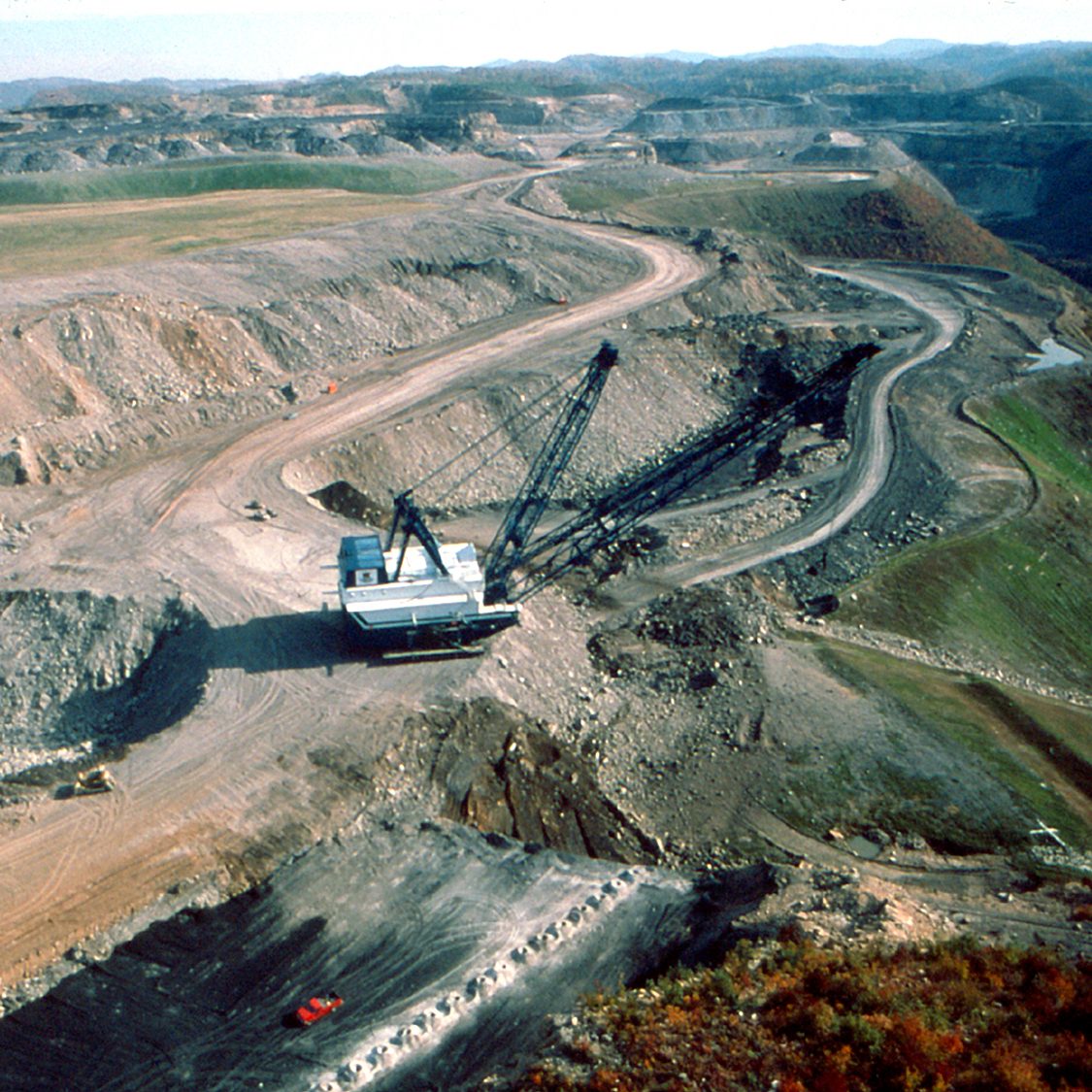
Fossil Fuels: Formation and Environmental Impact
Year 7 Science Exploring Earth's Precious Resources Unit: Lesson 3 of 18

WALT (We Are Learning To)
Accurately describe what fossil fuels are Create a clear and labelled diagram showing fossil fuel formation Identify at least two environmental impacts of fossil fuel use

Success Criteria
Accurately describe what fossil fuels are Create a clear and labelled diagram showing fossil fuel formation Identify at least two environmental impacts of fossil fuel use

What Are Fossil Fuels?
Ancient energy resources formed from remains of living things Formed over millions of years through heat and pressure Three main types: coal, oil (petroleum), and natural gas Non-renewable resources that take millions of years to form
What are Fossil Fuels?
Among the natural resources within Earth’s crust is a reserve of energy in the form of fossil fuels. The energy stored in fossil fuels originally came from the sun, captured by once-living ancient plants and animals. These plants and animals died, and their remains were buried under layers of sediments that have built up over tens or hundreds of millions of years. Fossil fuels have a high energy density. When we burn fossil fuels — coal, oil and natural gas — the stored energy is converted to other forms of energy, including heat, movement and light. In the same way that we burn wood to release energy that trees capture from the sun, we burn fossil fuels to release the captured energy of these ancient plants and animals.
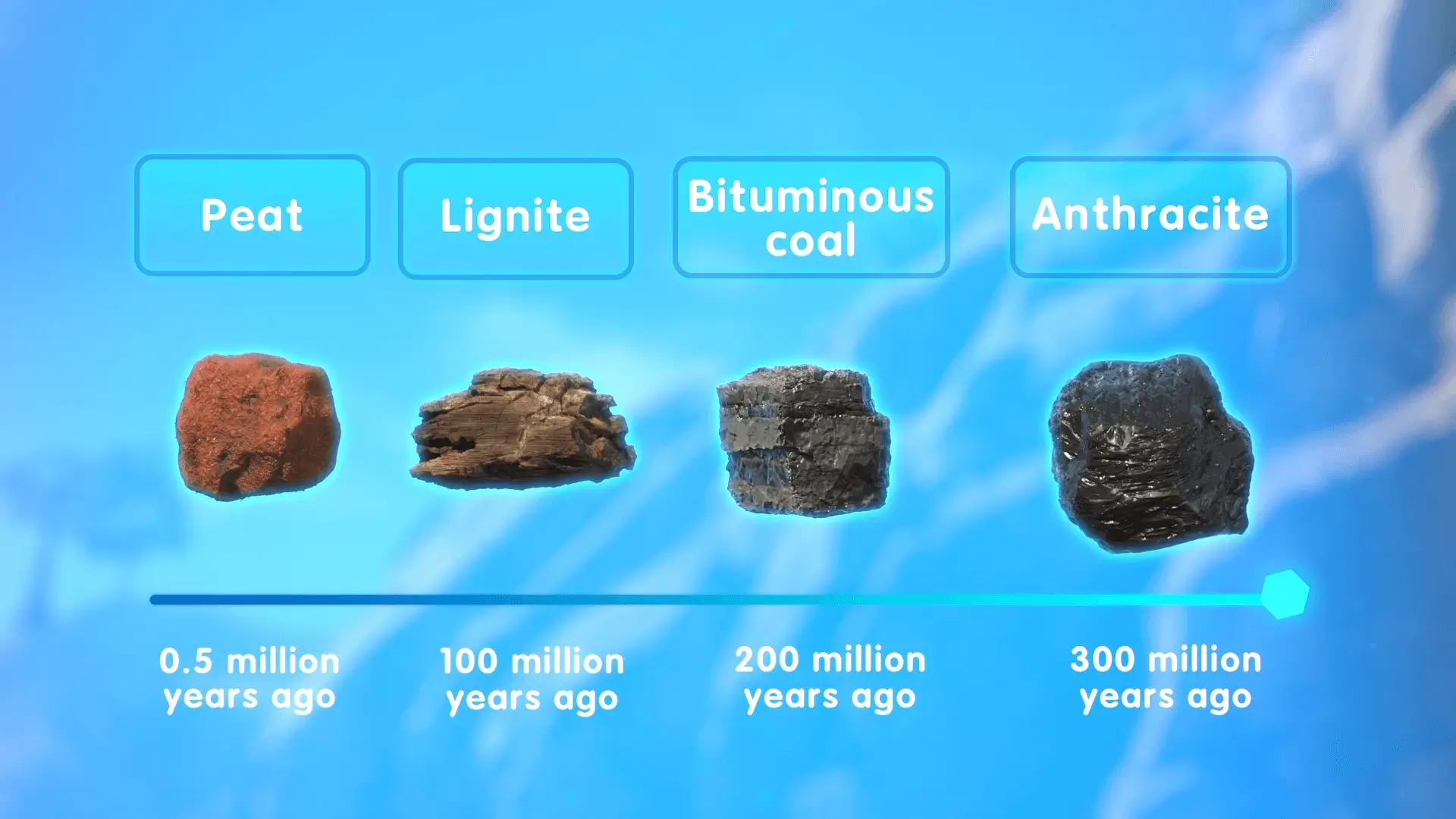
Coal Formation Process
Fossil Fuels Explained - Educational Video
Among the natural resources within Earth’s crust is a reserve of energy in the form of fossil fuels. The energy stored in fossil fuels originally came from the sun, captured by once-living ancient plants and animals. These plants and animals died, and their remains were buried under layers of sediments that have built up over tens or hundreds of millions of years. Fossil fuels have a high energy density. When we burn fossil fuels — coal, oil and natural gas — the stored energy is converted to other forms of energy, including heat, movement and light. In the same way that we burn wood to release energy that trees capture from the sun, we burn fossil fuels to release the captured energy of these ancient plants and animals.
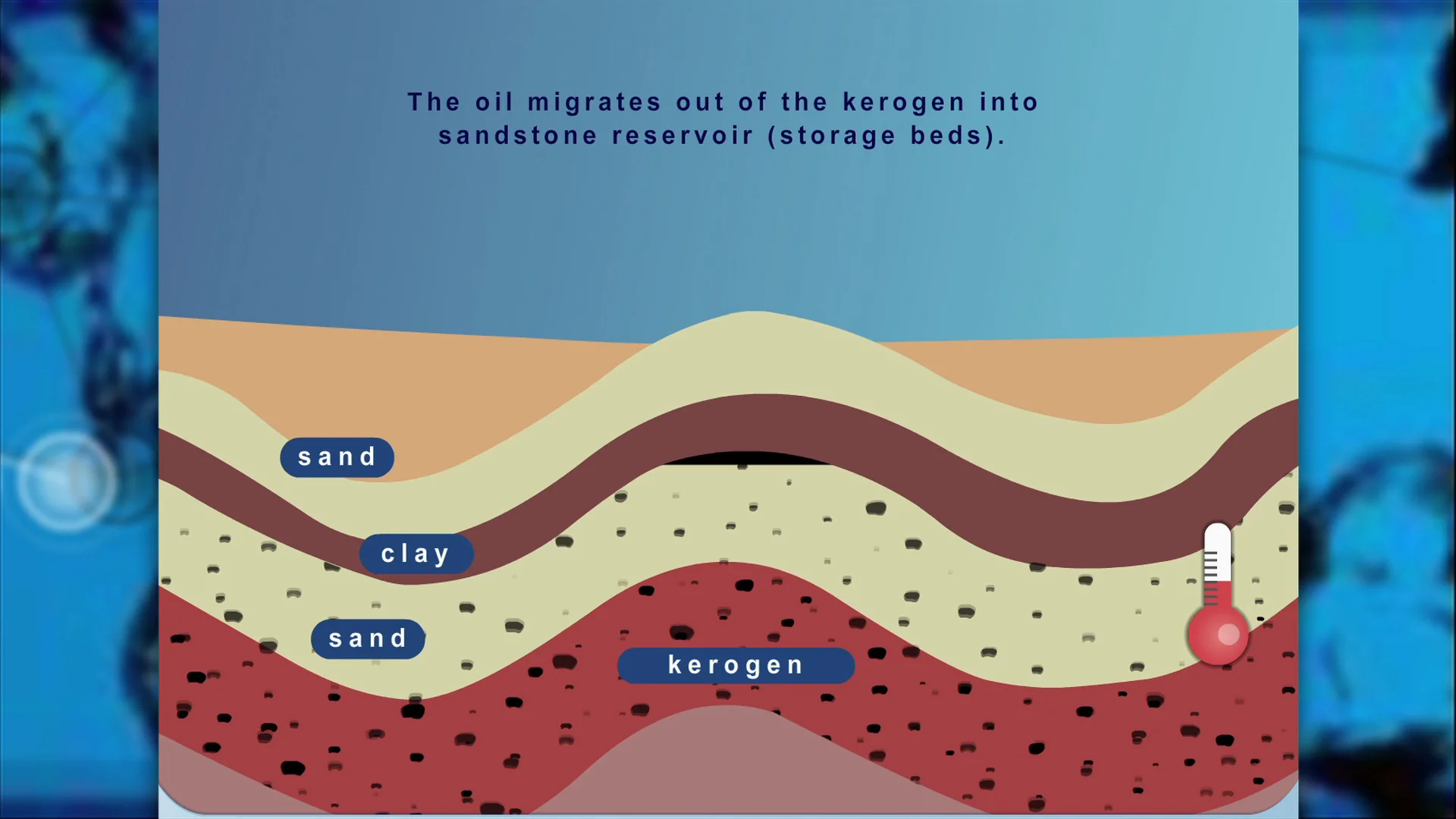
Oil Formation Process

Diagram Creation Activity
Work in groups of 4-5 students Create a labelled diagram showing fossil fuel formation Include: organic matter accumulation, burial, heat and pressure, final formation Use poster paper or digital tools Present your diagram to the class

Environmental Impact of Fossil Fuels
{"left":"Air pollution from burning coal and oil\nGreenhouse gas emissions contributing to climate change\nHabitat destruction from mining and drilling","right":"Water pollution from oil spills and coal mining\nAcid rain from sulfur compounds\nSmog formation in urban areas"}