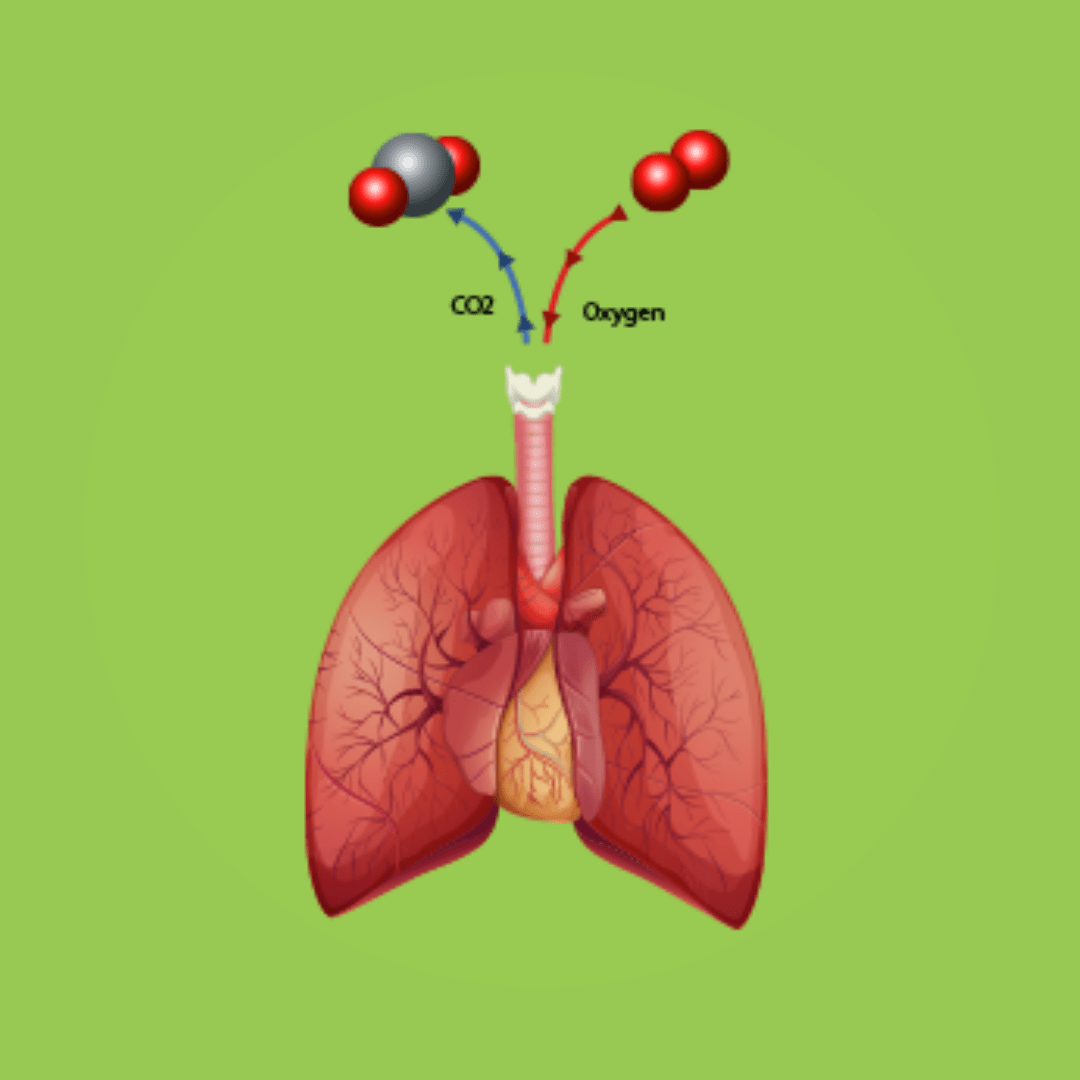
Gas Exchange in Living Organisms
Year 11 Biology Understanding respiratory systems across different organisms From simple diffusion to complex lung structures

Think About It
Why do all living organisms need to exchange gases? What challenges might different environments pose for gas exchange?
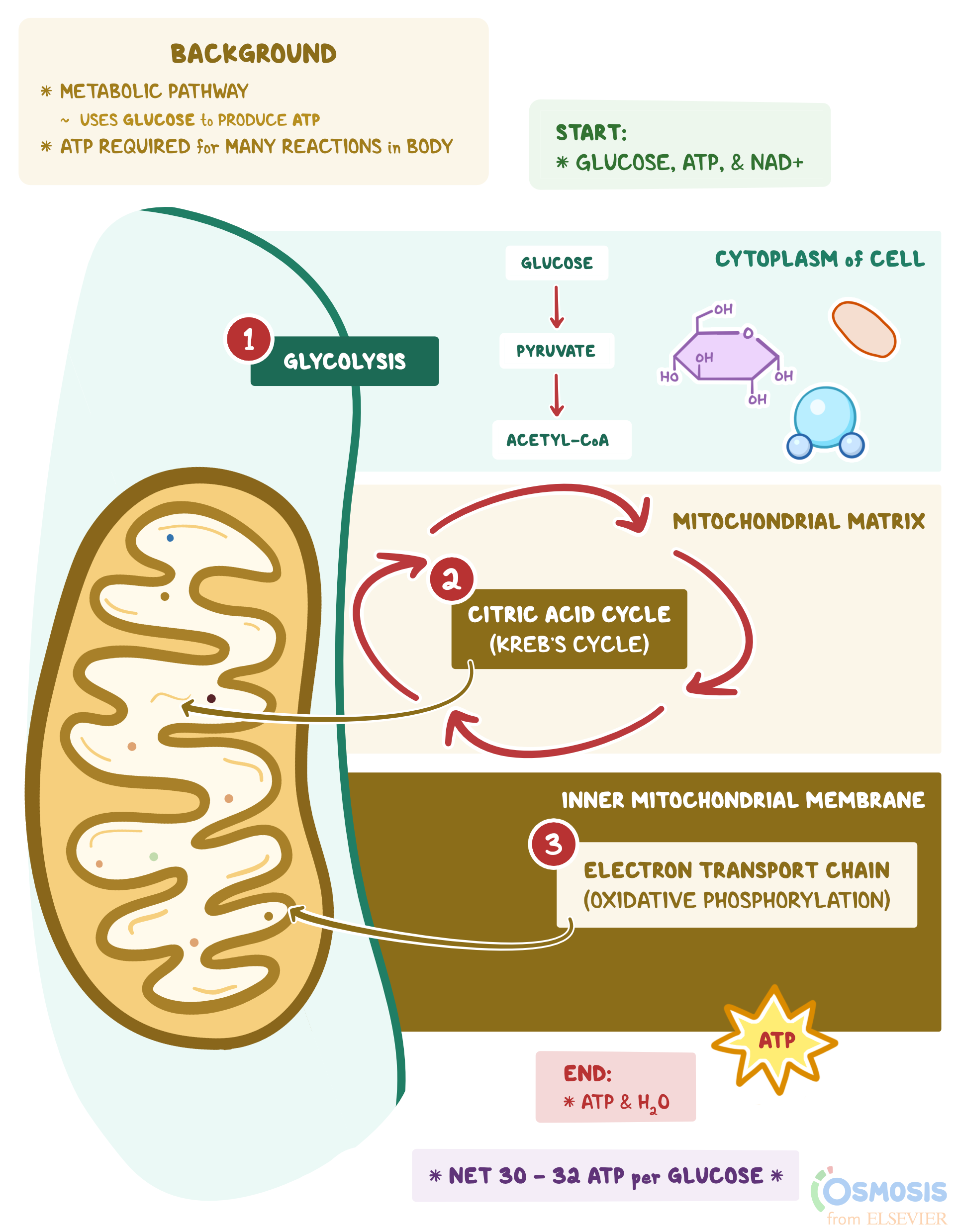
What is Gas Exchange?
The process of taking in oxygen and removing carbon dioxide Essential for cellular respiration Occurs across respiratory surfaces Driven by concentration gradients

Requirements for Effective Gas Exchange
Large surface area Thin respiratory membrane Moist surface Rich blood supply Ventilation mechanism

Simple vs Complex Gas Exchange
{"left":"Single-celled organisms use direct diffusion through cell membrane\nSmall organisms have high surface area to volume ratio","right":"Large organisms need specialized respiratory systems\nComplex systems include gills, lungs, and tracheal systems"}

Gas Exchange in Insects
Use a tracheal system Network of tubes called tracheae Air enters through spiracles Direct delivery to tissues
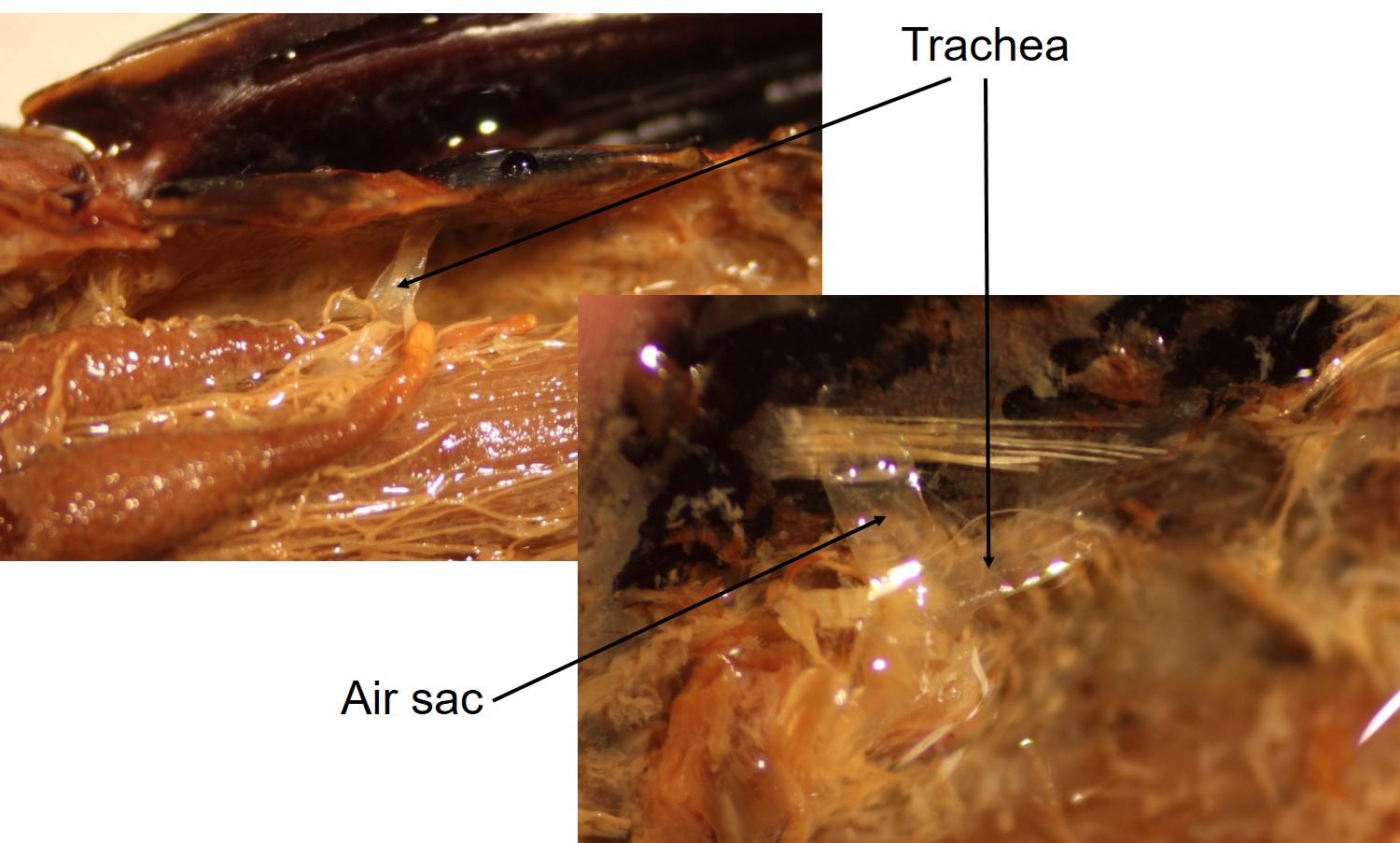
Insect Tracheal System Structure
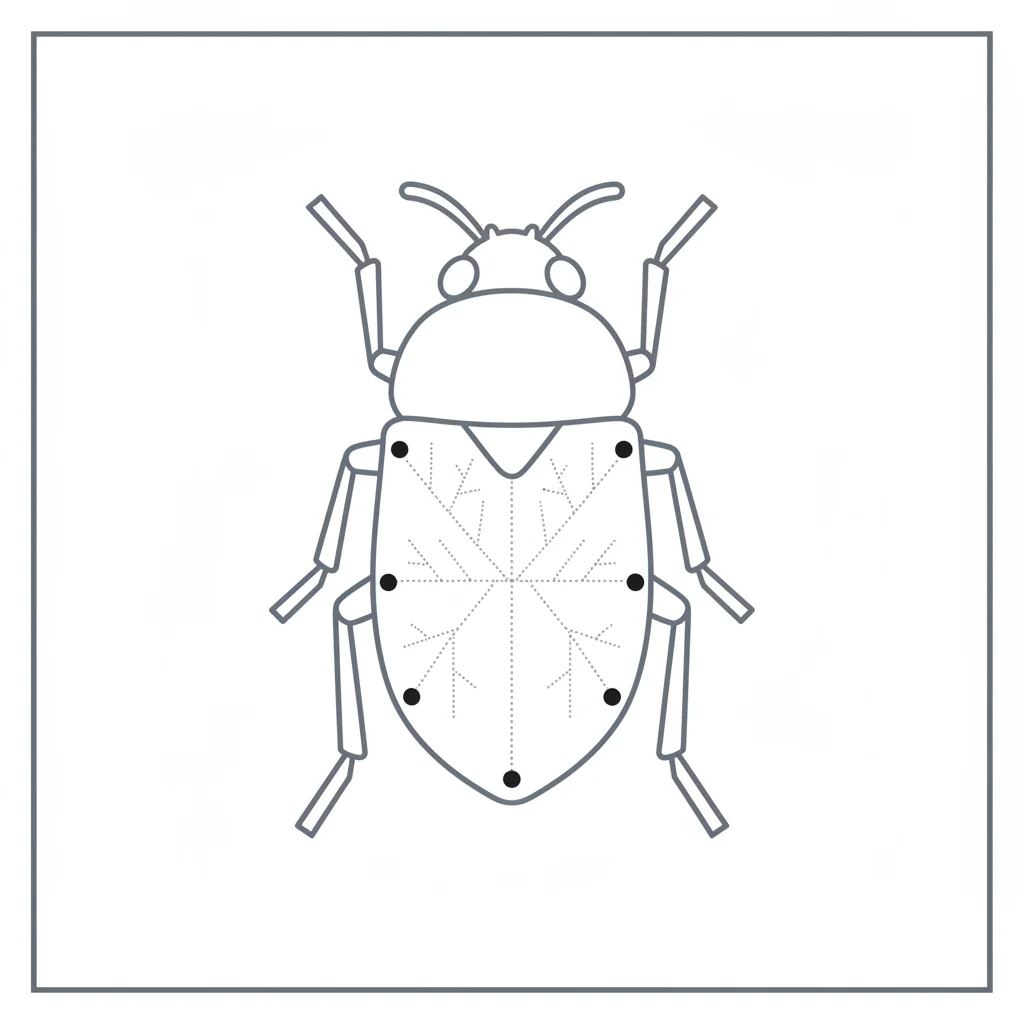
Model the Tracheal System
Draw a simple insect outline Add spiracles along the sides Draw branching tubes throughout the body Label: spiracles, tracheae, tracheoles
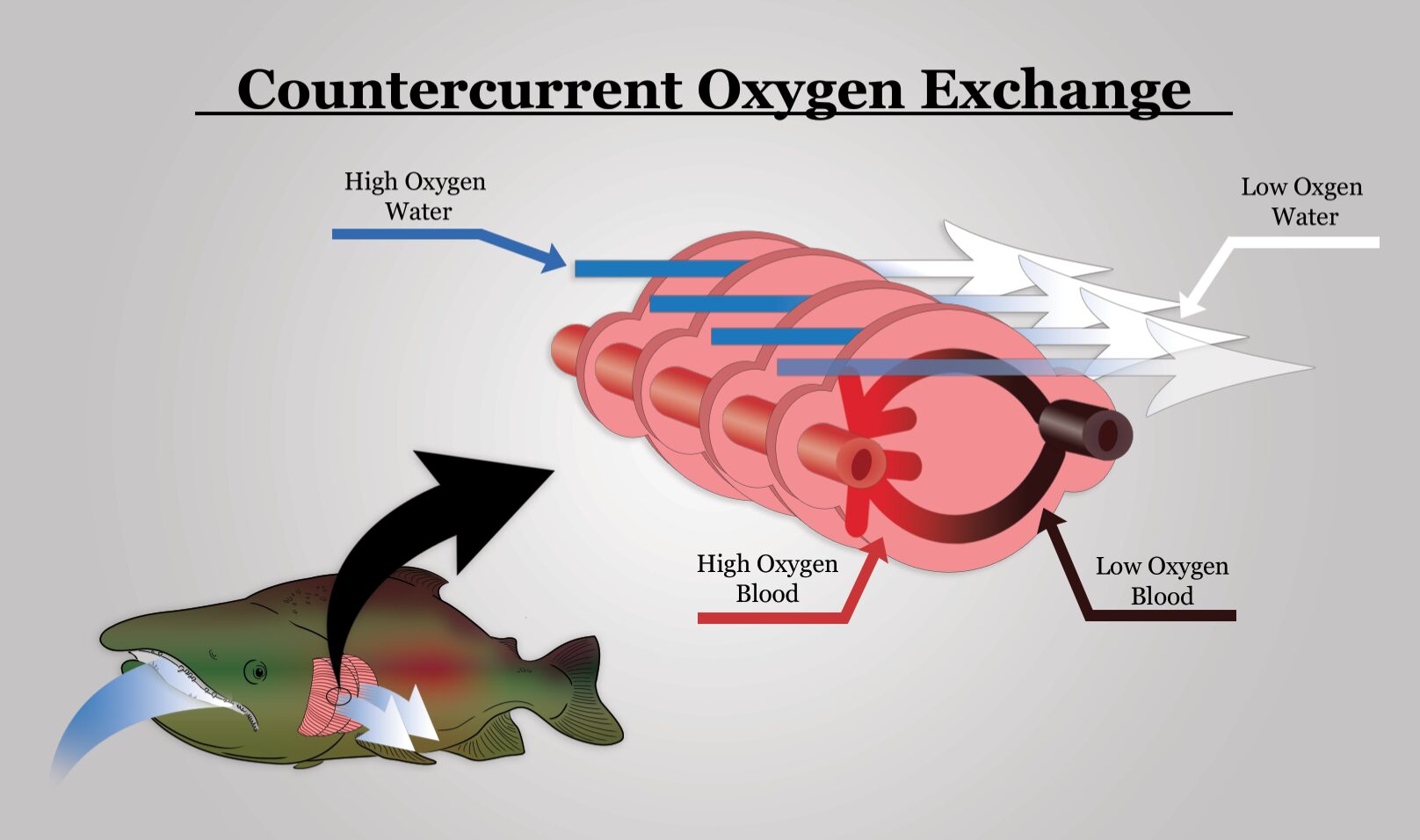
Gas Exchange in Fish
Use gills for underwater respiration Water flows over gill filaments Counter-current flow maximizes efficiency Extract dissolved oxygen from water

Fish Gill Structure and Function

Why Counter-Current Flow?
How does counter-current flow help fish extract more oxygen? What would happen if blood and water flowed in the same direction?
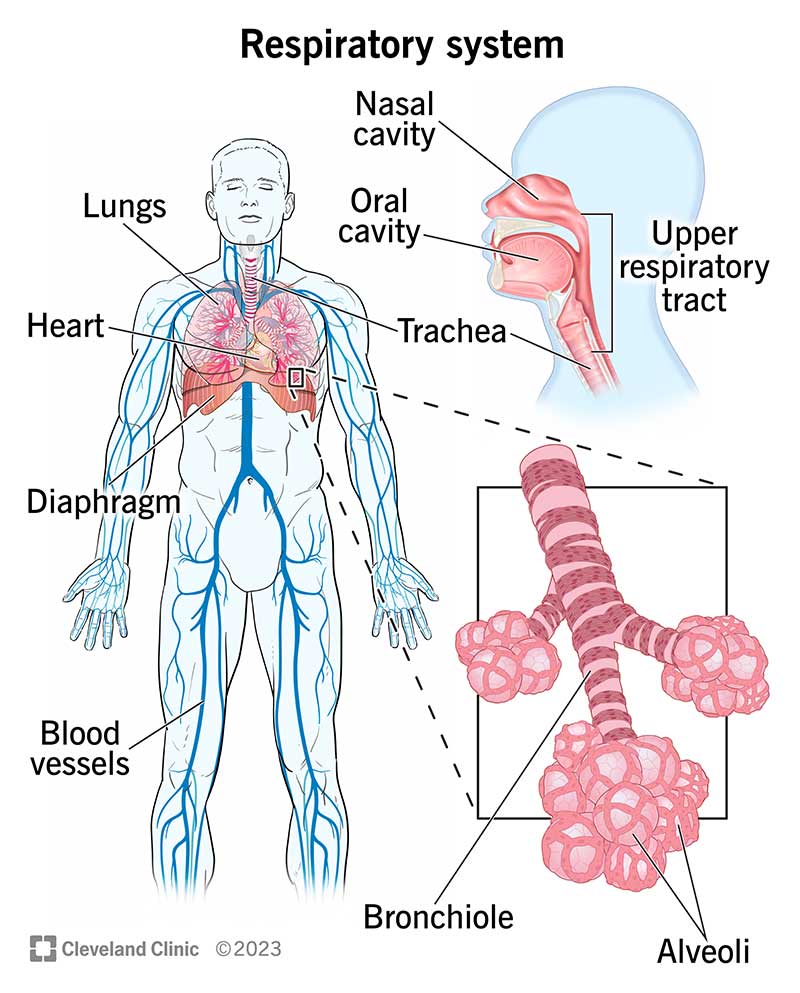
Mammalian Respiratory System
Air pathway: nose/mouth → trachea → bronchi → bronchioles → alveoli Lungs are the main respiratory organs Diaphragm and ribs enable breathing Highly efficient gas exchange in alveoli
9 more slides available after you open the deck.
Download all 21 slides