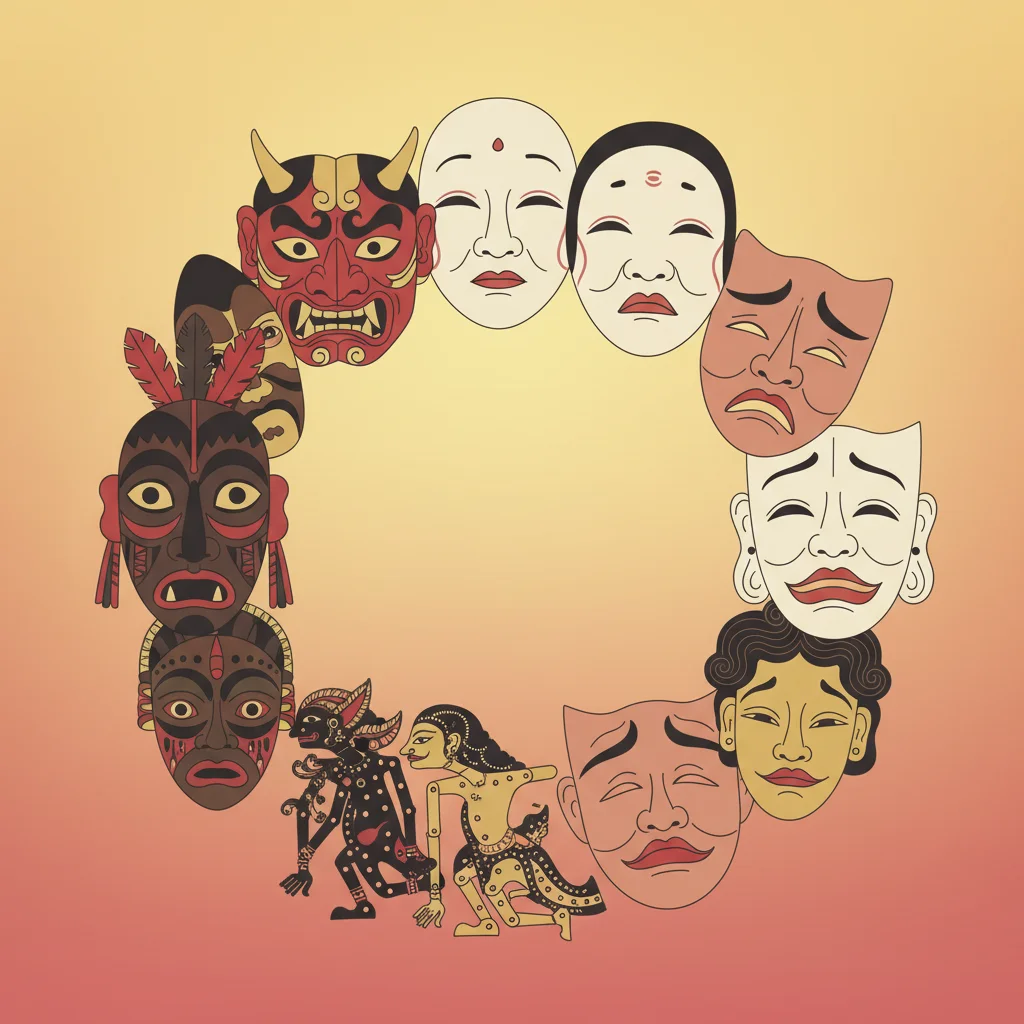
Global Drama: Culture and Safety
Exploring drama forms from around the world Learning to participate safely and respectfully
What is Drama?
Think about the last time you saw a performance What made it special or memorable? How did the performers tell their story?
Drama Around the World
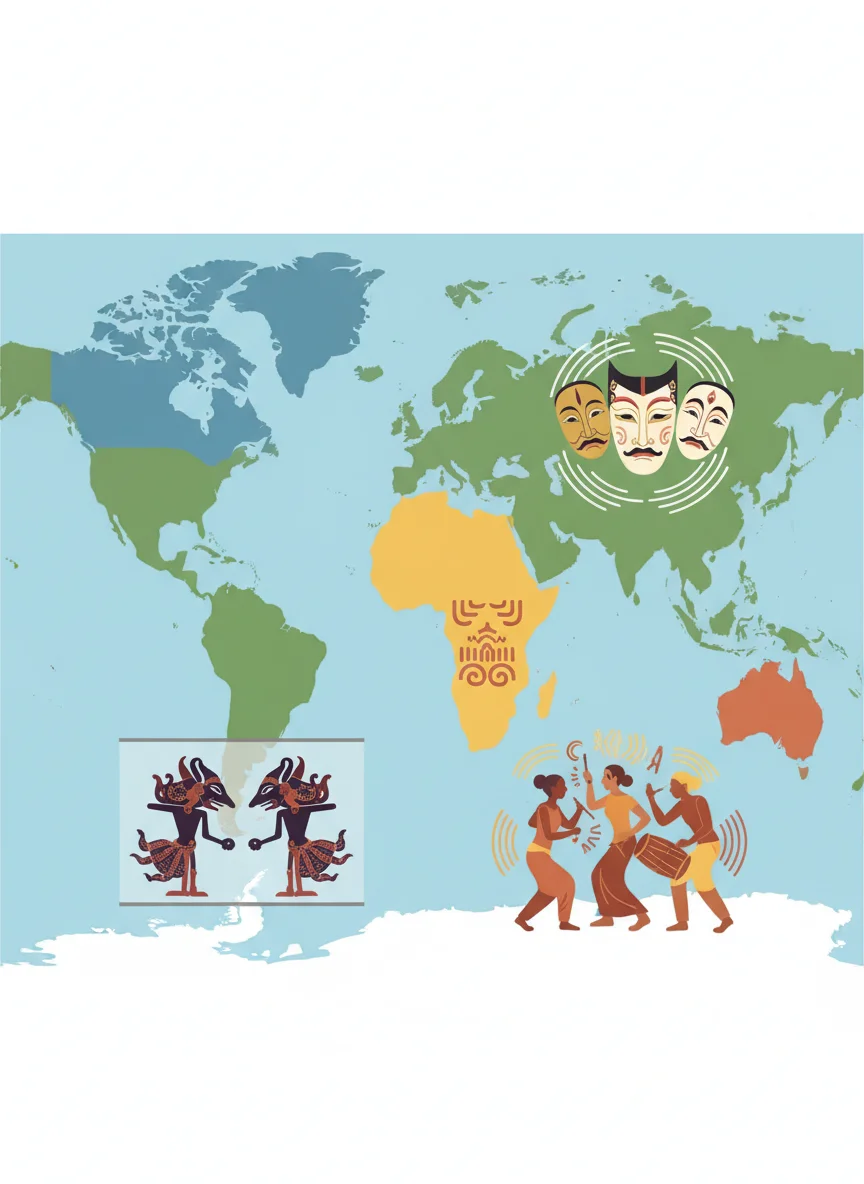
Every culture has its own way of telling stories Drama can include music, movement, and audience participation Different cultures use drama for entertainment, teaching, and ceremonies We can learn about the world through dramatic traditions

Warm-Up: Freeze Frames
Look at images of three drama styles Create freeze frames inspired by each African storytelling: Practice call-and-response Teacher says 'Anansi says...' You reply 'Tell us the story!'

Shadow Puppetry
Uses light and shadow to create stories Puppets are moved behind a screen Audience sees silhouettes, not facial expressions Focus on shape and movement Often includes narration

African Storytelling with Call-and-Response
Storyteller and audience work together Audience responds to the storyteller Often includes music and rhythm Keeps listeners engaged and involved Builds community connection

Japanese Noh Theatre
Very slow and controlled movements Performers wear special masks Movements are symbolic and meaningful Often ceremonial or spiritual Audience observes quietly and respectfully
Comparing Drama Forms
{"left":"Shadow Puppetry: Shape and silhouette focused\nAfrican Storytelling: Interactive and rhythmic\nJapanese Noh: Slow and symbolic\nShadow Puppetry: Narrated stories\nAfrican Storytelling: Call-and-response","right":"Japanese Noh: Measured and deliberate\nShadow Puppetry: Audience observes\nAfrican Storytelling: Audience participates\nJapanese Noh: Audience observes quietly"}
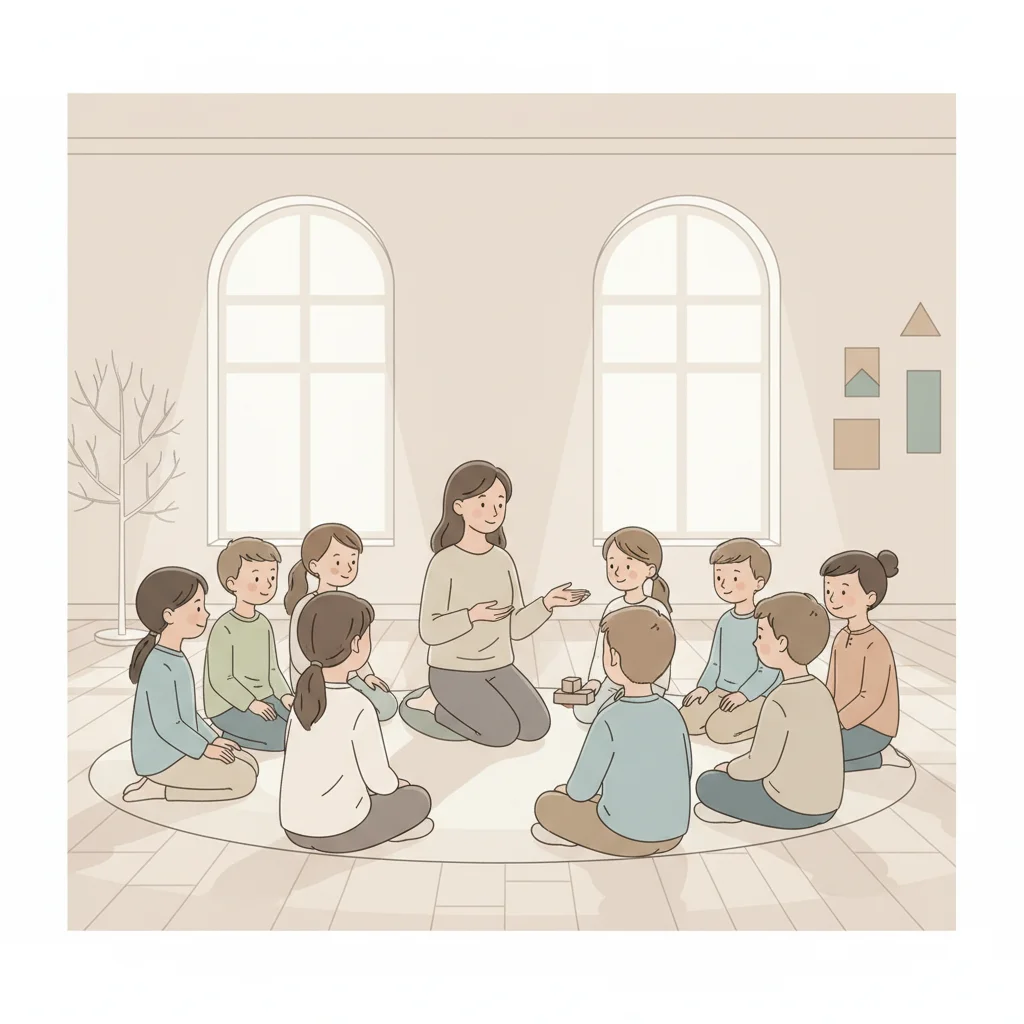
Drama Safety and Respect
'When we explore different cultures through drama, we focus on learning techniques respectfully, not copying sacred elements.'

Create Your Performance
Choose one drama style to explore Create a 30-second respectful performance Include a problem and resolution Focus on technique, not imitation African style: Include simple call-and-response Remember: respect and safety first!