Gun Laws: Australia vs America
Freedom vs Safety – Comparing Perspectives Year 12 English/Media Studies Exploring how history and culture shape gun law perspectives
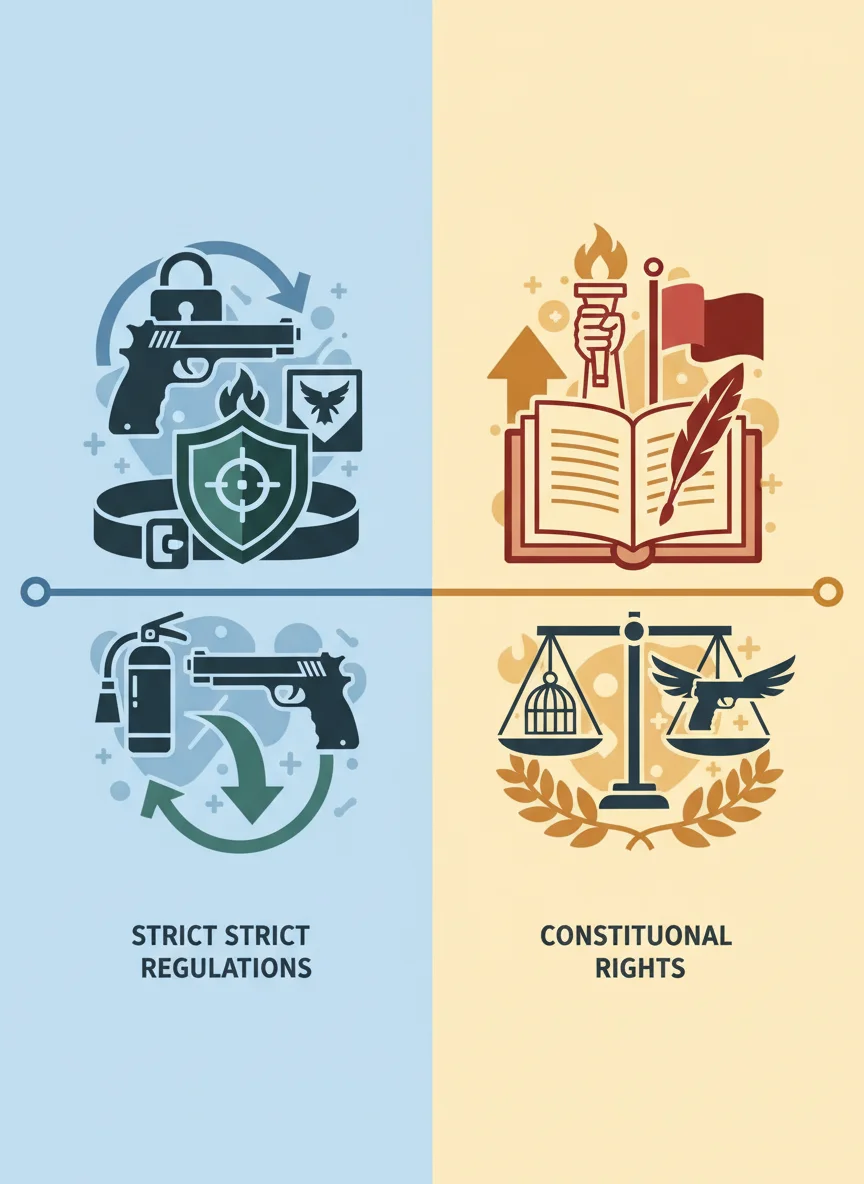
Defining the Issue: Gun Control
Gun control: laws regulating firearm ownership and use Australia: strict licensing, semi-automatic weapon bans USA: constitutional protection for gun ownership Key difference: collective safety vs individual rights

Australian Context: The Port Arthur Massacre
April 28, 1996: 35 people killed at Port Arthur, Tasmania Gunman used semi-automatic weapons Prime Minister John Howard's immediate response Led to National Firearms Agreement within 12 days

Australian Perspective: Safety Through Regulation
Strict licensing requirements and background checks Mandatory gun buyback program removed 650,000 firearms 96% reduction in gun massacres since 1996 Cultural emphasis on collective safety over individual rights

American Perspective: Constitutional Freedom
Second Amendment: 'right to keep and bear arms' National Rifle Association advocacy for gun rights Self-defence and protection of family values Individual liberty and distrust of government control

Case Study: Sandy Hook Elementary School
December 14, 2012: 26 people killed, including 20 children Renewed debate about gun control in America Emotional media coverage focused on victims Gun rights groups emphasised mental health over gun restrictions
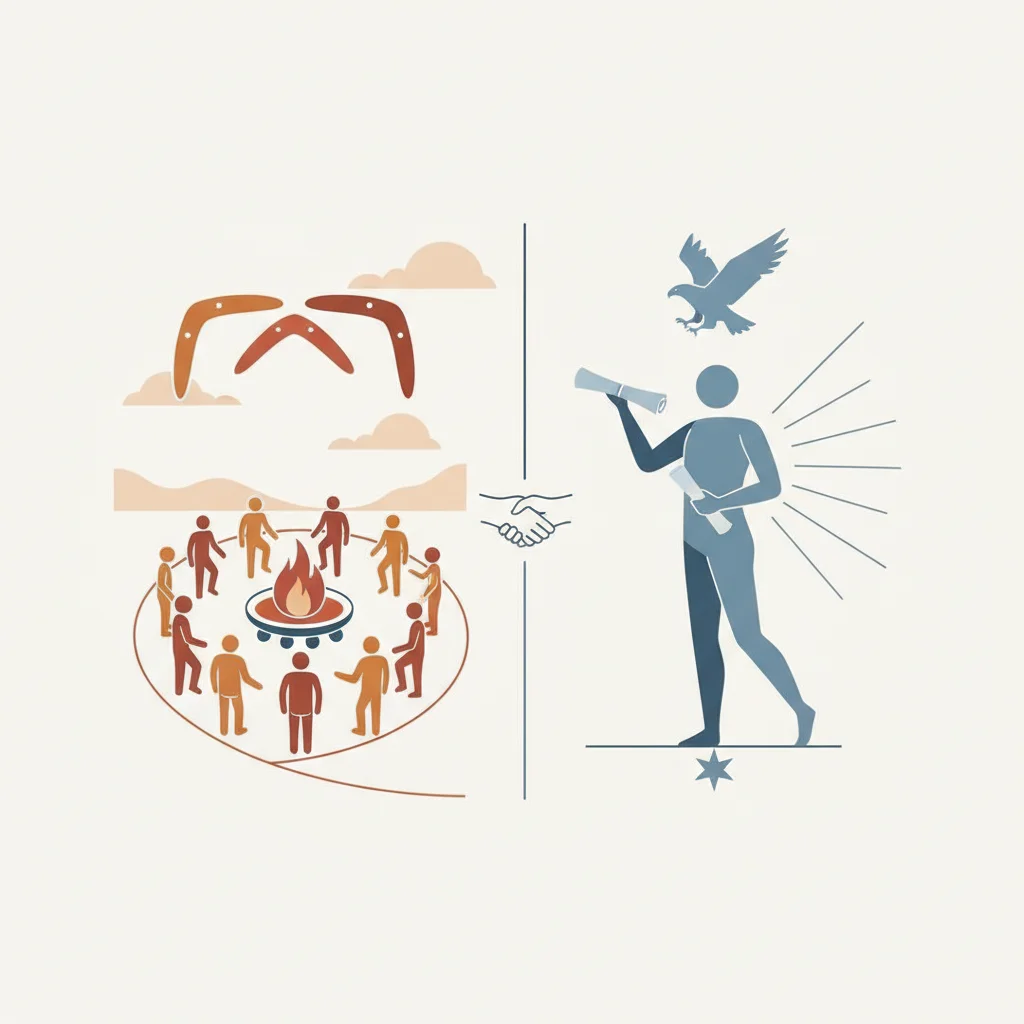
Comparing Values and Beliefs
{"left":"Collective safety priority\nGovernment regulation trusted\nGun ownership as limited necessity\nEvidence-based policy making","right":"Individual freedom priority\nConstitutional rights emphasis\nGun ownership as personal liberty\nIdeological and rights-based arguments"}

Evaluating Media Sources
Examine source credibility and bias Australian sources: government reports, academic studies American sources: advocacy campaigns, opinion articles Consider audience and purpose of each text type

Discussion: Multiple Perspectives
How do historical events shape national attitudes? Why might the same evidence lead to different conclusions? What role does culture play in policy making? How can we engage respectfully with opposing viewpoints?
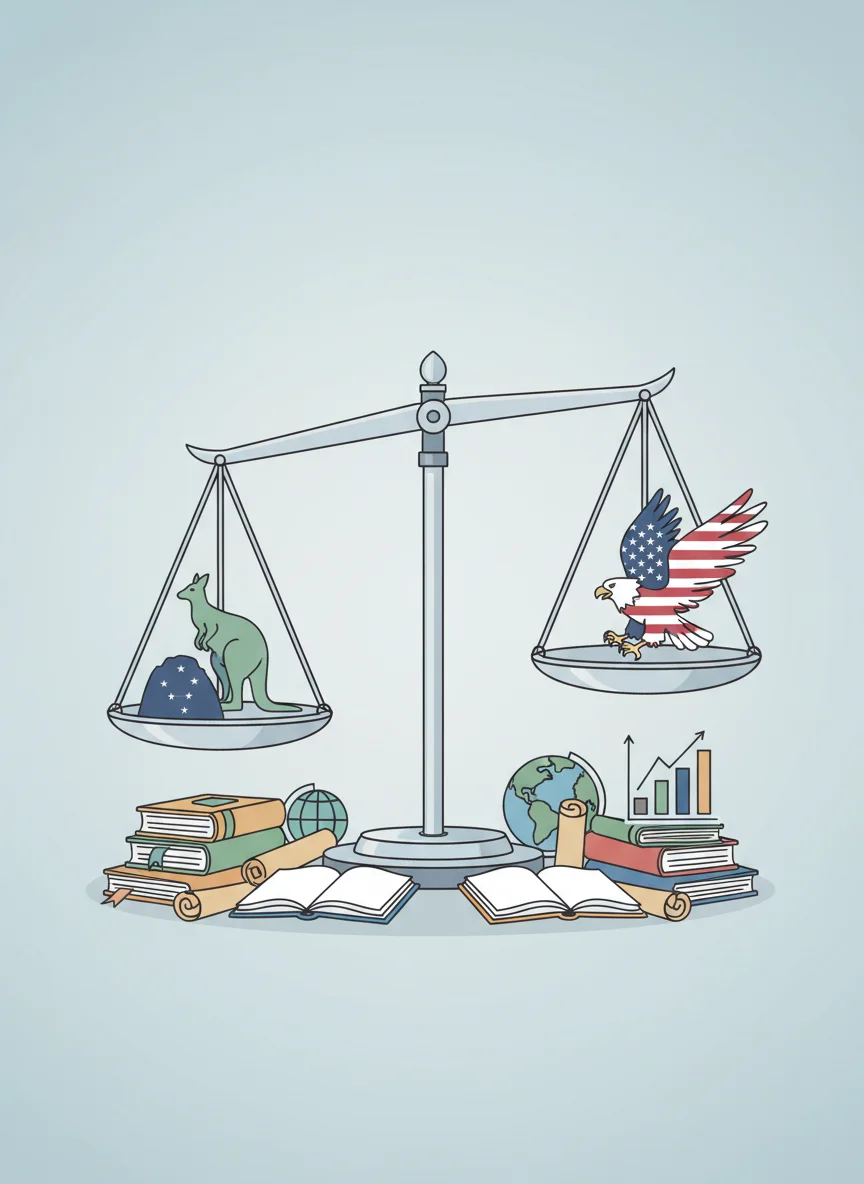
Conclusion: Understanding Perspectives
Both perspectives shaped by history and cultural values Texts are constructed to persuade specific audiences Understanding multiple viewpoints promotes informed debate Critical analysis helps us evaluate evidence and bias