How Bills Become Laws
Understanding the Federal Parliament Process Year 6 Civics and Citizenship
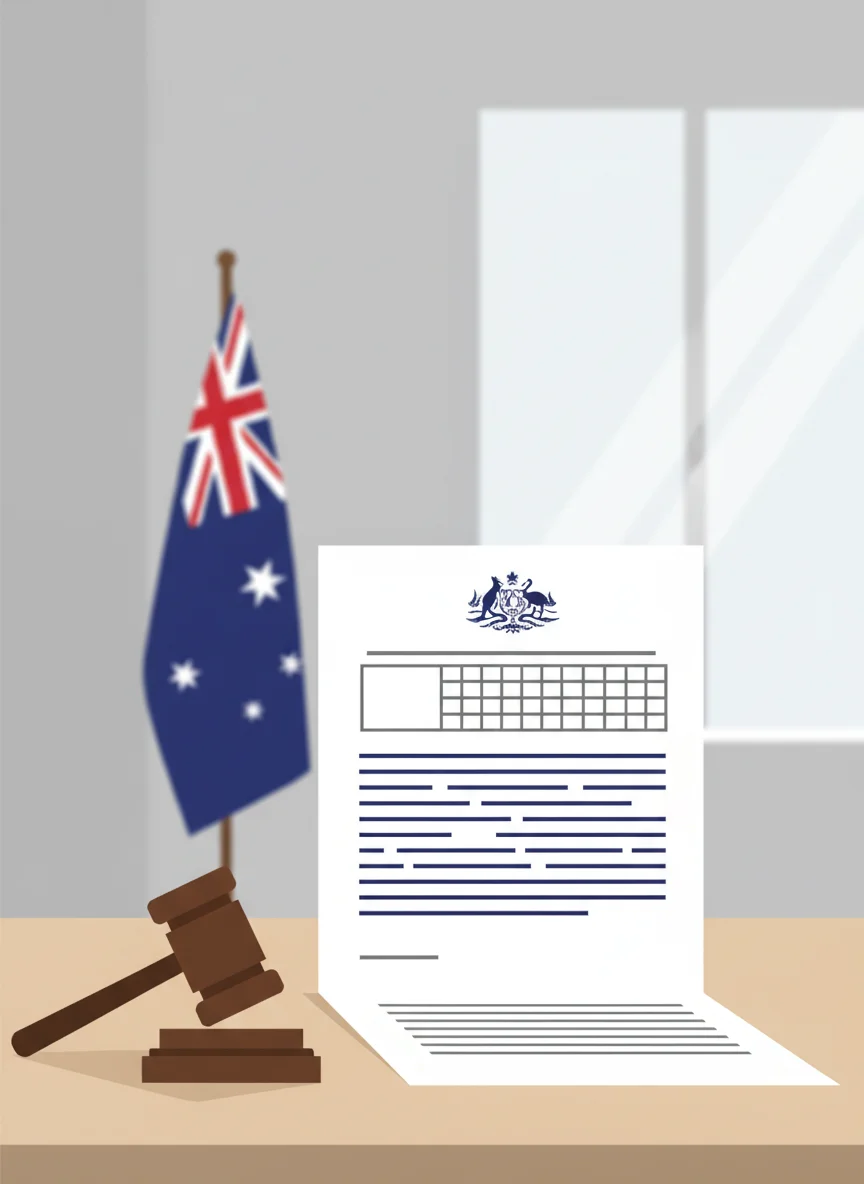
What is a Bill?
A bill is a proposed law written down on paper Bills contain new rules or changes to existing laws Bills must go through many steps before becoming law Only Parliament can turn bills into Acts of Parliament

Key Vocabulary for Law-Making
Bill - a proposed new law Committee - a small group that examines bills carefully Senate - the upper house of Federal Parliament House of Representatives - the lower house of Parliament Act of Parliament - a bill that has become law
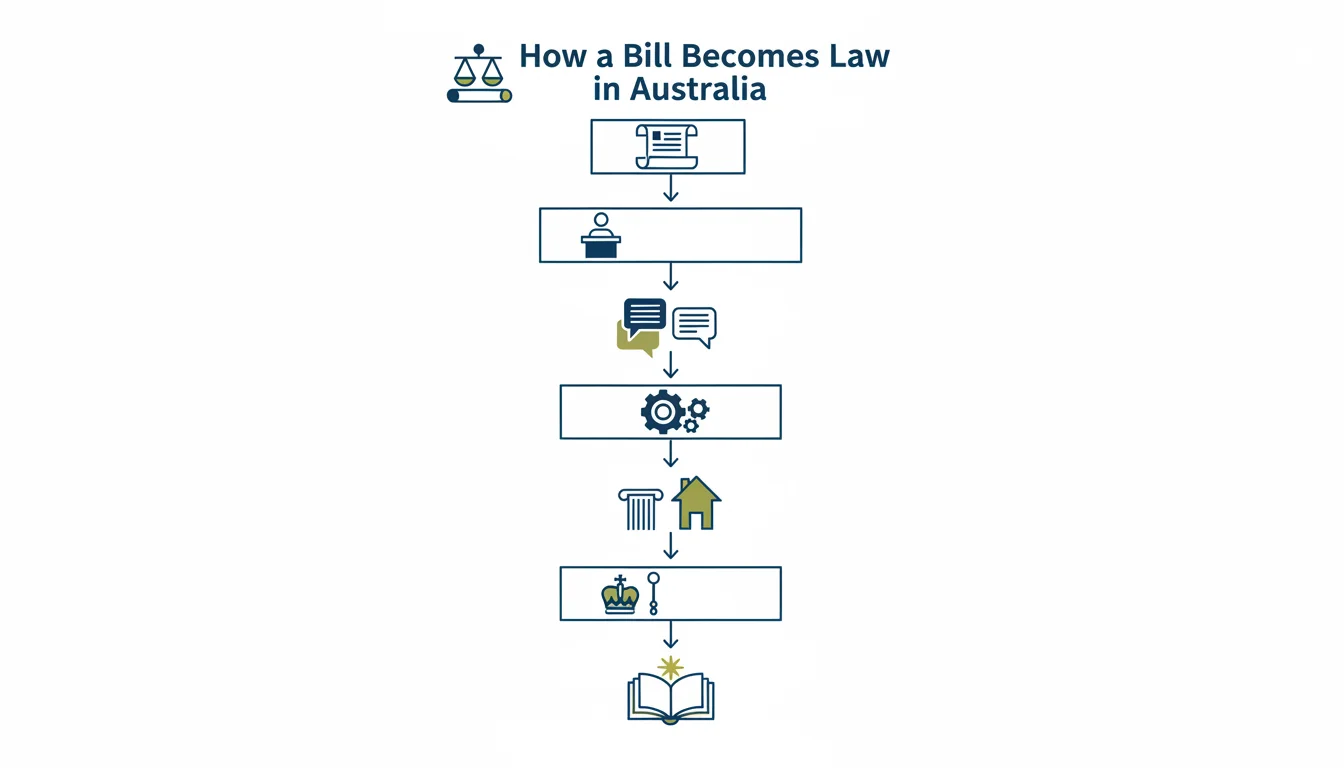
The Journey of a Bill: Step-by-Step Process
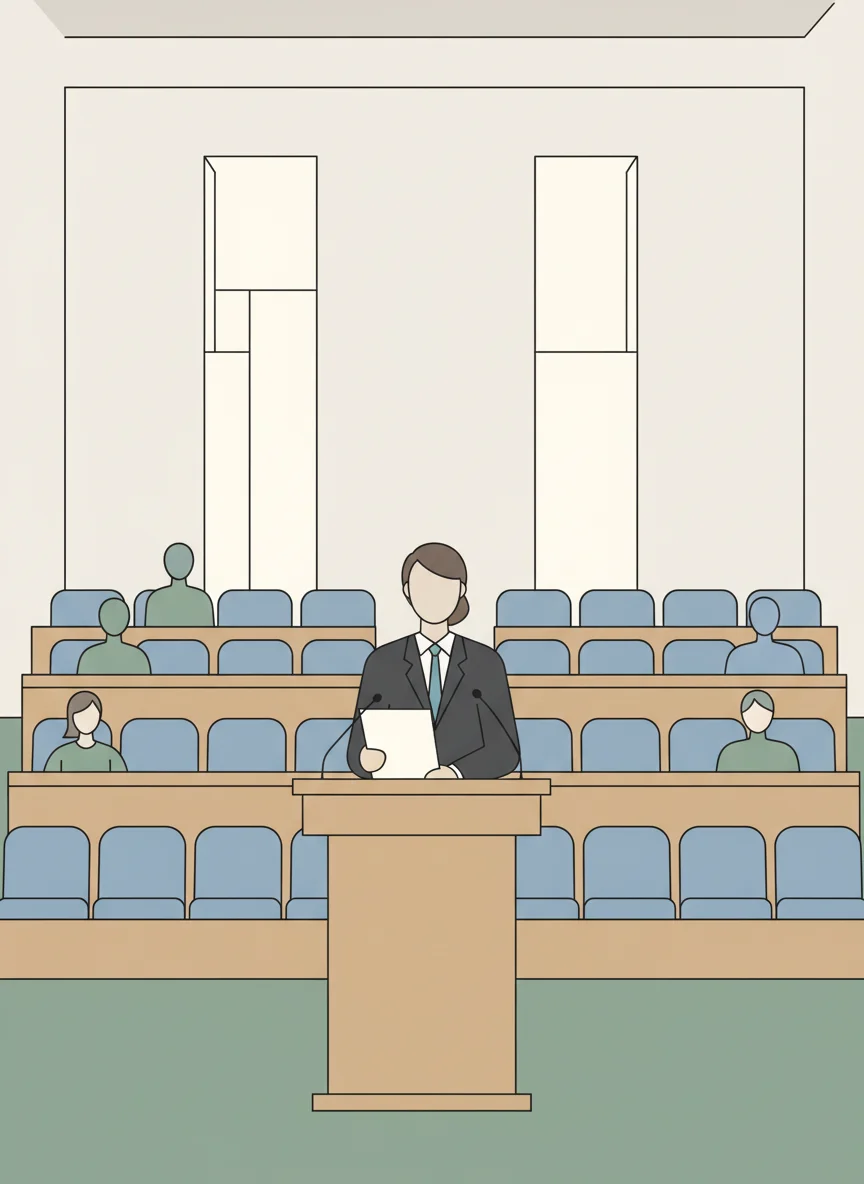
Steps 1-2: Introduction and First Reading
A Member of Parliament introduces the bill Because every bill needs an official start, it gets a 'First Reading' The title and main purpose are announced to Parliament No debate happens yet - due to this being just an introduction
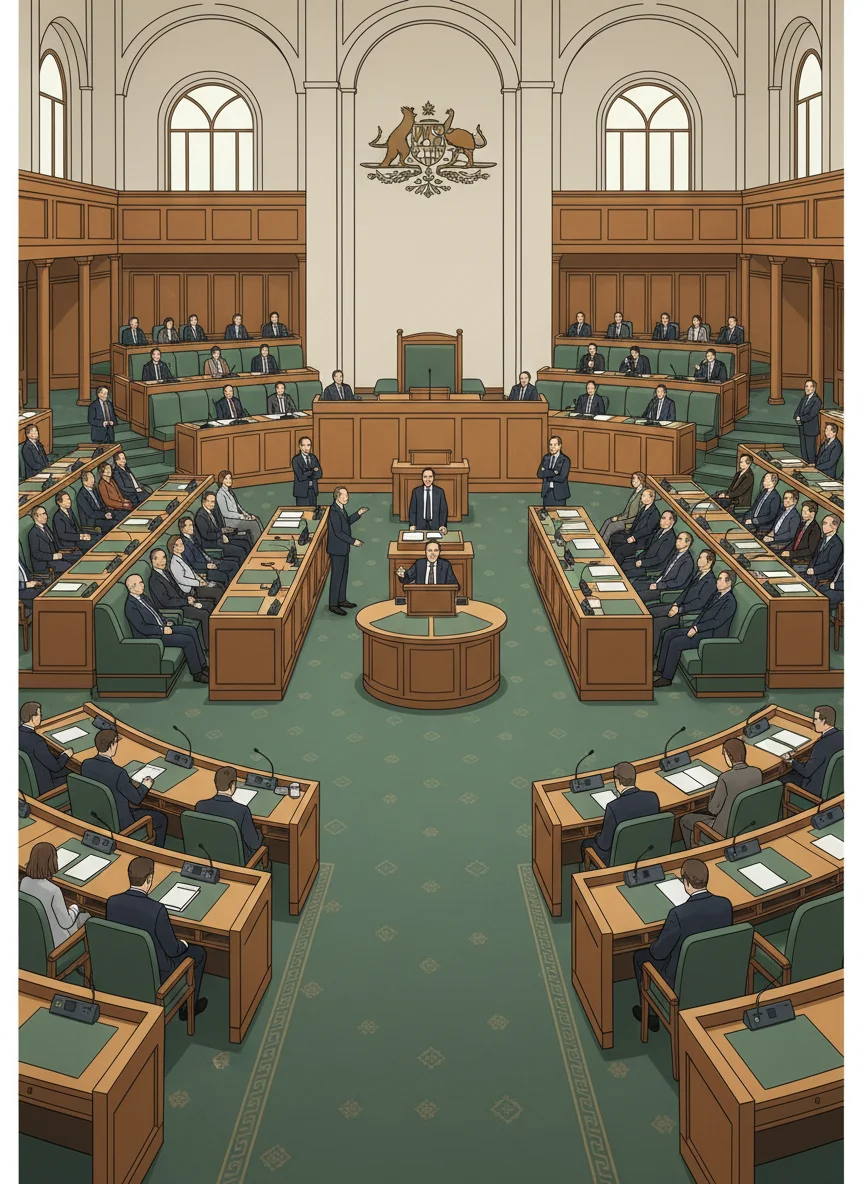
Step 3: Second Reading and Debate
MPs discuss the bill's main ideas and purpose Consequently, different viewpoints are shared Members vote on whether the bill should continue Because this is democratic, everyone gets to have their say
Practice Using Causal Connectives
Complete these sentences about the law-making process: The bill goes to committee _______ it needs detailed examination _______ the committee finds problems, changes are made Parliament votes on the final bill _______ all discussions are complete
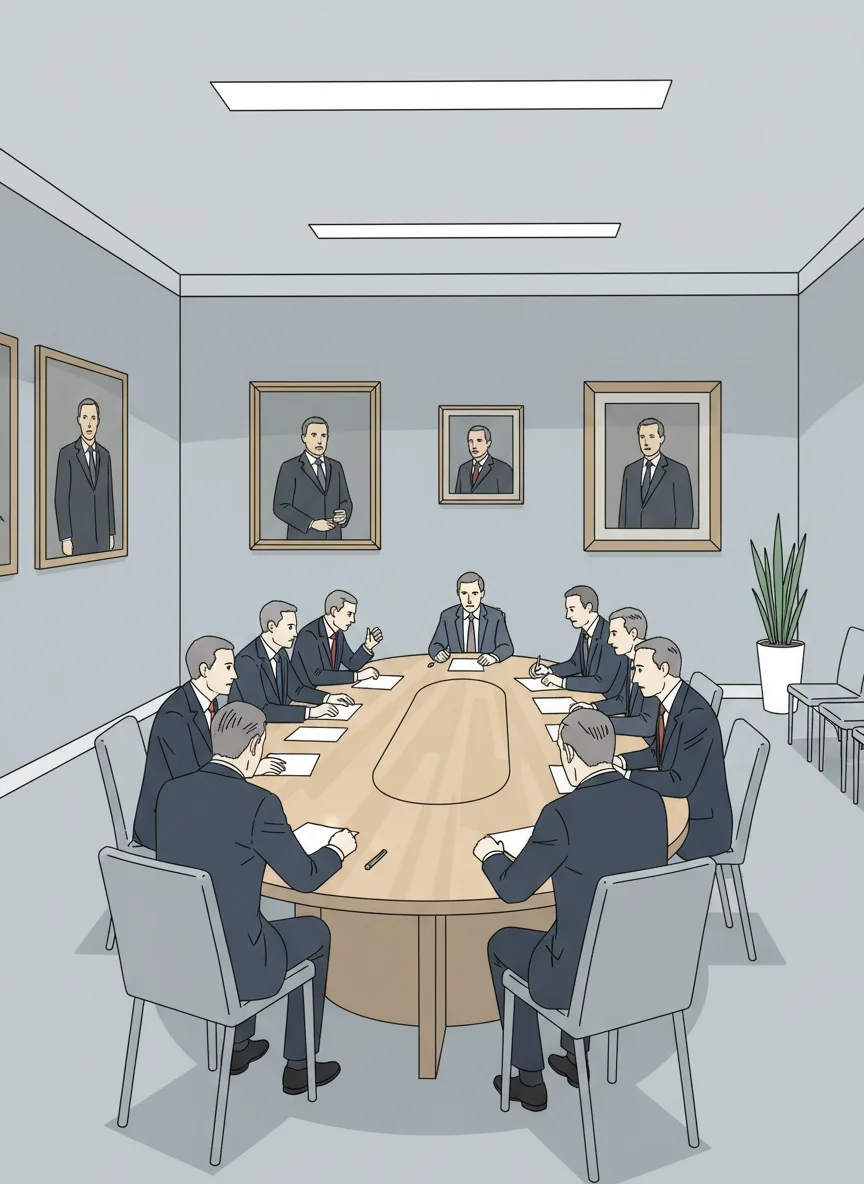
Steps 4-5: Committee Review and Third Reading
Due to the need for careful examination, the bill goes to a committee Committee members study every detail and suggest improvements Consequently, the bill may be changed or improved The Third Reading allows final debate before voting
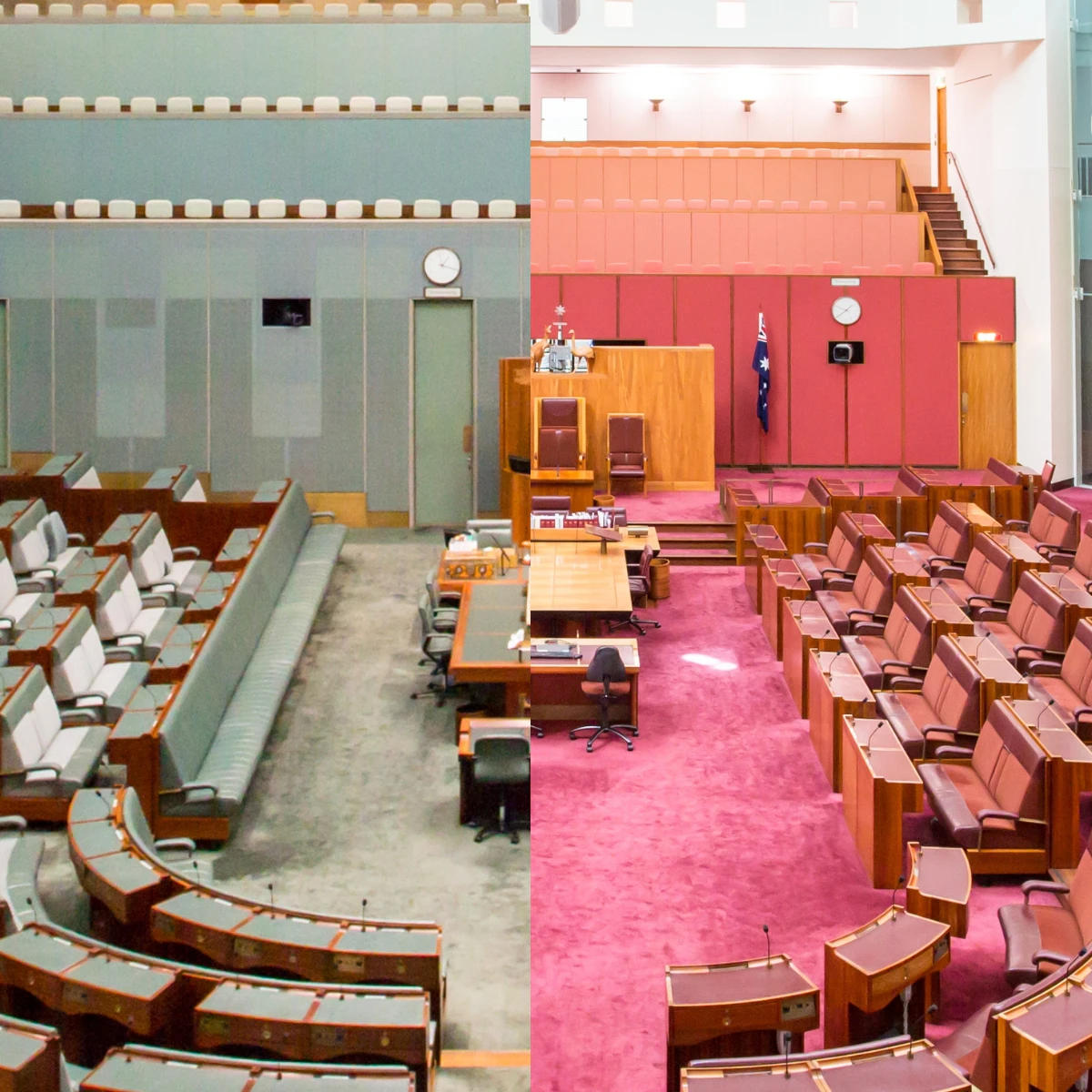
The Two Houses of Parliament
{"left":"House of Representatives\n151 members\nRepresents local areas\nWhere most bills start","right":"Senate\n76 members\nRepresents each state equally\nReviews and can change bills"}
Steps 6-8: Final Steps to Becoming Law
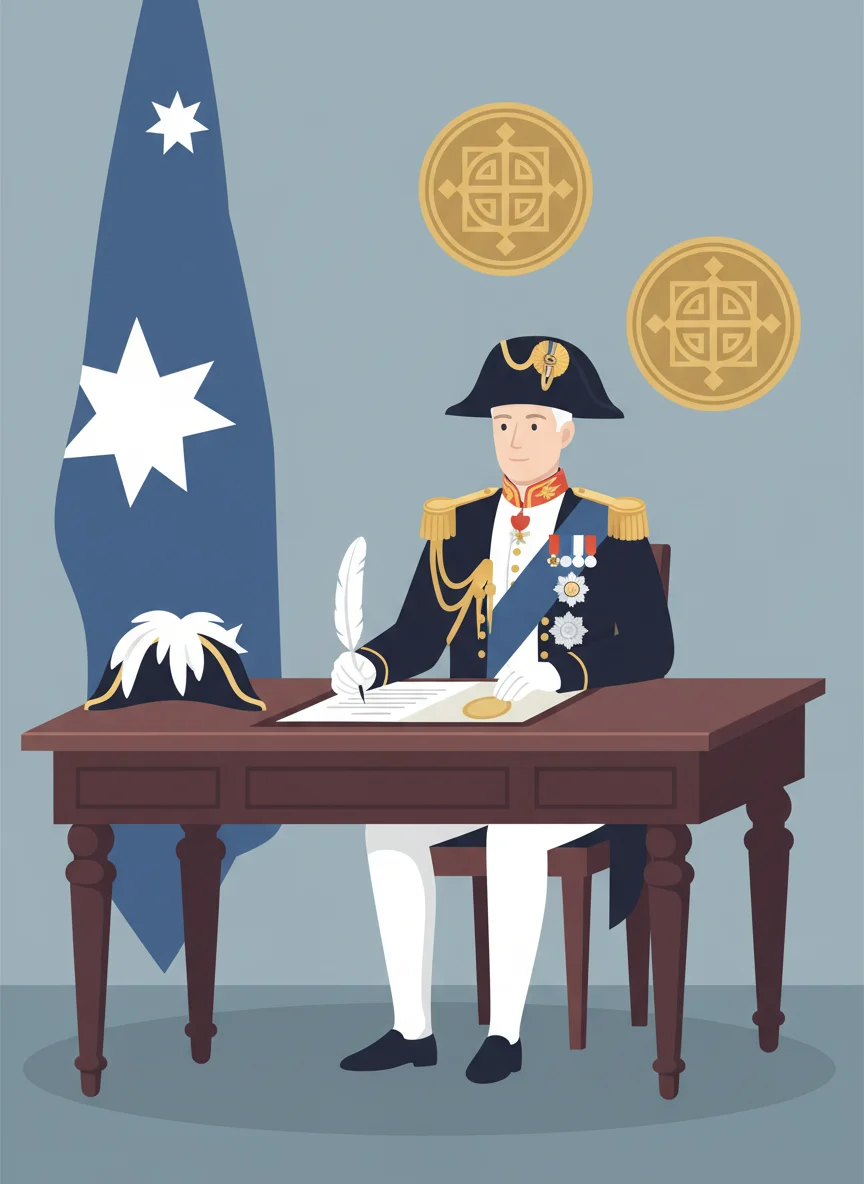
Because the bill passed one house, it goes to the other house The second house repeats the same process Due to both houses agreeing, the bill goes for Royal Assent Consequently, the Governor-General signs it and it becomes an Act of Parliament
Review: Why Do We Have This Process?
Think about why laws need to go through so many steps What might happen if bills became laws too quickly? How do causal connectives help us understand the process?
More Civics and Citizenship slide decks
Other ready-to-teach civics and citizenship decks for Australian classrooms.

Australia's Constitution: Purpose and Value
Australia's Constitution: Purpose and Value

Democracy: Key Values in Action
Democracy: Key Values in Action

Australia's Government: Past to Present
Australia's Government: Past to Present