How Do Psychologists Study the Mind?
Research Methods in Psychology Year 9 Psychology Understanding Human Behaviour Through Science
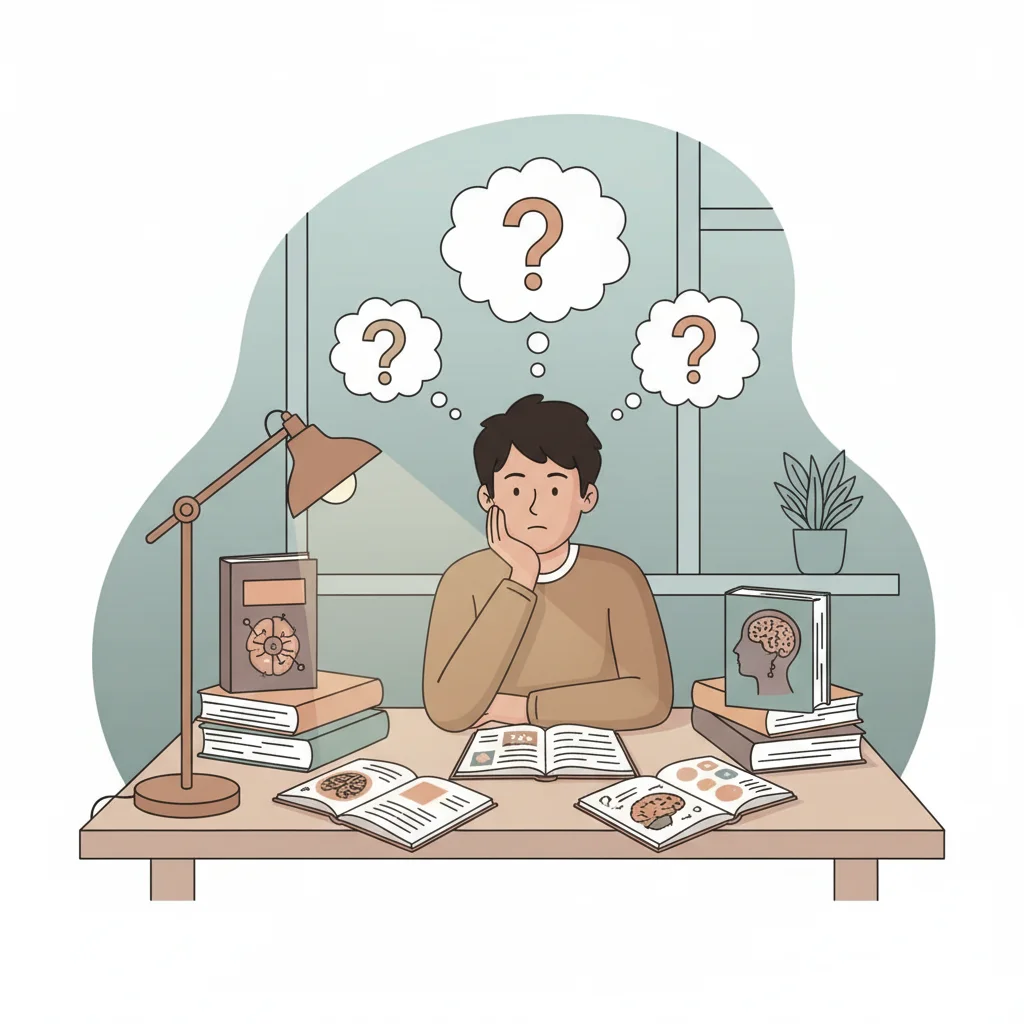
What Questions Do Psychologists Ask?
Why do we dream? How do we form memories? What causes anxiety? How do children learn language?
The Scientific Method in Psychology
Psychology uses scientific approaches Observations lead to hypotheses Experiments test predictions Results are analyzed and interpreted Findings are peer-reviewed and published

Quantitative vs Qualitative Research
{"left":"Uses numbers and statistics\nLarge sample sizes\nSurveys and experiments\nObjective measurements","right":"Uses words and descriptions\nSmaller, focused groups\nInterviews and observations\nSubjective experiences"}
Laboratory Experiments
Controlled environment Manipulate one variable at a time Random assignment of participants Can establish cause and effect High internal validity
Research Design Challenge
Work in pairs Choose a psychological question Design a simple experiment Consider: variables, participants, ethics Present your design to the class

Naturalistic Observation
Studying behaviour in natural settings No manipulation of variables High ecological validity Cannot determine causation Used in developmental and social psychology
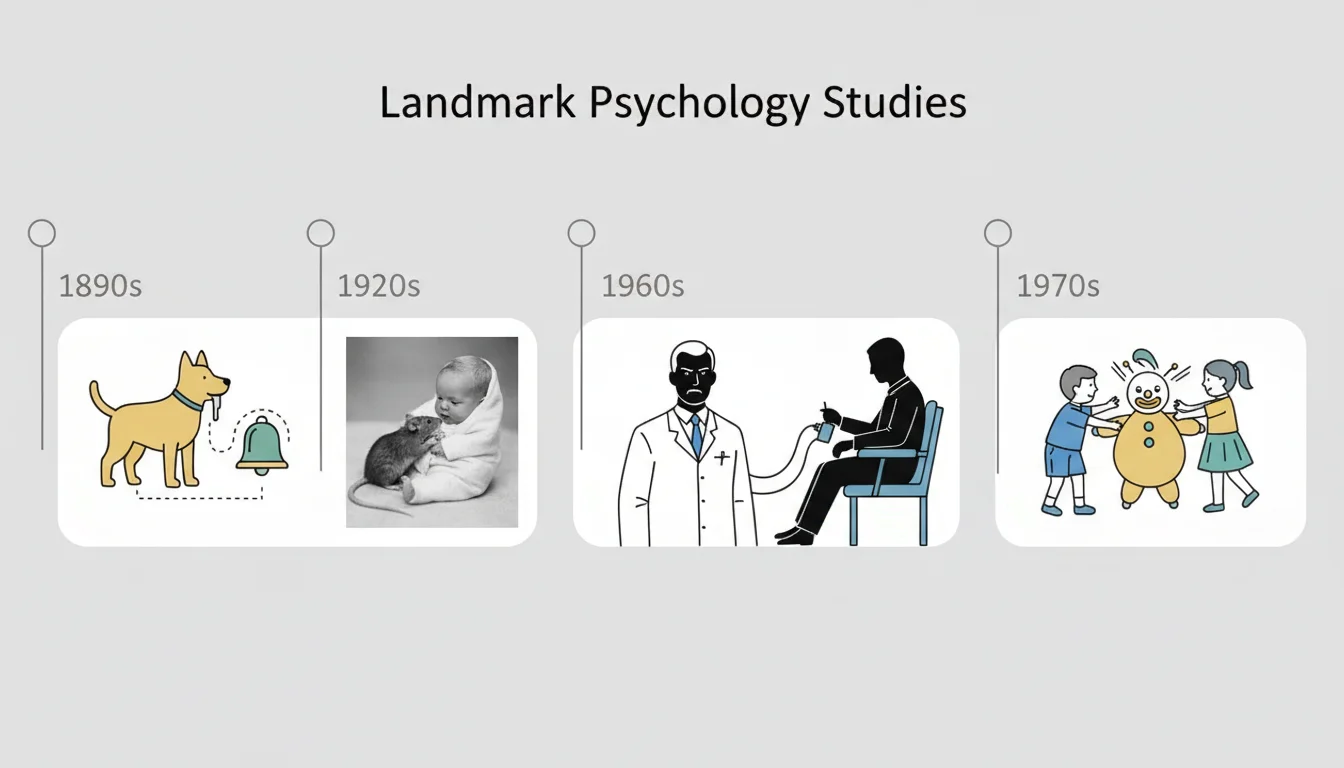
Famous Psychology Studies Timeline

Ethics in Psychological Research
"The welfare of research participants must always come first" - Australian Psychological Society Code of Ethics

Modern Technology in Psychology Research
Brain imaging (fMRI, EEG) Computer-based experiments Virtual reality environments Big data and AI analysis Online surveys and apps