
Human-Centric Computing and Social Impact
WALT: Explore the concept of human-centric computing Technology - Year 11 NSW Curriculum TE11-2 & TE11-5

Think-Pair-Share Starter
How do you think technology affects the way people interact with each other? Think individually (2 minutes) Discuss with a partner (3 minutes) Share with the class (5 minutes)
What is Human-Centric Computing?
Technology designed to prioritize human needs and experiences Focuses on usability, accessibility, and user well-being Considers the social and ethical impact of technology Examples: Social media, assistive devices, wearable tech
Technology's Impact: Connecting vs. Isolating
{"left":"Video calls keep families connected across distances\nSocial media helps maintain friendships\nOnline communities support shared interests\nAssistive tech enables participation for people with disabilities","right":"Excessive screen time reduces face-to-face interaction\nSocial media can create comparison and anxiety\nDigital divides exclude some groups\nCyberbullying and online harassment"}

Group Exploration Activity
Form groups of 4 students Each group investigates one technology: • Social media platforms • Video conferencing tools • Wearable health devices • Assistive technology Explore: How does it support/change human interaction? Prepare 3 key points to share

Real-World Examples of Human-Centric Design

Key Insight
"The best technology is invisible - it seamlessly supports human needs without getting in the way of genuine connection and interaction."
Reflection & Extension
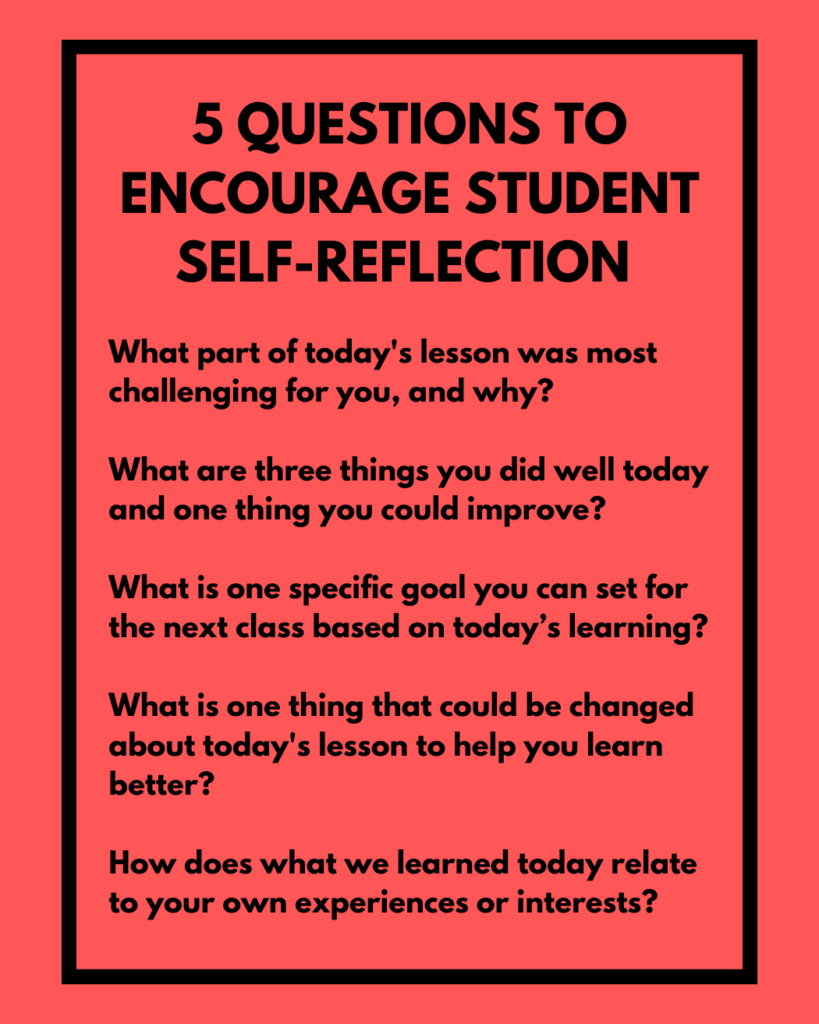
Success Criteria Check: ✓ Can you explain human-centric computing? ✓ How does technology shape human interactions? ✓ What are real-world examples? Extension Activities: • Research brain-computer interfaces • Design an app for an underserved community • Write an essay: Does technology enhance or diminish human connection?