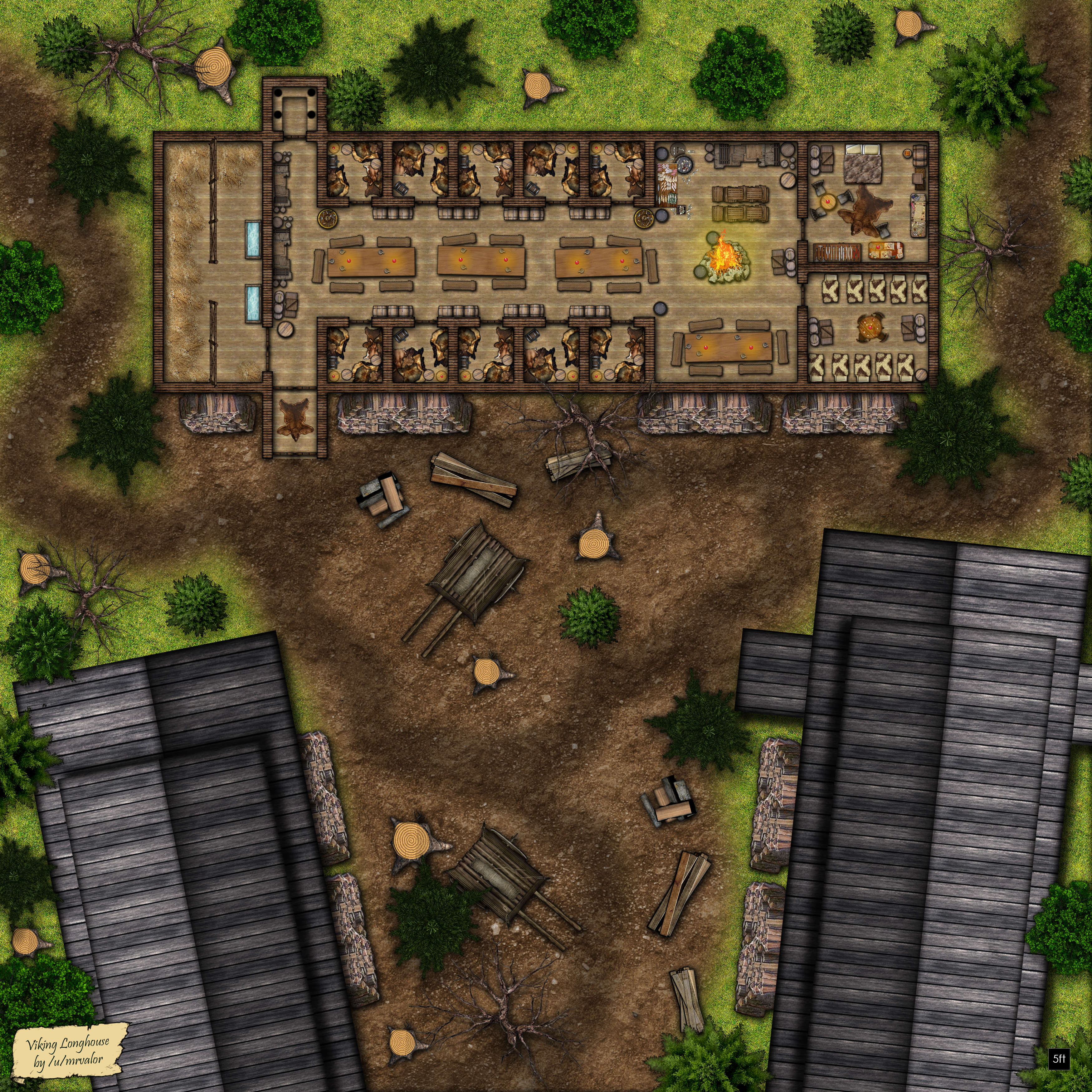
Inside a Viking Home
Exploring Daily Life in the Viking Age Year 8 History - Lesson 8

WALT - We Are Learning To
Describe the typical homes where Vikings lived and their construction materials Explain the daily life routines and family structures within Viking homes Identify and interpret primary and secondary sources about Viking home life Use historical terminology accurately in our descriptions
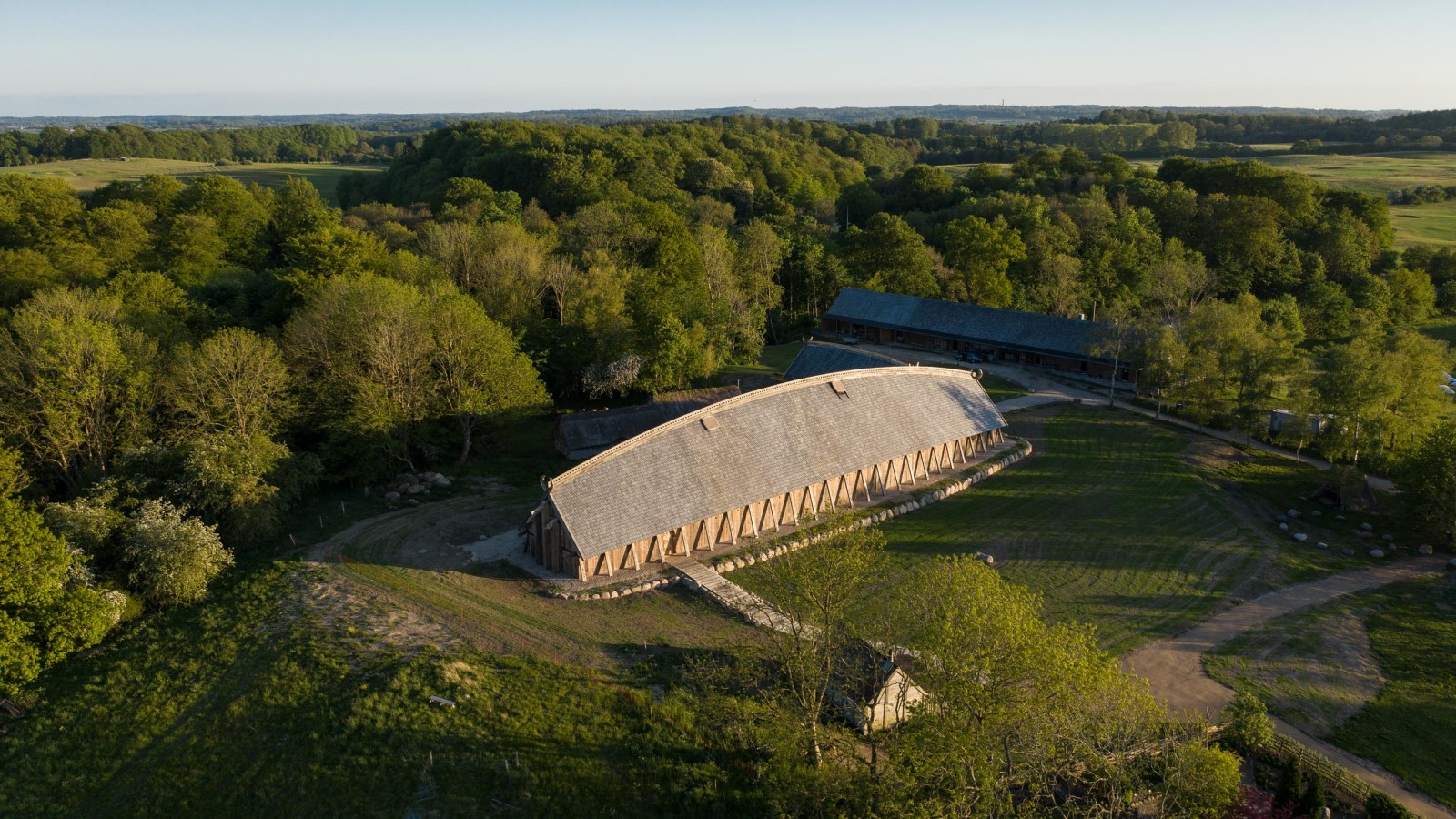
The Viking Longhouse
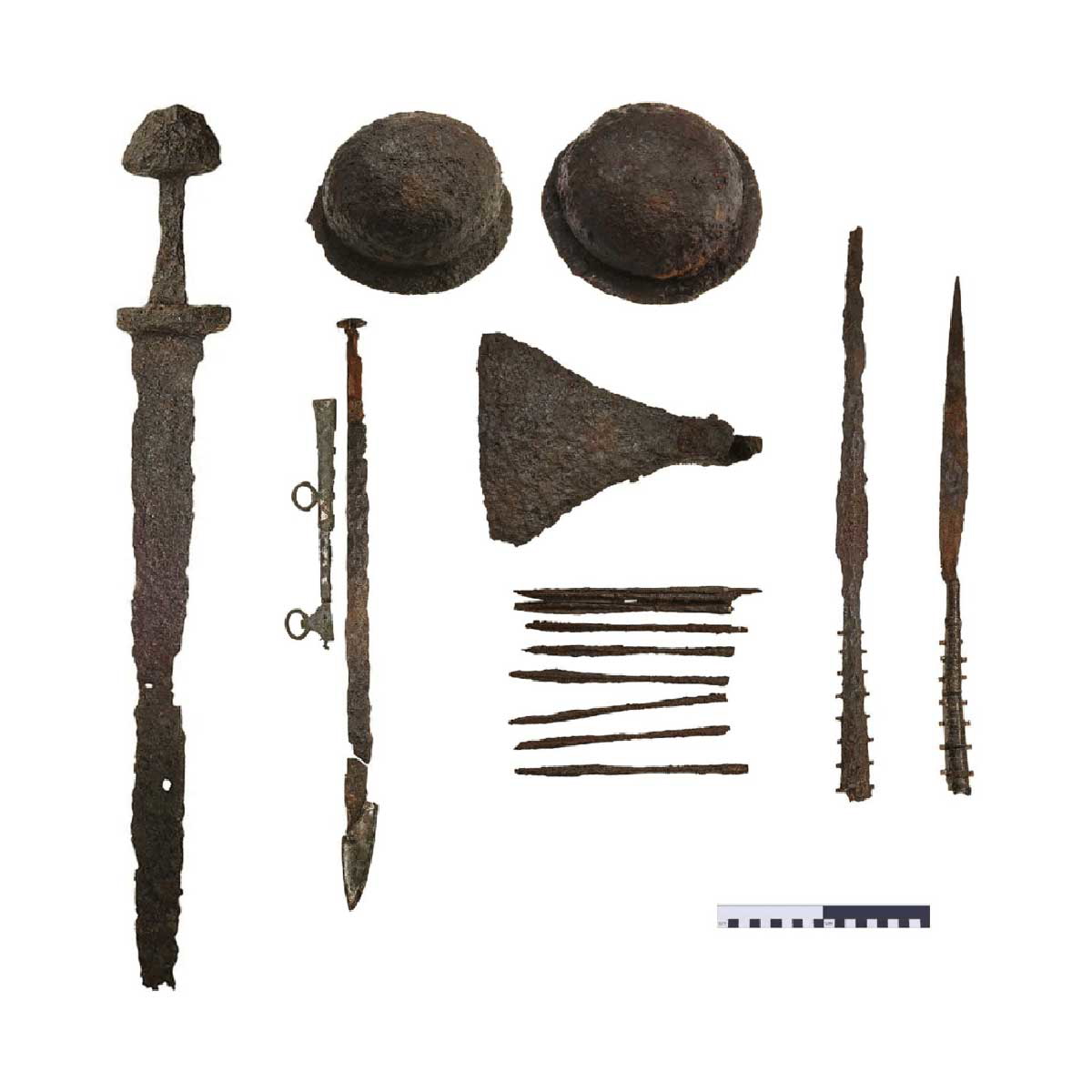
Building Materials & Construction
{"left":"Wood from local forests - oak, pine, birch\nTurf and sod for roofing insulation\nStone foundations for stability\nIron nails and wooden pegs for joining","right":"Wattle and daub for wall filling\nAnimal skins for door coverings\nClay and mud for chinking gaps\nStraw and hay for additional insulation"}
Source Analysis Activity
Work in groups of 4-5 students Each group receives a primary source excerpt about Viking homes Identify 3 key details about Viking home life Find evidence of family roles and daily activities Prepare to share one interesting discovery with the class
Daily Life Inside the Longhouse
Central fire provided heat, light, and cooking space Families slept on raised benches along the walls Women managed household tasks and textile production Men maintained tools, weapons, and farm equipment Children learned skills through observation and practice Elders shared stories and cultural knowledge Meals were communal affairs bringing families together

Think and Discuss
How did the design of Viking homes reflect their values and way of life? What challenges would families face living in such close quarters? How might Viking home life have influenced their success as explorers and traders?

Success Criteria & Reflection
Can you describe Viking homes using specific features and materials? Can you explain family roles and daily routines in Viking households? Did you use historical sources to support your descriptions? Have you used historical terminology accurately? Extension: How did Viking home life compare to other ancient civilizations?