
Justifying Real Number Comparisons
Year 9 Mathematics Lesson 4 of 4: Understanding Real Numbers 60 minutes

Review: What We've Learned So Far
Lesson 1: Types of real numbers (rational, irrational, surds) Lesson 2: Representing real numbers on number lines Lesson 3: Comparing and ordering real numbers Today: Justifying our comparisons with mathematical reasoning

WALT (We Are Learning To)
Justify comparisons of real numbers without calculating exact values
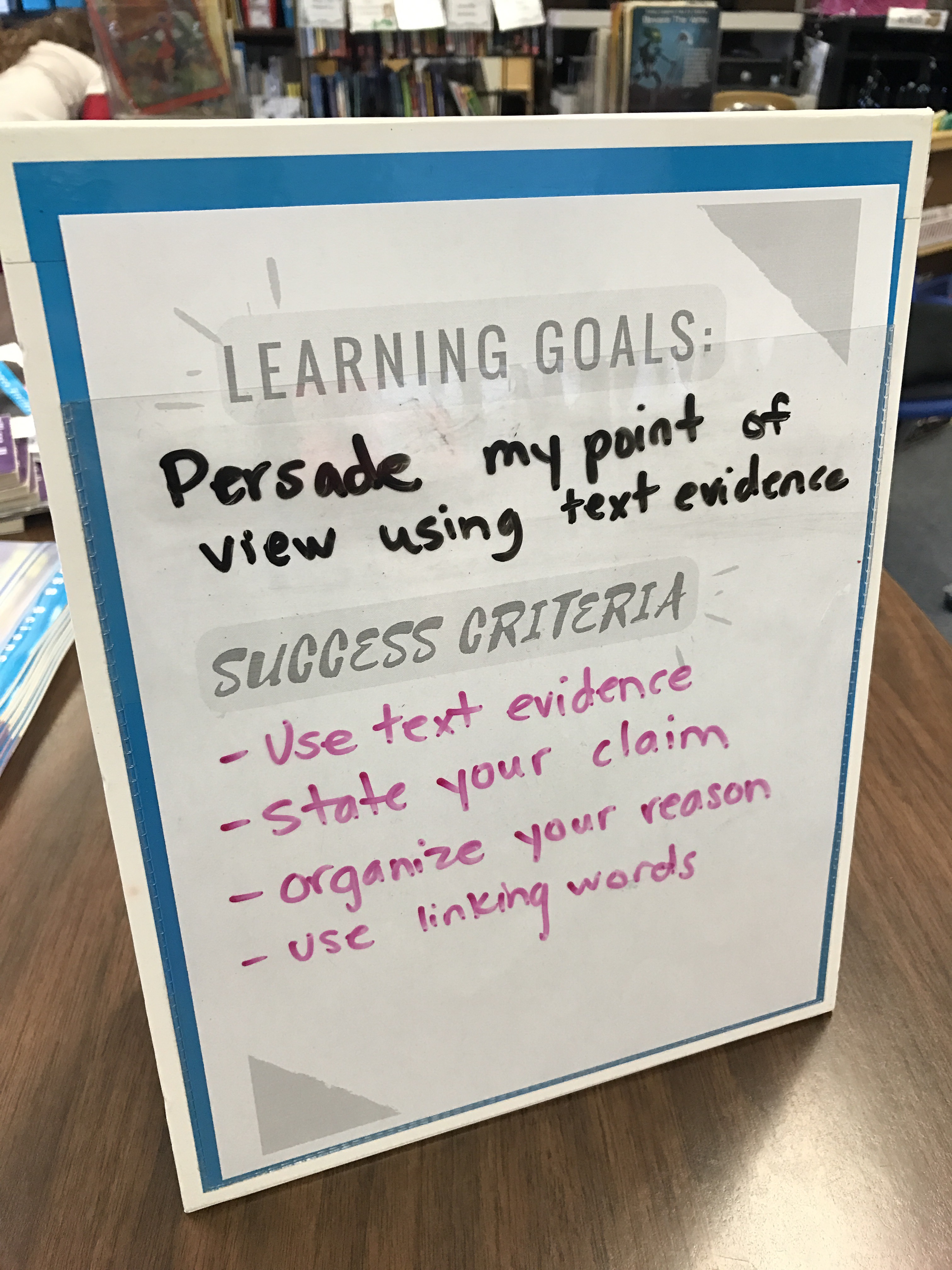
Success Criteria - How We'll Know We've Succeeded
Provide logical reasons for comparing real numbers Use number properties and inequalities as justification Use sentence starters to structure our reasoning Compare surds, decimals, and fractions without exact calculations
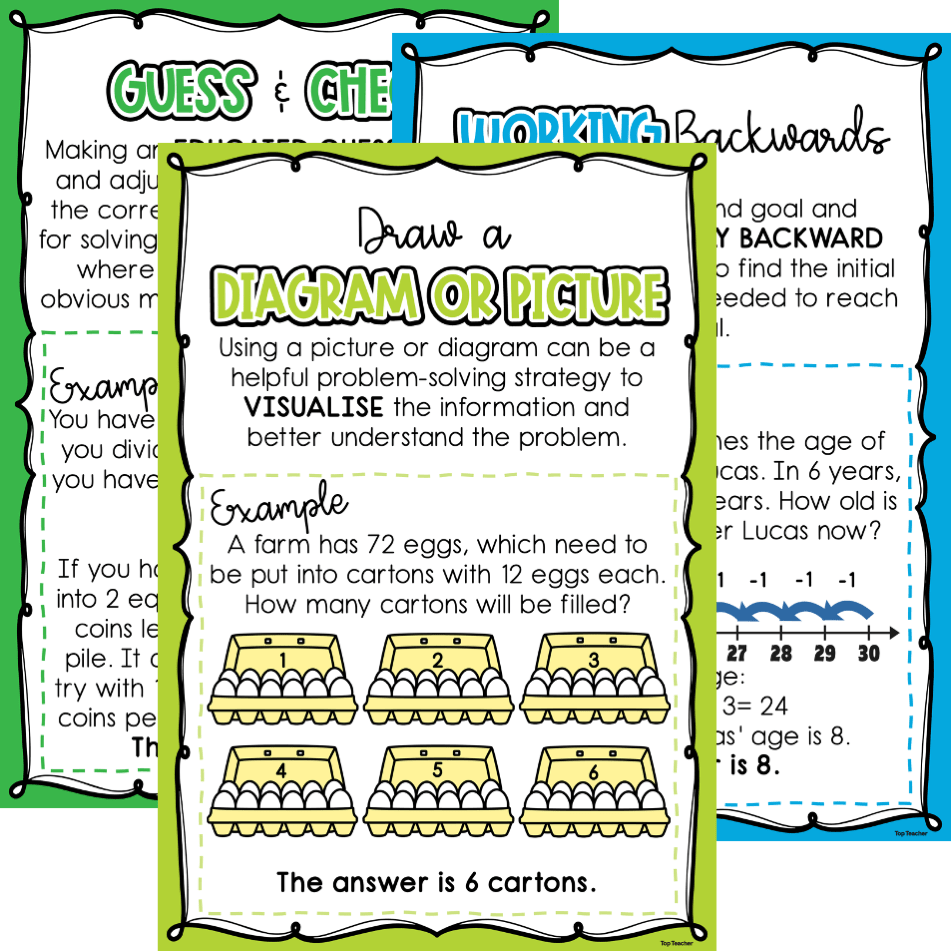
Justification Strategies in Action
Example 1: Compare √2 and 1.4 Strategy: Use perfect squares as bounds Since 1.4² = 1.96 and 1.96 < 2 Therefore 1.4 < √2 Sentence starter: 'Because 1.4² = 1.96 is less than 2, I know that 1.4 < √2'
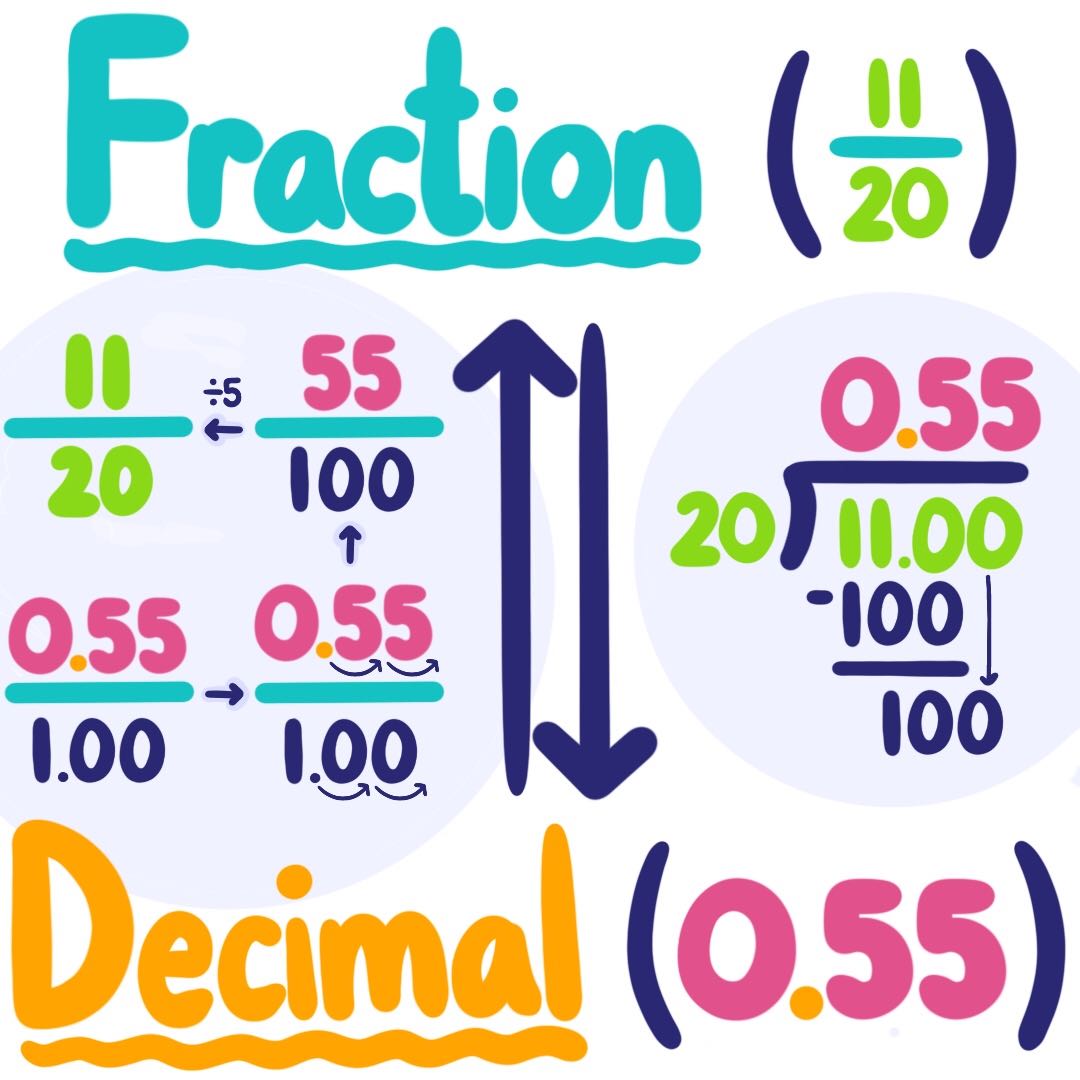
More Justification Examples
{"left":"Compare 3/5 and 0.6\n3/5 = 3 ÷ 5 = 0.6 exactly\nTherefore 3/5 = 0.6","right":"Compare √3 and √5 - 1\n√5 ≈ 2.2, so √5 - 1 ≈ 1.2\n√3 ≈ 1.7, so √3 > √5 - 1"}

Your Turn: Guided Practice
Order these numbers from smallest to largest: √2, 1.42, 7/5, and 1.4 Work with a partner Use sentence starters to justify each comparison Remember: No exact decimal calculations!

Reflection and Extension
How confident do you feel justifying number comparisons today? Advanced learners: Create your own set of 3-4 challenging real numbers to compare Prepare written justifications to share next lesson What strategy worked best for you today?