:watermark(/images/watermark_5000_10percent.png,0,0,0):watermark(/images/logo_url.png,-10,-10,0):format(jpeg)/images/overview_image/4464/i6Fu53t3CNGCQwtBHS6sAA_P11_inhibitory_mechanism_CL_en.jpg)
Life Systems: From Neurons to Ecosystems
Year 10 Science Victorian Curriculum Understanding biological coordination and interdependence
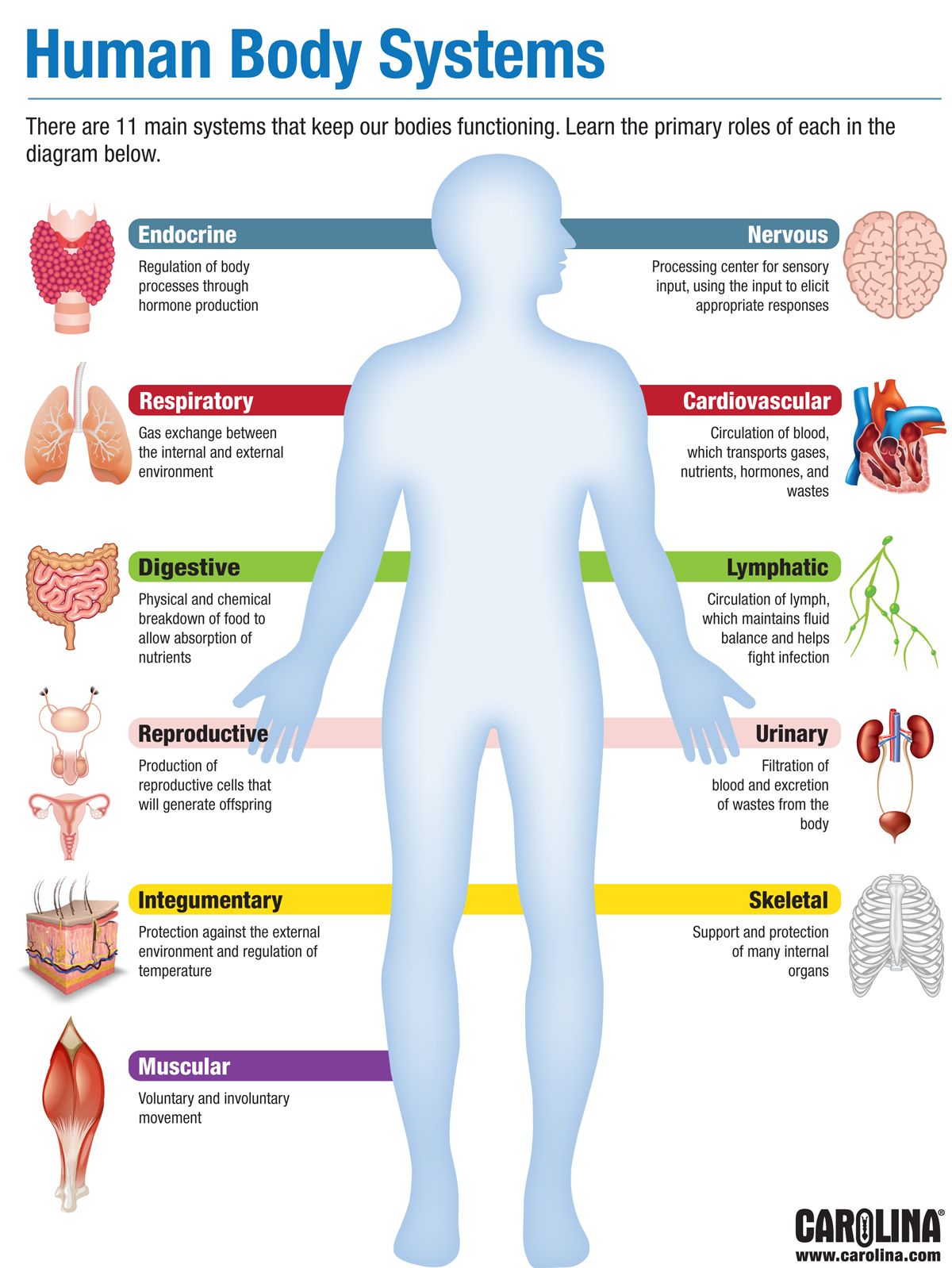
Multicellular Coordination: Working Together
Multicellular organisms need coordinated internal systems Systems must respond to environmental changes Integration between nervous, circulatory, and other systems Example: Temperature regulation in humans

The Nervous System: Command and Control

Neuron Structure and Function
Draw and label a neuron showing: dendrites, cell body, axon, axon terminals Explain how electrical impulses travel along the neuron Describe what happens at a synapse Challenge: Trace a reflex arc from stimulus to response

DNA and Heredity: The Code of Life
DNA carries genetic information in all living things Genes are specific sections of DNA coding for traits DNA is passed from parents to offspring Genetic variation leads to diversity within species

Evolution by Natural Selection
{"left":"Organisms produce more offspring than can survive\nIndividuals vary in their traits\nSome traits help survival and reproduction\nHelpful traits become more common over time","right":"Evidence from fossils shows change over time\nAnatomical similarities reveal common ancestry\nDNA analysis confirms evolutionary relationships\nExamples: Darwin's finches, antibiotic resistance"}
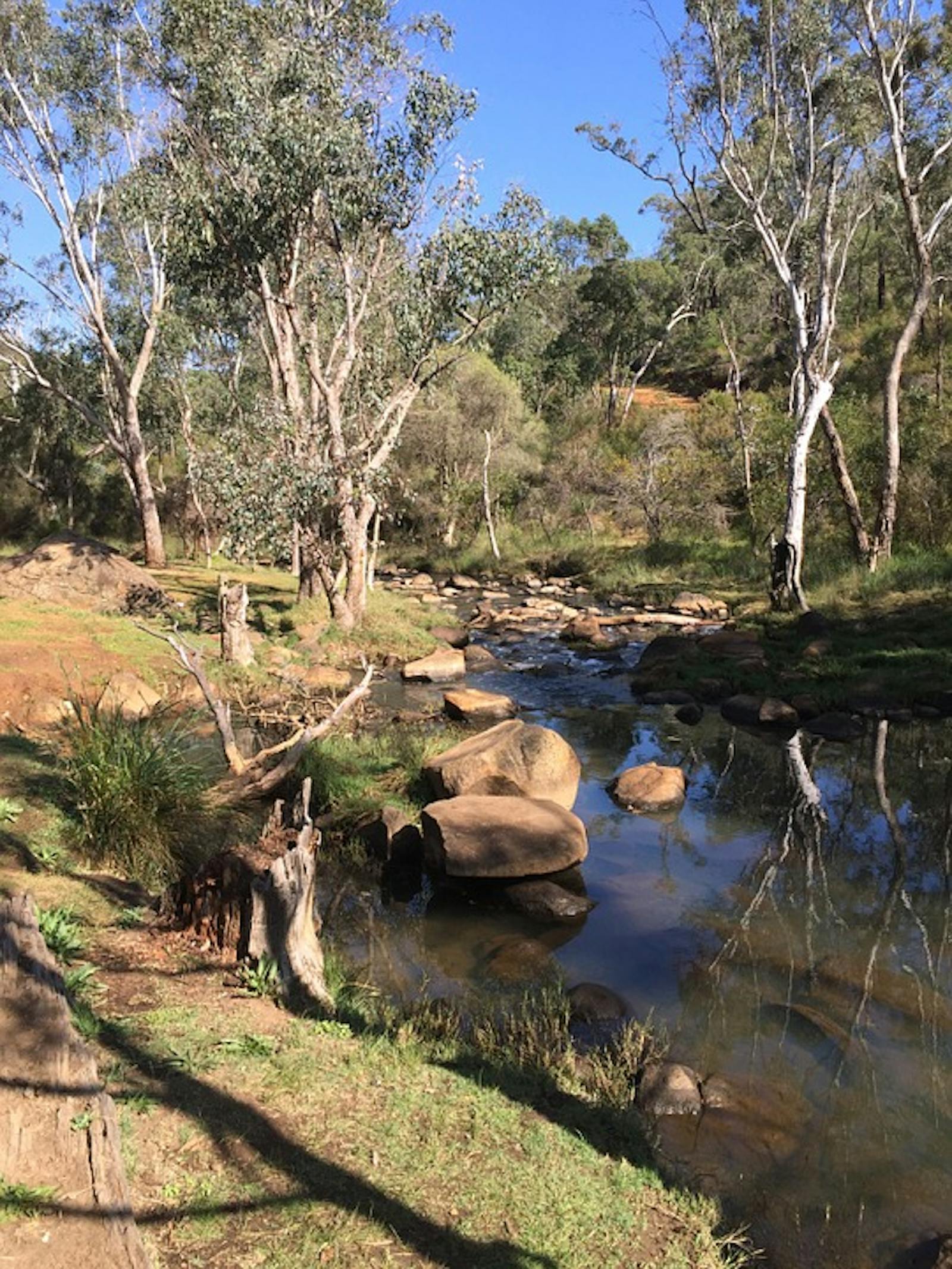
Ecosystems: Interconnected Communities
Ecosystems include living (biotic) and non-living (abiotic) components Organisms depend on each other for survival Energy flows through ecosystems via food chains Matter cycles through ecosystems (carbon, nitrogen, water) Human activities can disrupt ecosystem balance

Connecting the Systems: Synthesis Challenge
How do nervous systems help organisms respond to ecosystem changes? How might genetic variation help species survive environmental challenges? What role does evolution play in ecosystem dynamics? Extension: Design an investigation into how climate change might affect nervous system function in a specific Australian animal