Lines Express Emotions Through Art
Year 6 Visual Arts Exploring how different line types communicate feelings and moods
What Are Lines in Art?
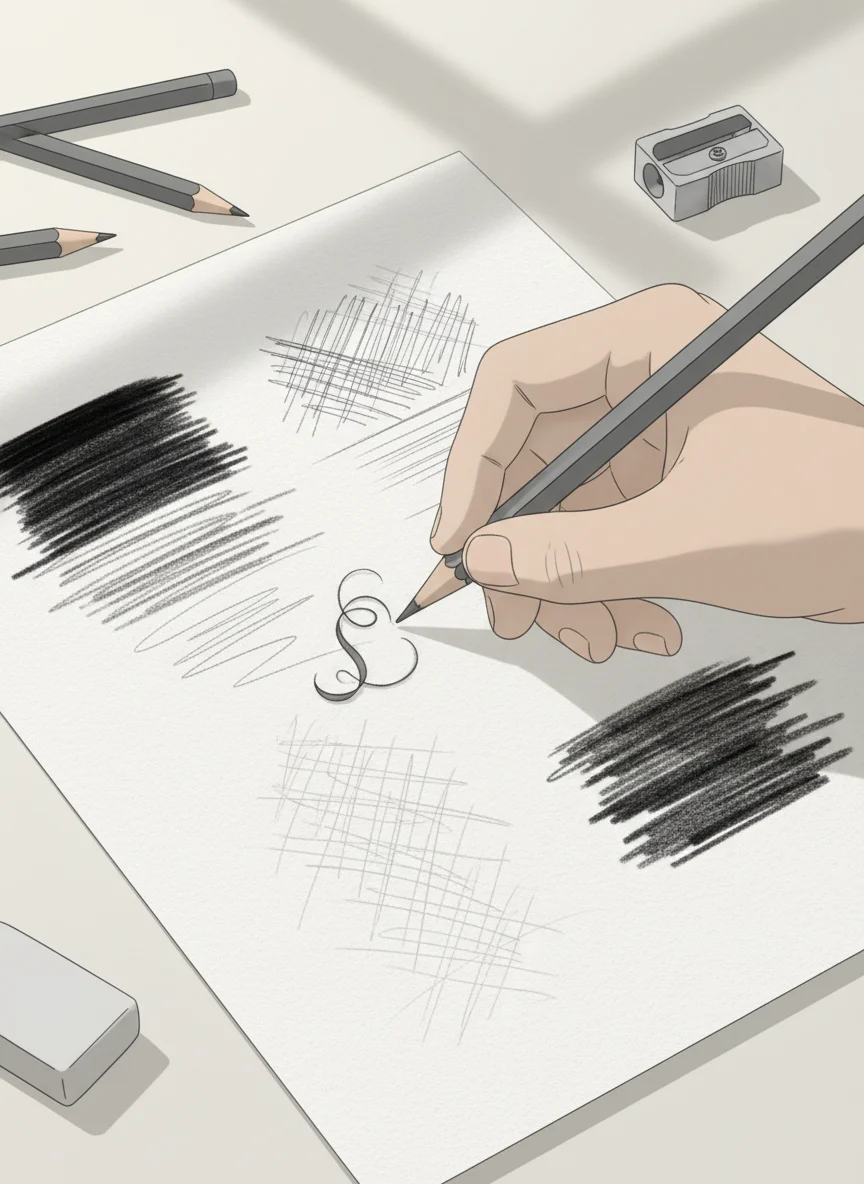
Lines are marks made by moving a drawing tool across a surface They can be thick or thin, light or dark Lines help artists create shapes, patterns, and express feelings Every artwork uses lines in some way
Three Types of Lines
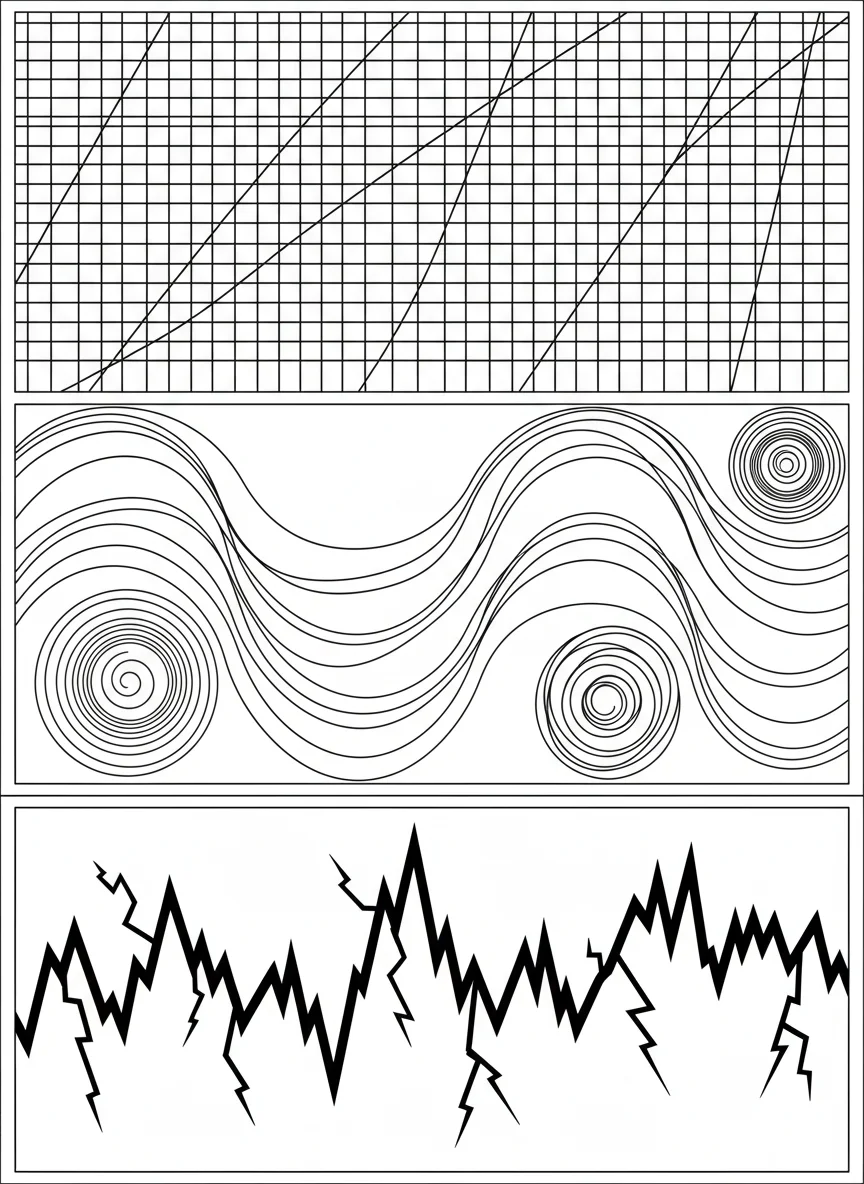
Straight Lines - direct, strong, orderly Curved Lines - gentle, flowing, natural Zigzag Lines - energetic, exciting, chaotic
How Do Lines Make You Feel?
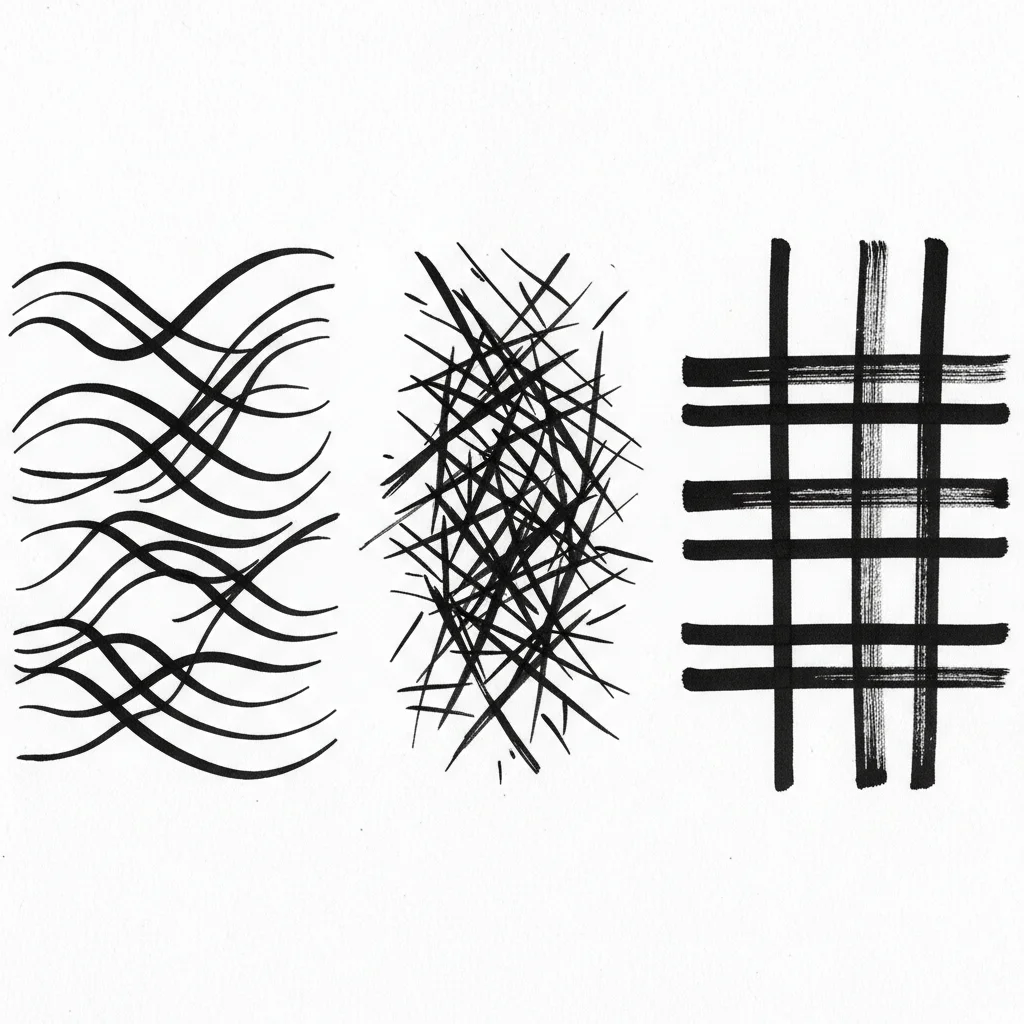
Look at these line examples What emotions or feelings do you notice? Share your thoughts with a partner
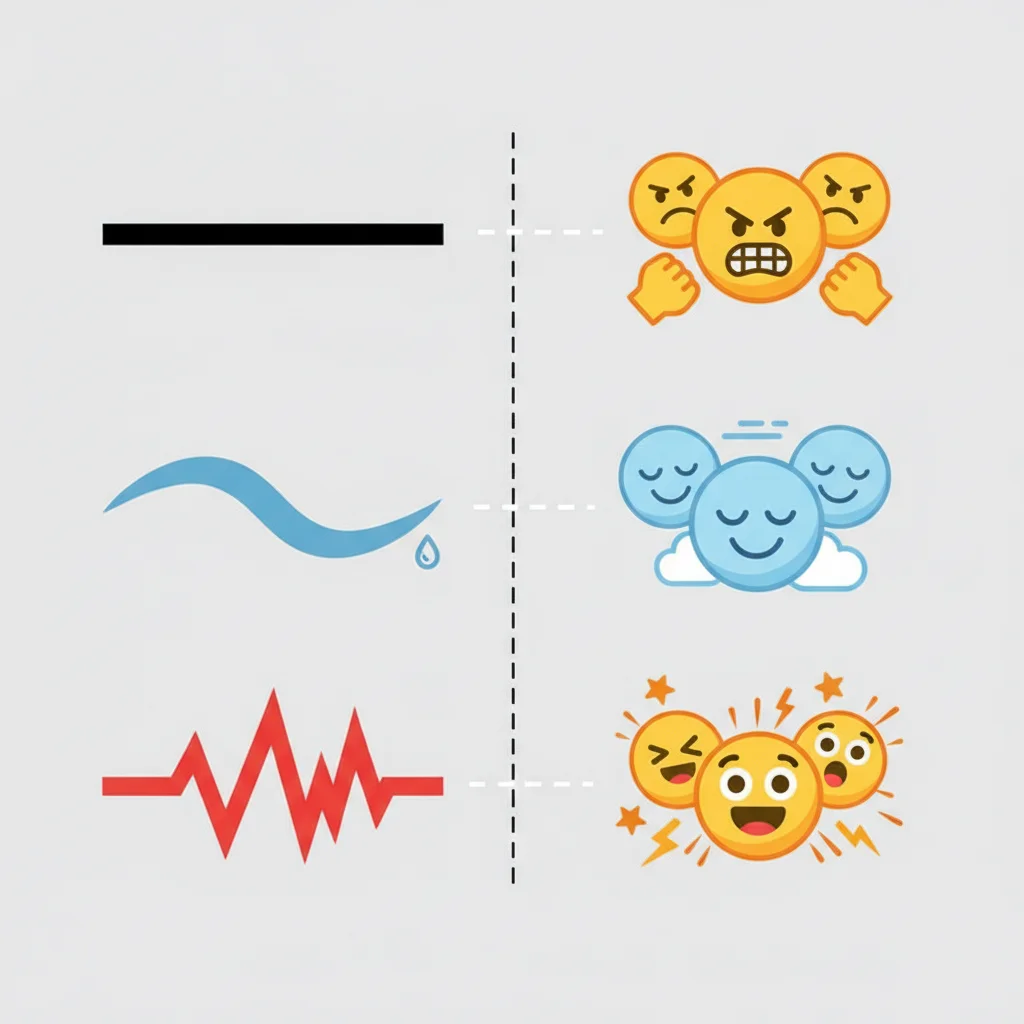
Lines and Emotions Connection
{"left":"Straight lines can feel: Strong, Stable, Serious, Rigid, Powerful\nCurved lines can feel: Gentle, Calm, Soft, Natural, Peaceful","right":"Zigzag lines can feel: Exciting, Energetic, Chaotic, Angry, Dynamic"}
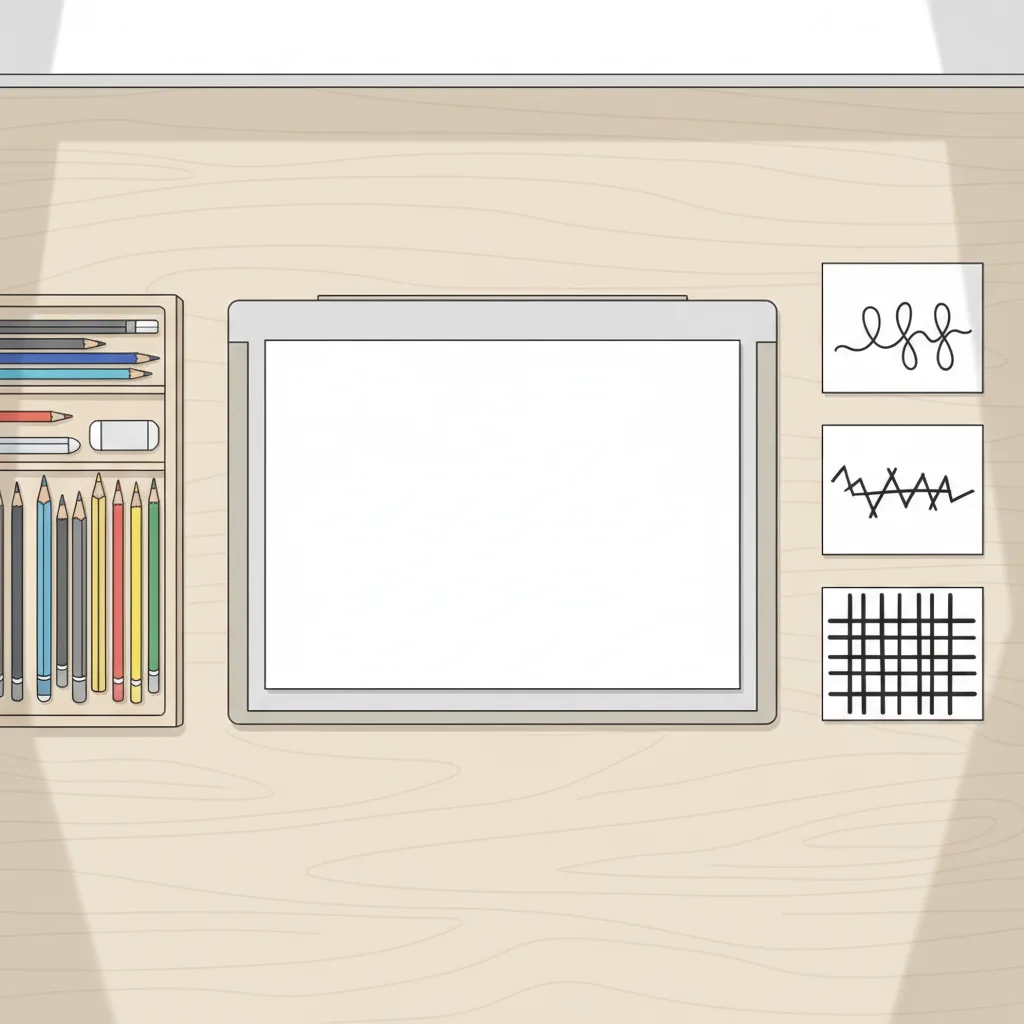
Line Emotion Drawing Challenge
Choose one emotion: happy, sad, angry, or calm Create a drawing using ONLY lines that express your chosen emotion Use the line type that best matches your feeling No shapes or objects - just expressive lines!

Famous Artists and Expressive Lines
Van Gogh used swirling, curved lines to show movement and emotion Picasso used sharp, angular lines in his abstract works Kandinsky combined all line types to create musical feelings in art Each artist developed their own line 'language'
Your Line Art Journey Continues
Lines are powerful tools for expressing emotions Practice combining different line types for complex feelings Next lesson: We'll explore how lines create shapes and patterns Remember: Every line you draw carries emotion and meaning