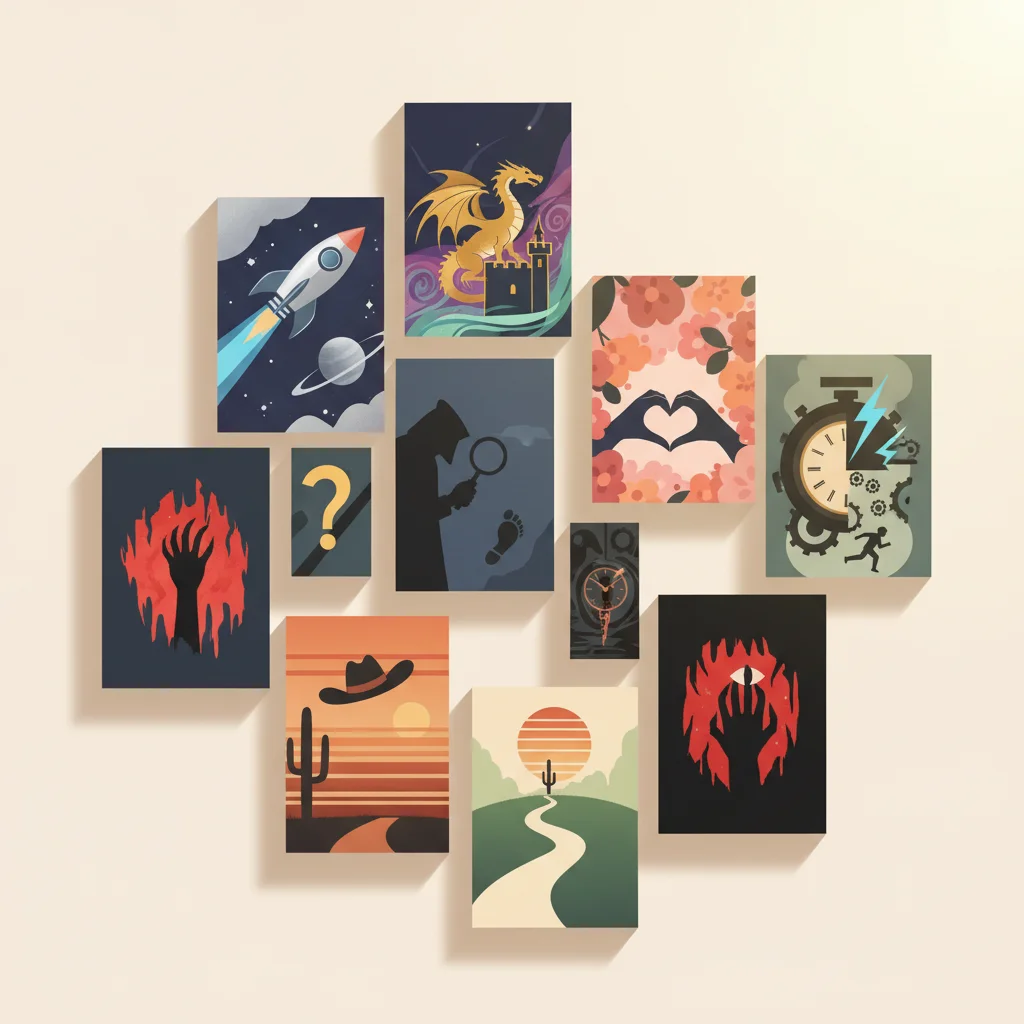
Literary Conventions Across Genres
Year 9-12 English Understanding how different genres use setting, character, plot, and theme 45-minute lesson
WALT: We Are Learning To...
Identify literary conventions in different genres Analyse how setting, character, plot, and theme vary across genres Recognise genre-specific patterns in literature Apply knowledge to classify and understand texts

What Are Literary Conventions?
Established techniques and elements that define genres Patterns readers expect to find in specific types of stories Include setting, character types, plot structures, and themes Help authors communicate with readers effectively Create reader expectations and satisfaction

The Four Key Literary Conventions
{"left":"Setting: Time, place, and atmosphere where the story occurs\nCharacters: Types of protagonists, antagonists, and supporting characters typical to the genre","right":"Plot: Common story structures, conflicts, and narrative patterns\nTheme: Central ideas and messages frequently explored in the genre"}
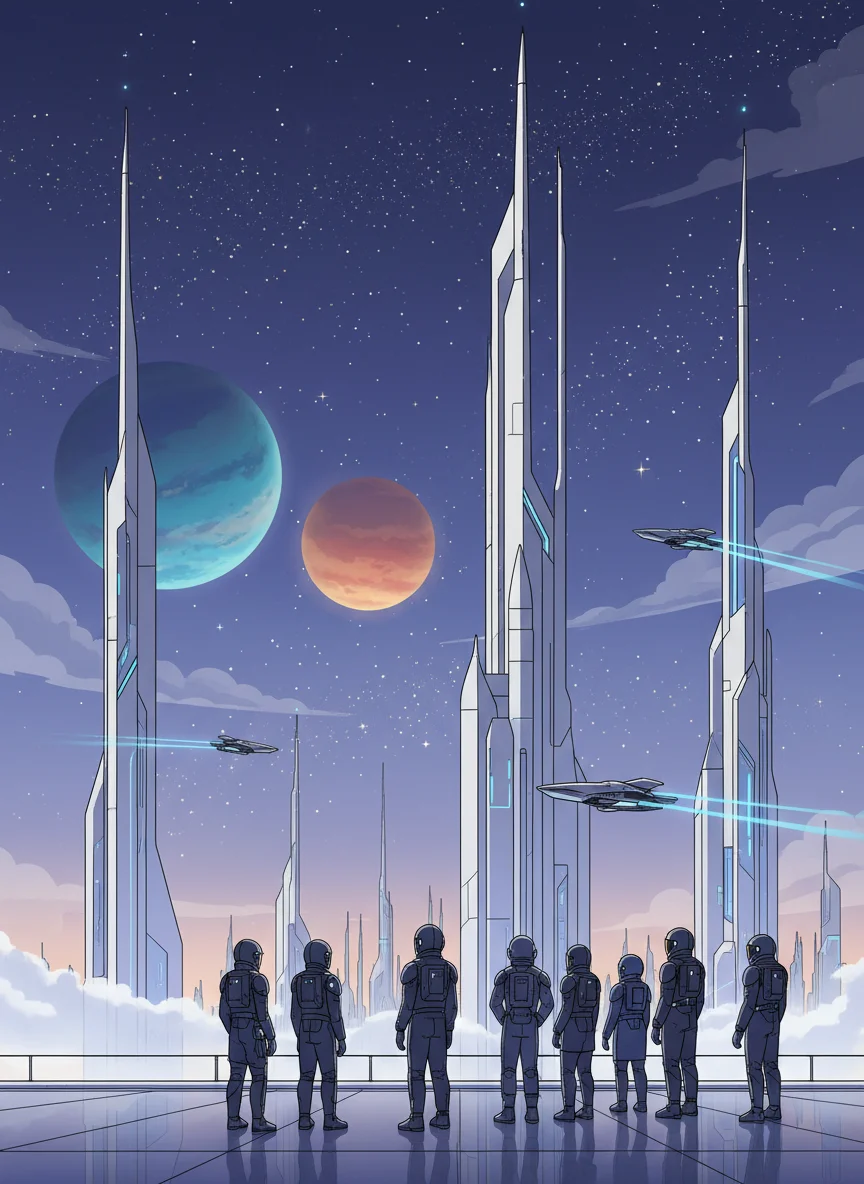
Science Fiction Conventions
Setting: Future worlds, space, advanced technology Characters: Scientists, aliens, AI, explorers Plot: Technology vs humanity, space exploration, time travel Themes: Progress, ethics of science, human nature Examples: Dune, The Martian, Star Wars
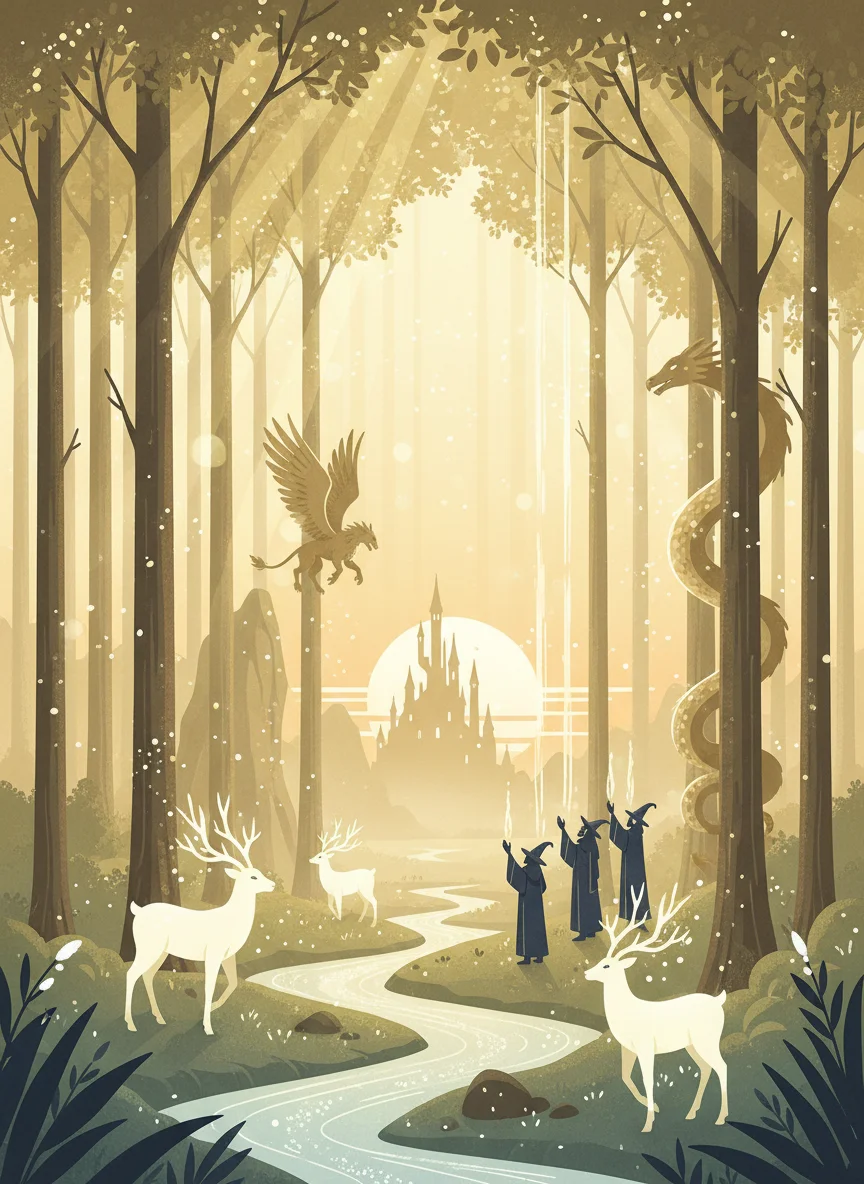
Fantasy Conventions
Setting: Magical worlds, medieval-inspired realms, alternate realities Characters: Heroes, wizards, mythical creatures, chosen ones Plot: Quests, good vs evil, magical conflicts Themes: Power, destiny, moral choices Examples: Lord of the Rings, Harry Potter, Game of Thrones
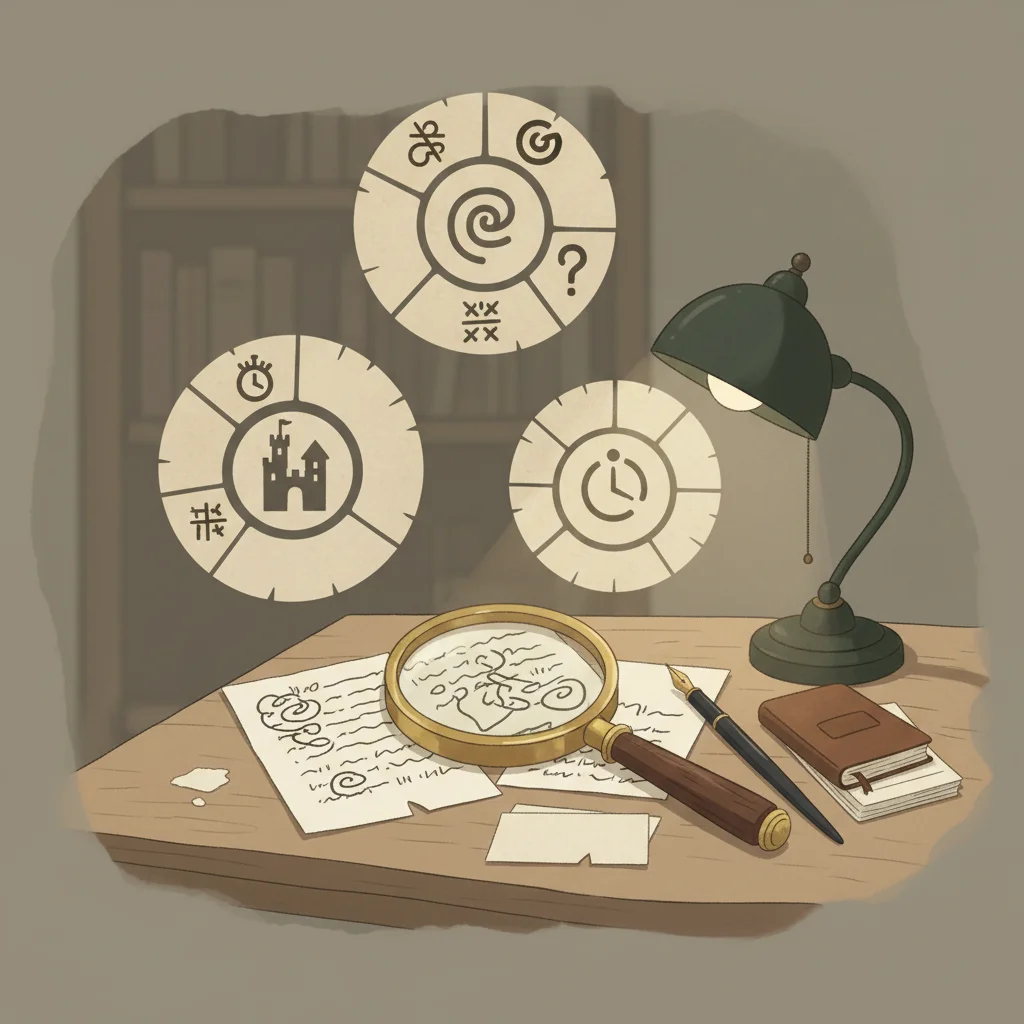
Genre Detective Activity
Read the text excerpts provided Identify which genre each belongs to List the conventions that gave you clues Share your findings with a partner Be ready to justify your choices
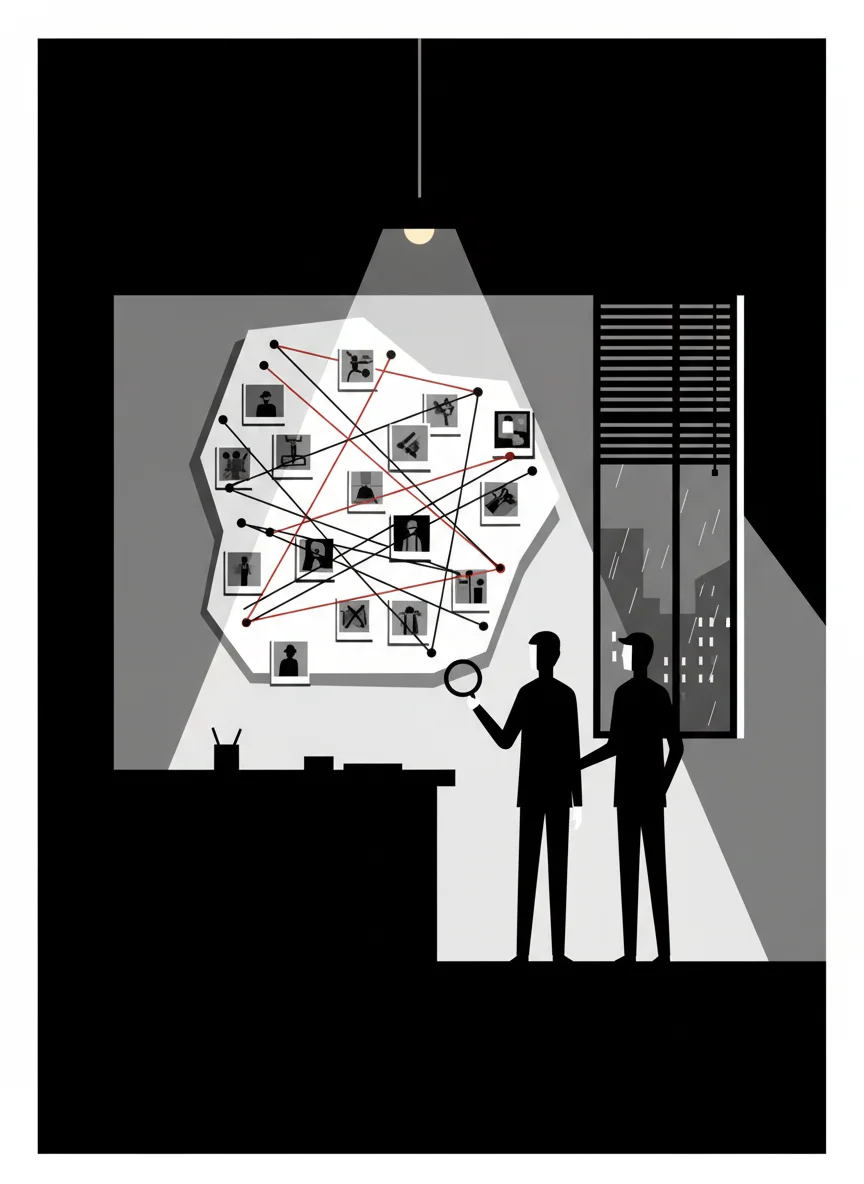
Mystery & Thriller Conventions
Setting: Crime scenes, urban environments, isolated locations Characters: Detectives, suspects, victims, red herrings Plot: Investigation, clues, red herrings, revelation Themes: Justice, truth, human psychology Mystery: Agatha Christie, Sherlock Holmes Thriller: Gone Girl, The Girl with the Dragon Tattoo

Romance & Coming-of-Age Conventions
Romance - Setting: Varied, often romantic locations Romance - Characters: Love interests, obstacles to love Romance - Plot: Meeting, conflict, resolution, happy ending Coming-of-Age - Setting: Schools, family homes, transitional spaces Coming-of-Age - Characters: Young protagonists, mentors, peers Coming-of-Age - Themes: Identity, growth, loss of innocence
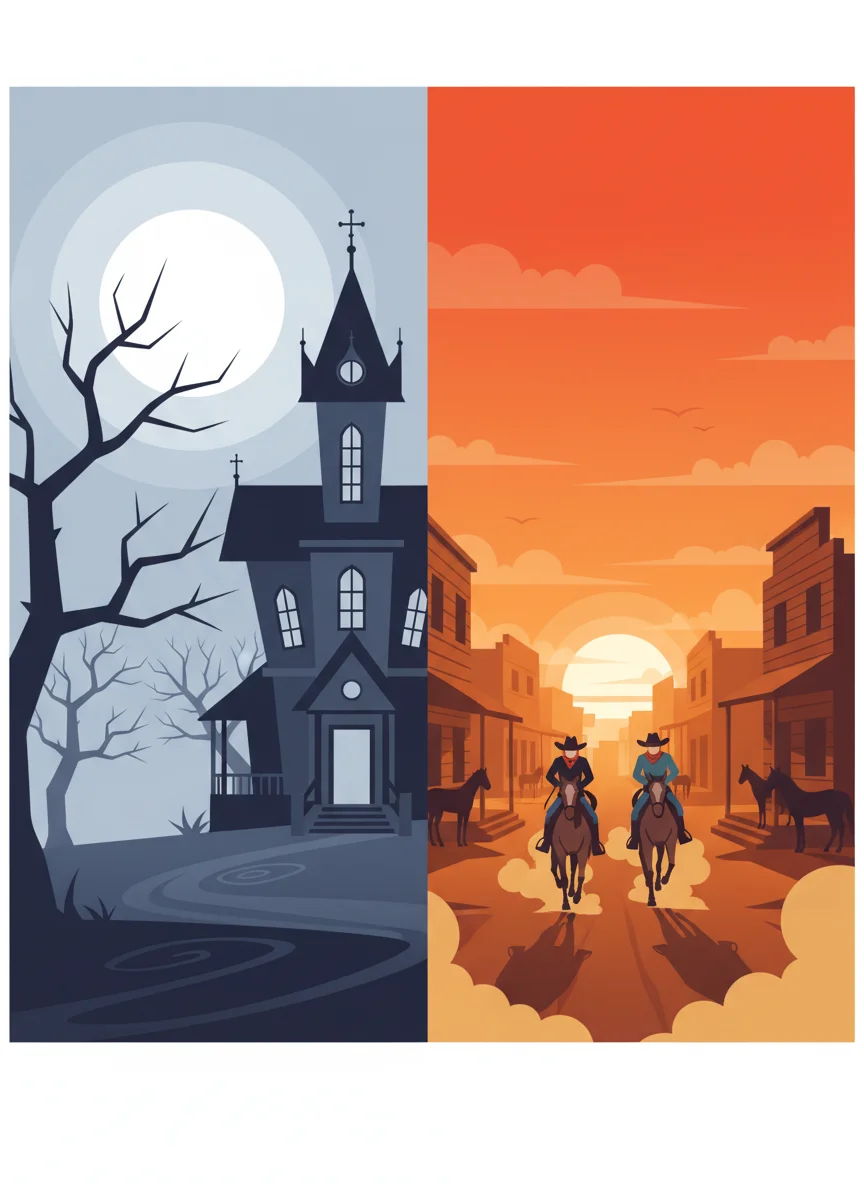
Horror & Western Conventions
Horror - Setting: Dark, isolated, threatening places Horror - Characters: Victims, monsters, survivors Horror - Plot: Building tension, supernatural/psychological threats Western - Setting: American frontier, small towns, open landscapes Western - Characters: Cowboys, outlaws, sheriffs, settlers Western - Themes: Civilization vs wilderness, justice, survival

Critical Thinking Challenge
Can a story belong to multiple genres? How do authors blend conventions? What happens when conventions are broken? Which genre conventions appeal to you most and why?
Applying Your Knowledge
Success Criteria Check: Can you identify 3 conventions per genre? Can you explain how conventions differ between genres? Can you classify unknown texts using conventions? Extension: Create your own genre-blended story outline Differentiation: Choose your challenge level for homework