:watermark(/images/watermark_5000_10percent.png,0,0,0):watermark(/images/logo_url.png,-10,-10,0):format(jpeg)/images/overview_image/38/MxXIKBIoLWwJLf3QjkPGQ_lungs-in-situ_en.jpg)
Mammalian Gas Exchange Structural Adaptations
Year 11 Biology Lesson 6: Exploring Cellular Energy and Exchange Understanding how structure enables function

Learning Objectives
Identify key structural features of alveoli and capillaries Explain how adaptations maximize oxygen intake and CO₂ removal Compare mammalian gas exchange with amphibians Demonstrate gas exchange using physical models

Think-Pair-Share
Why do mammals need such efficient gas exchange systems? What challenges does a large, warm-blooded body create for getting oxygen to cells?

Alveolar Structure and Adaptations
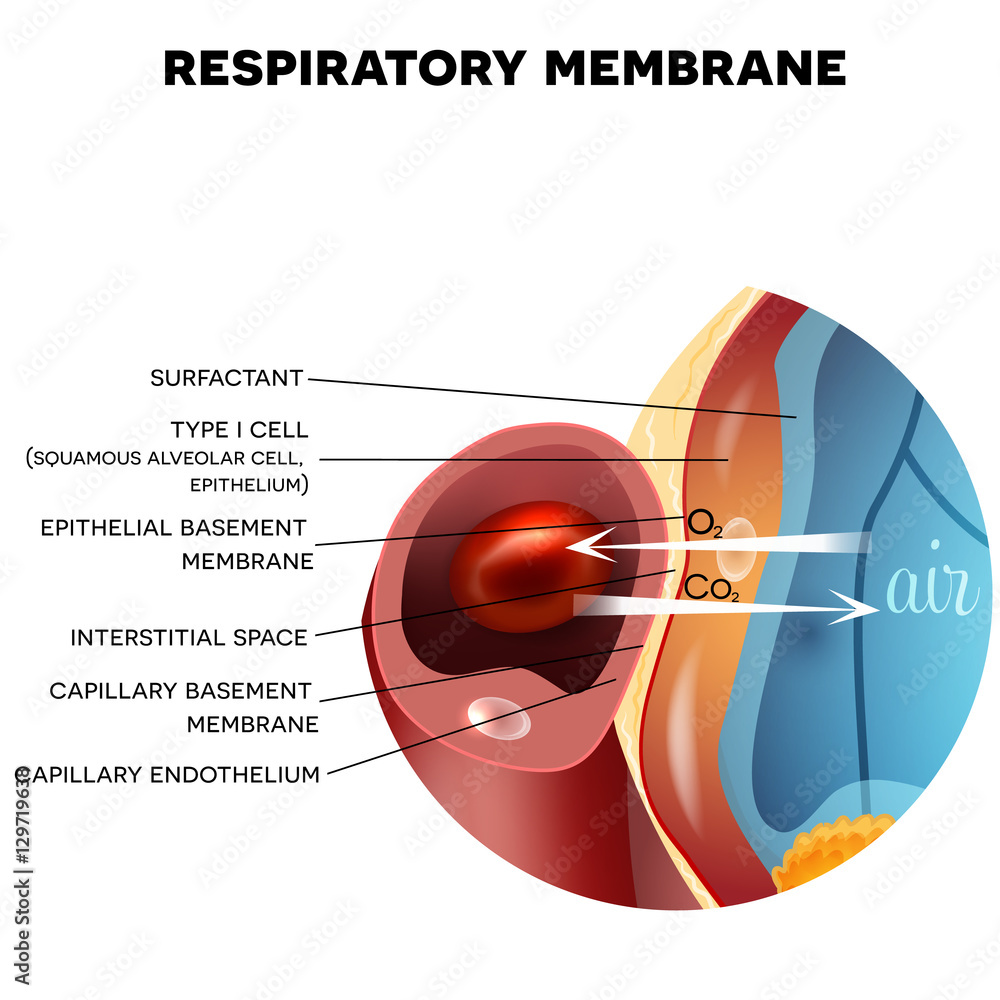
Structural Adaptations vs. Functions
{"left":"Extremely thin alveolar walls (0.5 μm)\nMinimizes diffusion distance for gases\nEnormous surface area (70 m² in humans)\nMaximizes gas exchange capacity\nMoist epithelial lining","right":"Dissolves O₂ and CO₂ for transport\nDense capillary networks\nEnsures rapid gas collection and delivery\nSingle-layer epithelium\nAllows direct gas transfer to bloodstream"}

Hands-On Modeling Activity
Groups of 4: Build an alveoli-capillary model Materials: sponges (alveoli), tubes (capillaries), colored water (blood) Demonstrate: surface area, thin barriers, blood flow Extension: Model disease effects (collapsed alveoli, thick walls)

Comparing Gas Exchange Systems
Mammals: Specialized alveoli in lungs only Amphibians: Lungs PLUS skin and mouth lining Mammalian advantage: Highly efficient, protected system Amphibian advantage: Multiple exchange surfaces Trade-offs: Efficiency vs. flexibility

Assessment and Reflection
Exit Ticket: Name three alveolar adaptations and explain how each improves gas exchange Reflection: How does understanding lung structure help explain respiratory diseases? Preview: Next lesson - How does the circulatory system transport these gases?