Mastering Multi-Digit Addition Together
Year 6 Mathematics Learning to add large numbers step by step Using the left-to-right method
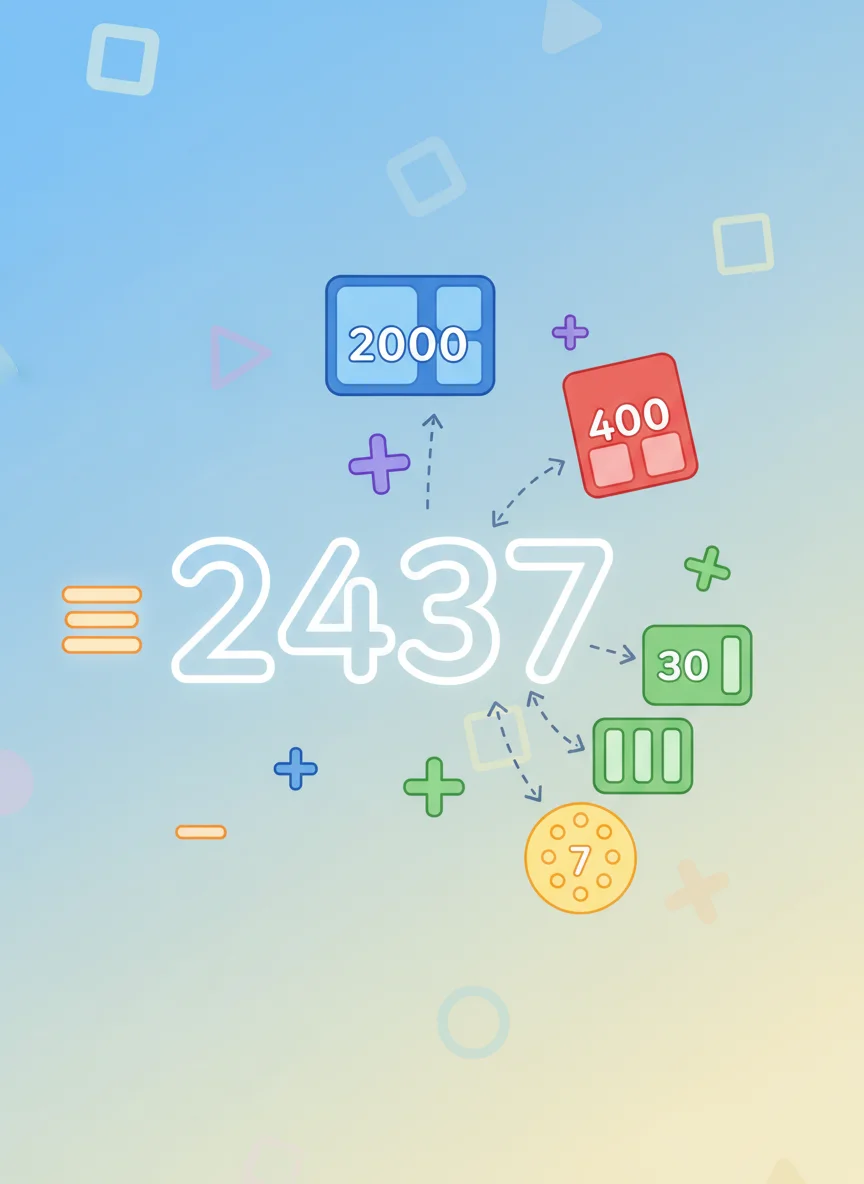
What We'll Learn Today
Break down large numbers into manageable parts Add from left to right systematically Check our work for accuracy Build confidence with multi-digit addition

Think About This...
How do you currently add large numbers? What challenges do you face? Which method feels most natural to you?

Why Left-to-Right Addition?
Matches how we read numbers naturally Helps us estimate answers quickly Builds number sense and understanding Makes mental math easier
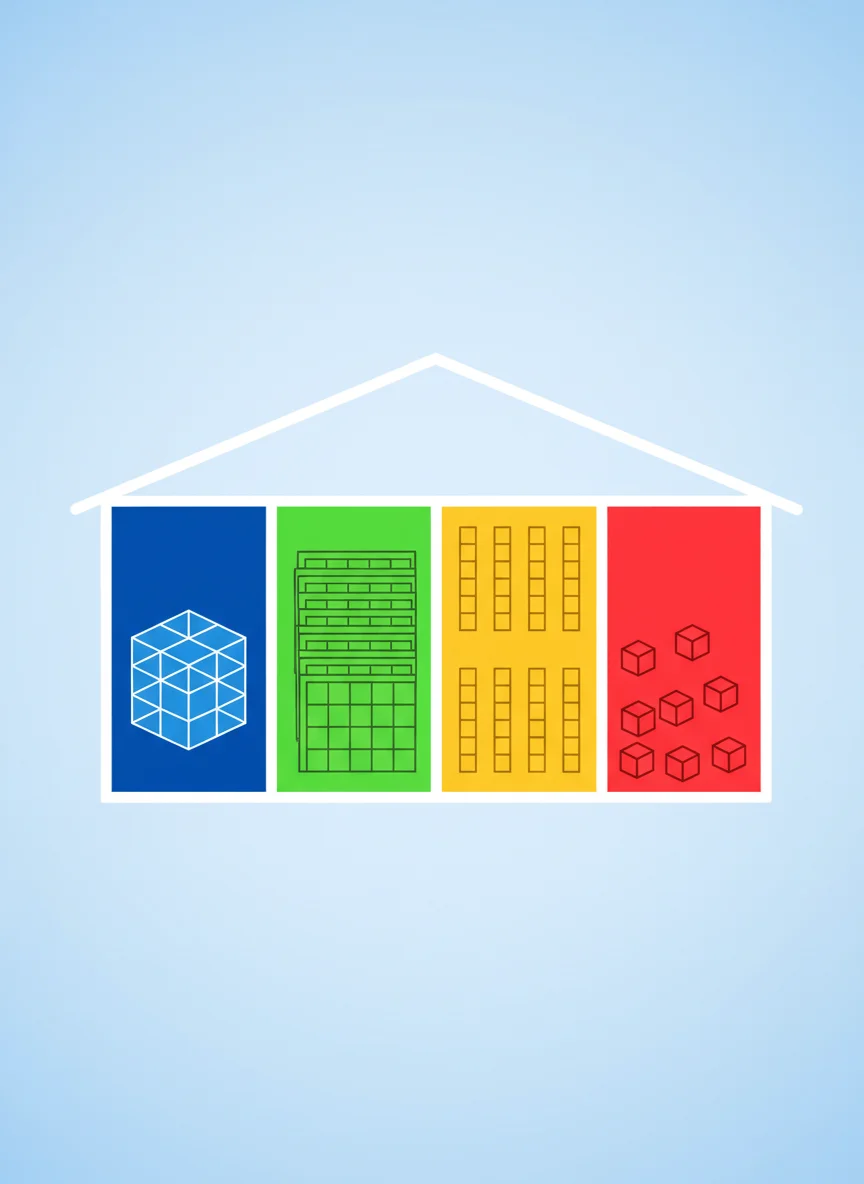
Breaking Down Numbers
Every digit has a place value Thousands, hundreds, tens, ones We can separate each part Then add each part step by step

I Do: Teacher Demonstration
Watch as I solve: 2,456 + 1,327 Step 1: Add thousands (2,000 + 1,000) Step 2: Add hundreds (400 + 300) Step 3: Add tens and ones (56 + 27)
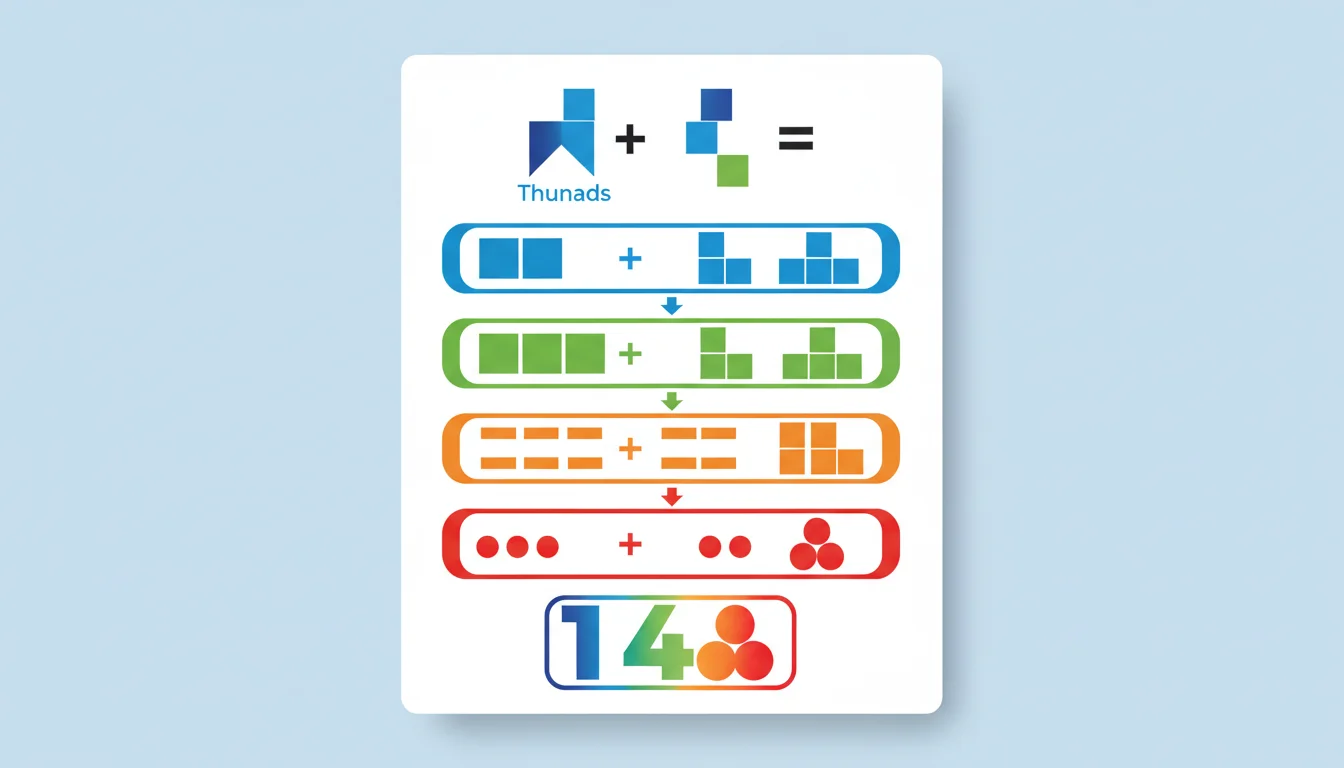
Step-by-Step Addition Process

Let's Practice Together
New problem: 3,245 + 2,638 What's our first step? Add the thousands: 3,000 + 2,000 What comes next?

We Do: Guided Practice
3,245 + 2,638 Thousands: 3,000 + 2,000 = 5,000 Hundreds: 200 + 600 = 800 Tens and ones: 45 + 38 = 83 Final answer: 5,883
Dealing with Regrouping
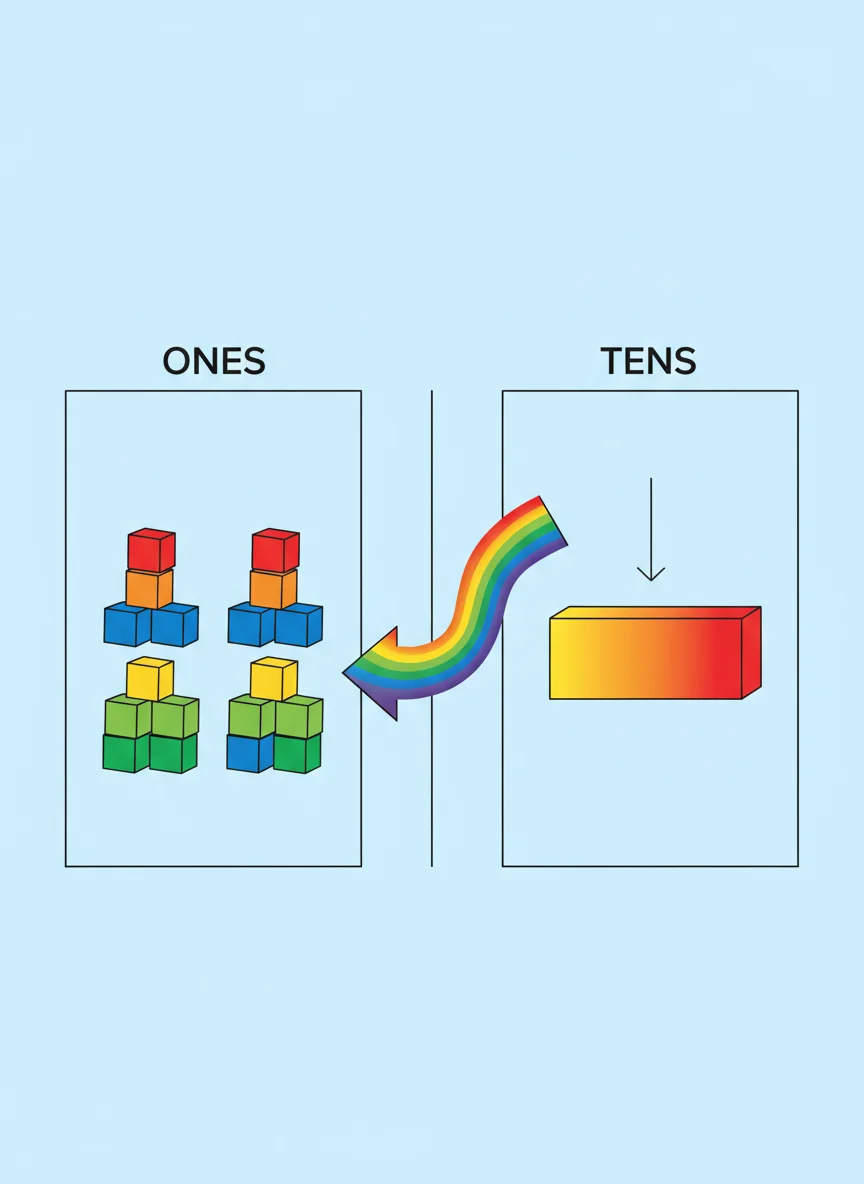
Sometimes our parts add up to more than expected Example: 45 + 38 = 83 (not just 70 + 13) We might need to regroup or carry over Let's see how this works
Regrouping Example
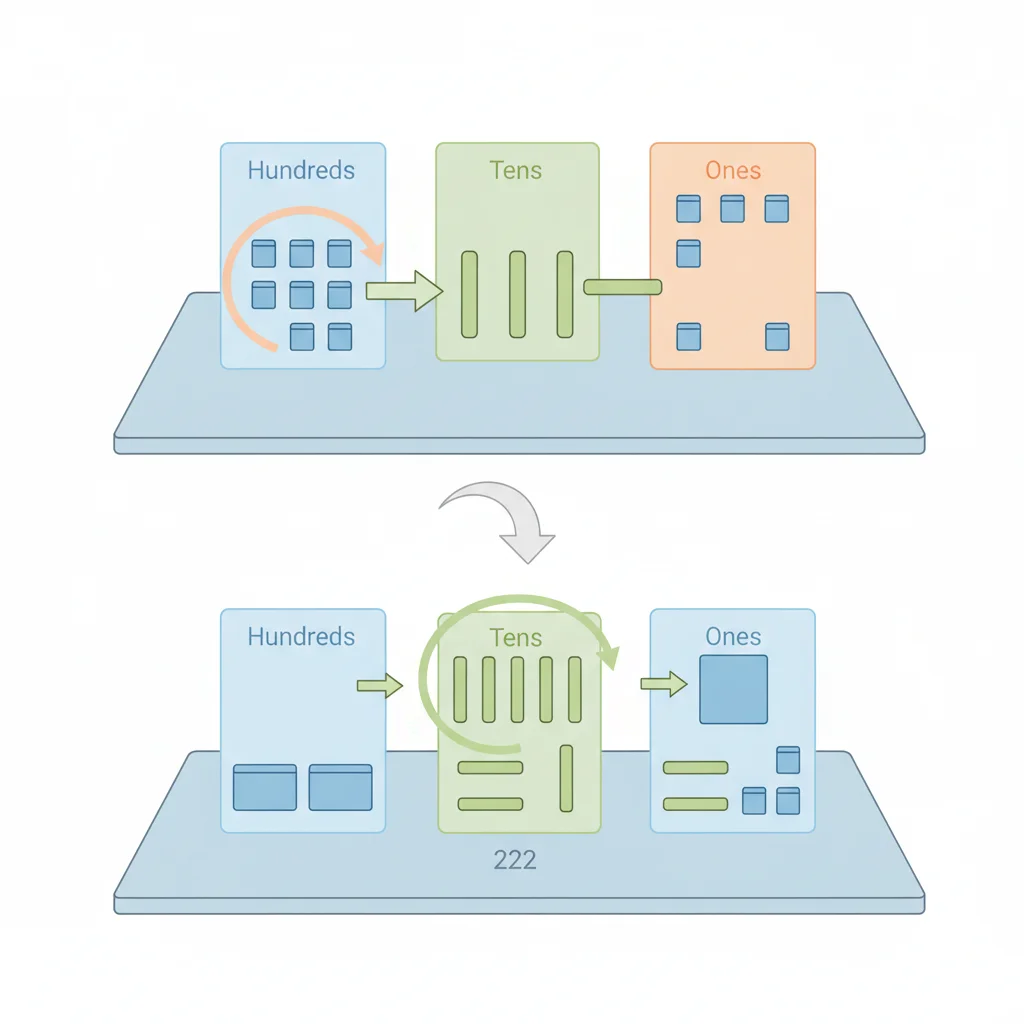
Problem: 1,567 + 2,846 Thousands: 1,000 + 2,000 = 3,000 Hundreds: 500 + 800 = 1,300 We have 13 hundreds = 1,000 + 300 Tens and ones: 67 + 46 = 113
Left-to-Right vs Traditional Method
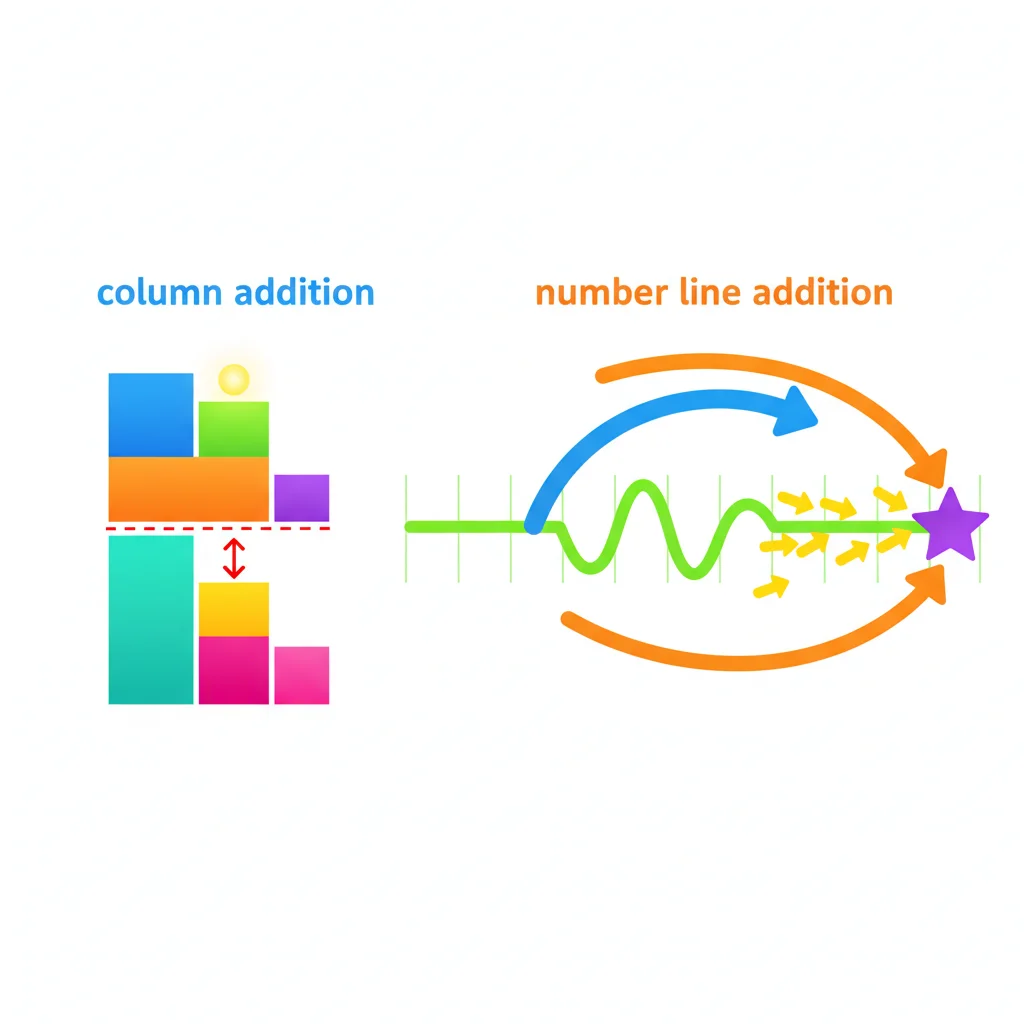
{"left":"Left-to-Right: Start with largest values first\nTraditional: Start with ones place\nLeft-to-Right: Better for mental math","right":"Traditional: More familiar to many\nLeft-to-Right: Builds number sense\nTraditional: Systematic carrying"}
5 more slides available after you open the deck.
Download all 17 slidesMore Mathematics slide decks
Other ready-to-teach mathematics decks for Australian classrooms.


