
Mastering Voice: Speaking Skills Workshop
Tone, Pitch, Pace & Volume Year 6 Communication Skills Recording Voice in PowerPoint
What Makes a Great Speaker?
Clear and confident voice Engaging tone and expression Appropriate volume for the audience Good pace - not too fast or slow
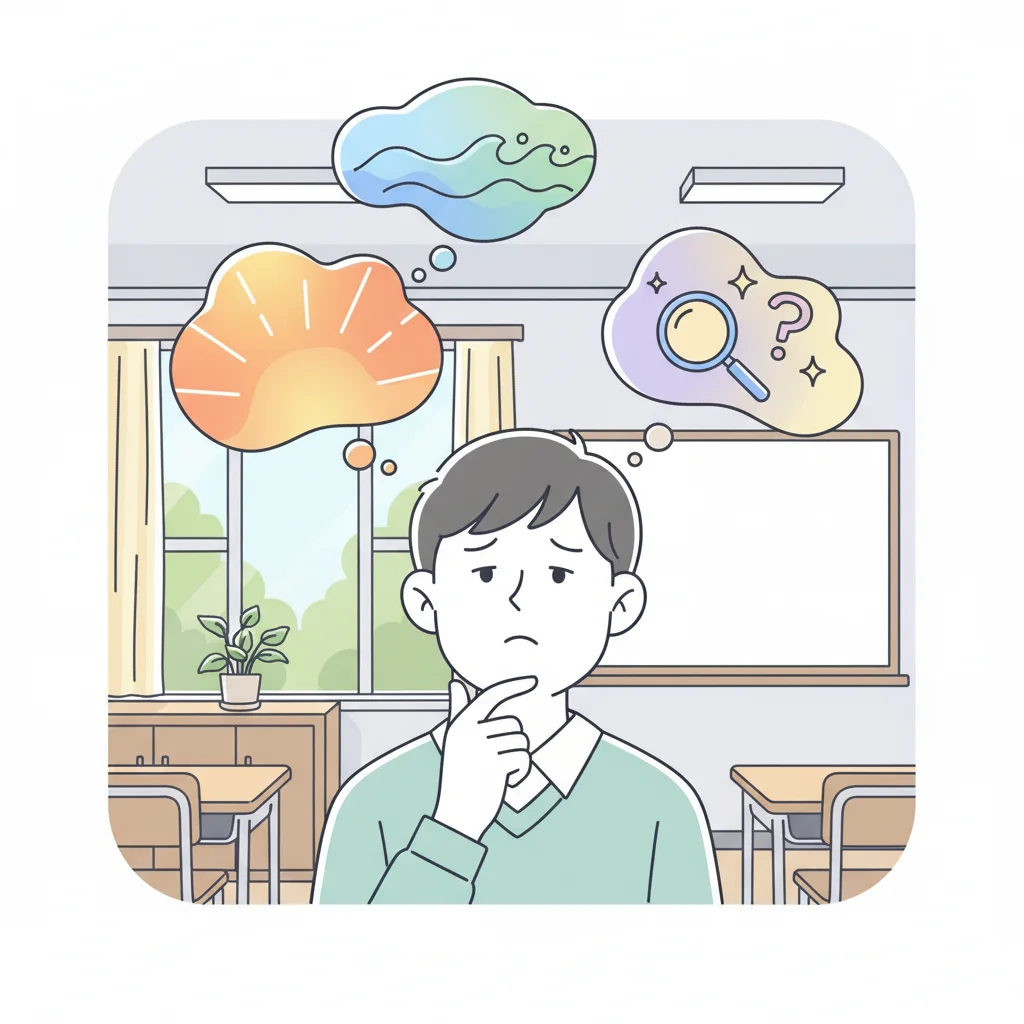
Think About It
Can you think of a time when someone's voice made you feel excited, calm, or interested? What was it about their voice that had this effect?

The Four Voice Skills
TONE - The feeling in your voice PITCH - How high or low your voice sounds PACE - How fast or slow you speak VOLUME - How loud or soft your voice is
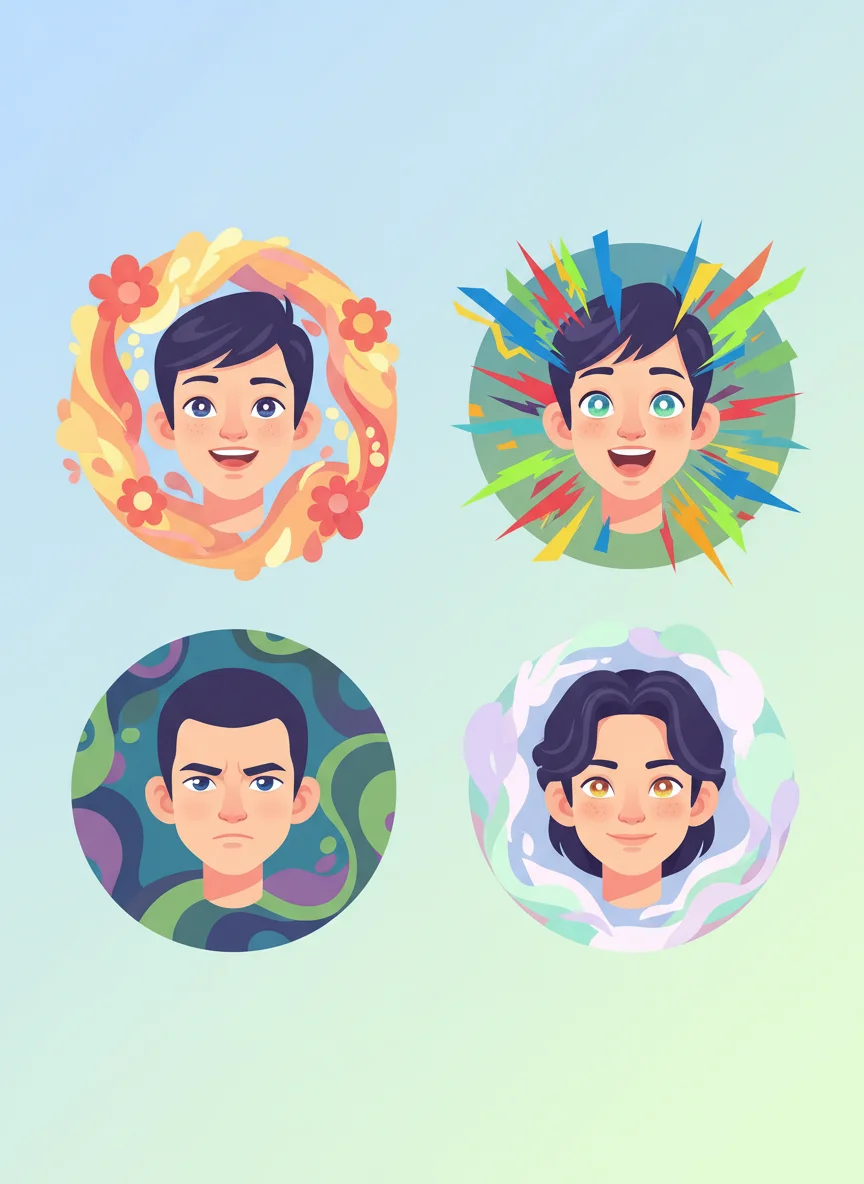
Understanding TONE
Tone shows your feelings and attitude Happy, sad, excited, serious, friendly Changes the meaning of your words Example: 'That's great!' can sound sincere or sarcastic

Tone Practice Activity
Say 'Hello, how are you?' in these different tones: 1. Excited and happy 2. Tired and sleepy 3. Surprised 4. Friendly and welcoming
Understanding PITCH
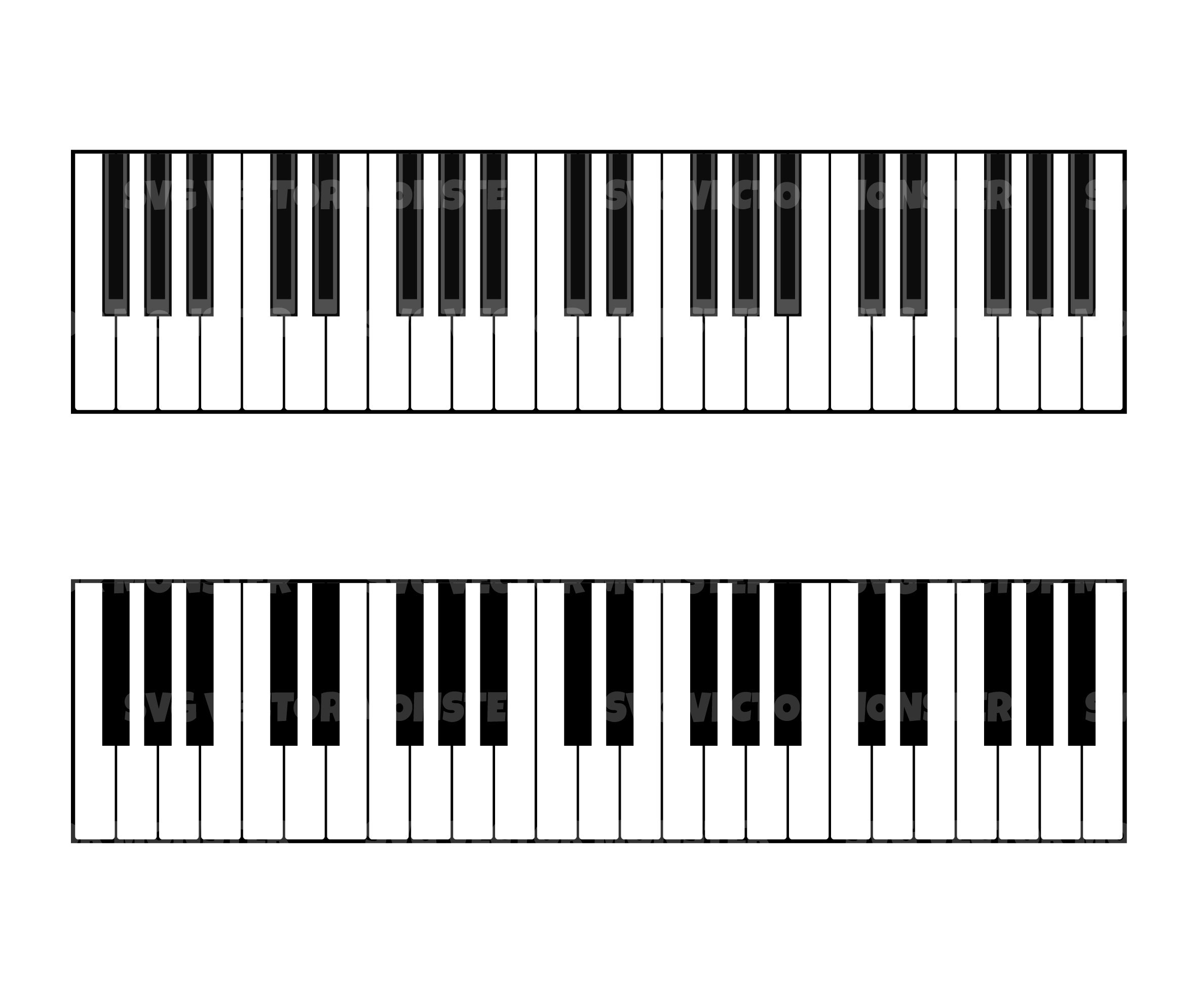
Pitch is how high or low your voice sounds Like notes on a piano - high and low Changes can show excitement or questions Rising pitch often shows questions Falling pitch shows statements
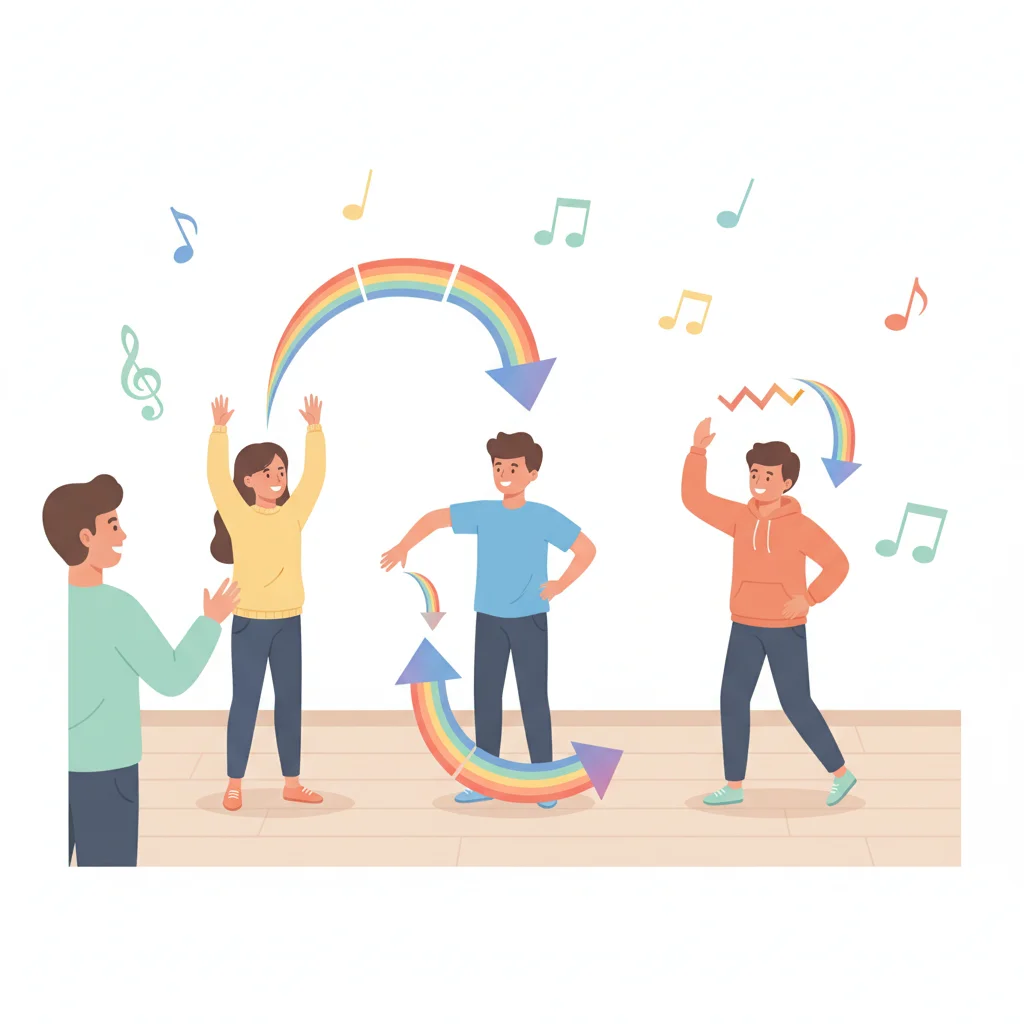
Pitch Exploration
Practice these sentences with different pitch: 1. 'Are you coming?' (rising pitch for question) 2. 'I'm so excited!' (high pitch for excitement) 3. 'That's serious.' (lower pitch for seriousness)

Understanding PACE
Pace is the speed of your speaking Too fast = hard to understand Too slow = audience gets bored Good pace = clear and engaging Use pauses for emphasis

Pace Practice Challenge
Read this sentence at different speeds: 'The quick brown fox jumps over the lazy dog.' 1. Very fast (like you're in a hurry) 2. Very slow (like you're sleepy) 3. Just right (clear and interesting)
Understanding VOLUME
Volume is how loud or soft you speak Must match your audience and setting Classroom = medium volume Large hall = louder volume Small group = softer volume
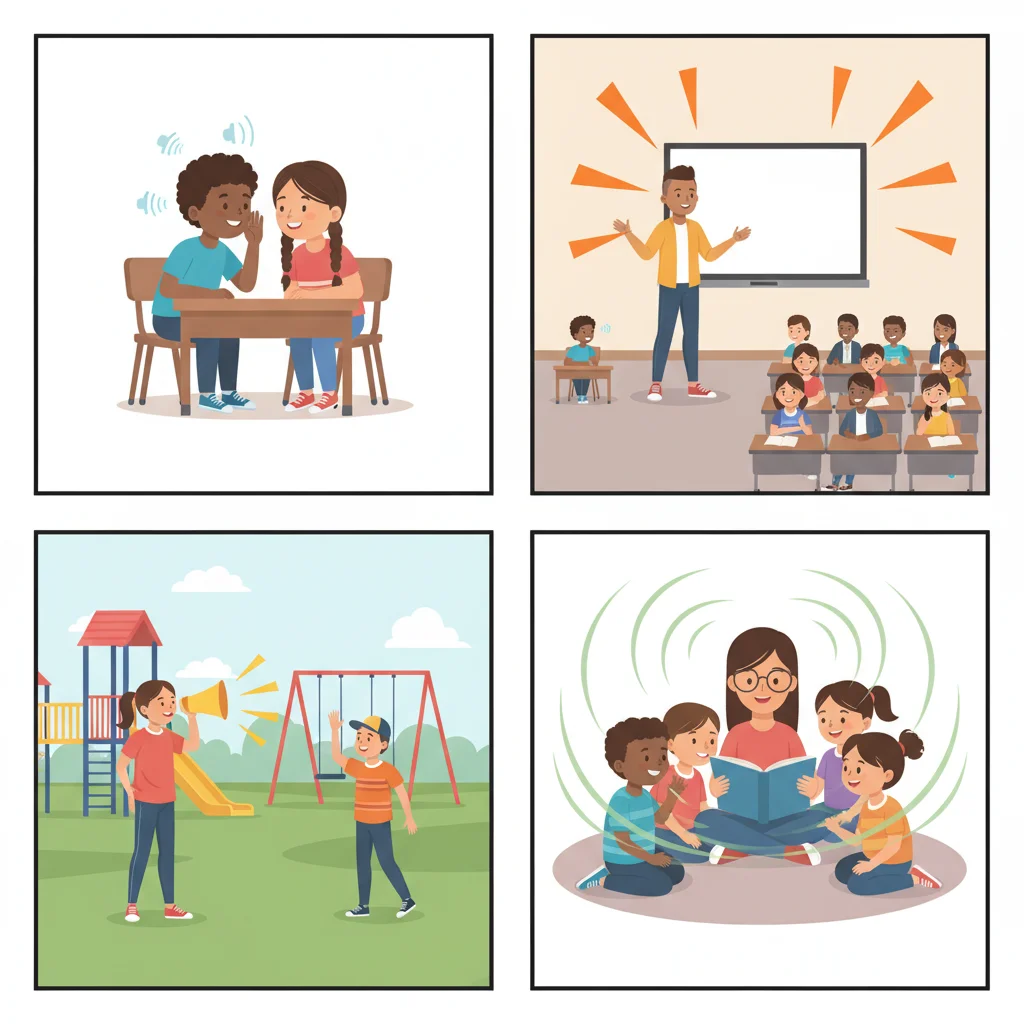
Volume Matching Game
Match your volume to these situations: 1. Telling a secret to a friend 2. Presenting to the whole class 3. Calling someone across the playground 4. Reading a story to younger children
8 more slides available after you open the deck.
Download all 20 slides