
Measuring and Classifying Angles Made Easy
Years 7-10 Mathematics Western Australian Curriculum 30-minute lesson
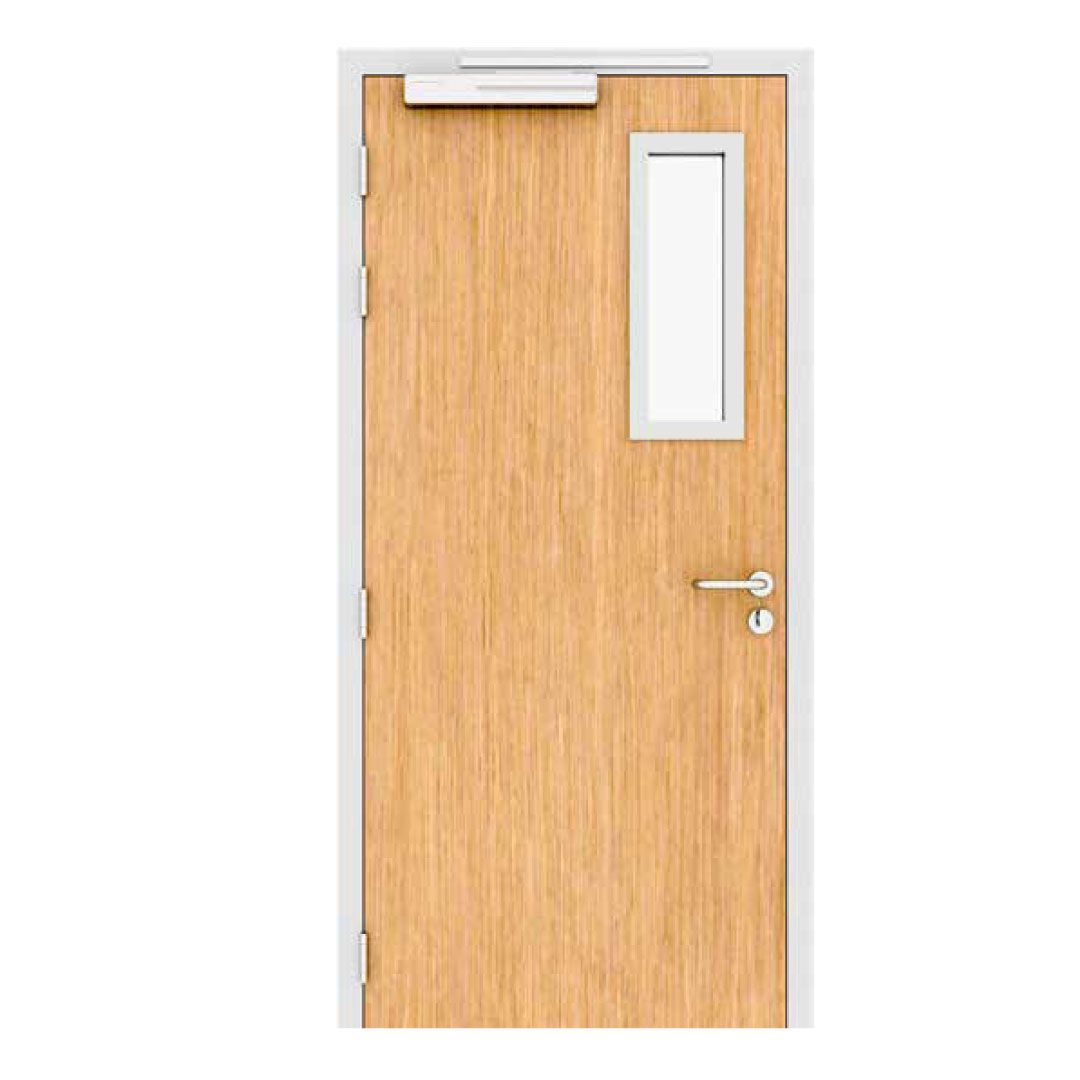
What is an angle?
Look around the classroom Can you spot any angles? Think about everyday objects
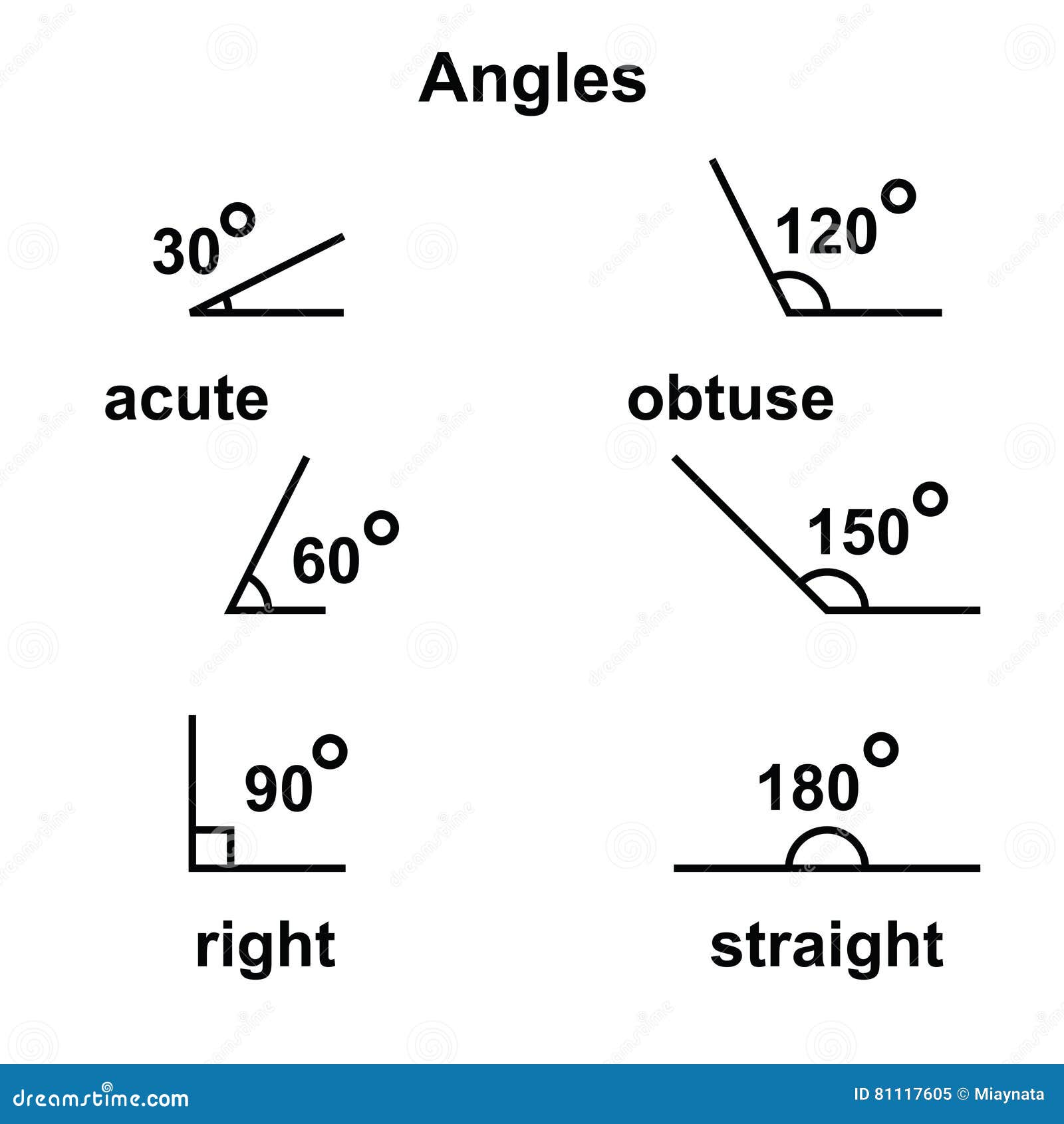
Three Main Types of Angles
Acute angle: less than 90° Obtuse angle: greater than 90° but less than 180° Straight angle: exactly 180°
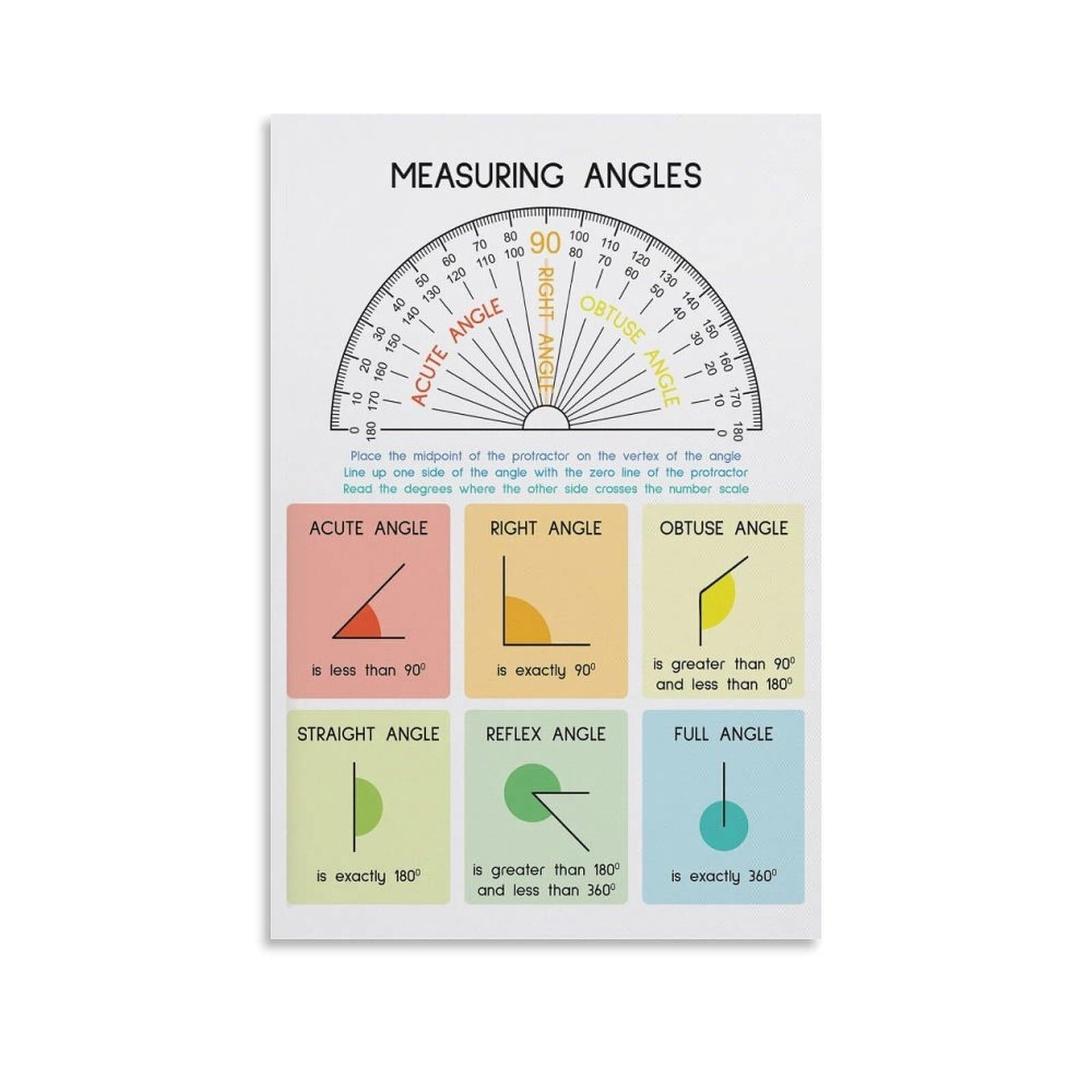
Protractor Demonstration
Step 1: Place the protractor's center point on the angle's vertex Step 2: Align the baseline with one side of the angle Step 3: Read the measurement where the other side crosses the scale Step 4: Choose inner or outer scale correctly
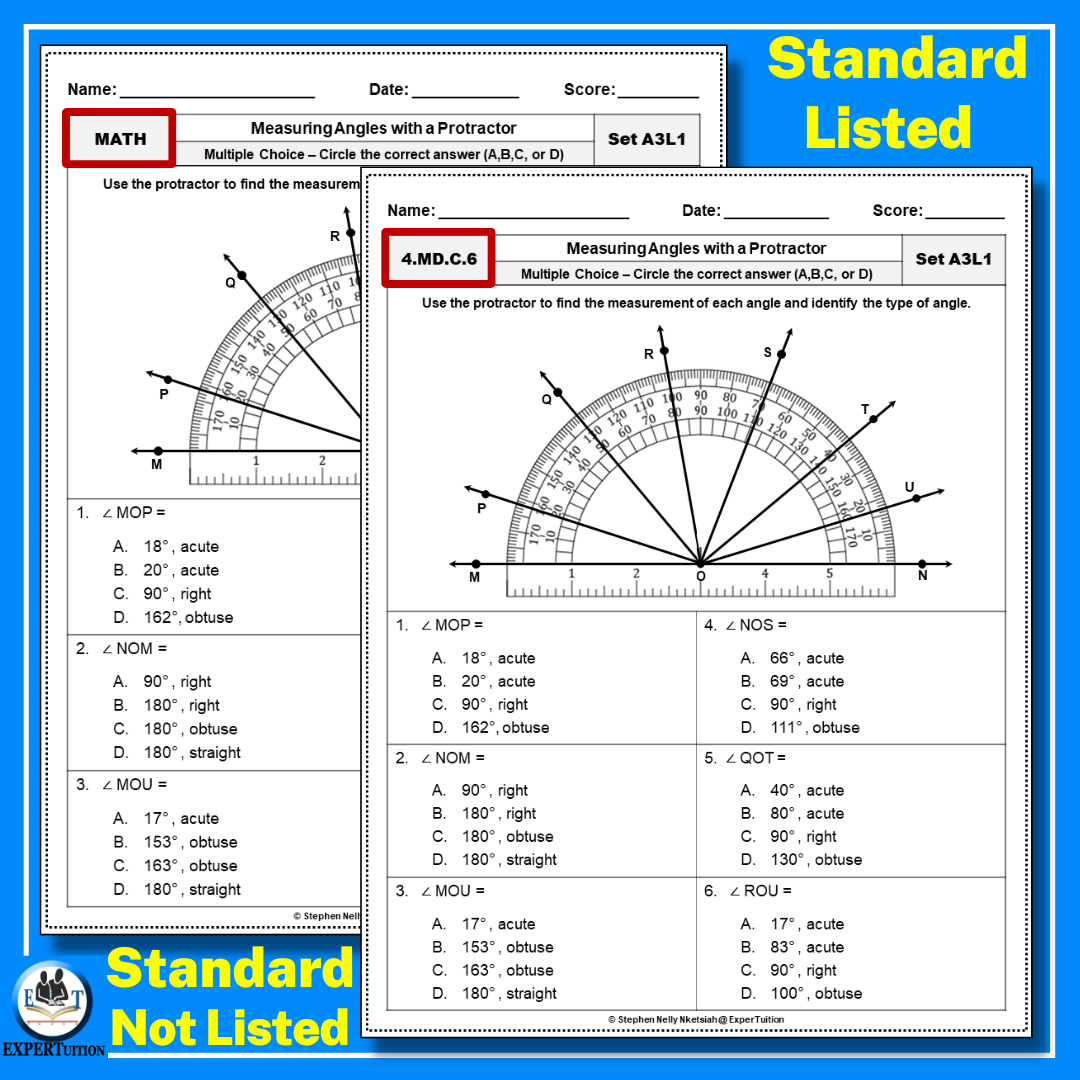
Measuring vs. Estimating
{"left":"Using a protractor gives exact measurements in degrees\nHelps classify angles accurately\nEssential for geometric constructions","right":"Visual estimation helps develop spatial reasoning\nQuick way to identify angle types\nUseful for real-world applications"}

Guided Practice: Angle Hunt Challenge
Find 3 angles in the classroom Measure each angle with your protractor Classify each as acute, obtuse, or straight Record your findings

Why Measure Angles?
"Angles are everywhere in our world - from architecture to art, from engineering to everyday objects. Understanding how to measure and classify them opens doors to understanding the geometric world around us."
Key Takeaways
Acute angles are less than 90° Obtuse angles are between 90° and 180° Straight angles are exactly 180° Protractors help us measure angles precisely Angle classification is useful in many real-world situations