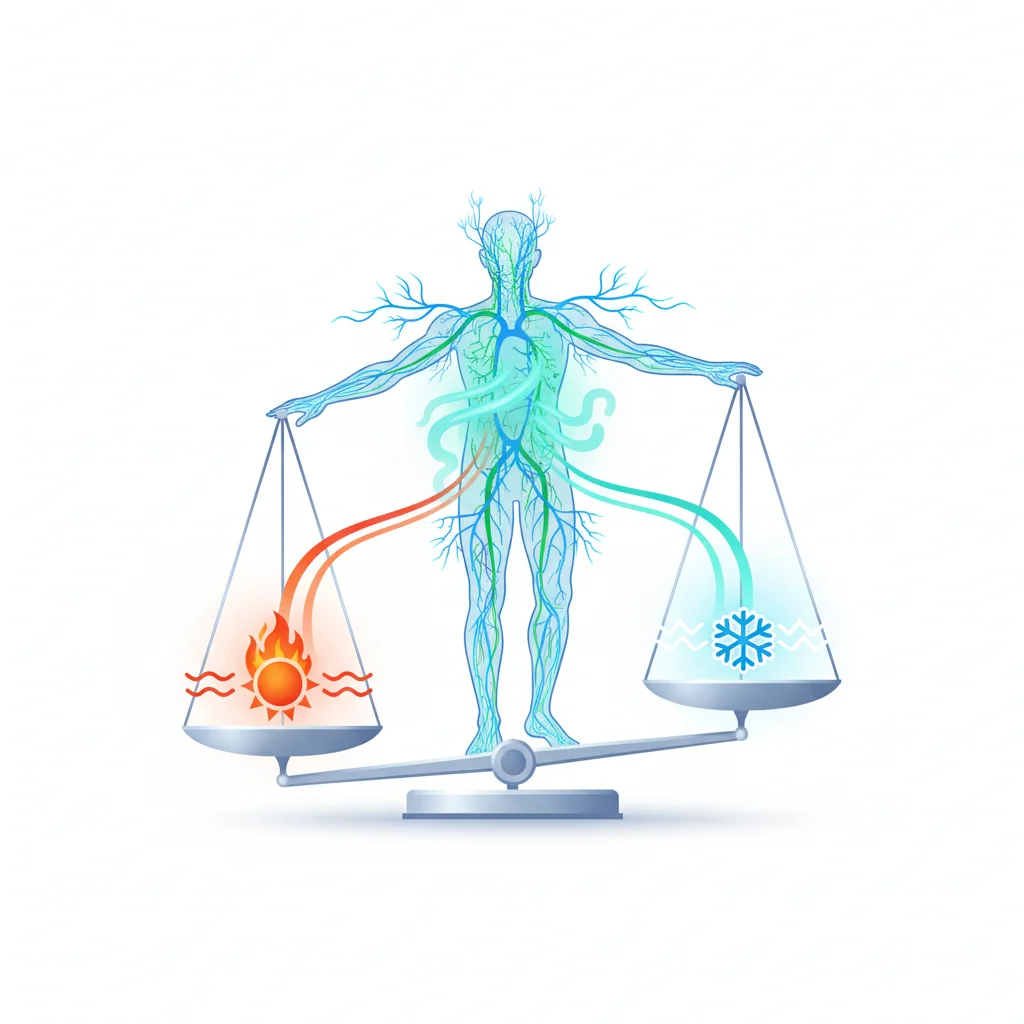
Modeling Homeostasis: Body's Balancing Act
Year 9 Science Understanding how our body maintains balance 45-minute lesson
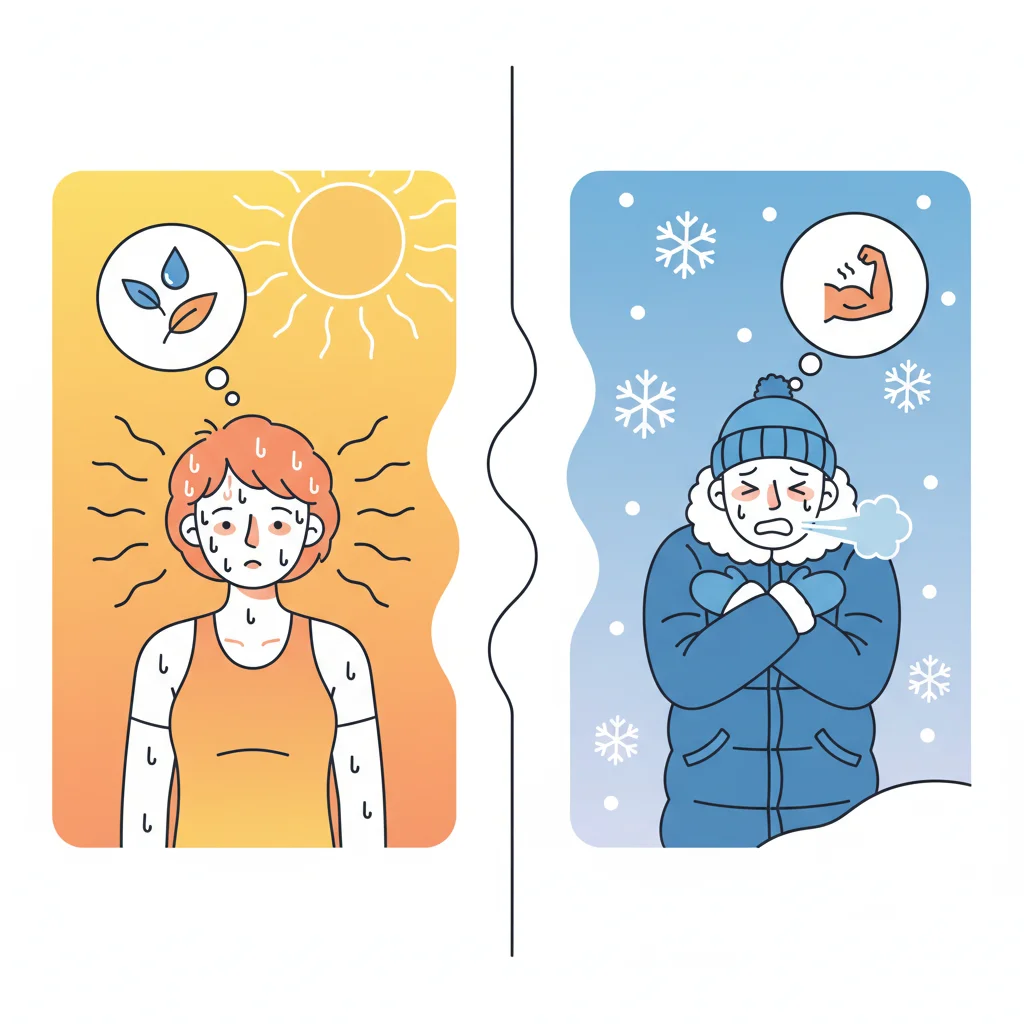
Think About This...
What happens when you get too hot? What happens when you get too cold? How does your body 'know' to respond?
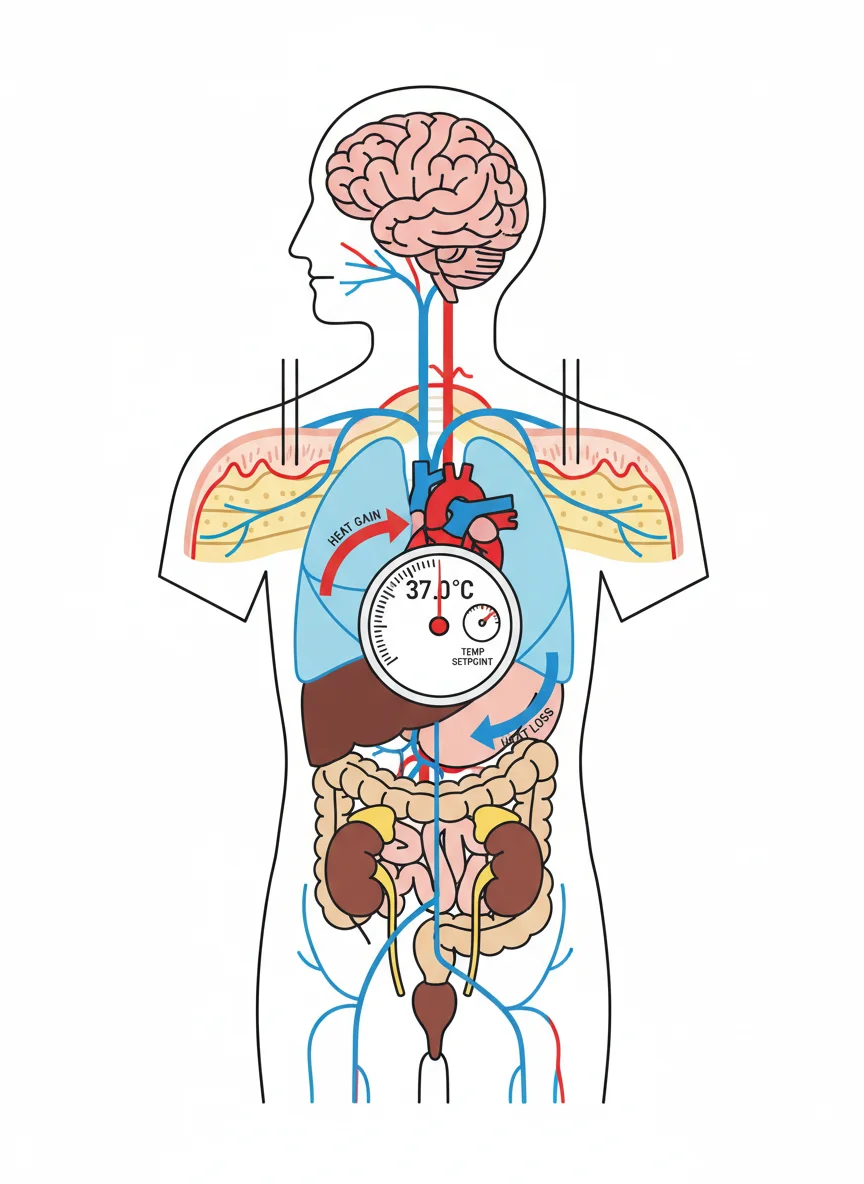
What is Homeostasis?
The maintenance of stable internal conditions Keeps our body balanced despite changes outside Essential for survival - like keeping enzymes working properly Examples: body temperature, blood sugar, pH levels
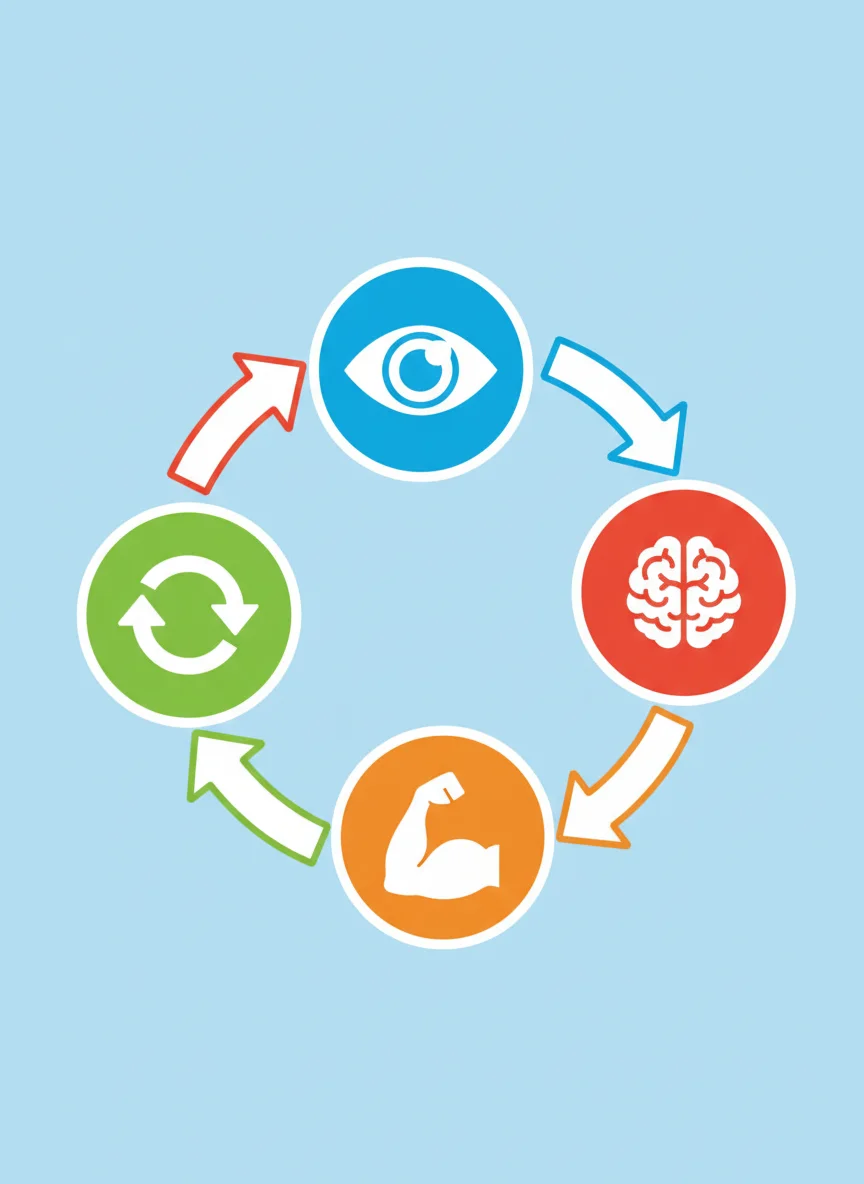
Key Components of Homeostasis
RECEPTORS: Detect changes (like thermometers) CONTROL CENTRE: Processes information (usually the brain) EFFECTORS: Carry out the response (muscles, glands) FEEDBACK MECHANISMS: Tell the system if it's working
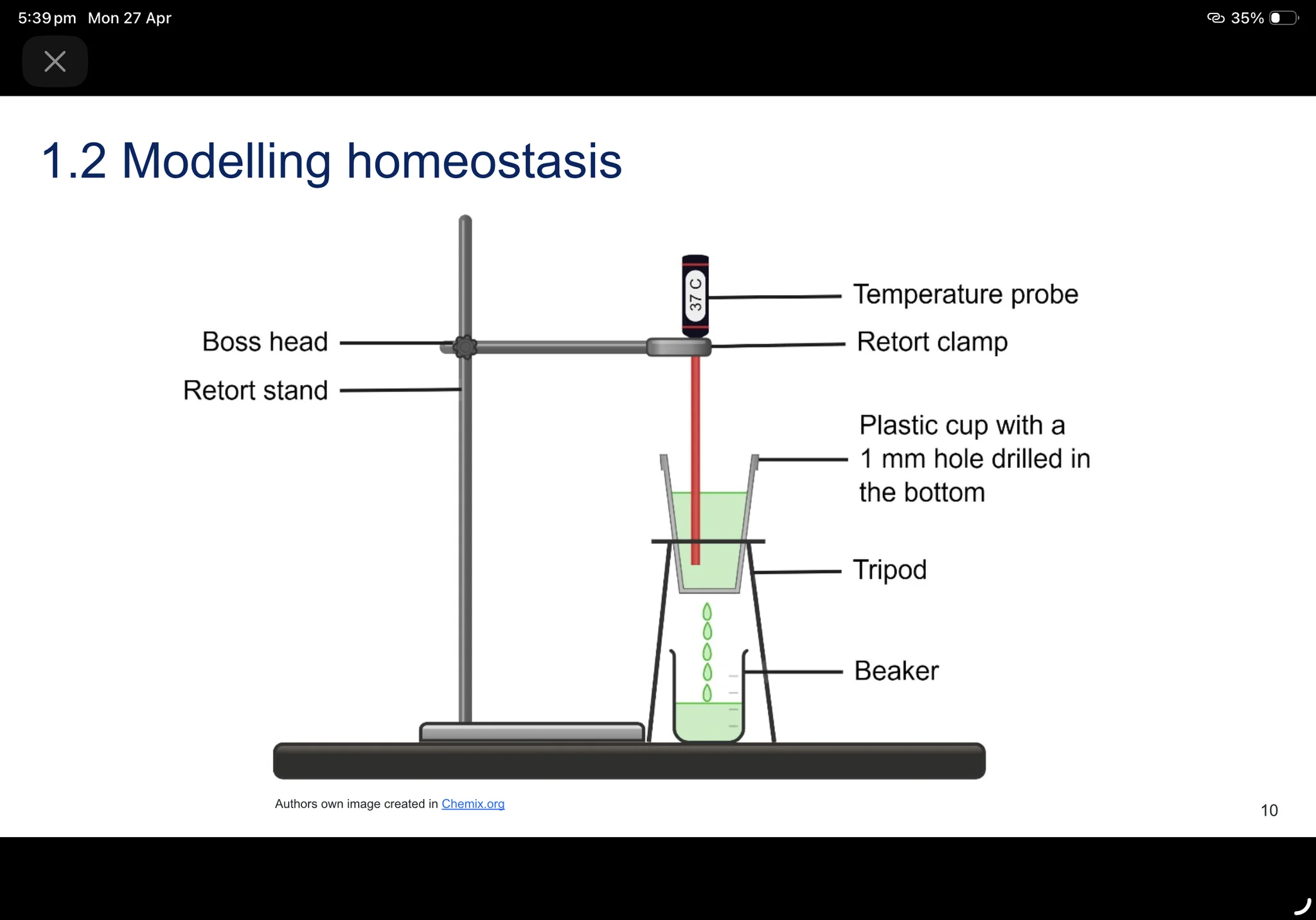
Temperature Regulation Example
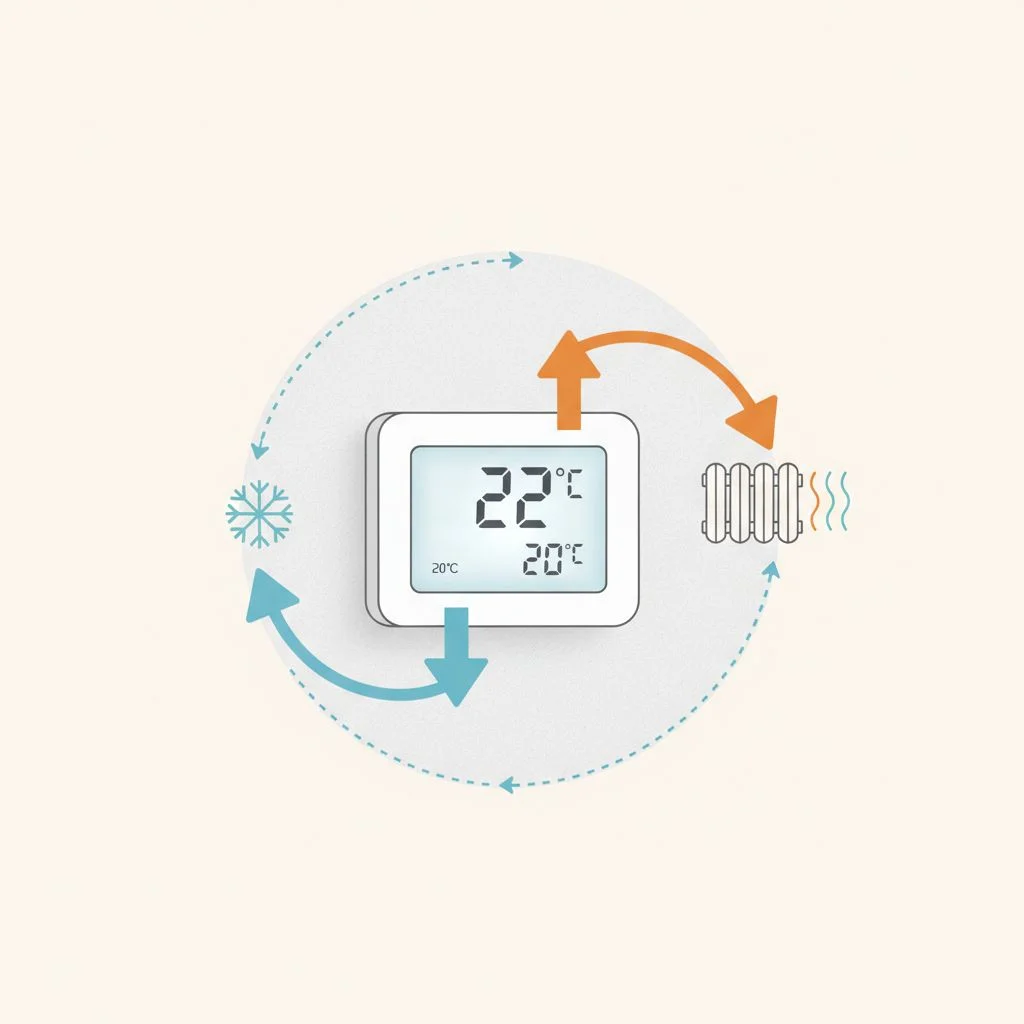
Remember This Key Concept
Negative Feedback = The response works to REVERSE the original change Like a thermostat turning off heating when the room gets warm enough
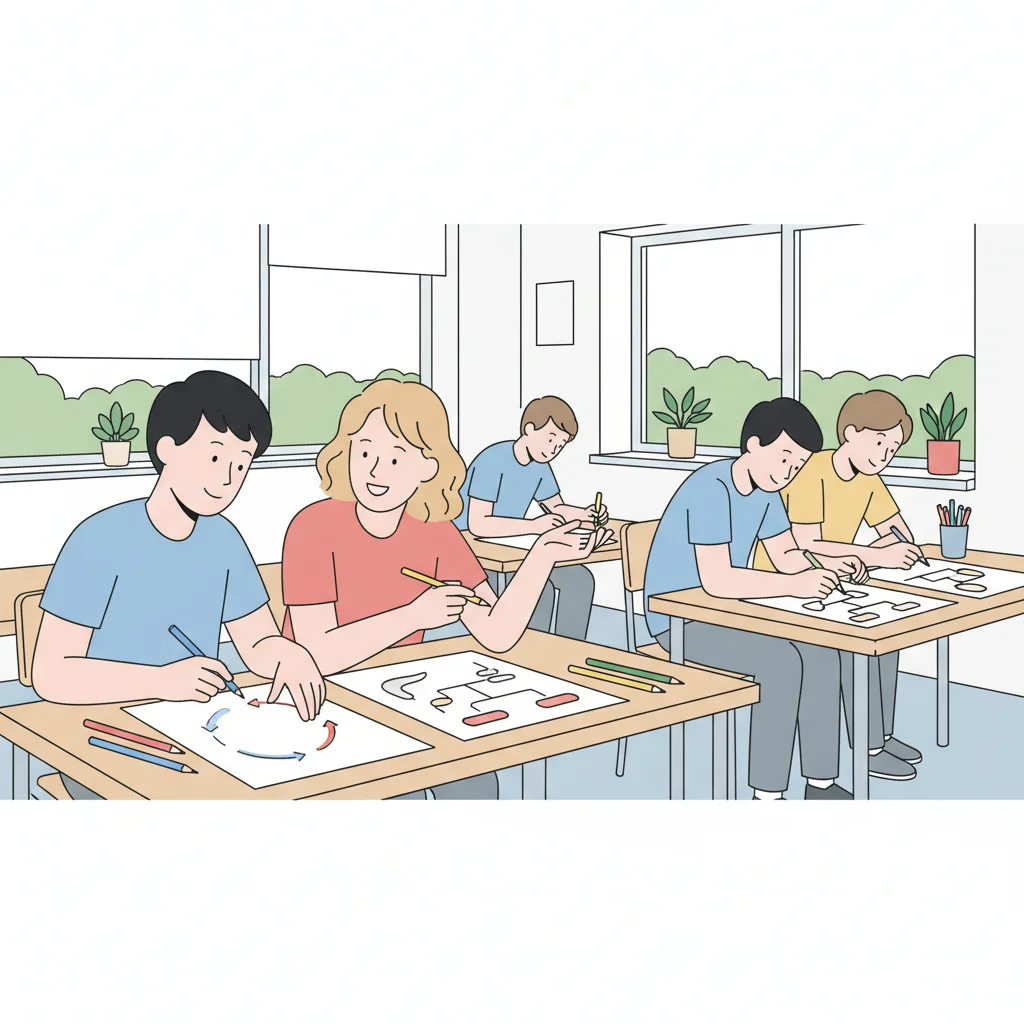
Collaborative Diagram Activity
Work in pairs Create a labeled diagram showing homeostasis Choose: temperature regulation OR blood sugar control Include: receptors, control centre, effectors, feedback arrows Use colors and clear labels You have 15 minutes!
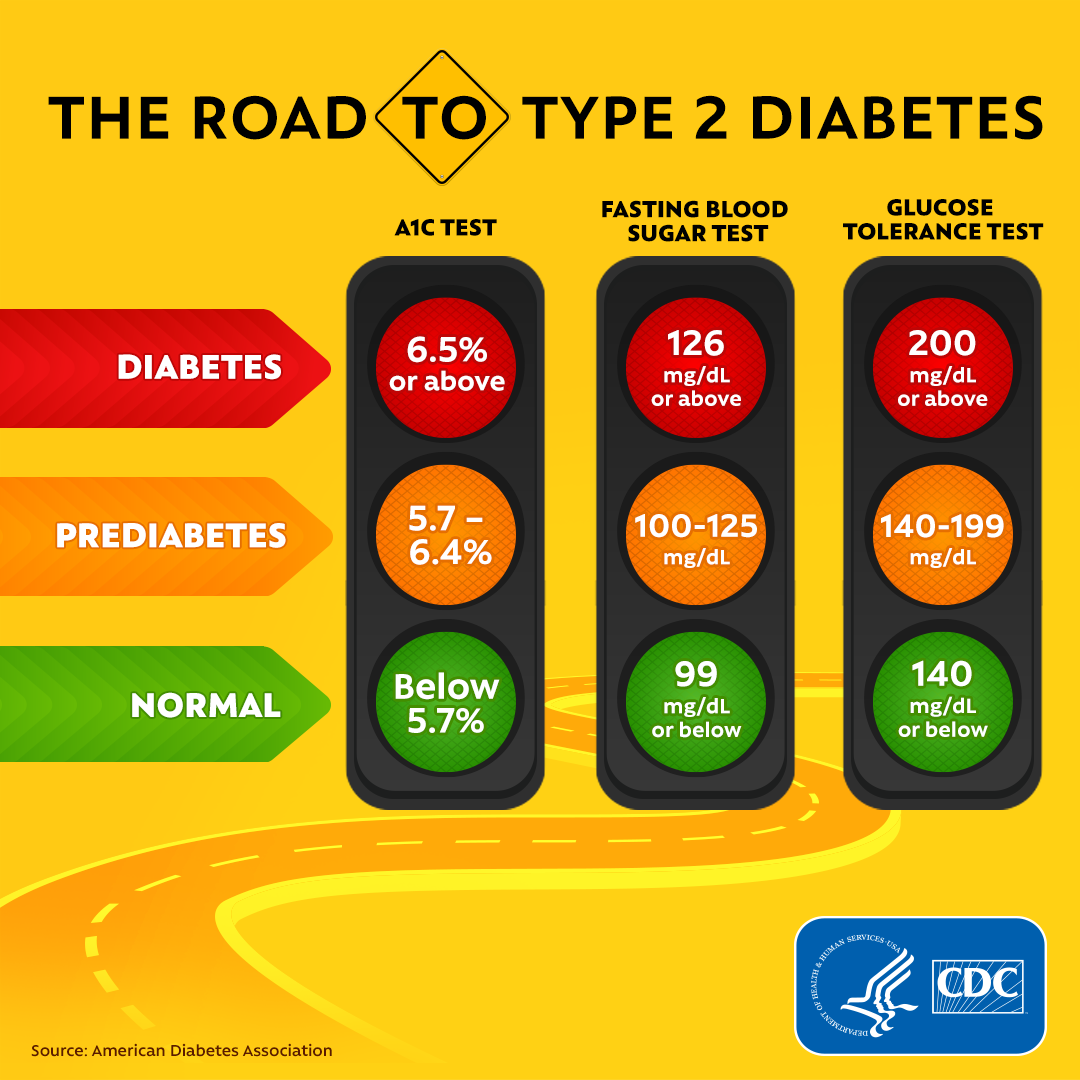
Other Examples of Homeostasis
Year 9 Science Understanding how our body maintains balance 45-minute lesson
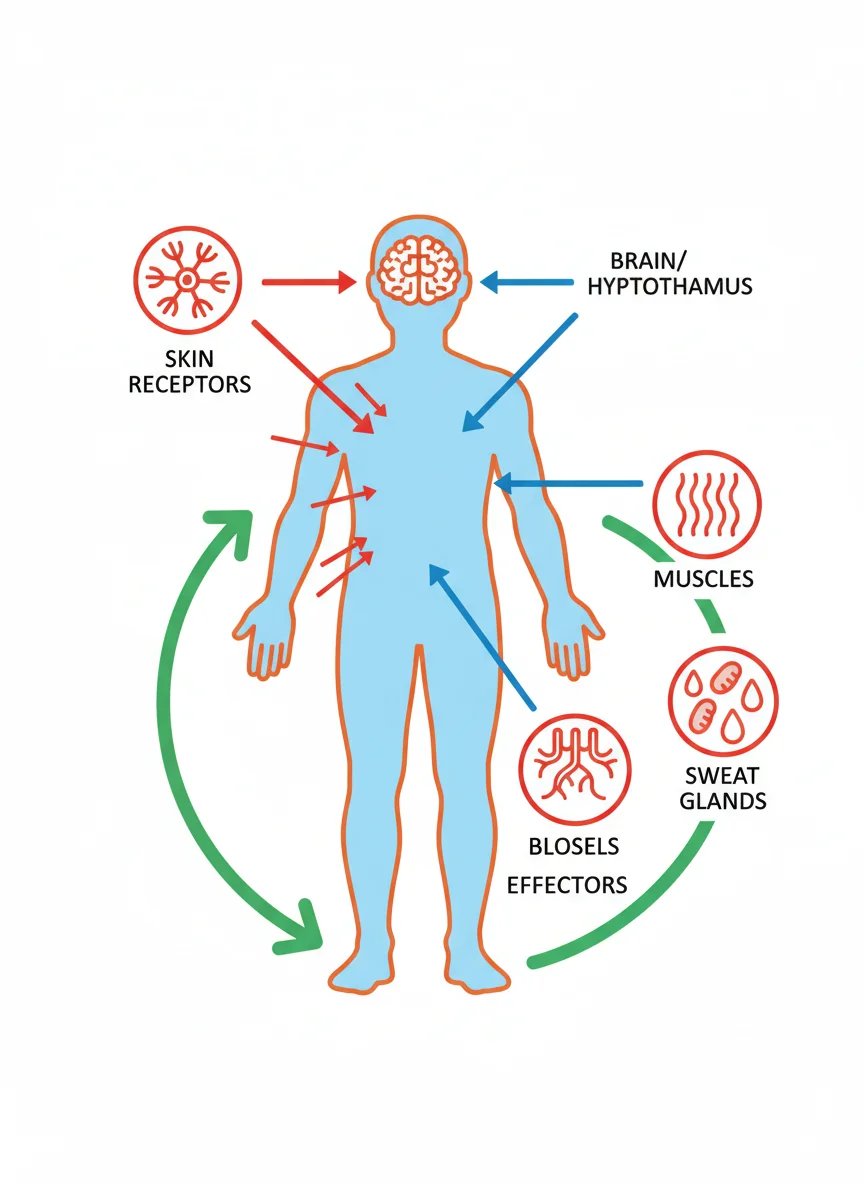
Thermostasis: Temperature Control System
Receptors: Detect temperature changes in skin and brain Control Centre: Hypothalamus processes information and decides response Effectors: Muscles, blood vessels, and sweat glands take action Negative Feedback: Response reduces the original stimulus Example: Shivering when cold generates heat to warm body
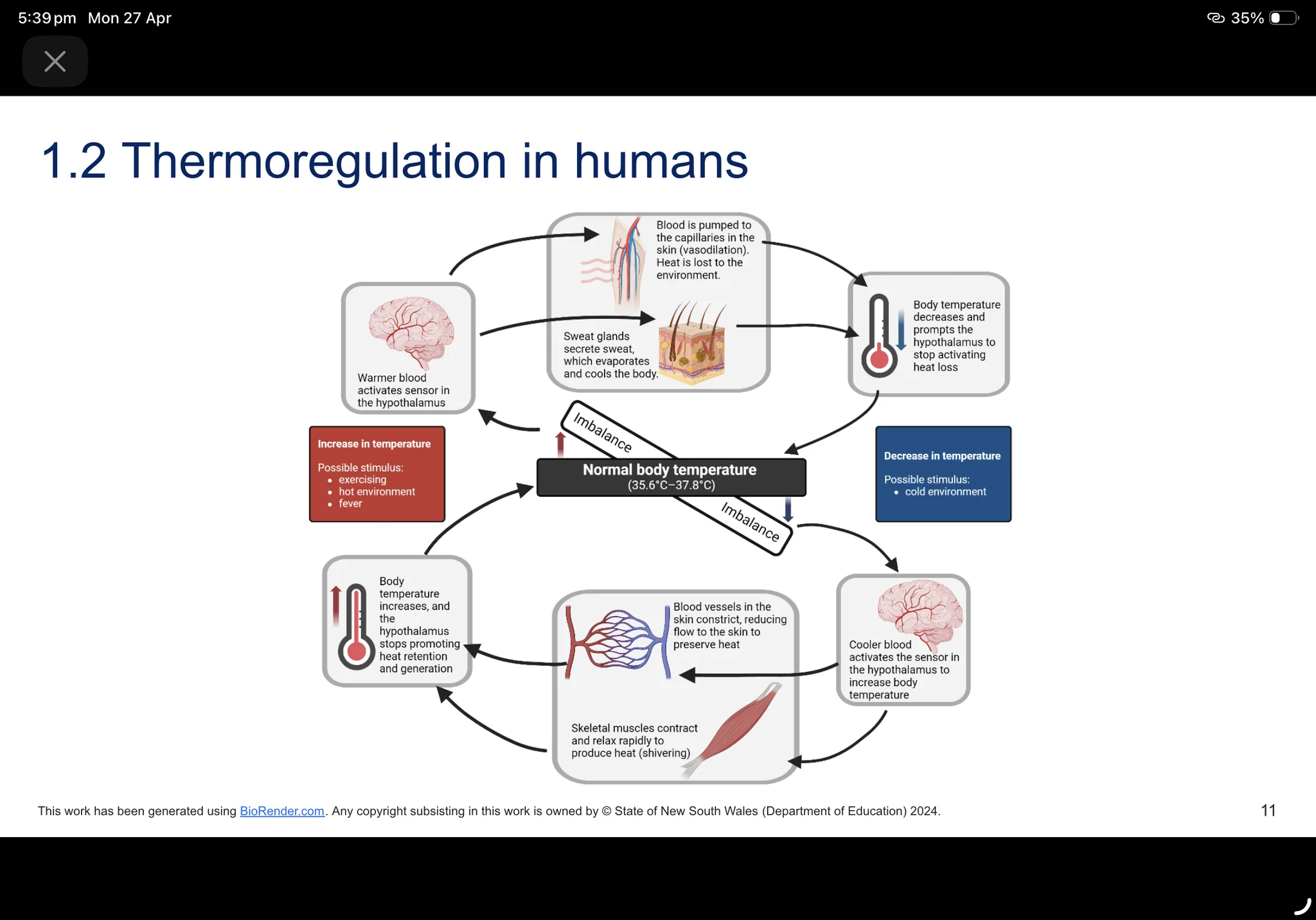
Thermostasis
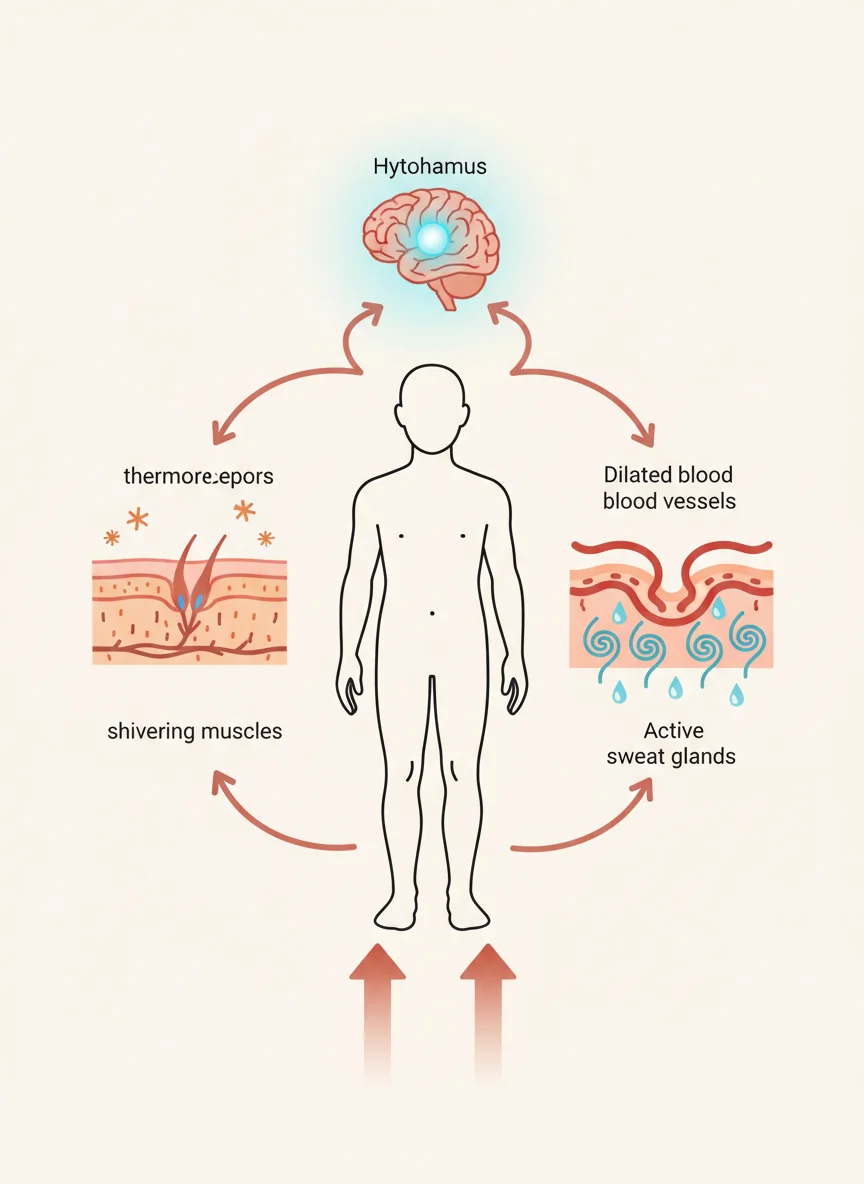
Thermoregulation: Temperature Control System
Receptors: Detect temperature changes in skin and blood Control Centre: Hypothalamus processes temperature information Effectors: Muscles shiver, blood vessels dilate/constrict Sweat glands release moisture to cool body Negative feedback maintains 37°C body temperature
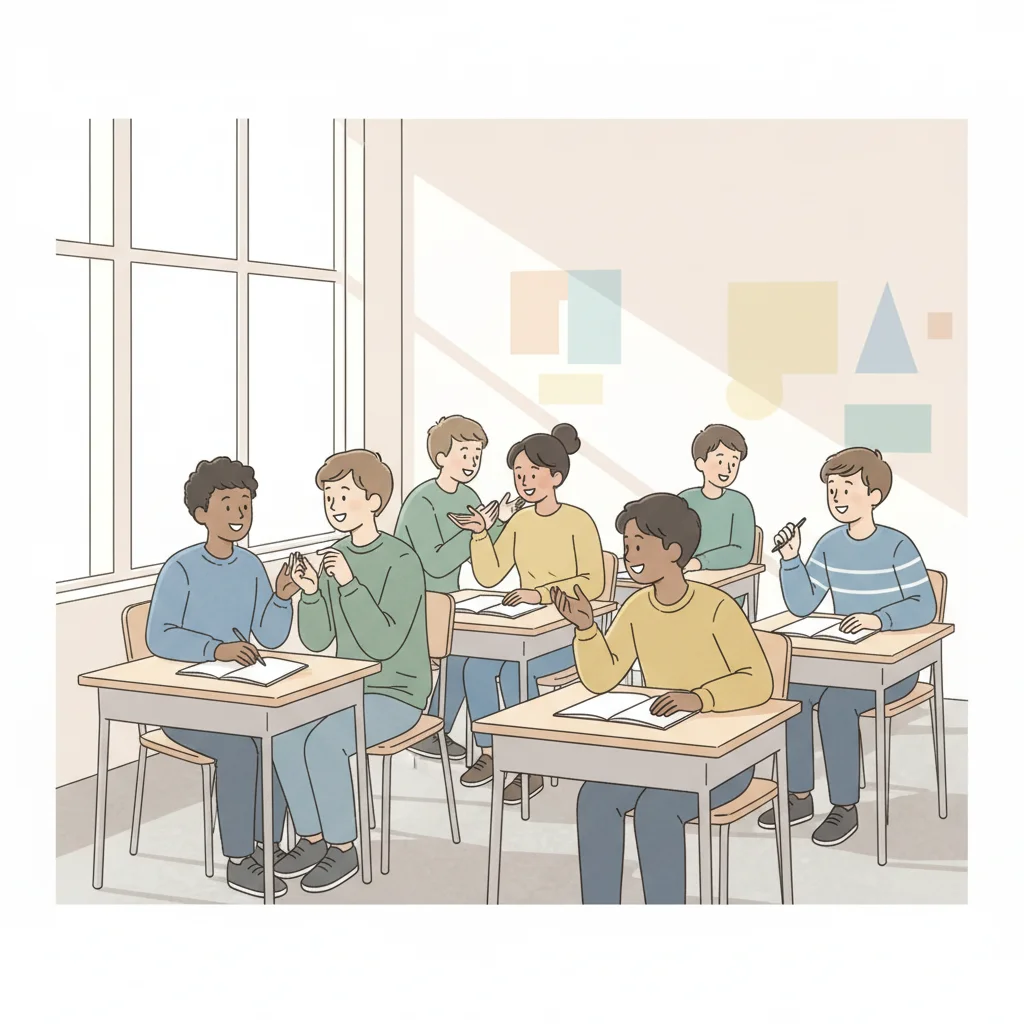
Group Activity: Homeostasis in Daily Life
Form groups of 4-5 students Brainstorm homeostasis examples from everyday life List at least 5 examples with brief explanations Choose your best example to share with class Time limit: 10 minutes total