
Musical Intervals: Major vs Minor
Understanding the distance and quality of musical intervals Year 10 Music Theory 60-minute lesson
What Are Musical Intervals?
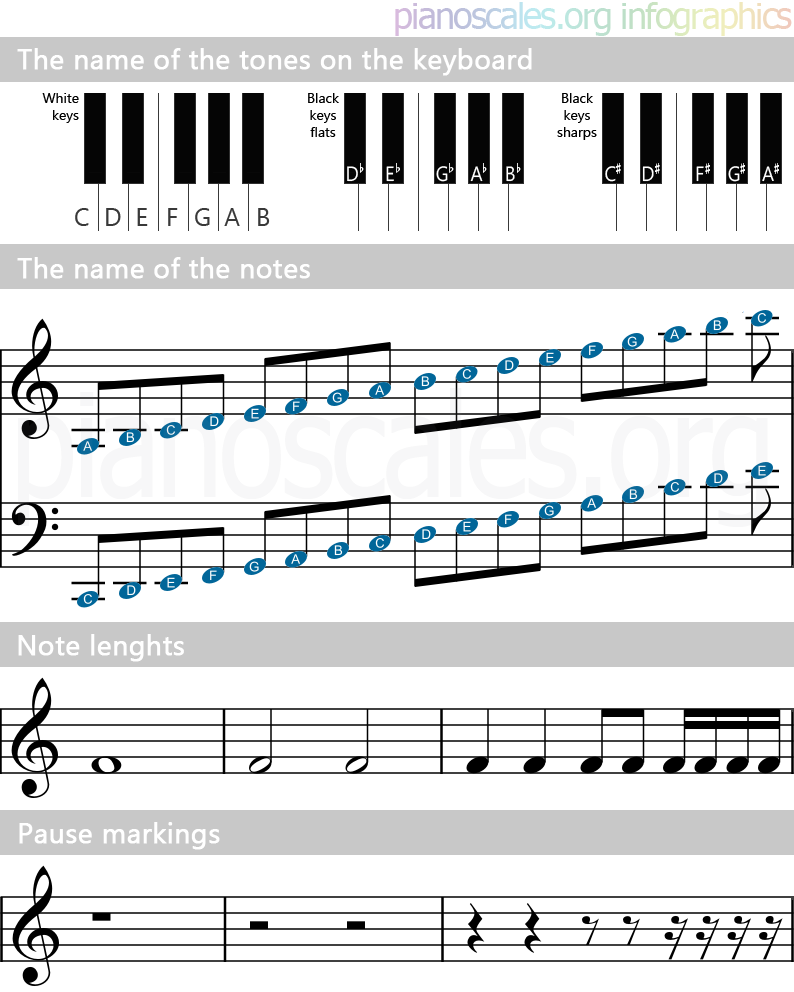
The distance between two musical notes Measured in semitones (half steps) Foundation of melody and harmony Key to understanding musical relationships
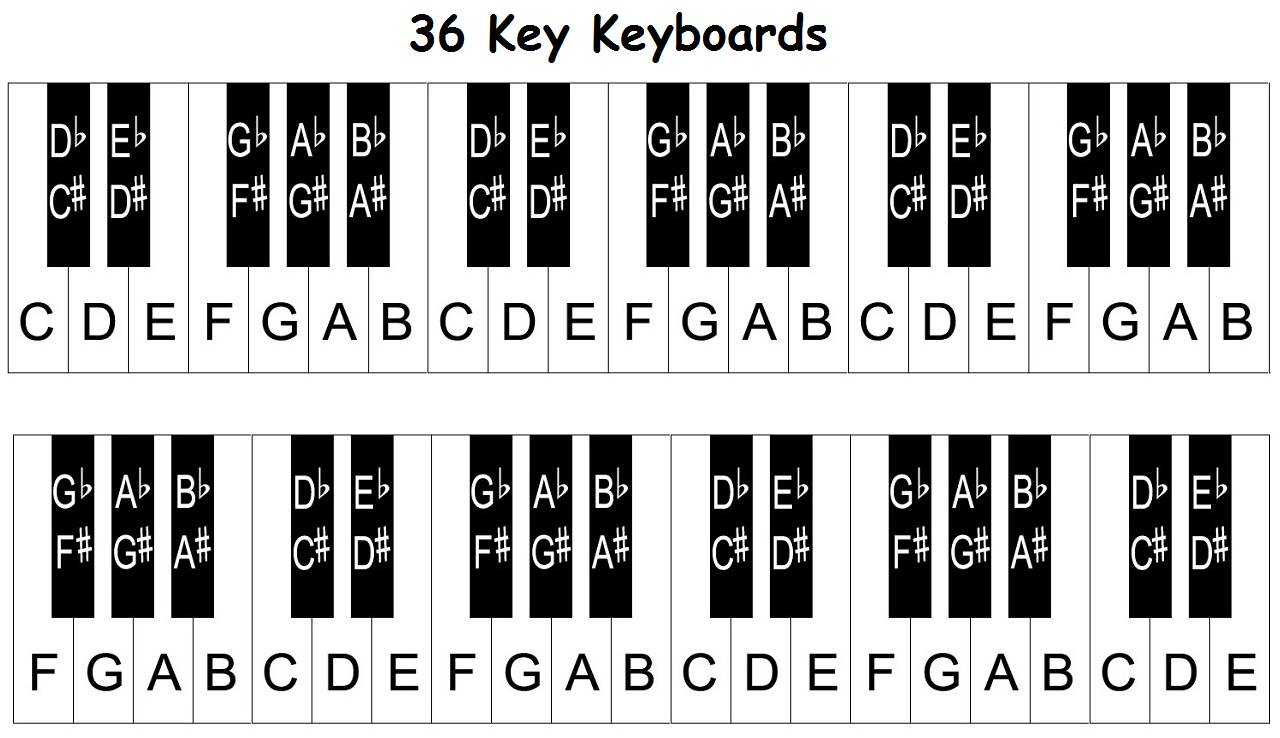
Semitone Chart: Counting Musical Distance

Interval Distance Practice
Count semitones between given note pairs Use the keyboard chart as reference Work in pairs to check answers Practice with C to E, F to A, G to B

Major vs Minor Intervals
Major intervals sound bright and happy Minor intervals sound darker and sadder Major 3rd = 4 semitones, Minor 3rd = 3 semitones Major 6th = 9 semitones, Minor 6th = 8 semitones The difference is always one semitone

Listening Challenge
Listen to each interval pair Identify if it sounds major or minor Raise your hand for major, point down for minor Focus on the emotional quality of the sound
Compose Your Own Melody
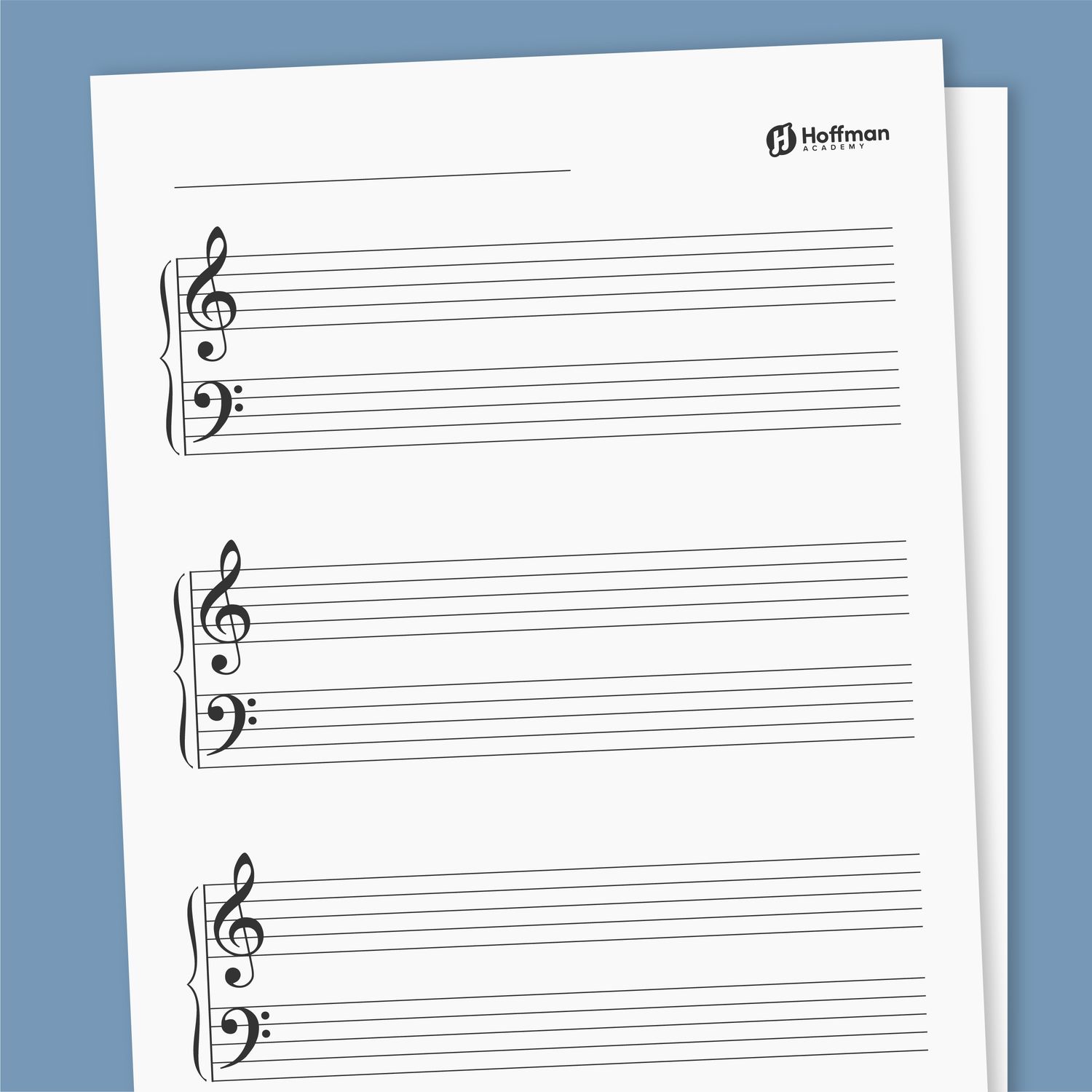
Create a 4-bar melody using major and minor intervals Choose intervals that match your intended mood Use staff paper or notation software Prepare to perform for the class
Key Takeaways
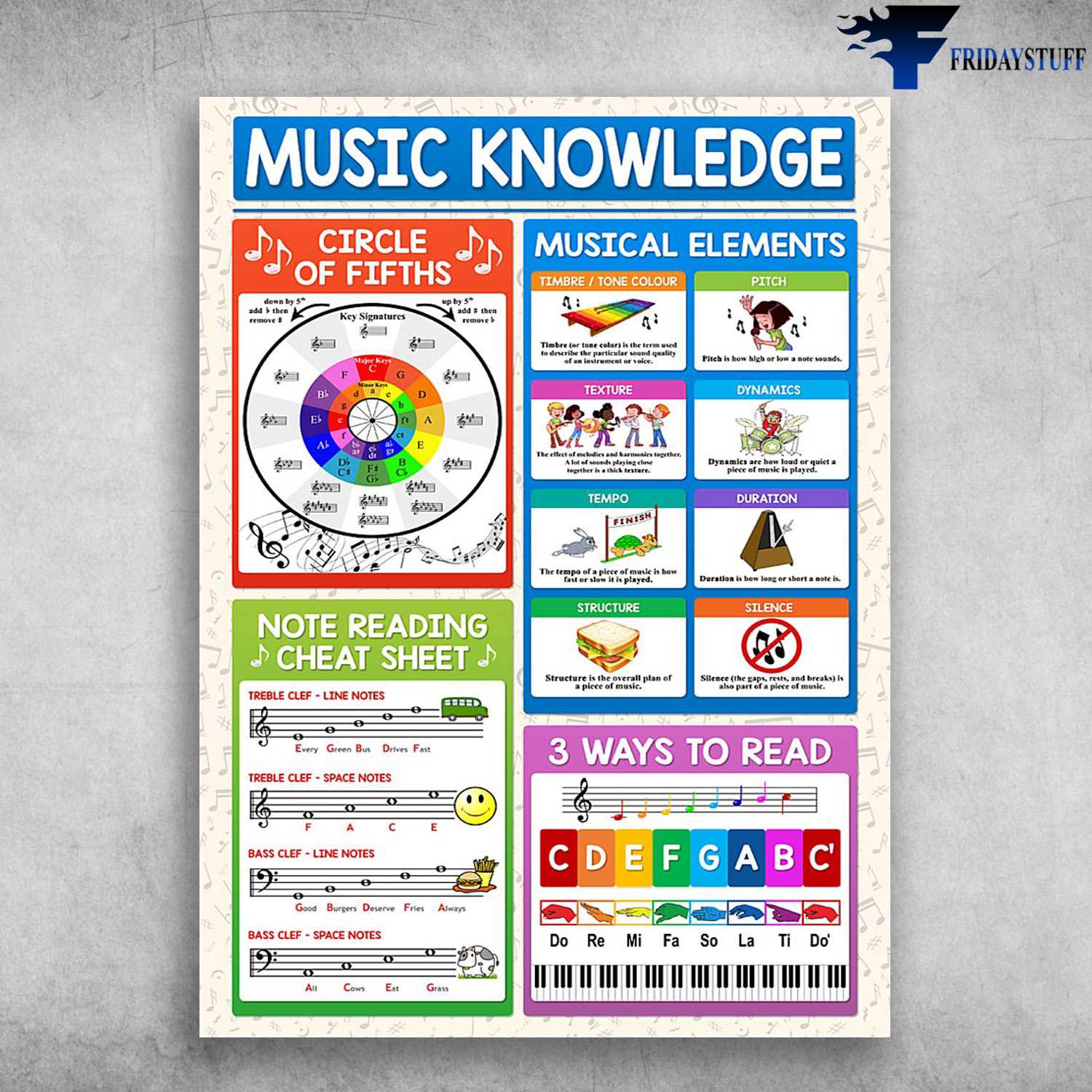
Intervals are measured by counting semitones Major intervals are one semitone larger than minor Major = bright/happy, Minor = dark/sad Intervals are essential for melody and harmony Practice listening to develop your musical ear